Recipe
Servings
2 1×
Serves 2Prep 5 minCook 10 minTotal 15 min
Nutrition per serving
Ingredients
- 8 oz spaghetti high-quality bronze-die
- 5 cups Pecorino Romano finely grated by hand
- 1 tbsp black peppercorns freshly cracked
- 1 cup pasta water starchy buffer
Method
- Toast cracked peppercorns in a dry pan to release volatile essential oils before adding liquid.
- Use cloudy water to coat cheese proteins, preventing aggregation into a rubbery ball.
- Remove from burner before adding cheese to prevent casein proteins from seizing.
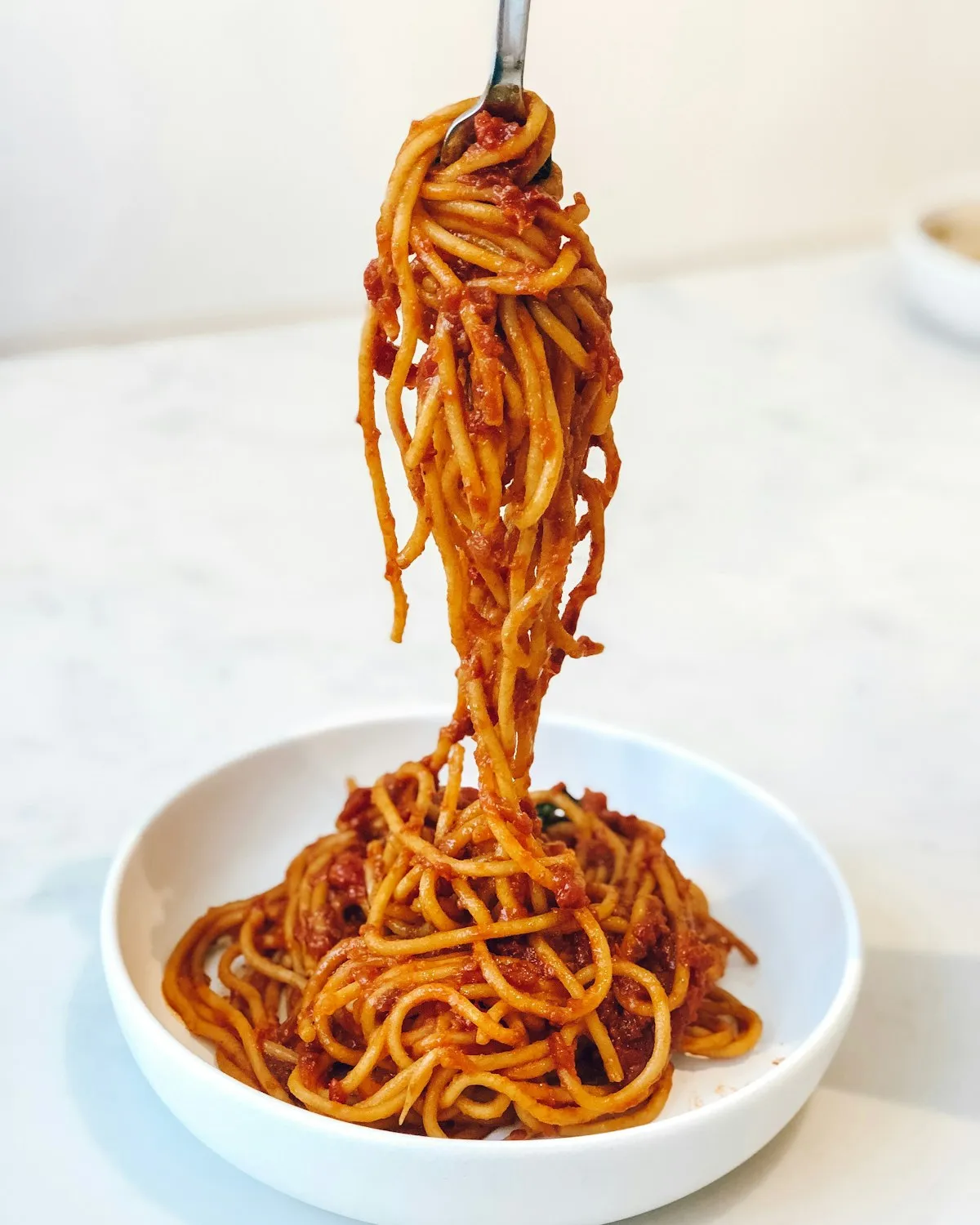
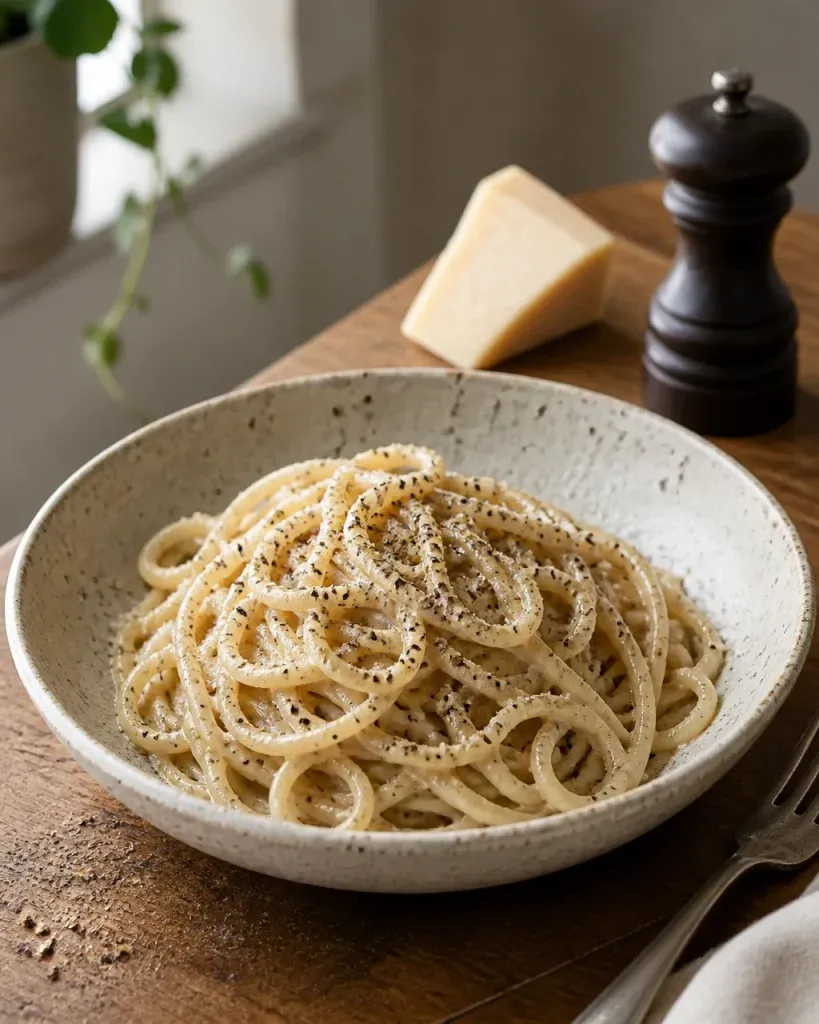
If you have ever stared into a half-empty pantry at 8:00 PM and wondered if a block of cheese and a box of dried noodles could actually constitute a “real” dinner, I have excellent news for you. Welcome to the world of Cacio e Pepe. This Roman classic is the ultimate test of a home cook’s finesse, proving that you don’t need a hundred ingredients to create something soulful and complex. It is the gold standard of simple pasta recipes, relying entirely on the harmony of aged sheep’s milk cheese, pungent black pepper, and the magic of starchy pasta water.
The Chemistry of the Emulsion: Avoiding the “Mozzarella Phase”
The biggest hurdle in mastering this dish isn’t the cooking time; it is the chemistry. You have likely experienced the heartbreak of a “broken” sauce, where the cheese clumps into a rubbery, sad ball, leaving you with oily noodles and a ruined pan. In the culinary world, we often refer to this failure as entering the “Mozzarella Phase.” This happens when the proteins in the cheese, especially casein, tighten up and bind to each other because the temperature is too high or the moisture balance is off. Translation: your dinner stops being glossy and starts acting like an eraser.
To avoid this, respect the science of starch like it pays your rent. Use the water your pasta boiled in as your primary stabilizing agent. When pasta cooks, it releases starch molecules into the water. Those molecules help suspend fat and protein so the sauce stays smooth instead of separating into greasy sadness. Think of starchy pasta water as a diplomatic negotiator. It convinces the cheese fat, cheese protein, and water to sit at the same table without flipping it over.
This is why Cacio e Pepe has such a dramatic reputation. On paper, it looks like one of the easiest simple pasta recipes on earth. In reality, it is a tiny edible science fair. You are building an emulsion, which is just a stable mixture of ingredients that normally do not want to stay together. Cheese contains fat, protein, and salt. Pasta water contains water and starch. If you combine them under the right conditions, the starch helps distribute fat droplets through the liquid phase, and the result is that glossy, clingy sauce that makes you feel unreasonably proud of yourself.
If you combine them under the wrong conditions, the proteins seize, the fat leaks out, and your sauce goes from silk robe to gym sock. Not ideal.
Starch-Water Binding: Your Sauce’s Real Safety Net
Use less water than usual to boil your pasta if you want stronger pasta water. That is not culinary rebellion; it is concentration. The more concentrated the starch in the water, the more support your sauce gets. Starch granules absorb water and swell as they heat, and some of their components disperse into the liquid. That liquid becomes slightly viscous, which helps it coat the pasta and hold the cheese in a creamy network instead of letting it split.
This matters because water alone is not enough. Plain hot water will melt cheese, sure, but it will not stabilize it very well. Starch changes the texture and the behavior of the liquid. It increases body, slows separation, and gives you room to toss everything together without panic-sweating over the skillet.
Keep the sauce moving. Agitation helps distribute the cheese evenly, encourages the starch to do its job, and prevents hot spots where clumps can form. Do not dump everything in and walk away like this is a casserole. It is not. It demands your attention for a couple of minutes, which is fair considering how little else it asks of you.
Temperature Control and the Grate Factor
Don’t just toss your cheese into a boiling pan. Remove the pan from the heat before adding Pecorino Romano. This step is non-negotiable. Cheese proteins get tighter as they overheat, and once they tighten too much, they squeeze out fat and moisture. That is how you end up with grainy sauce and a layer of oil that looks deeply suspicious.
Aim for warm, steamy conditions instead of aggressive heat. Residual heat from the pasta and a bit of hot pasta water are usually enough to melt finely grated cheese into a smooth sauce. If your pan is still screaming hot, wait a beat. Thirty seconds of patience is cheaper than wasting a good wedge of cheese.
Grate your cheese as finely as possible. Use a microplane or the finest side of your box grater. Finer particles melt faster and more evenly because they have more surface area. Bigger shreds take longer to melt, which means they spend more time exposed to heat, which increases the odds of clumping. Small shreds are not just a texture preference; they are insurance.
Avoid pre-shredded cheese. Those bags are loaded with anti-caking agents that keep the shreds separate in the package, which is exactly the opposite of what you want in the pan. They interfere with smooth melting and can make the sauce dusty or pasty. Use the block. Grate it yourself. Accept no shortcuts here.
Releasing the Piperine: Toast Your Pepper Like You Mean It
Most people treat black pepper as a finishing move, but in Cacio e Pepe, it is a co-star. Toast your cracked pepper in a dry pan before adding liquid. This step does more than make your kitchen smell like you suddenly know what you’re doing.
Black pepper contains piperine, which is responsible for its biting heat, plus a whole group of volatile aromatic compounds that give it woodsy, citrusy, floral, and slightly resinous notes. These volatile compounds are delicate. When you crack fresh peppercorns, you expose more of those compounds to the air. When you toast them briefly, you encourage aromatic release and deepen the flavor. The heat wakes them up. It coaxes out complexity that pre-ground pepper surrendered months ago.
There is, however, a line between toasted and torched. Toast pepper too long and the aromatic compounds burn off or turn bitter. You are not looking for smoke signals. You are looking for a warm, fragrant burst that smells sharp, earthy, and a little lemony. Once you smell that, move on. The pan has done its job.
Why Toasted Pepper Tastes Bigger, Not Just Hotter
Here is the sneaky magic: toasted pepper does not simply make the dish spicier. It makes it rounder. Piperine gives you heat, but the aromatic oils create the impression of depth and perfume. That means the dish tastes more complex even though it still has only three core ingredients. It is the culinary version of a plain white T-shirt that somehow looks expensive because it actually fits.
Crack the pepper fairly coarsely. Powdery pepper can turn muddy and harsh, while slightly larger pieces release flavor more gradually and add a little textural pop. That texture matters in a dish this minimal. Every bite needs contrast: slick noodles, creamy sauce, and those tiny sparks of toasted pepper.
Variations: Balancing Salt, Fat, and Brightness
While the purist version is a masterpiece, your kitchen is still your kitchen. If Pecorino Romano tastes too intense or salty for you, cut it with Parmigiano-Reggiano. A half-and-half blend softens the sharper sheep’s milk tang and adds nuttier, sweeter notes. You still get the soul of the dish, just with slightly fewer elbows thrown at your taste buds.
Add lemon zest at the end if you want brightness. Acidity and aroma help cut richness, making the cheese feel lighter without actually reducing it. This works because the nose plays a huge role in flavor perception. A little fresh citrus aroma can make a rich pasta feel more awake and less sleepy.
If you want smoky depth, borrow the idea behind a classic bacon and basil variation. Rendered bacon fat can reinforce richness and contribute extra savory flavor, but do not get careless with salt. Pecorino already shows up salty and loud. Bacon does not exactly whisper.
If you want greens, fold in baby spinach or arugula right at the end. Residual heat will wilt them quickly without flooding the sauce with excess moisture. Arugula is especially good here because its slight bitterness and peppery edge echo the toasted black pepper instead of fighting it.
Side Dish Pairings: Cutting the Richness
Because Cacio e Pepe is essentially a bowl of liquid gold, your side dishes need to bring contrast. Do not pair it with something creamy, buttery, or heavy unless your dinner goal is total nap paralysis.
A vibrant arugula salad with lemon vinaigrette is the obvious winner. Bitter greens and bright acid reset your palate between bites, which keeps the pasta from feeling one-note. The peppery leaves also echo the black pepper in the sauce, so the whole meal feels intentional instead of random.
Roasted asparagus or tenderstem broccoli also works beautifully. Keep the seasoning simple. Use lemon, salt, and maybe a touch of olive oil. The goal is to add freshness and texture, not start a side-dish rebellion.
For a more substantial plate, a side of 15-minute garlic mushrooms adds earthy umami that plays nicely with aged cheese. Just avoid drowning them in extra cream or strong herbs. Cacio e Pepe is minimal by design. Let it keep the spotlight.
FAQ: Troubleshooting Your Pasta Science
Why did my cheese turn into a giant clump?
You likely hit the sauce with too much heat, too little starch, or both. Cheese proteins tighten when overheated, and once they tighten enough, they grab each other instead of blending into the liquid. Let the pan cool briefly before adding the cheese, use properly starchy pasta water, and keep tossing so the sauce emulsifies instead of panicking.
Can I use regular table pepper?
You can, but you will get a flatter result. Pre-ground pepper loses volatile aromatic compounds fast, which means you keep some heat but lose much of the fragrance. Freshly cracked pepper contains more active aroma molecules, and toasting it helps release them. In a three-ingredient dish, that difference is not subtle.
Why does toasted pepper taste more complex than raw pepper?
Heat helps release aromatic oils and makes the pepper smell more floral, woodsy, and citrusy. Piperine delivers the familiar bite, but aroma creates that deeper, more layered flavor. Toast it briefly, not aggressively. Burnt pepper tastes bitter and bossy.
How do I know if I have enough pasta water?
The sauce should look slightly loose before it fully comes together. As you toss, starch continues binding with water and cheese, thickening the mixture into a glossy coating. If it looks dry or sticky, add more pasta water a little at a time. If it looks soupy, keep tossing before you overcorrect. This sauce changes quickly.
Why is finely grated cheese so important?
Smaller particles melt faster and more evenly. That means less time sitting in residual heat and less chance of clumping. Fine grating is one of the easiest ways to improve emulsification without changing the ingredient list at all.
What if I don't have Pecorino Romano?
Use another hard, aged cheese like Parmigiano-Reggiano or Grana Padano. The flavor will be less sharp and salty, but the dish will still work. Just know that different cheeses have different moisture, fat, and salt levels, so the sauce may behave a little differently. Stay flexible with the pasta water.
Does pasta shape really matter?
Yes, but not in a dramatic life-or-death way. Long noodles like spaghetti and tonnarelli give the sauce a lot of surface area to coat, which suits the silky texture. Short pasta can still work, but the experience changes. Some shapes trap sauce inside, while others feel less elegant and more grabby.
Can I make it ahead?
Not really, at least not if you care about texture. Emulsified cheese sauces are best right away. As they sit, they tighten and lose that glossy flow. If you need to revive leftovers, add a splash of water and reheat gently, but expect a decent encore, not the original standing ovation.
By focusing on starch-water binding, controlled heat, and proper pepper toasting, you can turn three humble ingredients into a restaurant-quality meal. Check your temperature, use the pasta water like it matters, and toast your pepper with intention. Tiny dish, big chemistry, zero room for nonsense.