Recipe
Servings
Servings 1×
Ingredients
- Chicken
- Salmon
- Pork
- Steak
- Tofu
- Pasta
- Noodles
- Rice
- Eggs
- Potatoes
- Cauliflower
- Broccoli
- Kale
- Avocado
- Lemon
- Tahini
- Butter
- Cooking oil
Method
- Prepare the ingredients described in the article and heat the cooking surface or oven as directed.
- Cook the main ingredients using the heat and timing guidance in the article.
- Finish with the seasonings and garnishes named in the article, then serve.
So, you’ve decided to take the plunge into the world of keto. You’ve cleared out the pantry, said a tearful goodbye to sourdough, and bought enough avocados to fund a small startup. But three days in, you feel like you’ve been hit by a truck, and you’re wondering if "keto recipes for beginners" was just a clever marketing ploy to make you eat butter until you cry.
Don’t panic. Most people hit a wall early on because they treat keto like a standard diet where you just "remove things." In reality, keto is a complete metabolic shift. If you don't respect the science behind how your body switches from burning sugar to burning fat, you’re going to have a bad time. Let's look at the most common blunders I see in the kitchen and how you can fix them to keep your sanity (and your energy) intact.
The Science of the "Keto Flu" and Beyond
The most legendary mistake, and the one that sends most people sprinting back to the pasta aisle, is ignoring your electrolytes. When you cut carbs, your insulin levels drop. This is a good thing for fat burning, but insulin also tells your kidneys to hang onto sodium. When insulin drops, your kidneys go on a spring-cleaning spree, flushing out water and salt at a record pace. This is why you lose "water weight" in the first week, but it’s also why you get headaches, brain fog, and muscle cramps.
You aren't sick; you're just salty, or rather, not salty enough. You need to proactively replenish sodium, potassium, and magnesium. This isn't just a "tip"; it's a non-negotiable requirement of the metabolic state you're trying to achieve. If you feel like garbage, drink a cup of salty bone broth or add a pinch of high-quality sea salt to your water.
Another frequent flyer on the mistake list is the "Protein Pendulum." I see beginners go one of two ways: they either eat a five-pound steak for lunch because "carbs are the enemy," or they fear protein because they heard a rumor it turns into sugar. Let’s clear that up. While your body can convert excess protein into glucose through a process called gluconeogenesis, it’s a demand-driven process, not a supply-driven one. Your body isn't a factory waiting to turn every extra gram of chicken into a Snickers bar. However, over-consuming protein can still stall your progress simply by taking up space where healthy fats should be.
Balance is key for quick healthy meals. Think of protein as your "muscle insurance" and fat as your "fuel." You want enough protein to maintain your lean mass, but you need fat to feel full and keep your hormones happy. If you’re constantly hungry, you’re likely under-eating fat. If you’re hitting a weight loss plateau but you’re in deep ketosis, you might be over-doing the "fat bombs."
Lastly, watch out for the "Dirty Keto" trap. Relying solely on processed meats and pre-packaged "keto" snacks might keep you in ketosis, but it won't make you feel good. Many of these products are loaded with inflammatory oils and hidden fibers that can actually bloat you. Focus on real, whole foods like the ones found in our healthy collection.
Keto-Friendly Variations to Keep It Fresh
Keto doesn't have to be a monotonous cycle of bacon and eggs. Once you understand the basic framework, you can adapt it to almost any flavor profile.
- The Plant-Based Pivot: Yes, you can do keto without a mountain of meat. Focus on high-fat plant sources like walnuts, pecans, and hemp hearts. Use tofu or tempeh as your protein base, but be sure to supplement with extra virgin olive oil or avocado oil to hit those fat macros.
- The Seafood Swap: If heavy meats feel too taxing on your digestion, pivot to fatty fish. Salmon, mackerel, and sardines are keto royalty because they provide essential Omega-3s along with the protein and fat you need.
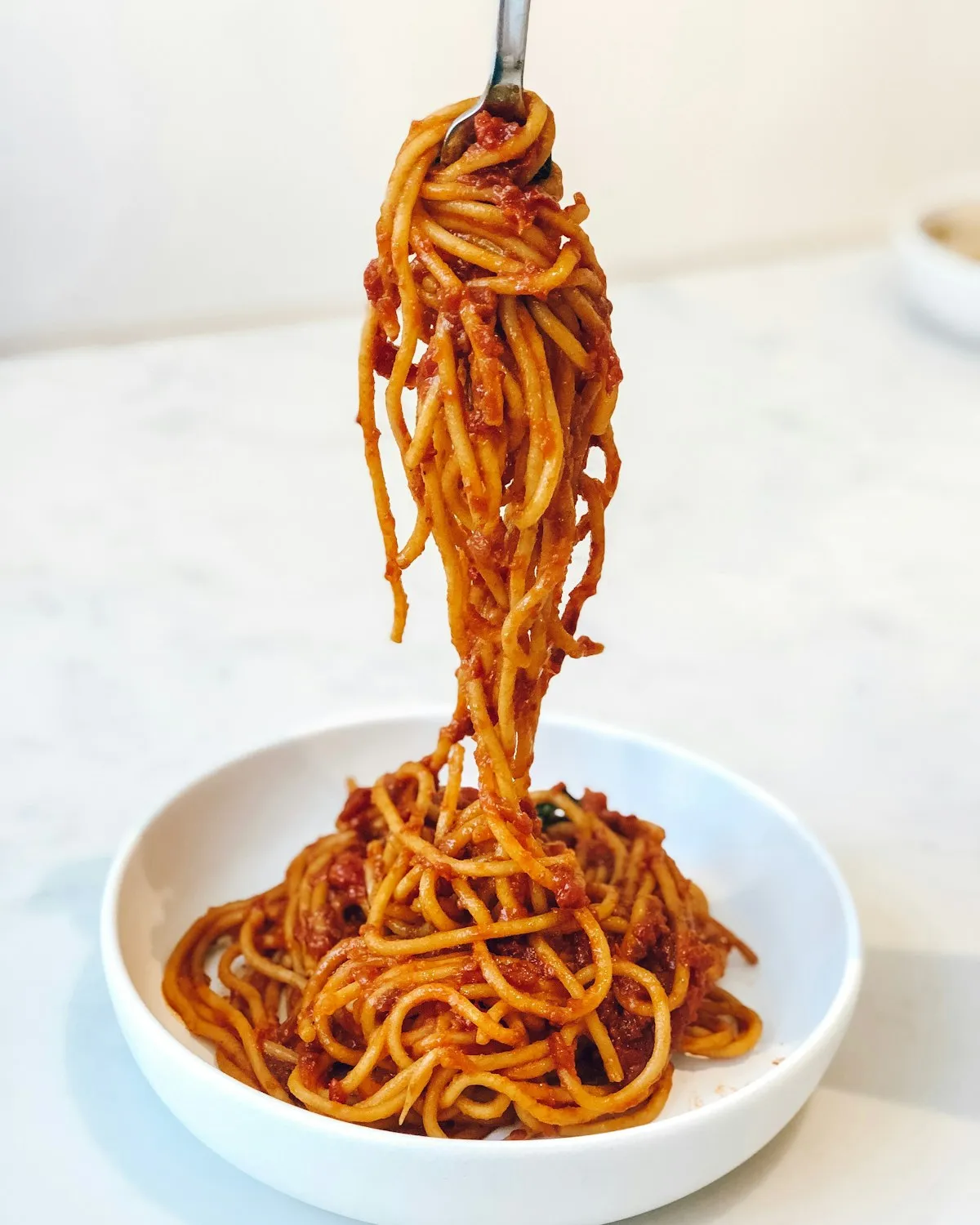
- The "Noodle" Alternative: Don't just settle for zoodles. Try shirataki (konjac) noodles for a zero-carb pasta substitute that picks up the flavor of whatever sauce you’re using. They are perfect for when you need keto recipes for beginners that actually feel like comfort food.
Perfect Pairings: Balancing the Richness
Keto food is naturally rich, which can sometimes lead to "palate fatigue." To fix this, you need to use acidity and crunch to cut through the fat.
- Acidity is Your Best Friend: If you’re serving a fatty piece of pork or a creamy casserole, pair it with a side that has a sharp vinegar base or a squeeze of fresh lemon. A simple arugula salad with a lemon-tahini dressing can transform a heavy meal into something balanced.
- Cruciferous Crunch: Since you aren't eating potatoes or rice, use roasted cauliflower or charred broccoli to add texture. The slight bitterness of charred greens like kale or Brussels sprouts works beautifully against the sweetness of animal fats.
- The Fermented Edge: A small side of kimchi or sauerkraut not only provides a punchy flavor contrast but also supports the gut health that can sometimes take a hit when you significantly change your fiber sources.
FAQ: Solving the "What Ifs"
What if I accidentally eat too many carbs?
Don't beat yourself up. Your body is a biological machine, not a moral judge. One high-carb meal won't ruin your progress forever, but it will kick you out of ketosis. To fix it, simply return to your low-carb plan immediately. Avoid the "I already failed, might as well eat the whole cake" mentality. Drink extra water, get some light movement in to burn off that extra glycogen, and you'll be back in the fat-burning zone in no time.
What if I'm not losing weight despite being in ketosis?
Ketosis is a metabolic state, not a guarantee of weight loss. Calories still matter. If you are eating 4,000 calories of macadamia nuts a day, you likely won't lose weight. Check your portions of "hidden calorie" items like heavy cream, cheese, and oils. Also, ensure you aren't over-relying on air fryer recipes that might be breaded in high-calorie nut flours.
What if I can't stop thinking about bread?
This is usually a sign of one of two things: you're under-eating salt, or your brain is still addicted to the dopamine hit of sugar. Make sure your electrolyte levels are solid. If the cravings persist, try "masking" the texture. Often, we don't miss the bread as much as we miss the vehicle for the butter or the crunch of the toast. Use large lettuce leaves for wraps or bake some parmesan crisps to satisfy that need for a crunch.
What if I have no energy for my workouts?
In the first 2–4 weeks, your body is literally learning how to use a new fuel source. It’s like trying to run a diesel engine on gasoline. Give yourself grace. Switch to lower-intensity steady-state cardio or mobility work until you become "fat-adapted." Once your body gets efficient at burning fat, your endurance will likely actually improve.
{“@type”:”BlogPosting”,”image”:[“https://cdn.marblism.com/p1KvqGXbDqO.webp”],”author”:{“name”:”Cookpedia”,”@type”:”Organization”},”@context”:”https://schema.org”,”headline”:”7 Mistakes You’re Making with Keto Recipes for Beginners (and How to Fix Them)”,”publisher”:{“logo”:{“url”:”https://cookpedia.com/logo.png”,”@type”:”ImageObject”},”name”:”Cookpedia”,”@type”:”Organization”},”mainEntity”:{“@type”:”FAQPage”,”mainEntity”:[{“name”:”What if I accidentally eat too many carbs?”,”@type”:”Question”,”acceptedAnswer”:{“text”:”Return to your low-carb plan immediately. One meal won’t ruin your progress forever, but you need to get back on track to re-enter ketosis.”,”@type”:”Answer”}},{“name”:”What if I’m not losing weight despite being in ketosis?”,”@type”:”Question”,”acceptedAnswer”:{“text”:”Calories still matter. Check your portions of high-calorie foods like nuts, cheese, and added oils.”,”@type”:”Answer”}},{“name”:”What if I have no energy for my workouts?”,”@type”:”Question”,”acceptedAnswer”:{“text”:”Your body is adapting to a new fuel source. Reduce intensity for 2-4 weeks until you become fat-adapted.”,”@type”:”Answer”}}]},”description”:”Discover the most common keto mistakes beginners make and how to fix them with science-backed tips for success and quick healthy meals.”,”datePublished”:”2026-06-25″,”mainEntityOfPage”:{“@id”:”https://cookpedia.com/7-keto-mistakes-beginners”,”@type”:”WebPage”}}