Recipe
Servings
4 people 1×
Serves 4 peoplePrep 2 minCook 8 minTotal 10 min
Ingredients
- Avocado
- Lemon
- Lime
- Honey
- Hard cheese
- Cooking oil
- Salt
- Black pepper
Method
- Prepare the ingredients described in the article and heat the cooking surface or oven as directed.
- Cook the main ingredients using the heat and timing guidance in the article.
- Finish with the seasonings and garnishes named in the article, then serve.
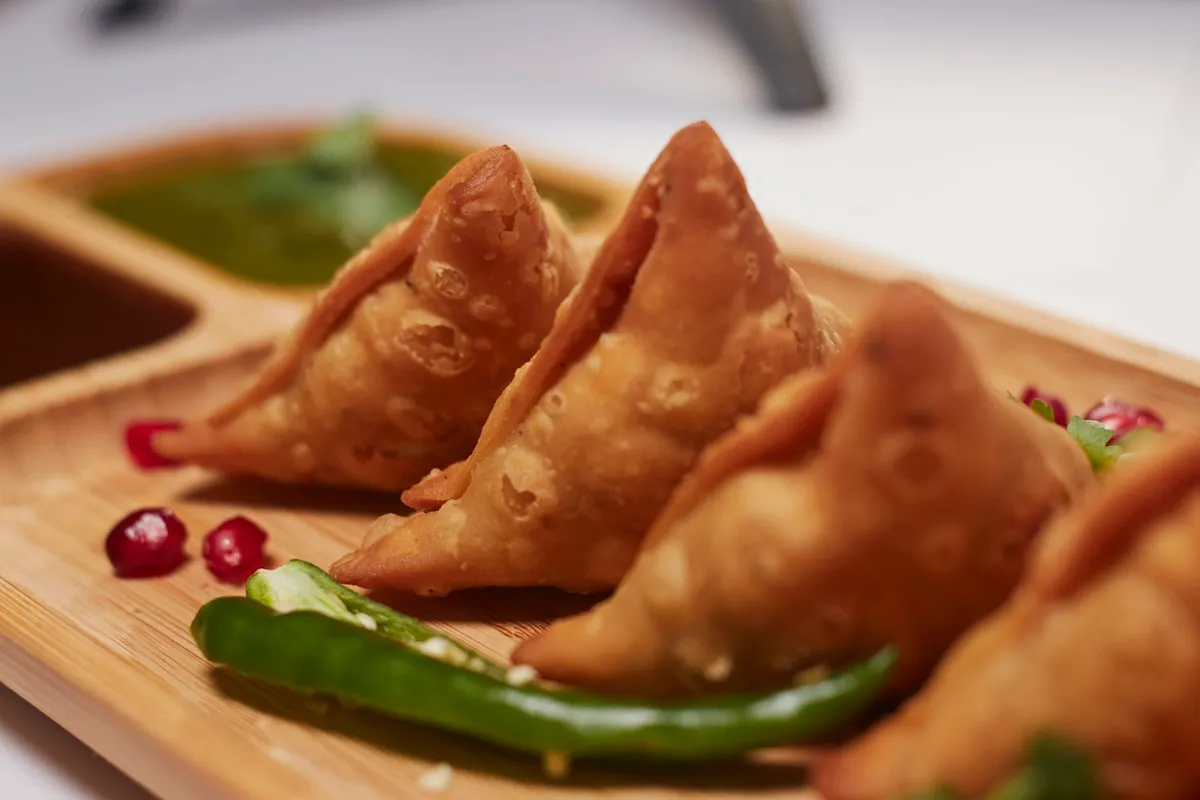
If you’ve never played the culinary version of Russian Roulette, allow me to introduce you to the shishito pepper. Roughly one in every ten of these slender, wrinkled green gems packs a surprising punch of heat, while the other nine remain mild, sweet, and smoky. It’s the ultimate dinner party icebreaker. But to get that perfect, restaurant-quality char without standing over a splattering cast-iron skillet, we have to look toward the heavens: or at least toward the high-velocity fan in your kitchen.
The air fryer isn’t just a convenience; it’s a high-precision convection laboratory. When it comes to shishitos, we are using it to manipulate thermal energy in a way that traditional ovens simply can’t match.
The Science of the Blister: Why High-Heat Convection Wins
To understand why the air fryer is superior for these peppers, we need to talk about the boundary layer. When you place food in a standard oven, a thin layer of stagnant, cooler air surrounds it, acting like a thermal blanket. This slows down heat transfer. In an air fryer, the fan moves air at high speeds, effectively stripping away that boundary layer. This is known as forced convection, and it’s the secret to achieving that characteristic “blister” before the interior of the pepper turns to mush.
Thermal Expansion and the Internal “Pop”
Shishito peppers are unique because they are thin-walled and often cooked whole. As the air fryer hits that 400°F sweet spot, the air trapped inside the pepper begins to heat up. According to the Ideal Gas Law, as the temperature of that trapped air increases, so does its volume and pressure.
You’ll hear it before you see it: a rhythmic popping and sizzling sound coming from your basket. This is the internal pressure forcing the pepper to expand and, eventually, tiny vents in the skin to fail. This internal steam-pressure cook, combined with the external dry-heat blast, creates a beautiful contrast: a tender, slightly chewy interior and a charred, paper-thin exterior.
The Maillard Reaction vs. Carbonization
We aren’t just looking for heat; we’re looking for flavor. The dark spots on a perfectly cooked shishito aren’t just “burnt”: they are the result of the Maillard reaction. This chemical reaction between amino acids and reducing sugars happens rapidly under high-heat convection. Because the air fryer removes moisture from the surface of the pepper skin almost instantly, the Maillard reaction can kick in much faster than it would in a slower, more humid cooking environment.
Pro Tip: The Oil Micronized Shield
While we often market the air fryer as “oil-free,” shishitos demand a light coating. Why? Physics. Oil is a much more efficient heat conductor than air. By coating the peppers in a thin film of oil, you create a medium that transfers the heat from the rushing air directly into the skin with surgical precision. Use an oil with a high smoke point: avocado or grapeseed are your best bets: to avoid acrid flavors when you’re pushing the machine to its limits.
Flavor Variations: Balancing the Heat
Once you’ve mastered the physics of the blister, the chemistry of the seasoning comes into play. Shishitos are a blank canvas for healthy dinner ideas, but they require a balance of salt, acid, and umami to truly shine.
- The Umami Bomb: Toss your blistered peppers in a mixture of white miso and honey. The sugars in the honey will further caramelize under the residual heat, while the miso provides a fermented depth that complements the smoky char.
- The Tokyo Classic: A heavy dusting of Togarashi (Japanese seven-spice) and a squeeze of fresh lime. The citric acid cuts through the oil and brightness the earthy flavor of the pepper.
- The Mediterranean Twist: Fresh lemon zest, flaky sea salt, and a dusting of aged Parmesan. The salt doesn’t just season; it acts as a desiccant, drawing out the last bit of surface moisture to keep that skin “crispy-chewy.”
Side Dish Pairings: Creating a Cohesive Plate
Shishitos are rarely the main event, but they are the ultimate supporting actor for quick family meals. Because they have a distinct bitterness and smoky profile, you want to pair them with dishes that offer creaminess or high protein density to ground the meal.
- Creamy Contrast: Serve them alongside a cool, garlic-heavy aioli or a tahini-based dip. The fats in these sauces help neutralize the capsaicin if you happen to bite into one of the “lucky” spicy ones.
- Protein Power: They are the perfect accompaniment to fatty fish or steak. The acidity of a well-seasoned shishito acts as a palate cleanser between bites of rich protein. If you’re looking for a full spread, consider serving these alongside our 15-minute Thai prawn noodles or a bowl of teriyaki tofu.
- Starch Balance: For a more rounded meal, pair the peppers with something neutral and starchy. They are a fantastic “side-to-the-side” for our creamy garlic parmesan pasta, where the peppers provide a needed textural break from the silkiness of the sauce.
Frequently Asked Questions (FAQ)
Why are my peppers soggy instead of blistered?
Soggy peppers are almost always a result of overcrowding. If you pile the peppers three layers deep, the air cannot circulate freely. Instead of convection, you get steaming. The moisture escaping from the bottom peppers gets trapped by the ones on top, resulting in a limp, sad vegetable. Cook in a single layer, or at most, a very loose double layer with a vigorous shake halfway through.
Do I need to prick the peppers before air frying?
In a traditional deep fryer, you might prick them to prevent an “explosion.” In an air fryer, the heat is intense but the medium (air) is less dense than oil. Keeping them whole allows the internal pressure to build, which actually helps the blistering process. Let the physics work for you; don’t poke the peppers.
Can I use frozen shishitos?
You can, but you shouldn’t. Frozen vegetables suffer from cell wall rupture due to ice crystal formation. When you thaw or cook them, they release a significant amount of water. In the time it takes for that water to evaporate so blistering can begin, the pepper will have overcooked and lost its structural integrity. For air fryer recipes dinner success, fresh is the only non-negotiable.
Are the seeds edible?
Absolutely. Shishito seeds are tiny and soft. Attempting to de-seed these peppers would be a feat of patience that yields very little reward. The seeds also contain a small amount of oil that contributes to the overall flavor profile when heated.
How do I know when they are done?
Don’t rely solely on the timer. Listen for the popping, and then look for the “deflation.” A perfectly blistered shishito will look inflated and tight in the basket, but as soon as it hits the cooler room air, it will slightly collapse and wrinkle. That wrinkling is the sign of a successful thermal transition.
Cooking shishitos in the air fryer is one of the most efficient ways to bring high-end technique into your home kitchen. It’s fast, it’s scientifically fascinating, and it’s one of those rare healthy dinner ideas that feels like a decadent snack. Just remember: trust the fan, don’t crowd the basket, and be prepared for that one-in-ten spicy surprise!