Recipe
Servings
12 cups 1×
Serves 12 cupsPrep 15 minCook 15 minTotal 30 min
Nutrition per serving
Ingredients
- 1 lb fresh salmon fillet skin removed and cut into small cubes
- 5 cups cooked sushi rice seasoned with rice vinegar and a pinch of sugar
- 3 sheets nori cut into 4 squares each (12 total)
- 2 tbsp Kewpie mayo plus extra for drizzling
- 1 tbsp Sriracha adjust to your heat preference
- 1 tbsp soy sauce or tamari for gluten-free
- 1 tsp sesame oil
- garnish Furikake, green onions, and avocado slices
Method
- Preheat your oven to 400°F (200°C).
- Lightly grease a muffin tin with cooking spray.
- In a bowl, toss the cubed salmon with Kewpie mayo, Sriracha, soy sauce, and sesame oil until evenly coated.
- Press one square of nori into each muffin cup.
- Wet your fingers slightly and press about 2 tablespoons of sushi rice into the bottom of each nori cup.
- Spoon the salmon mixture on top of the rice.
- Bake for 12-15 minutes, or until the salmon is cooked through and the tops are slightly golden.
- Remove from the oven and let cool for a few minutes.
- Top with sliced avocado, a drizzle of extra spicy mayo, furikake, and fresh green onions.
If a sushi roll and a baked comfort snack had a very clever little kitchen baby, this would be it. On my blog, I love recipes that look playful but have a lot going on under the surface, and these baked salmon sushi cups absolutely qualify. They are tidy, satisfying, and a lot more interesting than they first appear. Beneath the cute muffin-tin shape, there is real food science at work: protein behavior in salmon, heat transfer in a metal pan, starch changes in rice, and the surprisingly heroic engineering of nori.
Why These Little Cups Are More Than a Trend
A lot of viral food comes and goes because it looks good for ten seconds and then eats like disappointment. These cups are different. They work because each component solves a structural or sensory problem. The salmon delivers fat, protein, and savory depth. The rice acts as both a starch base and a binding layer. The nori provides a thin but important outer shell that gives shape, contrast, and that unmistakable ocean-salty character.
From a sensory point of view, the appeal is easy to explain. Human beings generally like contrast. Warm and cool. Crisp and tender. Rich and bright. These cups hit several of those buttons at once, which is why they feel a little fancier than the effort they seem to require. They also sit in that sweet spot between snack, lunch, and party food. In the weird modern internet world where one recipe is expected to serve as dinner, meal prep, and social media bait, that is honestly impressive.
And yes, I know the SEO world sometimes insists everything must somehow also be filed beside easy breakfast recipes, healthy dinner ideas, and quick family meals. The internet can be a chaotic place. Still, this dish earns attention because the format is smart, not just because it photographs well.
The Biochemical Properties of Salmon
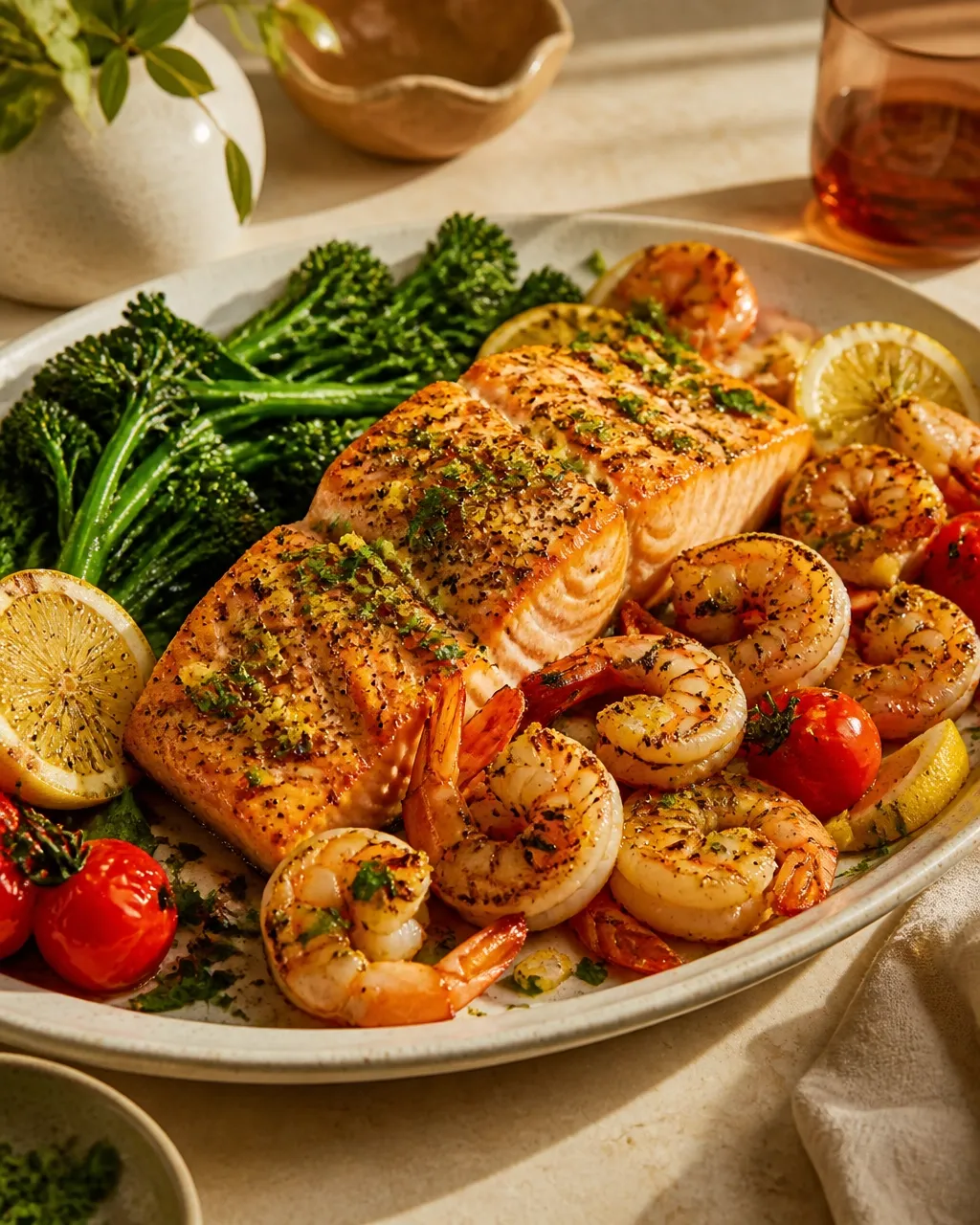
Let’s start with the star of the show. Salmon is rich in muscle proteins, connective tissue, water, and lipid content, especially omega-3 fatty acids. That fat is a huge part of why salmon behaves so beautifully under heat compared with leaner fish. It has a built-in cushion. As temperature rises, the muscle proteins begin to denature, meaning they lose their native folded structure. That sounds dramatic, but it is just the normal process that turns translucent raw flesh into opaque, flaky cooked fish.
Two protein groups matter most here: myofibrillar proteins and connective proteins. As heat moves inward, the proteins tighten, squeeze out moisture, and firm up. If the heating stays moderate and controlled, the fish becomes tender and separates into delicate flakes. If the thermal load goes too far, moisture loss accelerates and the texture shifts from lush to sad in a hurry. Salmon is generous, but it does have limits.
Its lipid profile also changes the eating experience. Fat carries flavor compounds and creates a soft mouthfeel, which is why cooked salmon can still taste rich even when served in a compact form like these cups. The fatty acids do more than make it delicious; they also affect heat perception on the palate, making the fish feel less dry and more rounded. In plain English: the natural fat helps save the day.
Another useful detail is that salmon contains pigments called carotenoids, especially astaxanthin, which give it that orange-pink color. During cooking, the visual change is not as extreme as with some white fish, but it still signals protein coagulation and moisture redistribution. That color stability is one reason salmon remains visually appealing after baking. It does not come out looking washed out or apologetic.
Thermodynamics of Baking in a Muffin Tin
The muffin tin is not just a cute serving trick. It changes the thermal environment in a very practical way. A metal tin conducts heat efficiently, which means energy moves from the hot oven air into the pan and then directly into the food at the points of contact. That matters because conduction from the pan helps set the base and edges faster than oven air alone would.
In a flat tray arrangement, ingredients tend to spread and heat less uniformly. In a muffin cavity, the food is partially enclosed, which changes airflow, radiant exposure, and local moisture retention. You get a tiny cooking chamber in each cup. The outer surfaces facing the metal receive more direct conductive heating, while the upper surface is exposed to convective hot air. That combination creates textural zoning: firmer around the edges, softer through the center, and often slightly crisp at the highest exposed corners.
The geometry of the cup also affects moisture migration. As salmon heats, water is released. Rice, being hygroscopic and starchy, can absorb some of that migrating moisture. Meanwhile, the nori acts as a thin barrier, though not a permanent one. In effect, the system becomes a small balancing act between dehydration and steam-softening. The best result happens when enough heat reaches the exposed parts of the nori to dry and crisp them before the surrounding moisture fully compromises their structure.
This is why the format feels so satisfying. The muffin tin promotes shape retention, portion uniformity, and controlled thermal exposure. It is kitchen physics wearing party clothes.
Sushi Rice and Starch Gelatinization
Sushi rice earns its place here because of starch composition. Short-grain rice contains a starch balance that favors stickiness after cooking, largely due to the behavior of amylopectin and, to a lesser degree, amylose. When rice is heated with water, the starch granules absorb moisture and swell. At a certain temperature range, they lose their crystalline order and begin gelatinizing. That is the key transformation. Firm raw granules become soft, cohesive, and able to cling together.
This matters a lot in a recipe shaped like a cup. You need the rice to act as a semi-structured matrix rather than a loose pile. Once gelatinized, the starch creates a tacky network that helps the grains hold together under light pressure. In other words, the rice becomes architecture.
Seasoning also affects perception and structure in a sneaky way. Acid from vinegar brightens flavor, but it can also subtly influence the way the rice presents itself on the palate, making it seem less heavy. Sugar and salt modify water activity and flavor balance, helping the starch base taste intentional instead of plain. That is why properly seasoned sushi rice tastes complete, while unseasoned rice under the same topping just tastes like it forgot its lines.
There is also a second phase worth noting. As cooked rice cools, starch retrogradation begins. Some of the gelatinized starch molecules start reorganizing into a more ordered structure, which firms the rice. That is useful up to a point because it helps the cups keep their shape. But go too far into chilling and reheating, and the texture can become tougher or drier. Rice is cooperative, not magical.
Nori and Structural Integrity
Nori looks delicate because it is delicate, but it is not useless. It behaves like a thin laminated sheet made from compressed marine plant material, and its performance depends heavily on moisture exposure. In dry form, it is crisp and brittle. Introduce water, steam, or humid fillings, and it softens quickly as it absorbs moisture from the surrounding ingredients and air.
That sounds like a flaw, but in this format it is actually part of the appeal. The lower areas in contact with rice tend to soften first, becoming flexible enough to conform to the muffin cavity. The exposed upper edges, however, are more likely to dehydrate during baking and remain crisp. This creates a gradient in texture: tender where support is needed, crisp where contrast is wanted.
Structurally, nori does not provide heavy load-bearing strength. It is more like an edible wrapper that contributes shape definition and fracture contrast. The rice is doing most of the serious construction work. Still, without nori, the whole thing loses identity. It would just be a baked rice-and-salmon bite. Perfectly fine, but no longer a sushi cup.
Why the Whole System Works
What I like most about this dish is that it is a small edible system where each part compensates for another part’s weakness. Salmon brings richness but can dry out; the compact cup format limits overexposure and keeps portions even. Rice can feel dense; the vinegar-led seasoning and flaky fish keep it lively. Nori can soften; exposed edges regain contrast through dehydration in the oven.
That balance is why these cups feel more polished than a lot of trendy food mash-ups. They are not random. They are thermally and texturally sensible. The result lands somewhere between comfort food and novelty, which may explain why recipes like this can sit awkwardly but successfully beside search terms such as brunch ideas recipes, make ahead breakfast recipes, and meal prep ideas for weight loss even though they are clearly doing their own thing.
And because the internet refuses to stay in one lane, recipes like this also get shoved next to savory breakfast casserole, cornbread recipes, keto recipes for beginners, air fryer recipes dinner, slow cooker recipes healthy, vegan breakfast ideas easy, 15 minute meals for busy families, comfort food recipes easy, and best homemade bread recipe. I won’t pretend that all of those belong in the same culinary family reunion, but that is SEO for you.
Serving and Storage Notes
These are at their best when the textural contrast is still alive: warm salmon, cohesive rice, and nori that has not fully surrendered to ambient moisture. With time, steam redistribution softens the crisp edges and reduces the snap. The flavor remains good, but the architecture becomes less dramatic.
For storage, the main quality challenge is moisture migration. Fish releases moisture, rice absorbs and redistributes it, and nori pays the emotional price. Reheating can restore some exterior firmness, especially with dry circulating heat, but it will never be exactly like the first round out of the oven. That is not failure. That is food being honest.
FAQ
Why does salmon turn flaky when baked?
Because heat denatures the muscle proteins and changes how they hold water. As those proteins tighten and coagulate, the flesh firms up and begins separating along its natural muscle segments. That is the flake. If heating goes too far, the same process keeps squeezing out moisture, and the fish becomes dry instead of tender.
Why is sushi rice better here than regular long-grain rice?
Short-grain rice has a starch profile that becomes stickier after gelatinization. That helps it hold shape and function almost like an edible binder. Long-grain rice tends to cook into more separate, drier grains, which makes the cups more likely to crumble or feel disconnected.
What exactly is starch gelatinization?
It is the process where starch granules absorb water and swell when heated. As they heat up, their internal structure breaks down and they become soft, sticky, and able to form a cohesive network. In this recipe, that is what helps the rice act like a stable base instead of loose grains.
Why does the nori get crisp in some places and soft in others?
It comes down to moisture exposure and heat. Sections touching moist rice absorb water and soften. Edges exposed more directly to hot air lose moisture and crisp up. So the same sheet can be chewy at the bottom and crisp at the top, which is actually part of the charm.
Why does a muffin tin work better than a flat tray?
The cavities create individual thermal zones. The metal transfers heat efficiently to the sides and bottom, while the top remains exposed to circulating oven air. That improves shape retention, portion consistency, and textural contrast. Basically, the tin is doing some engineering for you.
Can these be made ahead?
Partly, yes, but quality depends on what you mean by “made ahead.” The components hold up better than the fully assembled cups. Once assembled and baked, moisture starts moving between the salmon, rice, and nori. That means texture slowly shifts, especially in the seaweed. They are still enjoyable later, just less crisp and dramatic.
Are these actually healthy?
They can fit nicely into healthy dinner ideas territory because salmon offers protein and beneficial fats, and the portion size is naturally controlled. That said, “healthy” depends on the whole plate, the toppings, and how often you are treating spicy mayo like a personality trait. Balance still matters.
Why do recipes like this go viral?
Because they combine visual appeal with familiar flavors and low intimidation. People see a recognizable format, a fun shape, and a payoff that looks bigger than the effort. The better question is why some viral recipes survive repeat cooking. This one does because the food science behind it is surprisingly solid.
Final Thoughts
These baked salmon sushi cups are fun, yes, but they are also a neat reminder that good cooking is often just chemistry and physics dressed up as dinner. Salmon proteins transform under heat, rice starch becomes structure, nori shifts with moisture, and the muffin tin quietly controls the whole thermal stage. I love that. It is playful food with a serious backbone.
So while this may look like a cute internet recipe, it behaves like a smart little edible system. And frankly, I respect that.