Recipe
Servings
Servings 1×
Ingredients
- Tofu
- Beans
- Quinoa
- Noodles
- Rice
- Cauliflower
- Broccoli
- Green beans
- Mushrooms
- Peas
- Cucumber
- Garlic
- Fresh ginger
- Lime
- Cooking oil
- Soy sauce or tamari
- Sesame
- Chili seasoning
Method
- Keep the heat high enough to sear, but don’t let sugary sauce hit the pan too early.
- Let the tofu build color first.
- Heat management is the final pillar of the science.
- Use a larger skillet, fry in batches, or accept mediocrity.
- Stir-frying is a high-velocity sport.
- Add the sauce near the end so it reduces into a glaze instead of burning into chili cement.
You have fifteen minutes. The kids are hovering, your inbox is pinging, and your stomach is starting to sound like a construction site. This is the moment where most people surrender and call for takeout, only to wait forty minutes for a soggy box of disappointment. Stop that. Put the phone down. I’m going to show you how to master the ultimate vegan powerhouse that is faster than a delivery driver finding your house. This spicy sriracha tofu stir-fry isn’t just a "good for being vegan" meal; it’s a high-impact, flavor-shattering victory for anyone who needs quick family meals that actually taste like they came from a professional kitchen.
We are talking about texture that defies logic, crispy on the outside, pillowy on the inside, and a sauce that hits every single taste receptor with precision. It’s bold, it’s vibrant, and it’s about to become your secret weapon for the busiest nights of the week. Better yet, it works because actual kitchen science is doing the heavy lifting. Sriracha doesn’t just make food “spicy”; it changes how you experience flavor. Tofu doesn’t just “get crispy”; it browns because moisture leaves, proteins reorganize, and heat finally gets a chance to do its glorious work. If you want one of those healthy dinner ideas that feels far more dramatic than the ingredient list suggests, this is the one to keep in your back pocket.
What makes this particular stir-fry fun is the way the sauce and tofu cooperate like two overachievers in a school project. Tofu is rich in soy proteins, and those proteins give the sauce something to grab onto once the surface has dried and browned. Pressing removes water, yes, but it also changes the eating experience because it tightens the structure enough for the tofu to hold its shape under high heat. Less free water means less steaming, more direct contact with the pan, and a much better chance of building a flavorful crust before the glaze goes in. In plain English: press your tofu or accept beige sadness.
There’s also a neat flavor effect happening once sriracha meets hot, browned soy protein. Capsaicin, the spicy compound in chili peppers, doesn’t chemically bond with tofu in some superhero way, but it does cling better to a dry, textured surface than to a slick, wet one. Once the tofu browns, you get more microscopic roughness and more concentrated surface flavor. That means the spicy glaze spreads more evenly, hangs on longer, and tastes less like hot sauce sitting on top of tofu and more like the tofu itself got a spicy personality transplant. That’s the goal.
The Chemistry of the Crunch: Why Your Tofu Usually Sucks
If you’ve ever ended up with a pile of gray, spongy tofu cubes, you didn’t fail; you just ignored physics. The secret to a world-class stir-fry isn't in the brand of tofu you buy; it’s in how you handle moisture. Tofu is essentially a protein sponge. If you try to sear a wet sponge, you aren’t frying; you’re steaming. Steam is the enemy of flavor, and yes, it is rude.
To achieve that legendary golden crust, we have to lean into the Maillard reaction. This is the chemical dance between amino acids and reducing sugars that occurs when food hits high heat. In tofu, this reaction generally starts kicking into gear between 140°C and 165°C. However, water boils at 100°C. As long as there is surface moisture on your tofu, the temperature will never rise above that boiling point. The energy from your stove will be wasted turning water into steam rather than browning your protein. This is why you must press your tofu. Even ten minutes of heavy pressure can expel enough liquid to allow the Maillard reaction to do its job, and thirty minutes is even better if your tofu seems especially waterlogged and dramatic.
The important part here is not just “dry tofu equals crispy tofu.” It’s that browning needs direct, sustained contact with heat. Wet tofu cools the pan, releases more moisture, and delays crust formation. Dry tofu browns because the surface can finally dehydrate, heat can rise fast enough, and proteins and sugars can start making all those roasted, savory flavor compounds your brain interprets as “wow, that tastes expensive.” This is why pale tofu tastes flat even when the sauce is good. Browning builds depth before the sauce ever shows up.
But we don’t stop at just pressing. To really hack the system, use a sacrificial layer: starch. When you toss your tofu in a light coating of cornstarch or arrowroot, you’re creating a moisture-wicking barrier. As the tofu hits the hot oil, the starch granules absorb residual surface moisture, swell, and then set into a delicate shell. That shell gives you crunch, but it also creates more nooks and edges, which means more browning and better sauce adhesion. Without it, your sauce just slides off like water off a duck's back, and your tofu misses its chance to become the main character.
Also, don’t confuse browning with burning. Browning is controlled flavor development. Burning is your pan telling you that you got distracted by your phone. Keep the heat high enough to sear, but don’t let sugary sauce hit the pan too early. Sugar caramelizes and then scorches fast. Let the tofu build color first. Add the sauce later. This is not me being fussy; this is a non-negotiable.
Heat management is the final pillar of the science. Most home cooks underheat their pans. You want your oil shimmering, almost at the smoke point. When the tofu hits the pan, you should hear a roar, not a whisper. That immediate thermal shock helps set the exterior and reduces sticking. Then leave it alone for a minute. Stop poking it. Constant stirring prevents crust formation because the surface never gets enough uninterrupted contact with the pan. If you want deeply browned tofu, patience is part of the recipe whether you like it or not.
Pan crowding is the other classic tofu crime. If the pieces are packed too tightly, trapped steam builds between them and your beautiful sear turns into a damp group project. Use a larger skillet, fry in batches, or accept mediocrity. Those are the choices.
Pressing deserves one more moment of respect because it does more than help with crispness. Tofu is basically a gel network of soy proteins and water. When you press it, you squeeze out some of that trapped water and compact the structure a bit. That tighter network is why pressed tofu feels springier, sturdier, and more capable of surviving an aggressive stir-fry without crumbling into expensive soy gravel. It also leaves more room for surface browning to matter, because now the exterior can dry fast enough to actually react to heat instead of just sweating in the pan.
That structure matters when the sriracha glaze arrives. Soy proteins on the tofu’s surface denature further as they cook, which changes their texture and helps create a firmer, more grippy exterior. Then the sauce reduces, the sugars concentrate, and the capsaicin-rich glaze settles into all those browned ridges and craggy edges. This is why well-pressed tofu tastes more integrated and more intensely seasoned. The sauce doesn’t just coat it; it catches on the browned surface and stays there. If you’re looking for healthy dinner ideas that don't compromise on that crisp, pan-fried bite, this high-heat, low-oil method is your gold standard. Check out our guide on The Starch Emulsion Secret to see how these principles apply to other kitchen classics.
Sizzling Science: Capsaicin, Glaze, and the Art of the Toss
Stir-frying is a high-velocity sport. In a professional kitchen, they call it wok hei or "breath of the wok," which is a combination of caramelization, smoking oil, and the intense heat of the flame. At home, we simulate this by working in small batches. Never crowd the pan. If you dump too much in at once, the temperature of the pan drops, the moisture releases, and suddenly you’re boiling your dinner again. Stay firm on this: fry in two batches if you have to.
Now let’s talk about the reason sriracha feels like it walks into the room wearing sunglasses. Its heat comes from capsaicin, the compound in chili peppers that binds to TRPV1 receptors in your mouth. Those receptors are designed to detect heat and physical abrasion, so when capsaicin hits them, your brain gets the message: “something hot is happening.” Nothing is actually on fire, but your nervous system doesn’t care about technicalities. That’s why spicy food can make you sweat, reach for water, and question your life choices for exactly three seconds before taking another bite.
Capsaicin is also oil-soluble, which matters in a stir-fry. It disperses more effectively when it meets hot oil, and that helps spread the heat across the dish rather than delivering one chaotic, face-punching mouthful followed by three bland ones. The fat from oil, plus the sugars and acids in the sauce, smooth the edges of the heat. Translation: the spice feels rounder, fuller, and more intentional. This is why sriracha tastes sharper on a plain spoon than it does when glazed over browned tofu with aromatics and soy.
The sriracha sauce itself is a study in balance. Sriracha brings the heat from capsaicin, acidity from vinegar, sweetness from sugar, and garlic for aromatic depth. To make this a "powerhouse," you need to support all of that with a little more sweetness and a hit of umami from soy sauce or liquid aminos. Sweetness doesn’t cancel heat, but it changes your perception of it. Acidity brightens the whole pan and keeps the sauce from tasting muddy. Umami fills in the middle so the dish tastes savory, not just spicy. This is how you build flavor that actually lands.
And here’s the extra nerdy bit that actually helps you cook better: soy protein changes the way the heat feels on your tongue. Not by removing capsaicin, sadly, but by giving it a savory backdrop and physical surface to ride on. When capsaicin is suspended in an oily, slightly sticky glaze and spread over browned tofu, the spice feels more rounded and less jagged than raw hot sauce straight from the bottle. The protein-rich tofu also slows the overall bite experience because you chew it more, and that changes how the heat arrives. Instead of a quick blast and fade, you get a slower build with better flavor definition. It’s spicy, but organized. We like organized.
Timing matters here too. Add the sauce near the end so it reduces into a glaze instead of burning into chili cement. When the sauce meets the hot pan, water evaporates fast, the dissolved sugars concentrate, and the mixture thickens until it clings to the tofu and vegetables. That glossy finish isn’t magic. It’s reduction. It’s also why a watery sauce tastes flat and a slightly reduced one tastes like you know what you’re doing.
If the heat feels aggressive, don’t panic and definitely don’t drown the whole thing in random extra liquid. Pair the spice with cooling or buffering ingredients instead. Rice, noodles, or a crisp vegetable side help dilute capsaicin across each bite. A little sweetness softens the attack. A creamy element on the side can calm things down even more because capsaicin dissolves better in fat than in water. Water is mostly moral support here.
One more thing: keep your vegetables crisp. The contrast between blistered tofu, glossy sauce, and snappy vegetables is what keeps the dish exciting. A stir-fry that is uniformly soft is just a very efficient way to make dinner boring. If you need quick family meals that still feel fresh and punchy, this is the texture balance to chase. If you love this speed, you'll definitely want to see our 15-Minute Thai Prawn Noodles.
Dialing the Heat: Variations to Suit Every Palate
Cooking is a conversation, not a monologue. You should feel free to talk back to this recipe. While the sriracha version is my personal go-to for a metabolic wake-up call, there are plenty of ways to pivot based on what’s in your pantry or who is sitting at your table.
If you want to cut down on stovetop juggling, move the tofu portion to the air fryer. I’ve found that air fryer recipes dinner fans get a very reliable crust this way because the circulating hot air dries the exterior efficiently before the sauce ever enters the chat. The result is slightly less dramatic browning than a ripping-hot skillet, but excellent consistency and less splatter. That’s a fair trade on a Tuesday.
For those who want a deeper, sweeter kind of heat, swap the sriracha for gochujang. It brings fermentation, a little funk, and more body. The spice feels slower and broader compared with sriracha’s brighter, vinegar-forward kick. If you want a sharper, cleaner burn, use sambal oelek and adjust sweetness separately. If you want heat with almost no sweetness at all, add chili garlic sauce and let the soy-based elements carry the savory load.
Cooking for spice skeptics? Pull the sriracha back and build around ginger, garlic, and soy instead. You’ll still get aromatic punch and plenty of savory depth without sending anyone lunging for emergency rice. You can also add sweetness a touch more generously for a softer profile. It won’t be the same dish, but it will still be a very good one.
Vegetable-wise, the world is your oyster mushroom. Broccoli and bell peppers are classic because they hold texture well and stand up to the sauce, but shredded Brussels sprouts, snap peas, bok choy, or green beans all work. Just choose vegetables with different water contents and respect their timing. Add hard vegetables first and soft ones later. This is how you avoid the tragic all-mush finish that has ruined many a supposedly virtuous weeknight dinner.
For extra protein and chew, add edamame. For more richness, finish with sesame seeds or a drizzle of toasted sesame oil right at the end, not during the hard sear. For brighter contrast, use lime at the table so the acidity lifts the glaze instead of muting it during cooking. Small adjustments matter here. A stir-fry is fast, which means every choice has a louder voice.
The Perfect Partner: Side Dish Pairings
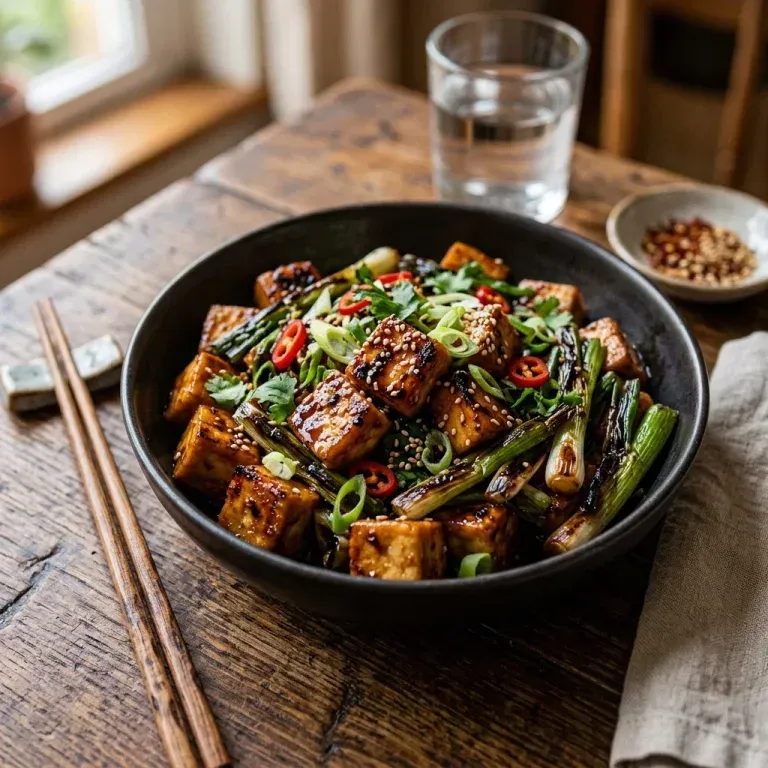
A great stir-fry needs a base that can absorb the extra sauce without becoming heavy. The obvious choice is jasmine rice, because its soft, fragrant grains catch the glaze without fighting the flavor. If you want something nuttier and a little more substantial, use brown rice. If you want more protein and a slightly firmer bite, quinoa works too. The point is simple: give the spicy, sticky tofu a neutral landing pad.
If you’re keeping things lighter, cauliflower rice is a solid option, but treat it properly. Cook off its excess moisture first or it will water down the sauce and make the whole plate feel soggy. That is not the kind of drama we want at dinner.
For contrast, pair this with something cool and sharp. A smashed cucumber salad is my first pick because its water content literally feels refreshing against the capsaicin burn, while rice vinegar and a little salt wake up your palate between bites. Crunchy slaw with lime also works well. The acidity cuts richness, and the raw vegetable crunch keeps the meal from feeling too soft or too intense.
If you want to round things out further, add lightly salted edamame or simple steamed greens. Keep the sides clean and restrained. This stir-fry already has plenty of personality. It does not need backup dancers in sequins. For more inspiration on balanced meals, browse our healthy category.
FAQ: Solving Your Stir-Fry Struggles
What if my tofu is still sticking to the pan?
This usually happens for three reasons: the pan wasn't hot enough, the tofu was still too wet, or you tried to move it too soon. Tofu releases naturally once a crust forms. If it sticks, wait another thirty seconds before interfering. Also check your pan surface. A well-heated skillet with enough oil creates better contact and better browning. A lukewarm pan creates heartbreak.
What if my tofu browns unevenly?
That usually means the pieces weren’t cut to a similar size, the pan had hot spots, or the tofu was crowded. Smaller pieces brown faster because they have more surface area relative to volume. If some cubes are giant and others are tiny, you’re basically running two different experiments at once. Keep the pieces uniform and give them space.
Can I use firm tofu instead of extra-firm?
You can, but it’s high-risk. Firm tofu has more water, so it takes longer to dry out and it breaks more easily during tossing. If firm is all you have, press it longer and handle it with more respect. Soft or silken tofu should not be used here unless your plan is to abandon the whole crisping mission and make something spoonable instead.
What if the sriracha tastes too harsh or too spicy?
That usually means the sauce needs balance, not less personality. Capsaicin heat can feel aggressive when it isn’t buffered by sweetness, fat, salt, and acidity in the right proportions. Add a touch more sweetness, serve it over rice, or pair it with a cooling side. Don’t just add water to the pan. Water spreads the sauce but doesn’t solve the heat in a satisfying way.
Why does water not really help with spicy food?
Because capsaicin is not water-soluble. It clings to receptors and dissolves more readily in fat than in water. That’s why creamy or rich foods calm chili heat better than a glass of plain water. Water can move capsaicin around your mouth, which is not the heroic rescue mission people think it is.
How do I make this more of a one-pan deal?
Use a large wok or skillet and cook in stages. Brown the tofu first, remove it, cook the vegetables, then bring everything together with the sauce at the end. Yes, it’s technically one pan. No, that does not mean throwing everything in at once and hoping for personal growth. Sequence matters.
Is this meal good for meal prep?
Sort of. Stir-fries are best fresh because the starch coating slowly absorbs moisture from the sauce and loses crispness. For quick family meals later in the week, store the tofu, vegetables, and sauce separately if you can. Reheat the tofu in the oven or air fryer before combining. That gives you the best shot at reviving texture.
Can I make the tofu in the air fryer instead?
Absolutely. It’s a great move if you want less active cooking or less oil splatter. Fans of air fryer recipes dinner setups love it because the hot circulating air dries and sets the starch coating nicely. You won’t get exactly the same skillet sear, but you will get dependable crisp edges and easy cleanup, which counts for a lot on busy nights.
What if I skip pressing because I’m in a rush?
You can, but the texture will tell on you. Unpressed tofu carries more surface and internal water, which means the pan spends more energy boiling off moisture before browning can even begin. That slows crust formation, weakens sauce adhesion, and makes the finished tofu feel softer and less satisfying. If you’re short on time, even a quick press is better than none. Give the tofu ten minutes under weight and let science meet you halfway.
Does sriracha actually interact with soy protein, or is that just food-writer drama?
It’s real, just less romantic than it sounds. Capsaicin doesn’t form some magical bond with soy protein, but browned soy protein gives the glaze a better surface to cling to. Pressed and seared tofu develops a drier, rougher exterior, and that helps the sticky, oil-carried sriracha mixture coat the tofu more evenly. The result is better flavor distribution and a more balanced heat in each bite.
Is it really a powerhouse of nutrition?
Absolutely. Tofu is a complete protein, and when you combine it with colorful vegetables you get fiber, phytonutrients, and a dinner that feels satisfying without being heavy. It’s one of those healthy dinner ideas that actually earns the label instead of tasting like nutritional punishment.
Don't let the simplicity fool you. This dish is about technique, timing, and the courage to turn the heat up. Once you see how easy it is to achieve that restaurant-quality sear in your own kitchen, you’ll never look at a block of tofu the same way again. Now get that pan hot; your fifteen minutes starts now.