Recipe
Servings
Servings 1×
Ingredients
- Steak
- Pasta
- Noodles
- Broccoli
- Spinach
- Peas
- Corn
- Onion
- Garlic
- Lemon
- Cream
- Hard cheese
- Butter
- Cooking oil
- Chili seasoning
- Salt
- Black pepper
Method
- Prepare the ingredients described in the article and heat the cooking surface or oven as directed.
- Cook the main ingredients using the heat and timing guidance in the article.
- Finish with the seasonings and garnishes named in the article, then serve.
Tuna pasta is the “I have groceries” meal you make when you… absolutely do not have groceries. It’s fast, it’s filling, and it leans hard on pantry staples that don’t judge you for forgetting to meal plan. This version is all about budget friendly recipes vibes: canned tuna, any pasta shape, and a simple, glossy sauce made from things you already paid for (hello, pasta water). If you like simple pasta recipes that don’t require a culinary degree or a $9 cheese, you’re in the right place.
The Budget Science: Make “Free Sauce” With Starch + Fat + Heat
The difference between “sad tuna noodles” and “wait… this is actually good” is mostly technique. Use these non-negotiables and you’ll get a silky sauce without cream, without jars, and without spending extra.
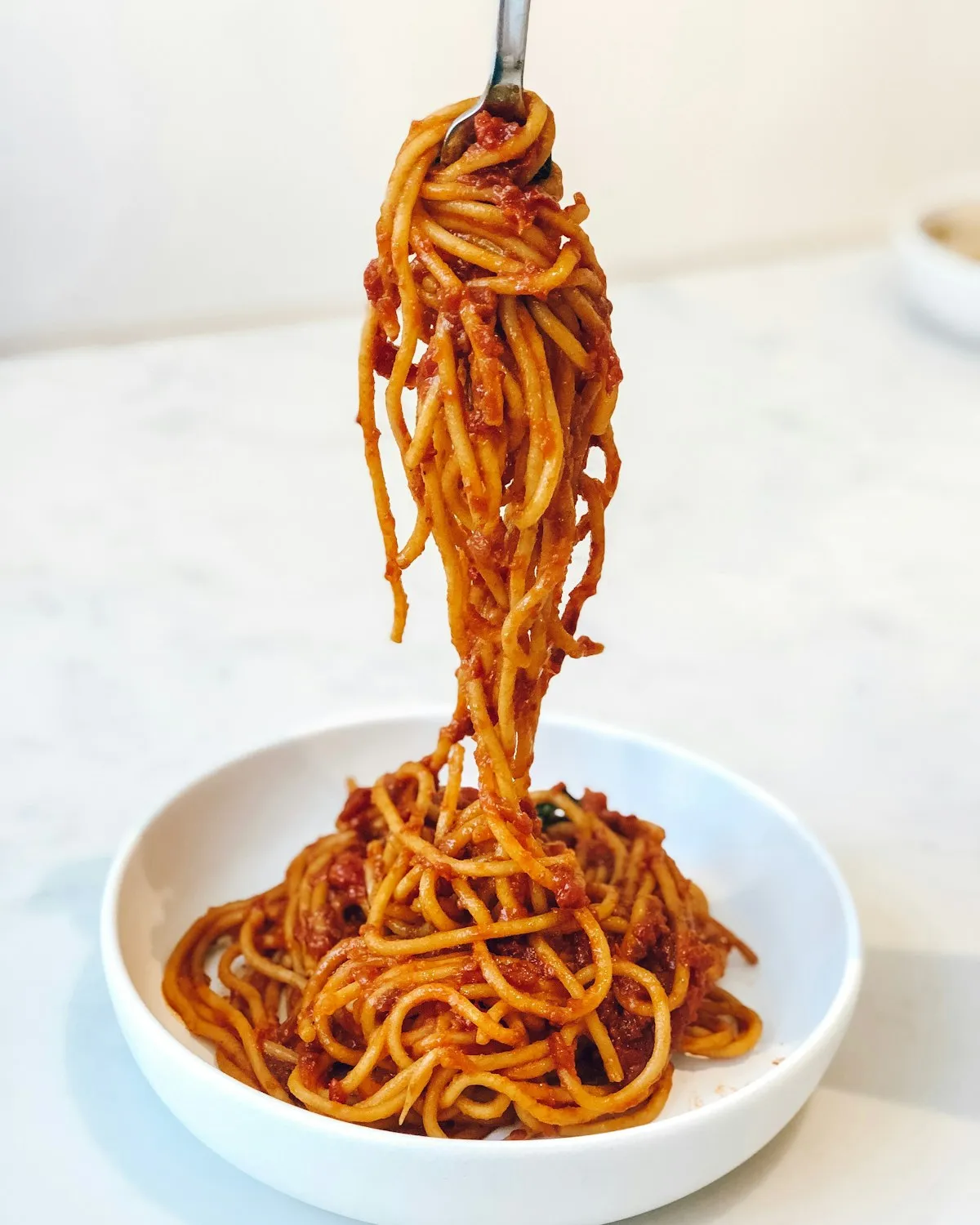
Use starchy pasta water like it’s an ingredient (because it is)
Save a mug of pasta water before you drain. That cloudy water is loaded with starch, and starch is what helps your sauce cling to pasta instead of sliding off like a regret. When you toss hot pasta with oil (or butter) and a splash of starchy water, you create a quick emulsion: tiny droplets of fat suspended in water, thickened by starch. That’s a real sauce. And it costs zero dollars because you already boiled it.
Do this: salt your pasta water well and cook pasta until just al dente. Overcooked pasta sheds too much starch too early and turns soft, so the final toss gets mushy instead of glossy.
Warm the tuna gently, don’t fry it into fish confetti
Canned tuna is already cooked. Your job is to warm it and coat it, not sear it like a steak. High heat dries it out fast, and then you’re stuck trying to resurrect it with extra oil (which can be delicious, but also defeats the “budget + light” goal).
Do this: add tuna after your garlic (or onion) is fragrant, then keep the heat moderate. Break it up just enough so you get flakes throughout, not a paste.
Garlic timing matters more than you think
Garlic is cheap flavor, but it burns in seconds. Burnt garlic turns bitter and makes the whole dish taste like you tried to cook on “panic mode.”
Do this: warm oil first, add garlic, and move quickly. If you’re nervous, add a spoon of pasta water right after the garlic hits the pan, steam slows browning and buys you time.
Use acid to make canned tuna taste fresher
A squeeze of lemon (or even a tiny splash of vinegar) pulls the flavor into focus. Acid doesn’t just “add tang”, it balances richness and reduces the “canned” vibe by lifting aromas.
Do this: add lemon at the end, off the heat. Heat dulls brightness, so you want that pop right before serving.
Stretch the meal with cheap veg (and keep texture interesting)
Frozen peas are a classic because they’re sweet, fast, and they don’t require chopping. But any small veg works: frozen spinach, corn, chopped broccoli stems, even leftover roasted vegetables.
Do this: cook veg in the same pot as the pasta near the end. One pot, one drain, minimal effort, perfect for quick family meals when you’re trying to feed people who are suddenly starving right now.
Choose tuna strategically for cost and flavor
- Chunk light is usually cheaper and works great because you’re flaking it anyway.
- Oil-packed tastes richer and can replace some of your cooking oil (good for flavor and budget).
- Water-packed is often the cheapest route and easy to control for richness, just add your own oil or a knob of butter.
Don’t drown it in cheese, use it as a seasoning
Parmesan is amazing, but it’s also not always “budget-friendly” depending on where you shop. If you have it, use a small amount and let it melt into the pasta water + oil mixture to thicken and add savoriness. If you don’t, skip it and lean on pepper, garlic, lemon, and maybe chili flakes.
Do this: grate finely. Fine cheese melts faster and distributes more evenly, so you use less and get more impact.
Variations That Keep It Cheap (But Don’t Taste Cheap)
One reason I love this dish is how easily it bends into whatever’s in your kitchen. Keep the “starch + fat + heat + acid” idea, then pick your direction.
1) Tomato Tuna Pasta (pantry-forward, super forgiving)
Use a few spoonfuls of tomato paste or a small can of tomatoes to build a light sauce. Tomatoes add acidity and sweetness, which plays nicely with tuna and makes the whole thing feel more “real dinner” than “emergency meal.” Use chili flakes to wake it up.
Tip: simmer tomato briefly before adding pasta water. That cooks off raw tomato sharpness and makes it taste rounder.
2) Creamy-ish Tuna Pasta (without heavy cream)
Use a little cream cheese, Greek yogurt, or even a splash of milk, but still use pasta water to keep it silky instead of gloopy. Dairy alone can turn pasty; starch keeps it smooth.
Non-negotiable: keep the heat low when dairy is involved. High heat can split sauces, especially with yogurt.
3) Mediterranean-ish (bright, salty, punchy)
Add capers, olives, or a handful of chopped pickles (yes, pickles: trust me). Salty-briny ingredients make tuna taste intentional. Finish with lemon zest if you’ve got it.
4) Spicy “pantry arrabbiata” style
Chili flakes + garlic + a touch of tomato = the fastest way to make canned tuna taste like a plan. This is also a great route when you’re chasing healthy dinner ideas because it’s big flavor without needing tons of cheese.
Side Dish Pairings: Balance the Richness, Don’t Compete
Tuna pasta is filling and a little rich (even with a light sauce), so pair it with sides that bring crunch, acidity, or freshness.
Go-to pairings
- Simple green salad with lemon vinaigrette: Use acidity to cut the starch and make the meal feel lighter. Keep it sharp and not sweet.
- Cucumber + red onion salad: Crunchy, cold, and fast. Salt it lightly and let it sit a few minutes so it softens and gets juicy.
- Roasted or steamed broccoli: Slight bitterness balances the savory tuna. Add lemon or a pinch of chili.
- Crusty bread (optional): Use it for plate-cleaning. Don’t add bread and a heavy side unless you’re feeding teenagers or training for something.
If you’re building quick family meals, keep sides minimal. One fresh thing is enough to make dinner feel complete.
FAQ: “What If…?” Fixes That Save Dinner
What if my tuna pasta turns out dry?
You didn’t use enough pasta water, or you didn’t toss while everything was hot. Add a splash of hot water (or reheat with a bit of water in the pan) and toss hard. The goal is to re-emulsify the sauce. Avoid adding plain oil alone: it can make it greasy instead of silky.
What if it tastes bland even with tuna?
Add salt and acid, not just more tuna. Tuna brings protein, but it doesn’t automatically bring brightness. Finish with lemon juice or a tiny splash of vinegar, plus black pepper. If you have garlic powder, a pinch can help (especially if you went light on fresh garlic).
What if it tastes too “fishy”?
Use acid (lemon), add something green (peas, spinach, parsley), and avoid scorching the tuna. Also check your tuna: stronger-flavored tuna is fine, but it needs balancing. A bit of chili and lemon usually fixes it fast.
What if my garlic burned?
Start over on the garlic. I know that’s annoying, but burnt garlic dominates everything. Dump the bitter oil, wipe the pan, add fresh oil, and try again: this is one of those “firm coaching” moments.
What if the sauce gets clumpy when I add cheese?
Your pan is probably too hot, or you used pre-shredded cheese with anti-caking agents. Take the pan off heat, add a splash more pasta water, and stir until smooth. Use finely grated cheese next time. Also: add cheese gradually, not all at once.
What if I only have water-packed tuna and no olive oil?
Use butter if you have it. If you have neither, you can still make it work with pasta water + a little cheese (if available) for body, then rely on garlic, pepper, and lemon for flavor. It won’t be luxurious, but it’ll be solid and still qualifies as a budget friendly recipes win.
What if I want more protein without spending more?
Add a second can of tuna if it’s on sale, or stretch with inexpensive add-ins like peas, beans (cannellini is great here), or an egg stirred in off-heat for a “carbonara-ish” vibe. Use what’s cheap in your area: that’s the whole point.
What if I’m trying to keep this in the “healthy dinner ideas” lane?
Use whole wheat pasta if you like it, add extra vegetables, and go easy on cheese. Choose water-packed tuna and add your own measured fat (olive oil) so you control richness. Keep portion sizes realistic: pasta is still pasta.
What if I’m meal-prepping and it dries out in the fridge?
Pasta absorbs sauce as it sits. Pack a little extra pasta water-based sauce (or just a tablespoon or two of water) separately. Reheat gently with a splash of water and stir well. Don’t microwave it into oblivion: tuna gets dry and sad fast.
Cookpedia Notes for Your Next Pantry Night
If you want this to stay in the “cheap but genuinely good” category, treat pasta water like a sauce base, use lemon like a finishing tool, and don’t overcook the tuna. That’s the whole game. Save the fancy stuff for another night: this one’s for simple pasta recipes, tight budgets, and getting dinner on the table without drama.
For more weeknight inspiration, browse Cookpedia here: https://cookpedia.com (and if you want me to tailor this to your pantry, tell me what pasta shape you’ve got and whether your tuna is oil- or water-packed).
{“@type”:”Article”,”image”:[“https://cdn.marblism.com/_Wo6QfzMGdc.webp”,”https://cdn.marblism.com/VwggYGcEtoj.webp”,”https://cdn.marblism.com/6jDbImfvifn.webp”,”https://cdn.marblism.com/VH_rT0Ywa78.webp”,”https://cdn.marblism.com/WILzwGFk2zR.webp”],”author”:{“url”:”https://cookpedia.com”,”name”:”Cookpedia”,”@type”:”Organization”},”@context”:”https://schema.org”,”headline”:”Budget-Friendly Tuna Pasta”,”keywords”:[“budget friendly recipes”,”simple pasta recipes”,”tuna pasta”,”pantry dinner”],”publisher”:{“url”:”https://cookpedia.com”,”name”:”Cookpedia”,”@type”:”Organization”},”inLanguage”:”en”,”description”:”A budget-friendly tuna pasta guide focused on simple pasta techniques: how to build a silky sauce with pasta water, warm tuna gently, and use pantry staples for fast weeknight meals.”,”dateModified”:”2026-06-01″,”datePublished”:”2026-06-01″,”mainEntityOfPage”:{“@id”:”https://cookpedia.com”,”@type”:”WebPage”}}