Recipe
Servings
Servings 1×
Ingredients
- Chicken
- Pasta
- Eggs
- Peas
- Onion
- Lemon
- Mustard
- Tahini
- Feta
- Cooking oil
- Chili seasoning
- Salt
Method
- Let’s be honest: your fridge is probably hiding the greatest meal of your week.
- Drain your pasta and rinse it immediately under cold water.
- Use a whisk to combine your mayo with a splash of acid, a dash of mustard for tang, and your dried herbs.
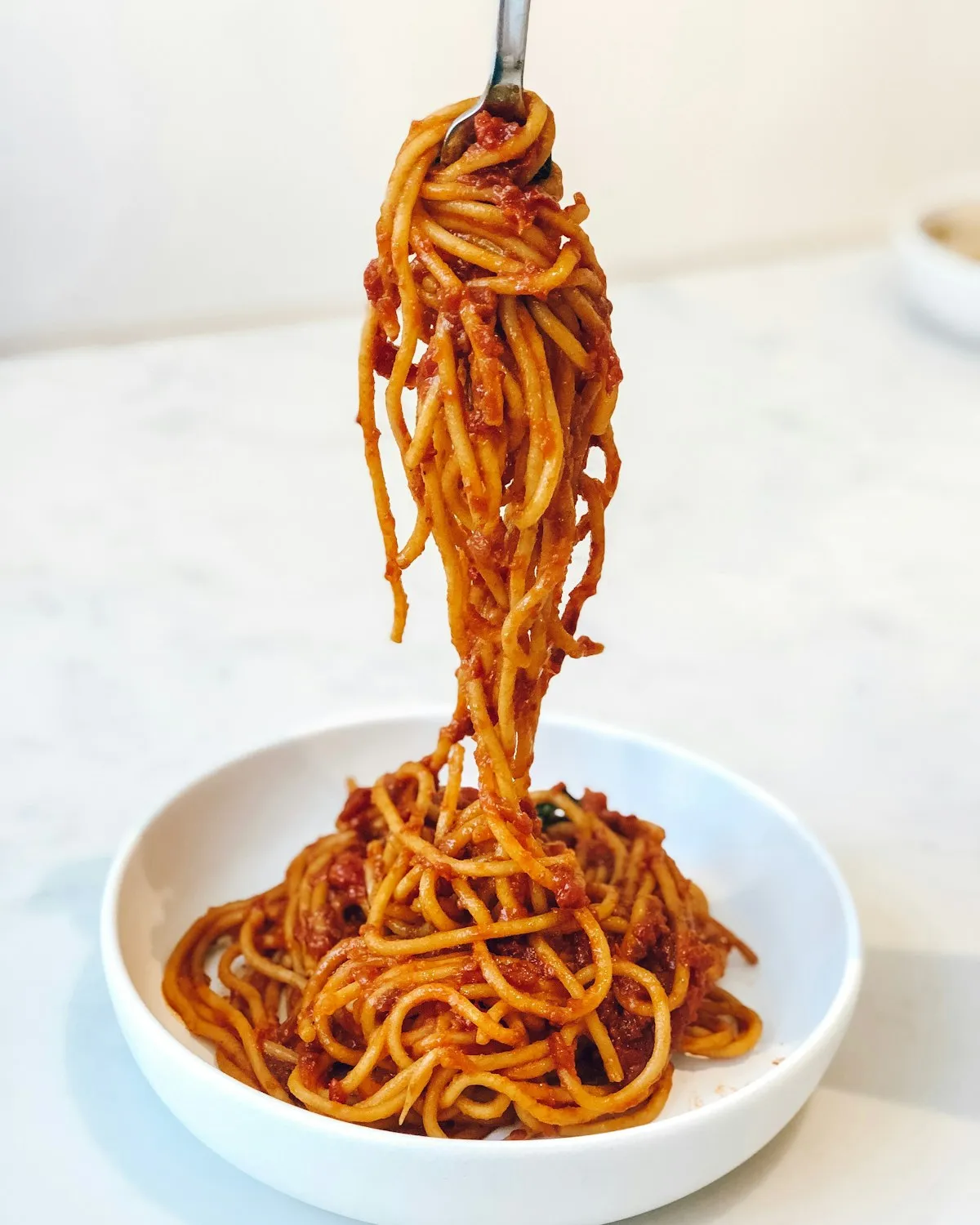
Let’s be honest: your fridge is probably hiding the greatest meal of your week. We’ve all been there, staring at a lonely can of tuna and a half-empty box of pasta, wondering if we should just order takeout. Stop right there. I’m here to tell you that the humble tuna pasta salad is the unsung hero of budget friendly recipes. It’s the ultimate "I have nothing to eat" meal that tastes like a five-star lunch. It’s simple, satisfying, and frankly, a lifesaver when the clock is ticking and you need quick family meals that don't break the bank.
The Starch Science: Why Your Pasta Matters
When you’re making a cold salad, you have to throw the traditional "al dente" rules out the window. If you cook your pasta until it has that firm "bite," it will turn into a tiny, rock-hard pellet once it hits the refrigerator. Science tells us that starch undergoes a process called retrogradation when it cools. Essentially, the starch molecules realign and harden. To combat this, you need to cook your pasta slightly past the point of perfection, think "soft but not mushy." This extra hydration ensures the pasta stays tender even after a night in the fridge.
Drain your pasta and rinse it immediately under cold water. I know, Italian grandmothers everywhere are gasping, but there’s a method to the madness. Rinsing washes away the excess surface starch that makes pasta sticky. In a hot dish, you want that starch to help the sauce cling. In a cold salad, you want individual pieces of pasta that don't clump into a giant, beige brick.
Seasoning the water is your only chance to flavor the pasta from the inside out. Don't just sprinkle a pinch; make that water taste like the Mediterranean Sea. This is the foundation of healthy dinner ideas, flavoring with salt and aromatics early on so you don't have to overcompensate with heavy sauces later.
The Emulsion Equation: Mayo and Acidity
The dressing is where the magic happens, but it’s also where things can go terribly wrong. Mayonnaise is a stable emulsion of oil and egg yolk, but it’s naturally quite heavy. If you just toss tuna and pasta in mayo, the result is cloying and one-dimensional. To fix this, you need to introduce an acid.
Lemon juice or white vinegar serves a dual purpose. First, the acid breaks down the "fatty" mouthfeel of the mayo, making the salad feel lighter and more refreshing. Second, it acts as a flavor bridge between the briny, savory tuna and the sweet, starchy peas. If you find your salad tastes "flat," it’s almost always an acidity issue, not a salt issue.
Always mix your dressing in a separate bowl before adding it to the pasta. This ensures every bite has an equal distribution of seasoning. Use a whisk to combine your mayo with a splash of acid, a dash of mustard for tang, and your dried herbs. This creates a cohesive sauce that coats rather than clumps.
Texture and Temperature Control
Temperature is the silent killer of pasta salad. Never, ever mix your mayo-based dressing into warm pasta. The heat will cause the emulsion to break, turning your creamy sauce into a greasy, oily mess. Wait until the pasta is completely cold to the touch.
For the "crunch factor," look toward your vegetables. Frozen peas are a masterclass in efficiency. You don't even need to cook them; just let them thaw in the salad. They provide a sweet, pop-in-your-mouth texture that contrasts beautifully with the soft pasta. If you’re looking for more quick family meals hacks, finely diced celery or red onion provides that essential structural variety. Without crunch, a pasta salad is just a bowl of soft things, and your palate will get bored after three bites.
Flavor Variations to Keep it Fresh
While the classic tuna and pea combo is a staple, you can easily pivot this dish based on what’s in your pantry.
- The Mediterranean Twist: Swap the mayo for a lemon-tahini dressing or a simple olive oil and red wine vinegar base. Add kalamata olives, dried oregano, and some crumbled feta. This version feels incredibly light and fits perfectly into healthy dinner ideas for those warmer months.
- The Spicy Kick: Fold in a spoonful of chili crisp or sriracha into your mayo. The heat works surprisingly well with the cold temperature of the salad. If you have any leftover chicken from those air fryer recipes dinner nights, you can even swap the tuna for shredded poultry.
- The Herbaceous Overhaul: Fresh dill is the gold standard here, but don't sleep on parsley or chives. Herbs provide a "fresh" signal to the brain, which makes the canned tuna feel much more like a gourmet ingredient.
Side Dish Pairings for a Balanced Plate
A creamy tuna pasta salad is rich, so your sides should focus on high acidity and high crunch to provide balance.
- Arugula and Lemon Salad: A simple bed of peppery arugula tossed in lemon juice and a tiny bit of parmesan provides a sharp contrast to the creamy pasta. It cleanses the palate between bites.
- Pickled Vegetables: Think quick-pickled cucumbers or even a side of kimchi. The fermented funk and vinegary bite cut straight through the mayo.
- Crispy Breads: If you aren't worried about double-carbing, a piece of toasted sourdough rubbed with a garlic clove is the perfect vessel for scooping up the extra tuna bits at the bottom of the bowl.
FAQ: Solving Your Pasta Salad Woes
Why does my pasta salad get dry the next day?
Pasta is like a sponge; it continues to absorb moisture even after it’s been mixed. If you're meal prepping, the pasta will drink up the dressing overnight. The fix? Reserve a little bit of the dressing (or just a splash of milk or water) to mix in right before you eat. This re-hydrates the starch and restores the creaminess.
Can I use oil-packed tuna instead of water-packed?
Absolutely, and in many cases, it’s actually better. Oil-packed tuna has a richer, more luxurious texture and doesn't get as "stringy" as the water-packed variety. Just make sure to drain it well so the salad doesn't become overly greasy.
How long does this actually stay fresh?
Because of the mayo and the tuna, you should cap it at three to four days in the fridge. Make sure it’s in an airtight container. If it starts to smell "fishy" (more than usual), it’s time to toss it. Fresh tuna salad should smell primarily of herbs and lemon.
Is there a way to make this without mayo?
Yes. Greek yogurt is a fantastic, high-protein substitute that keeps it within the realm of budget friendly recipes. It’s tangier than mayo, so you might want to dial back the added vinegar. You could also use a ripened avocado mashed with lemon juice for a dairy-free, creamy alternative.
My peas are mushy, what happened?
You probably cooked them. When using frozen peas for a salad, let them thaw naturally or run them under cool water for 30 seconds. They have enough internal structure to stay "snappy" as long as they don't see the inside of a boiling pot.
What's the best pasta shape?
Stick to shapes with nooks and crannies. Rotini (spirals) or conchiglie (shells) are ideal because they "trap" the peas and the dressing. Spaghetti or linguine are too slippery for a chunk-heavy salad like this.