Recipe
Servings
Servings 1×
Ingredients
- Tofu
- Pasta
- Noodles
- Carrots
- Greens
- Cooking oil
- Soy sauce or tamari
- Chili seasoning
- Salt
- Black pepper
Method
- Toss them with a teaspoon of oil right away.
- Use a carbon steel wok or a heavy cast-iron skillet if you have one.
- Keep your vegetable cuts consistent.
- Use a fine julienne (matchstick cut) for carrots and thin shreds for cabbage.
We’ve all been there: staring at the fridge at 6:00 PM, craving that salty, smoky hit of takeout noodles but knowing your wallet would prefer a home-cooked hero. My blog is all about proving that you don't need a professional kitchen or a massive grocery budget to eat like royalty. This budget-friendly vegetable chow mein is the ultimate answer to your weeknight woes. It is fast, filling, and uses the kind of humble vegetables that usually hide in the bottom of your crisper drawer. If you’re hunting for quick family meals that actually deliver on flavor, you’ve found the crown jewel.
The Science of the Perfect Stir-Fry
The difference between a soggy pile of noodles and a restaurant-quality chow mein comes down to a few non-negotiable scientific principles. Most home cooks make the mistake of "stewing" their food in a lukewarm pan. To get that elusive "wok hei": or the breath of the wok: you need to understand how heat and moisture interact.
Noodle Hydration and Starch Control
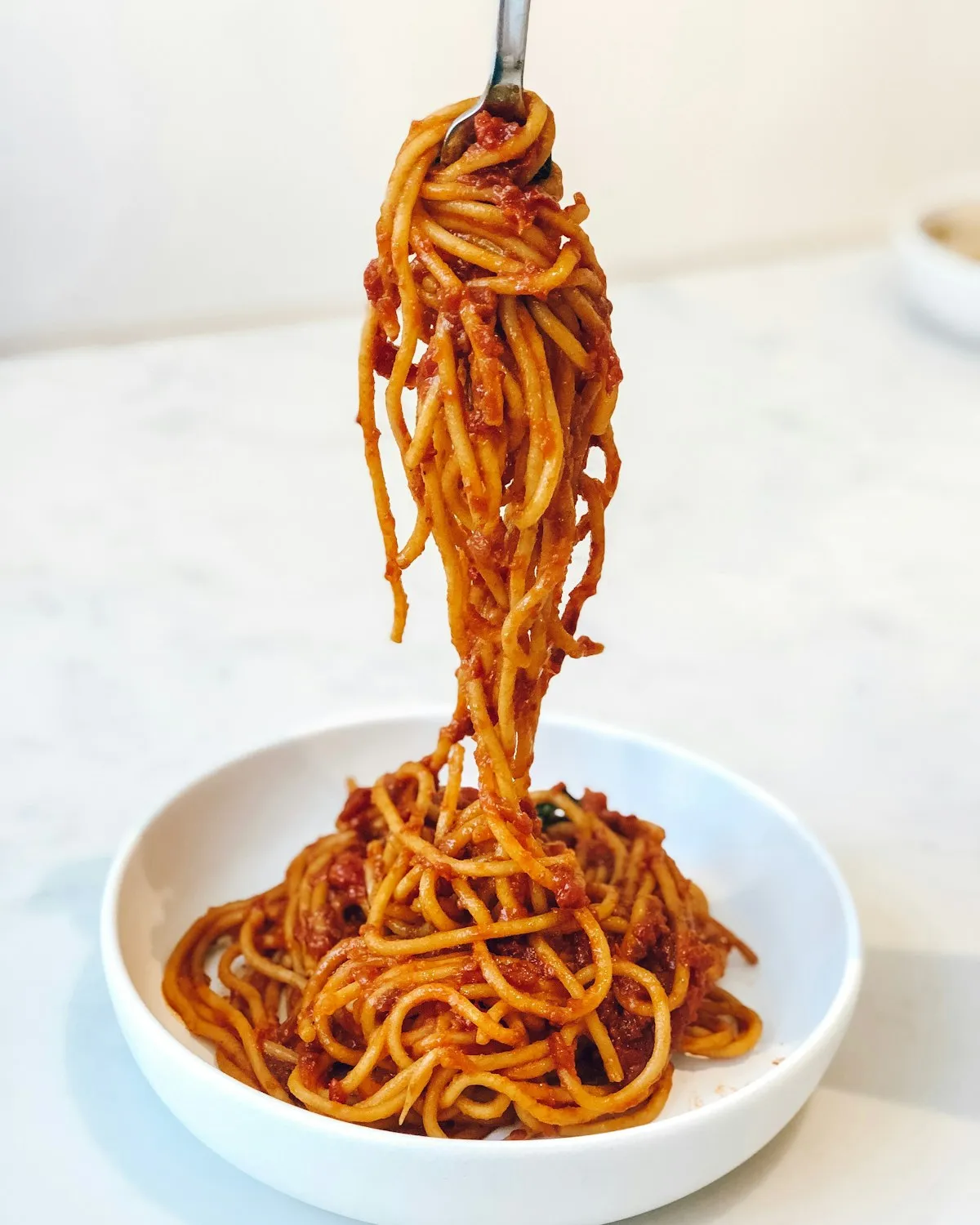
First, look at your noodles. Whether you use traditional dried chow mein noodles or even basic spaghetti in a pinch, the secret is undercooking. Boil them for exactly two minutes less than the package instructions. Why? Because a noodle that is already fully saturated with water cannot absorb your delicious sauce. By leaving the center slightly "raw," the noodle acts like a thirsty sponge once it hits the pan, soaking up the soy and aromatics while finishing its cooking process.
Once you drain them, rinse immediately with cold water. This stops the residual heat from turning them into mush. Toss them with a teaspoon of oil right away. This creates a thin barrier of fat that prevents the starch from sticking together, ensuring every strand stays separate and bouncy in the final dish.
The Maillard Reaction and Heat Management
The smoky flavor we crave is the result of the Maillard reaction: the chemical reaction between amino acids and reducing sugars that gives browned food its distinctive flavor. This only happens at high temperatures. If your pan is crowded or your vegetables are wet, the temperature drops, the water turns to steam, and your food boils instead of frying.
Use a carbon steel wok or a heavy cast-iron skillet if you have one. These materials hold heat better than thin non-stick pans. Preheat your pan until you see a thin wisp of smoke before you even think about adding oil. Work in small batches if you are doubled-up on a recipe. It is better to stir-fry two small portions than one giant, soggy mess.
Vegetable Texture and Moisture
Keep your vegetable cuts consistent. Use a fine julienne (matchstick cut) for carrots and thin shreds for cabbage. This maximizes the surface area, allowing the intense heat to sear the outside and soften the inside in seconds.
Avoid salting your vegetables while they are in the pan. Salt draws moisture out of plant cells through osmosis. If you salt too early, your cabbage will dump its water content into the pan, killing your heat and ruining the "crunch" factor. Wait until the very end to introduce the salt via your concentrated sauce.
Clever Variations for Every Kitchen
One of the reasons I love this dish is how easily it adapts to what you have on hand. It’s one of those healthy dinner ideas that doesn't feel like a compromise.
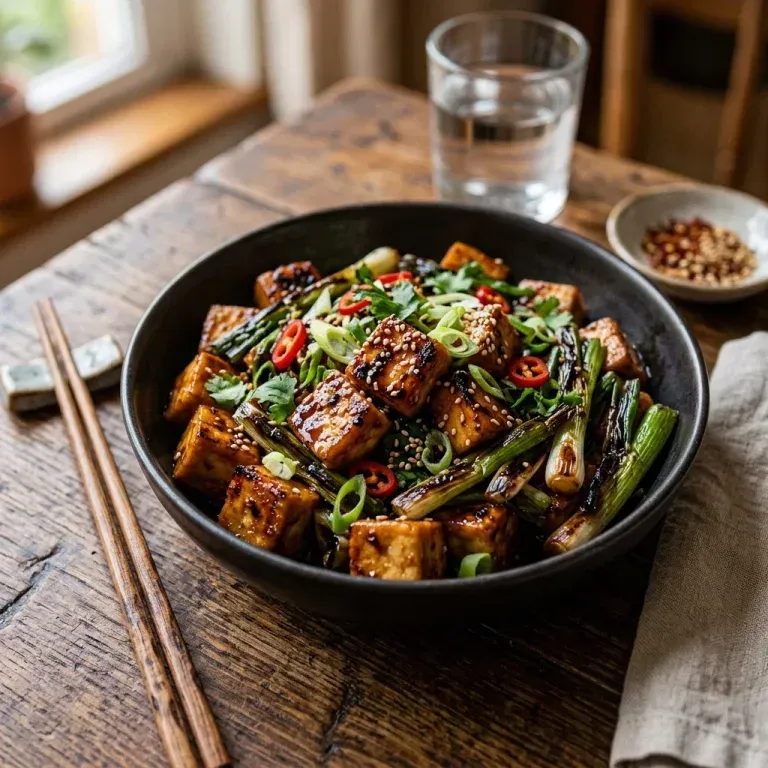
If you need a protein boost, look no further than tofu. For a texture that rivals the best restaurants, try air fryer recipes dinner techniques: toss cubed extra-firm tofu in a little cornstarch and air fry until crispy before adding it to the noodles at the very end. This keeps the tofu crunchy while the noodles stay saucy.
For those who like it hot, skip the black pepper and go for a spoonful of crispy chili oil or fresh Thai bird’s eye chilies. If you’re cooking for someone who avoids gluten, swap the standard soy sauce for tamari or coconut aminos. The flavor profile remains remarkably similar, though you might need a tiny extra pinch of brown sugar to help with the caramelization.
Side Dish Pairings that Pop
Because chow mein is inherently rich and savory, you want side dishes that offer a bright, acidic contrast to cleanse the palate. Balance is everything in a well-rounded meal.
A simple smashed cucumber salad with a splash of rice vinegar and a hint of toasted sesame oil is the perfect partner. The cool, watery crunch of the cucumbers cuts right through the saltiness of the noodles. Alternatively, a light miso soup or even a simple plate of steamed bok choy with a squeeze of lime juice can elevate the entire experience.
If you’re looking for a drink pairing, stick to green tea or a cold ginger ale. The tannins in the tea or the spice of the ginger help break down the oils in the stir-fry, making the whole meal feel lighter.
FAQ: Mastering the Wok
What if I don't have a wok?
Don't panic. Use the widest, heaviest skillet you own. The goal is surface area and heat retention. Avoid using a high-sided pot, as the walls trap steam, which is the enemy of a good stir-fry.
Why are my noodles sticking to the pan?
This usually happens because the pan wasn't hot enough before the noodles went in, or you didn't use enough oil. Make sure you see that wisp of smoke from the pan, then add your oil and swirl it to coat the surface before dropping the noodles. Also, ensure your noodles were properly rinsed and oiled after boiling.
Can I use frozen vegetables?
You can, but proceed with caution. Frozen vegetables hold a lot of water. Thaw them completely and pat them dry with a paper towel before they hit the pan. If you throw them in frozen, they will instantly drop the temperature of your wok and turn your chow mein into noodle soup.
How do I get that dark, rich color?
The "secret" is often dark soy sauce. It is thicker and less salty than regular soy sauce, used primarily for its deep mahogany color and caramel-like undertones. If you only have regular soy sauce, adding a half-teaspoon of molasses or brown sugar can help mimic that depth and aid in browning.
Can I make this ahead of time?
Chow mein is best eaten fresh from the wok to enjoy the textures. However, it makes a fantastic lunch the next day. To reheat, avoid the microwave if possible; toss it back into a hot pan with a splash of water to loosen the noodles and revive the sauce.
What is the best oil to use?
Stick to oils with a high smoke point. Grapeseed, peanut, or canola oil are your best friends here. Avoid extra virgin olive oil or butter, as they will burn and turn bitter at the temperatures required for a proper stir-fry. Save the toasted sesame oil for a finishing drizzle at the very end( it’s an aromatic, not a cooking oil!)
{“@type”:”BlogPosting”,”image”:”https://cdn.marblism.com/40ipNYDwtSE.webp”,”author”:{“name”:”Penny”,”@type”:”Person”},”@context”:”https://schema.org”,”headline”:”Budget-Friendly Vegetable Chow Mein”,”publisher”:{“logo”:{“url”:”https://cookpedia.com/logo.png”,”@type”:”ImageObject”},”name”:”Cookpedia”,”@type”:”Organization”},”description”:”Learn the science of making restaurant-quality vegetable chow mein at home on a budget. Tips on wok hei, noodle texture, and quick weeknight variations.”,”datePublished”:”2026-07-11″}