Recipe
Servings
Servings 1×
Ingredients
- Rice
- Eggs
- Butter
- Cooking oil
Method
- Use cold, cooked rice because chilled rice behaves like a different ingredient than fresh rice.
- Use day-old rice whenever possible.
- Use a wok or heavy skillet with enough thermal mass to recover quickly when cold ingredients hit the surface.
- Keep butter out of the initial fry.
- Add any buttery note later if you want the flavor without sabotaging the sear.
- Add aromatics only when the pan is hot enough to bloom them quickly.
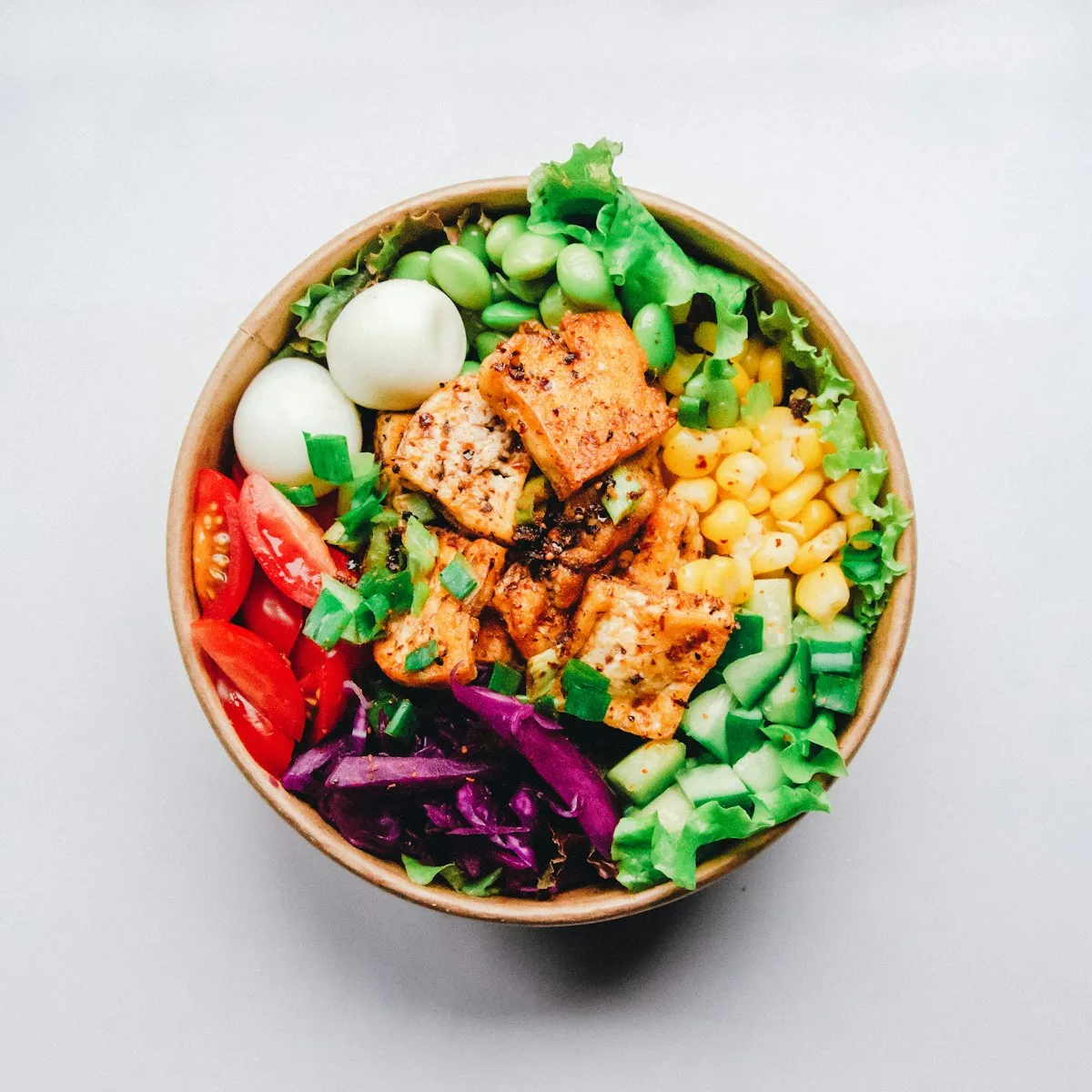
We have all been there: it is 6:00 PM, the fridge is looking hauntingly empty, and your motivation to cook is hanging by a thread. This is exactly when the humblest ingredients in your kitchen step up and do something heroic. A bowl of chilled rice, a handful of frozen vegetables, and a couple of eggs can turn into a fast dinner that tastes far more intentional than it has any right to. That is why fried rice earns a permanent spot in my rotation of budget-friendly, dependable meals.
But this is not just a “throw everything in a pan and hope” situation. Good fried rice is built on structure: moisture control, starch behavior, heat management, and fast sequencing. That is the Soul & Science part. If you want a version that tastes better, browns better, and maps cleanly into a WPRM-style recipe framework with clearly defined equipment, ingredients_flat, instructions_flat, and uid-level traceability, the technique matters first. Nail the logic, and the recipe card becomes easy.
Soul & Science: Starch Control, Heat Curves, and WPRM-Ready Logic
The biggest secret to excellent fried rice is not sauce. It is not a wok hei fantasy. It is moisture management. Use cold, cooked rice because chilled rice behaves like a different ingredient than fresh rice. Once cooked rice cools, the starches begin a process called retrogradation. In plain English: the gelatinized starch network tightens back up, sheds some free moisture, and makes each grain more structurally independent. That is why cold rice breaks apart and fries well, while hot rice clumps and steams.
Use day-old rice whenever possible. If you need a same-day fix, spread the rice out so steam can escape fast. Do not skip that step. Steam is the enemy here. Trapped water turns your pan from a searing environment into a tiny sauna, and fried rice does not want spa treatment.
Now for the browning. The flavor you want comes from the Maillard reaction, where amino acids and sugars react under high heat to build savory, toasty compounds. That means the pan has to be properly preheated before the rice ever shows up. Use a wok or heavy skillet with enough thermal mass to recover quickly when cold ingredients hit the surface. If the pan is merely warm, the rice releases moisture faster than the metal can evaporate it. Result: pale grains, soft vegetables, and disappointment.
Choose a high-smoke-point oil. Keep butter out of the initial fry. Butter contains milk solids that brown, then burn, long before the rice gets where it needs to go. Add any buttery note later if you want the flavor without sabotaging the sear.
Respect sequencing. This matters in the pan, and it also matters when you map the recipe into a structured WPRM import. Your recipe logic should separate actions into clean units so each instruction has a distinct purpose and a traceable uid. Equipment should be nested and explicit: think wok, skillet, spatula, knife, cutting board, measuring spoons, and bowls, each listed as its own object rather than buried in prose. Ingredients should sit in ingredients_flat with grouped organization only if it genuinely helps readability. Instructions should sit in instructions_flat as discrete steps, not overloaded paragraphs, because fried rice is a timing recipe and the schema should reflect that.
That same logic applies to the cook itself. Scramble eggs separately or push them to one side so they set before they disappear into the rice. Add aromatics only when the pan is hot enough to bloom them quickly. Add vegetables late enough that they stay bright and do not dump excess water into the pan for five straight minutes. Add sauces around the edges or in brief passes so they reduce fast instead of pooling underneath the rice.
Do not overcrowd the pan. This is still the rule that saves dinner. When you overload the surface area, the pan temperature crashes, water accumulates, and every bit of nice browning you were chasing gets replaced by steaming. Cook in batches if needed. Annoying? A little. Worth it? Completely.
Frozen vegetables are still one of the smartest tools in a tight-budget kitchen. They are usually processed at peak ripeness and hold up well in quick, high-heat cooking. Use them strategically. Because they are cold and often carry surface ice, they should enter the pan when the rice is already moving and the heat is high enough to drive off moisture quickly. That is how you keep this in the lane of practical healthy dinner ideas instead of a soggy pan experiment.
If you are building this for publication and import, think like both a cook and a systems editor. Keep the narrative here focused on why the method works. Put the actual measured items in the recipe card. Put the actionable sequence in the card too. Then map every ingredient line and every instruction line with consistent uid tracking so the recipe is machine-friendly without losing the human logic behind it. That is the whole Soul & Science deal: heart in the writing, structure in the schema.
Variations That Change the Balance, Not the Whole Point
Once you have the base technique down, make smart changes instead of chaotic ones.
- The Protein Power-Up: Add tofu, chicken, shrimp, or extra egg, but keep moisture in mind. Wet protein cools the pan and slows browning, so cook it separately or add it back at the end. If you like borrowing ideas from air fryer recipes dinner fans, crisp tofu outside the pan first and fold it in just before serving so it stays firm instead of going soft.
- The Acid Kick: If the rice tastes flat or heavy, finish with a small hit of acid. Rice vinegar or lime works because acidity cuts richness and sharpens your perception of salt and aroma. Add it at the end, not early, so the brightness survives.
- The Spicy Route: Use chili paste for more than heat. Pastes like sambal or gochujang bring sugar, fermented depth, and body. Add a modest amount so it caramelizes lightly instead of turning the whole pan sticky.
- The Nutty Crunch: Top with sesame seeds, peanuts, or cashews for textural contrast. Crunch matters because fried rice is mostly soft grains with scattered vegetables. One crisp element makes the bowl feel more complete.
- The Grain Swap: Brown rice works well because the bran gives it a firmer chew and better resistance to overcooking. It is one of my favorite swaps when I want sturdier texture in quick family meals that need to survive reheating.
If you are turning variations into recipe-card data, keep the base recipe stable and treat swaps as optional notes or clearly separated ingredient/instruction branches. That keeps the WPRM structure tidy and prevents the card from becoming a choose-your-own-adventure novel.
Balancing Your Bowl: Pairings That Do Actual Work
Fried rice can absolutely stand alone, but the best pairings fix what the main dish lacks. Since the rice is savory, lightly oily, and deeply cooked, serve it with something crisp, brothy, or acidic.
A smashed cucumber salad is the obvious winner for a reason. Its high water content and sharp dressing cool your palate and cut through the richer notes from oil, egg, and soy sauce. A light broth, like miso soup or ginger broth, does something similar in a different direction: it adds hydration and warmth without piling on more heaviness.
Quick-steamed greens also work well. Bok choy, snap peas, or cabbage bring bitterness and freshness, which keep the meal from tasting too beige, metaphorically and literally. If you want a slaw, use a bright dressing with acid as the lead note so it contrasts instead of competing.
Avoid doubling down on starch. Skip extra noodles, heavy dumplings, or another rice dish. You do not need more bulk. You need relief, crunch, and brightness. That is what makes this kind of dinner feel balanced instead of sleepy. It is also what keeps it in the category of practical healthy dinner ideas rather than a sodium-and-starch pileup.
Frequently Asked Questions
Why does my rice always stick to the bottom of the pan?
Usually because the pan is underheated, the oil went in too early, or the rice is too wet. Heat the pan first, then add oil, then add the rice once the oil is shimmering. If you use stainless steel, wait for the surface to fully preheat so the food releases more cleanly. Wet rice is still the bigger problem, though. Fix the rice first.
Can I use freshly cooked rice if I am desperate?
Yes, but only if you cool and dry it aggressively first. Spread it out so steam escapes fast. The problem with fresh rice is not that it is “wrong”; it is that its starch is still soft and its surface moisture is too high. If you skip the cooling step, you are asking the pan to evaporate a lot of water on the fly, and that is exactly how mush happens.
Can I use brown rice for this?
Absolutely. Brown rice has a firmer chew because the bran layer stays intact, so it often holds up better in the pan than overcooked white rice. It also reheats well, which makes it useful for quick family meals and lunch leftovers. Just chill it before frying, same rule as always.
Is it safe to use frozen vegetables without thawing them?
Yes. In fact, it is often better. Thawing can make small vegetables limp before they ever hit the pan. Add them straight from frozen, but do it with intention. Because they lower the pan temperature, keep the heat high and avoid dumping in a giant frozen mountain all at once.
What if I do not have soy sauce?
Use tamari, liquid aminos, or a small combination of salt plus another umami source. The point is not loyalty to one bottle; the point is salinity plus savoriness. Just season carefully, because substitutes vary a lot in salt strength.
Why does my fried rice taste dull even when I seasoned it?
You probably need contrast, not just more salt. Salt deepens flavor, but acidity sharpens it. Add a small splash of rice vinegar or lime at the end and see what happens. Also check whether your ingredients actually browned. Without enough browning, the dish can taste flat no matter how much sauce you add.
How long does leftover fried rice keep?
Store it in an airtight container in the fridge and use it within about three days. Reheat it hot all the way through. If it seems dry, add a tiny bit of water before reheating so steam can soften the grains. Do not drown it, obviously. You are reviving it, not turning it into soup.
Can I make this in an air fryer?
Sort of. You can make a crispy rice-style version, but it is not the same as stir-frying because you lose constant contact-and-motion cooking. The upside is you can get nice edge crisping. The downside is less control over layering flavor in stages. Still, if you like experimenting with air fryer recipes dinner ideas, it is a respectable side quest.
What does “map to WPRM JSON schema” actually mean here?
It means the narrative article should explain the why, while the recipe card holds the structured data. In practice, that means listing equipment in a dedicated nested section, keeping ingredient lines in ingredients_flat, keeping action steps in instructions_flat, and assigning a unique uid to each item or step so the import stays consistent. In short: clean data structure, clear cooking logic, no mystery blobs.