Recipe
Servings
4 servings 1×
Serves 4Prep 10 minCook 20 minTotal 30 min
Nutrition per serving
Ingredients
- 5 lb chicken thighs skin-on, bone-in
- 4 cloves garlic freshly minced
- 1 cup heavy cream full fat for emulsification
- 1/2 cup parmesan cheese freshly grated
- 2 cups fresh baby spinach added in batches
- 1 tbsp olive oil
Method
- Heat oil in the skillet.
- Sear chicken skin-side down until deep golden brown and crispy.
- Flip and cook through (internal 165°F).
- Remove and set aside.
- In the same pan, sauté minced garlic until fragrant.
- Add heavy cream and whisk to incorporate the fond (the brown bits) from the bottom of the pan.
- Stir in parmesan cheese.
- Simmer gently until the sauce thickens and coats the back of a spoon.
- Add spinach in batches, allowing residual heat to wilt it.
- Return chicken to the pan, keeping the skin above the sauce line to maintain crispiness.
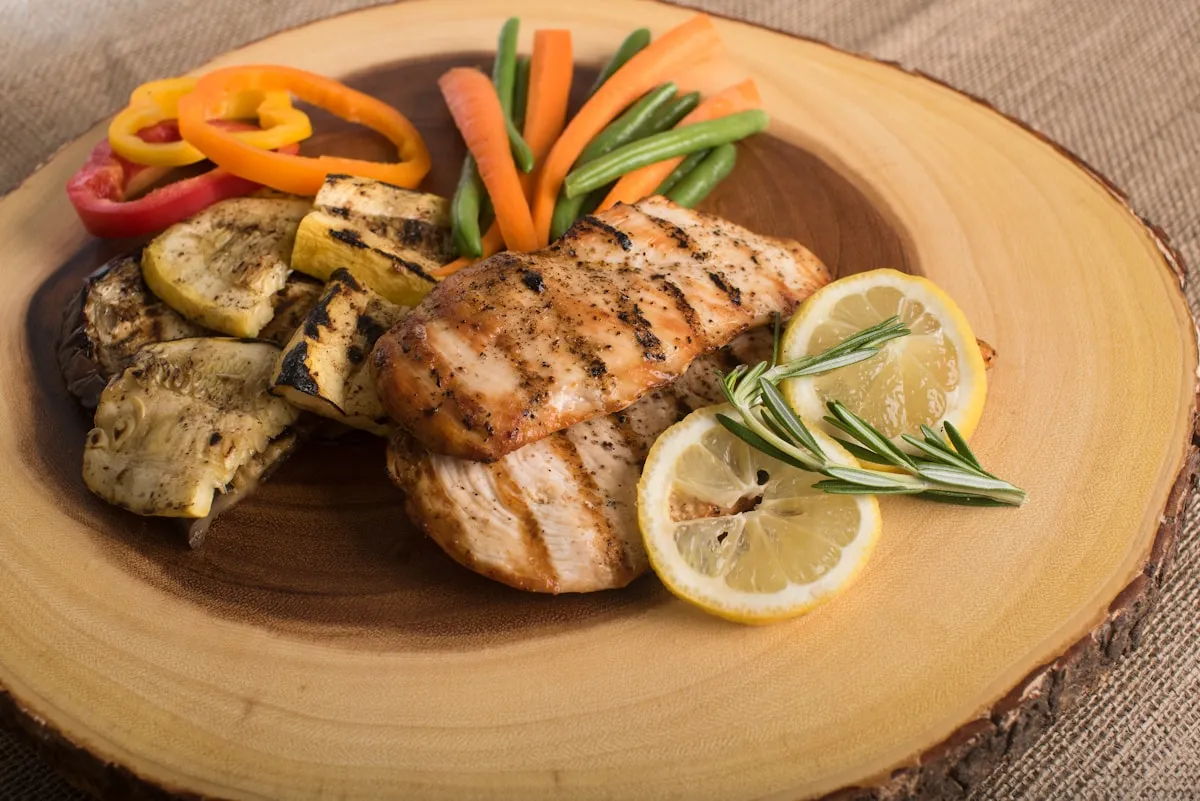
Let’s be honest: the word “diet” usually conjures up images of sad, unseasoned steamed broccoli and chicken breasts as dry as a desert. But if you are diving into the world of low-carb living, I have some spectacular news for you. Keto doesn’t have to be a chore; it can be a decadent, garlic-scented celebration. This creamy garlic chicken and spinach dish is the ultimate proof. It is rich, velvety, and deeply satisfying, making it one of the most reliable one pot meals in my weekly rotation. You get all the comfort of a high-end bistro dish without the heavy carb count or the mountain of dishes to wash afterward.
The Science of Searing and Smooth Sauces
When you are looking for keto recipes for beginners, the first thing you need to master isn’t a complex macro calculator: it’s the Maillard reaction. This is the chemical dance between amino acids and reducing sugars that happens when meat hits a hot pan. For this dish, you must commit to a hard sear on your chicken. Don’t just “cook” it; brown it. That golden-brown crust isn’t just for looks; it creates “fond,” those little brown bits stuck to the bottom of the pan that act as a concentrated flavor base for your sauce. Use a heavy skillet, ideally cast iron or stainless steel, to maintain consistent heat. Avoid overcrowding the pan, as this causes the chicken to steam in its own juices rather than sear, robbing you of that essential savory depth. If the pan looks a little dramatic and sounds like applause, good. That means flavor is happening.
Now for the part that makes this dish taste like it belongs in a restaurant with cloth napkins instead of your Tuesday kitchen: the garlic-infused cream. Cream sauces feel luxurious, but they are really just delicious food science wearing a silk robe. Heavy cream contains water, fat, and milk proteins, and when you warm it gently with the flavorful residue left from the chicken, those components work together to build a stable emulsion. In plain English, the fat gets suspended through the liquid instead of floating off into greasy chaos. That is why this sauce can look glossy and unified rather than split and sad.
Garlic plays a bigger role here than simply making the kitchen smell fantastic. When you chop or crush fresh garlic, you trigger an enzyme reaction that forms allicin and other sulfur compounds. Those compounds are what give garlic its punchy personality. But garlic is a diva. Cook it too hard and it turns bitter fast because the smaller sulfur compounds scorch before the cream ever enters the pan. Keep the heat moderate. Let the garlic bloom in the fat briefly so its sharper edges soften and its aroma spreads through the cooking fat. Once cream joins the party, that fat-soluble flavor gets carried through the whole sauce. Every bite tastes garlicky, not because there are chunks of garlic everywhere, but because the fat has done the distribution work for you like a very efficient mail service.
Next, let’s talk about the magic of emulsification without starch. In traditional cooking, you’d use a flour-based roux to thicken a sauce. Since we are keeping things keto-friendly, we lean on the natural properties of heavy cream and cheese. The “liquid gold” secret here is the interaction between the fat in the cream and the proteins in the parmesan. When you whisk these into the pan juices, the fat globules suspend in the liquid, creating a thick, glossy coat that clings to the chicken. Parmesan also brings casein proteins and fine solids that help reinforce the body of the sauce. It is basically tiny savory engineering.
If your sauce looks a bit thin, don’t panic. Gently simmer it. As the water evaporates, the concentration of fats and milk solids increases, naturally thickening the sauce. Do not boil it like you are angry at it. High heat can tighten milk proteins too fast, causing the sauce to look grainy or broken. Gentle heat is non-negotiable here. If you want the sauce to stay smooth, lower the flame, stir with intention, and let time do the work. Fast sauce is often broken sauce.
Acidity matters too. Garlic cream can drift into heavy territory if nothing balances it. That is why salty parmesan and the savory browned bits from the chicken are so important. They provide depth, while the garlic adds aromatic lift. If you finish with a small hit of acid later, you sharpen the flavor contrast and make the whole pan taste less rich without actually removing any richness. Sneaky? Yes. Effective? Absolutely. For more on the chemistry of pan sauces, check out our guide on The Starch Emulsion Secret, though here we are achieving that same velvety texture entirely through dairy fat.
Then comes spinach, the ingredient that makes this creamy chicken feel slightly more virtuous while still being extremely fun to eat. Spinach is nearly 90% water, which means it can either behave like a helpful green vegetable or like a tiny sabotage machine. If you dump a giant pile into the pan all at once, the temperature drops, the leaves collapse, and water floods into the sauce. Suddenly your thick cream looks more like a confused soup. Add spinach in batches at the very end. Let each handful wilt before the next goes in. This keeps the sauce cohesive and helps the leaves soften without drowning the pan.
Spinach is also nutritionally dense in a way that feels almost unfair. Once cooked down, a large volume of leaves shrinks dramatically, which means you can eat a lot of vitamins and minerals without realizing how much plant matter just vanished into your dinner. It brings folate, vitamin K, vitamin A precursors, magnesium, and iron to the plate. And yes, cooking changes nutrients, but not always for the worse. Heat softens the plant cell walls, making some compounds easier for your body to access. The leaves lose volume, water cooks off, and the nutrients become more concentrated per forkful. So while a mountain of raw spinach looks healthy, a modest spoonful of sautéed spinach can actually deliver a surprisingly dense hit of good stuff.
There is also the fat-soluble vitamin angle, which is where this dish gets clever. Nutrients like vitamin K and carotenoids are better absorbed when eaten with fat. Conveniently, this recipe does not exactly suffer from a fat shortage. The cream and cheese help your body absorb more of what the spinach is offering. That creamy sauce is not just there for comfort; it is also a very effective delivery system. Finally, always use fresh garlic over the jarred stuff. The sulfur compounds in fresh garlic provide a sharper, cleaner bite that cuts through the richness of the cream in a way that pre-minced versions simply can’t match. Jarred garlic is fine in a pinch, but if you want this dish to taste alive, use fresh.
Flavor Pivots and Creative Variations
One of the reasons this is one of my favorite one pot meals is its sheer versatility. Once you have the basic cream-and-garlic foundation down, you can pivot the flavor profile to suit your mood. If you want a Mediterranean flare, toss in a handful of chopped sun-dried tomatoes and a teaspoon of dried oregano. The acidity of the tomatoes provides a brilliant contrast to the heavy cream, brightening the entire palate and cutting through the richness before it gets too cozy.
For those who enjoy a bit of heat, add crushed red pepper flakes during the garlic-sauteing phase. This infuses the fat with spice, ensuring the heat is evenly distributed throughout the sauce instead of landing in one rude bite. If you find the dish a bit too heavy, a squeeze of fresh lemon juice at the very end works wonders. The citric acid acts as a reset button for your taste buds, making each bite feel lighter and more defined.
You can also swap the spinach for kale if you prefer a bit more texture, though you’ll need to simmer the kale a little longer to soften the tougher fibers. Just know that kale brings a more assertive, slightly bitter edge, while spinach practically melts into the sauce. If your goal is maximum silkiness, spinach wins. If your goal is chew and attitude, kale has entered the chat.
Another easy pivot is changing the cheese. Parmesan gives you a salty, nutty finish and helps stabilize the sauce with its proteins and solids, but pecorino will make the whole thing sharper and saltier. Use that if you like your cream sauce with a little swagger. Want a slightly more mellow result? Use a milder hard cheese and let the garlic do more of the talking. Just avoid very moist cheeses here unless you like gambling with texture.
You can also lean into mushrooms for extra umami. They reinforce the savory depth created by the seared chicken and fond, and they absorb the garlic cream like tiny flavor sponges. If you go that route, brown them properly first. Pale mushrooms are not a personality trait. Color equals flavor.
Balancing the Plate: Side Dish Pairings
Since this dish is unapologetically rich, your side dishes should focus on two things: crunch and acidity. A simple pile of roasted asparagus with a hint of lemon zest is a classic choice. The slight bitterness of the asparagus cuts through the garlic cream beautifully. If you are strictly following keto recipes for beginners, cauliflower rice is your best friend. It acts as a neutral sponge, soaking up every drop of that garlic sauce without adding a significant carb load.
If you aren’t strictly keto, a crusty piece of sourdough is the traditional vehicle for pan-sauce delivery, but for a low-carb alternative, try “zoodles” (zucchini noodles). Just be sure to flash-saute the zoodles separately and drain them well; like spinach, zucchini can release a lot of water which might thin out your sauce if added directly to the pan.
A crisp salad also works surprisingly well here, especially one with a punchy vinaigrette. Cream on cream is rarely the answer. You want contrast. Something raw, acidic, and crunchy keeps the plate from feeling too soft or too rich. Even a handful of lightly dressed arugula can do the job. Peppery greens wake up the palate and make the chicken feel even more savory by comparison. For more inspiration on quick accompaniments, browse our Healthy Category for ideas that won’t keep you in the kitchen all night.
Frequently Asked Questions
Can I use chicken breast instead of thighs?
You can, but proceed with caution. Chicken breasts are much leaner and prone to drying out, especially in a simmered sauce. Chicken thighs contain more connective tissue and fat, which keeps them juicy even if they spend a few extra minutes in the pan. If you must use breasts, sear them quickly and remove them from the pan while you build the sauce, only adding them back at the very end to warm through. This prevents the "rubbery" texture that plagues overcooked white meat.
Why did my sauce break or look curdled?
A "broken" sauce usually happens because the heat was too high or the cream was added too quickly. When the emulsion breaks, the fat separates from the liquid, resulting in a greasy, grainy appearance. To fix this, turn the heat down to low. Add a splash of heavy cream or even a teaspoon of water and whisk vigorously. The goal is to re-incorporate the fats into the liquid. Remember: simmer, don't boil, once the dairy is in the pan. Dairy fat likes stability, not drama.
Is this dish suitable for meal prep?
Absolutely. In fact, the flavors of the garlic and parmesan often deepen after a night in the fridge. However, when reheating, avoid the microwave on high power, as it can cause the sauce to separate. Reheat it gently in a skillet over medium-low heat, adding a tiny splash of water or broth to loosen the sauce back to its original creamy glory.
How do I get the chicken skin crispy if it's in a sauce?
The hard truth: you can't keep the skin perfectly crispy if it’s submerged in liquid. To get the best of both worlds, sear the chicken skin-side down first until it’s very crispy. When you add the chicken back into the sauce, nestle the pieces in so the skin stays above the liquid line. This allows the meat to braise in the cream while the skin remains exposed to the air, preserving as much of that crunch as possible.
For more simple and soulful kitchen solutions, explore our full recipe gallery or check out our 15-minute favorites for those nights when time is of the essence.