Recipe
Servings
Servings 1×
Ingredients
- Chicken
- Pork
- Pasta
- Noodles
- Bread
- Broccoli
- Asparagus
- Mushrooms
- Spinach
- Garlic
- Lemon
- Cream
- Hard cheese
- Chili seasoning
- Black pepper
Method
- Let’s be honest: by Wednesday, the dream of a five-course gourmet meal has usually been replaced by the reality of a sink full of dishes and a growling stomach.
- Use a heavy-bottomed skillet, cast iron is king here, and let that meat develop a dark, golden-brown crust.
- Add a handful of fresh baby spinach at the very end; the residual heat will wilt it in seconds, adding color and nutrients without any extra effort.
- Stir in a teaspoon of crushed red pepper flakes or a dollop of spicy chili paste when you’re sautéing your aromatics.
- Keep it in one pot for the best flavor integration.
- Use a high-heat roasting method to get those crispy, slightly bitter edges.
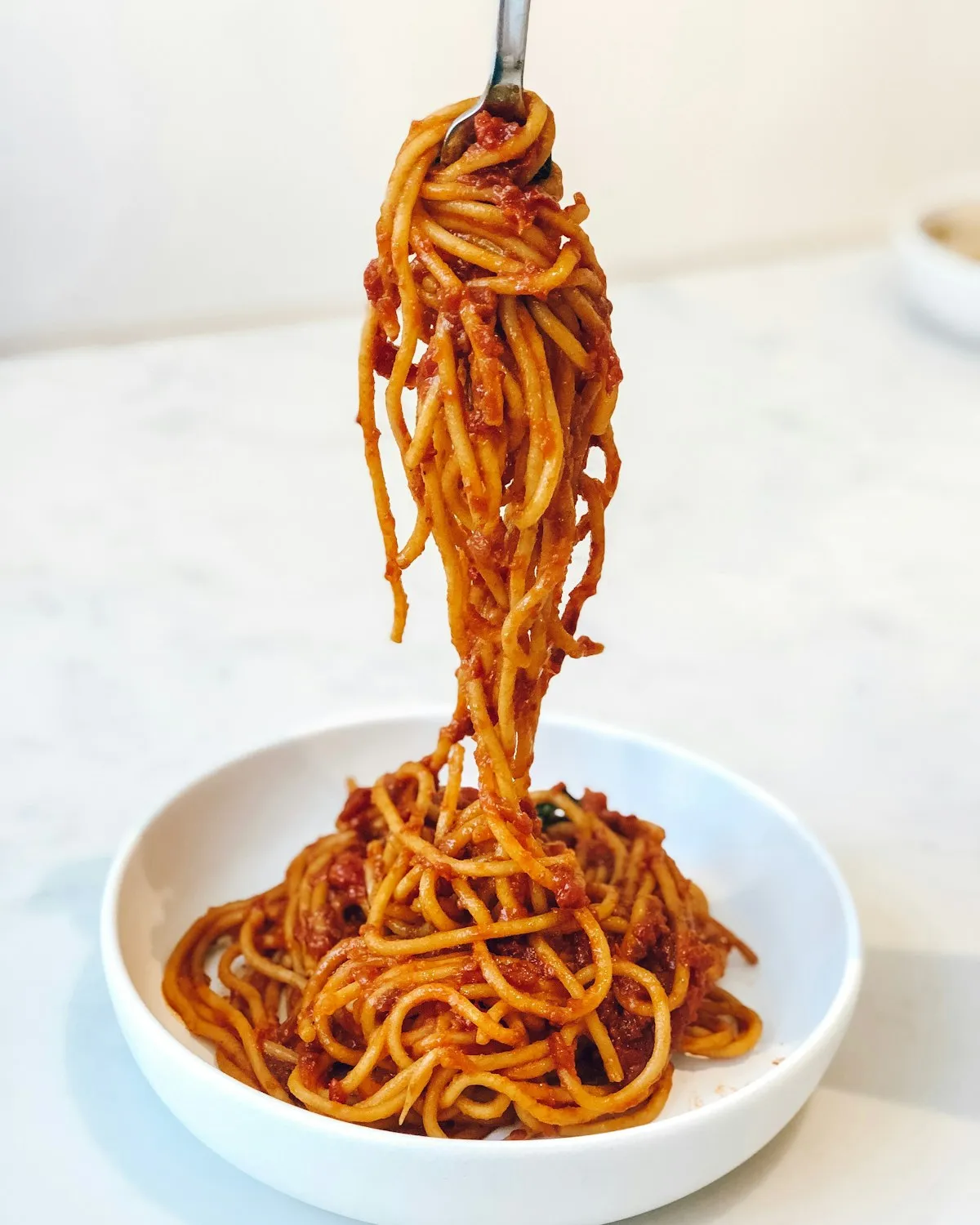
Let’s be honest: by Wednesday, the dream of a five-course gourmet meal has usually been replaced by the reality of a sink full of dishes and a growling stomach. You want comfort, you want speed, and you definitely don't want to spend an hour scrubbing pots. Enter the world of simple pasta recipes that actually deliver. This one-pot pork chop pasta is my go-to when I need quick family meals that feel like a warm hug but only require a single skillet. It’s creamy, savory, and surprisingly light.
The Science of the Sear and the Sauce
The secret to a truly great one-pot meal isn't just throwing everything in a pan and hoping for the best. It’s about understanding the "why" behind the flavors. To get that deep, soulful taste, you have to respect the Maillard reaction. This is the chemical reaction between amino acids and reducing sugars that gives browned food its distinctive flavor. When you sear your pork chops, do not rush it. Use a heavy-bottomed skillet, cast iron is king here, and let that meat develop a dark, golden-brown crust. That crust isn't just texture; it’s the foundation of your entire sauce.
Once the pork is seared and removed, you’ll notice brown bits stuck to the bottom of the pan. That’s "fond," and it is culinary gold. When you add your liquid, whether it’s chicken stock or a splash of white wine, use a wooden spoon to scrape those bits up. This process, known as deglazing, incorporates all that concentrated pork flavor directly into the pasta water.
Now, let’s talk about the "creamy" part. Most people reach for a carton of heavy cream, but I prefer a more intentional approach that doesn't leave you feeling like you need a nap immediately after dinner. The goal here is starch emulsification. As the pasta cooks directly in the sauce, it releases its starches. These starches act as a natural thickener. By using a small amount of cream cheese or a simple milk-and-roux technique, you bind those starches with the fats from the pork to create a velvety, glossy coating that clings to every noodle. It’s one of those healthy dinner ideas that tastes far more indulgent than it actually is.
Avoid the temptation to use pre-grated parmesan cheese from a green can. It contains anti-caking agents like cellulose that prevent it from melting smoothly. Instead, grate your own cheese. The natural fats in freshly grated parmesan will melt seamlessly into the starch-rich liquid, creating a cohesive sauce rather than a clumpy mess. Check the consistency of your sauce as it simmers; if it gets too thick before the pasta is tender, add a splash more broth. You are looking for a "nappe" consistency, where the sauce is thick enough to coat the back of a spoon but still fluid enough to swirl.
Elevating Your Skillet: Flavor Variations
While the classic garlic and herb profile is a winner, you can easily pivot this dish based on what’s in your pantry. If you’re looking for a bit more earthiness, sauté some wild mushrooms right after you sear the pork. The mushrooms will soak up the rendered pork fat and add a layer of "umami" that pairs perfectly with the creamy base. Add a handful of fresh baby spinach at the very end; the residual heat will wilt it in seconds, adding color and nutrients without any extra effort.
For those who like a bit of heat, try a "Calabrian" twist. Stir in a teaspoon of crushed red pepper flakes or a dollop of spicy chili paste when you’re sautéing your aromatics. The heat cuts through the richness of the pork and the creaminess of the sauce beautifully. If you want a brighter, more Mediterranean feel, finish the dish with a heavy squeeze of fresh lemon juice and some capers. The acidity will "brighten" the proteins and make the whole dish feel lighter.
If you are a fan of air fryer recipes dinner, you might be tempted to cook the pork separately. While you could do that to get an extra crispy exterior, you would miss out on the fond that makes the pasta sauce so rich. Keep it in one pot for the best flavor integration. This is the hallmark of effective quick family meals: using one ingredient to flavor another, creating layers of taste without extra steps.
The Art of Balance: Side Dish Pairings
Because this is a rich, starch-forward dish, your side dishes should focus on acidity and crunch to provide a necessary counterpoint. A heavy pasta needs a "palate cleanser" to keep every bite feeling fresh. I recommend a simple arugula salad with a sharp lemon-shallot vinaigrette. The peppery bite of the arugula and the high acidity of the lemon cut right through the cream cheese and pork fats.
Another excellent pairing is roasted broccoli or charred asparagus. Use a high-heat roasting method to get those crispy, slightly bitter edges. Bitterness is a fantastic tool in cooking; it balances sweetness and richness. If you have some leftover sourdough, toast a few slices with a rub of raw garlic. It’s perfect for mopping up any extra sauce left in the bottom of the bowl. Remember, the goal of a side dish isn't just to add volume; it’s to make the main event shine brighter.
Frequently Asked Questions
Why did my sauce turn out grainy?
Graininess usually happens for two reasons: the heat was too high when you added the cheese, or you used pre-shredded cheese. When cheese is exposed to extreme heat too quickly, the proteins clump together and separate from the fats. To avoid this, take the pan off the heat entirely before stirring in your parmesan or cream cheese. Let the residual heat do the work.
Can I use different cuts of pork?
You certainly can, but stick to quick-cooking cuts for simple pasta recipes. Pork tenderloin medallions work beautifully and stay very tender. If you use thick-cut bone-in chops, they will take longer to sear and might need to be sliced before being added back to the pasta. Avoid pork shoulder or "butt" for this method; those cuts require long, slow braising to become tender and won't work in a 20-minute one-pot scenario.
How do I prevent the pasta from getting mushy?
This is the most common fear with one-pot meals. The key is the liquid-to-pasta ratio. Start with just enough liquid to barely cover the pasta. You can always add more, but you can't take it away. Stir frequently to ensure the pasta cooks evenly and to encourage the release of those helpful starches. Pull the pan off the heat when the pasta is just shy of al dente; it will continue to cook and soak up liquid as you rest it for a minute before serving.
Can I make this dairy-free?
Absolutely. To maintain the creaminess among your healthy dinner ideas, swap the cream cheese for a high-quality cashew cream or a splash of full-fat coconut milk. If using coconut milk, add a bit more garlic and perhaps some ginger to lean into those flavor profiles so the coconut doesn't feel out of place with the pork.
My pork is tough, what happened?
You likely overcooked it during the searing phase or let it simmer too long in the sauce. Pork is lean and dries out quickly. Sear it just until a crust forms, then remove it from the pan. Only add it back in during the final two minutes of the pasta's cooking time. This ensures the meat stays juicy while still being safely cooked through.
Can I use whole wheat pasta?
Yes, but be aware that whole wheat pasta requires more liquid and a slightly longer cooking time. It also has a more assertive, nutty flavor that can compete with the delicate creamy sauce. If you go this route, consider adding more robust herbs like rosemary or thyme to help the sauce stand up to the grain.
Cooking doesn't have to be a chore, and it certainly shouldn't involve a mountain of dishes. By mastering the science of the one-pot method, you can turn basic pantry staples into a meal that feels like a celebration. Use these techniques to reclaim your weeknights: one skillet at a time.