Recipe
Servings
Servings 1×
Ingredients
- Lentils
- Penne
- Pasta
- Noodles
- Bread
- Broccoli
- Asparagus
- Mushrooms
- Spinach
- Kale
- Tomatoes
- Garlic
- Lemon
- Lime
- Balsamic vinegar
- Tahini
- Butter
- Chili seasoning
Method
- Use a heavy-bottomed pot, like a Dutch oven, to ensure even heat distribution.
- Spread the beef out and let it sit undisturbed for a few minutes.
- Use your tomato liquids or a splash of broth to deglaze the pot.
- Simmer your tomato and beef base first to let the acidity of the tomatoes mellow out and the flavors meld.
- Finish the dish with a squeeze of lime juice to cut through the richness.
- Use a lemon-tahini dressing or a simple balsamic vinaigrette to provide a "palate cleanser" effect between bites of the hearty pasta.
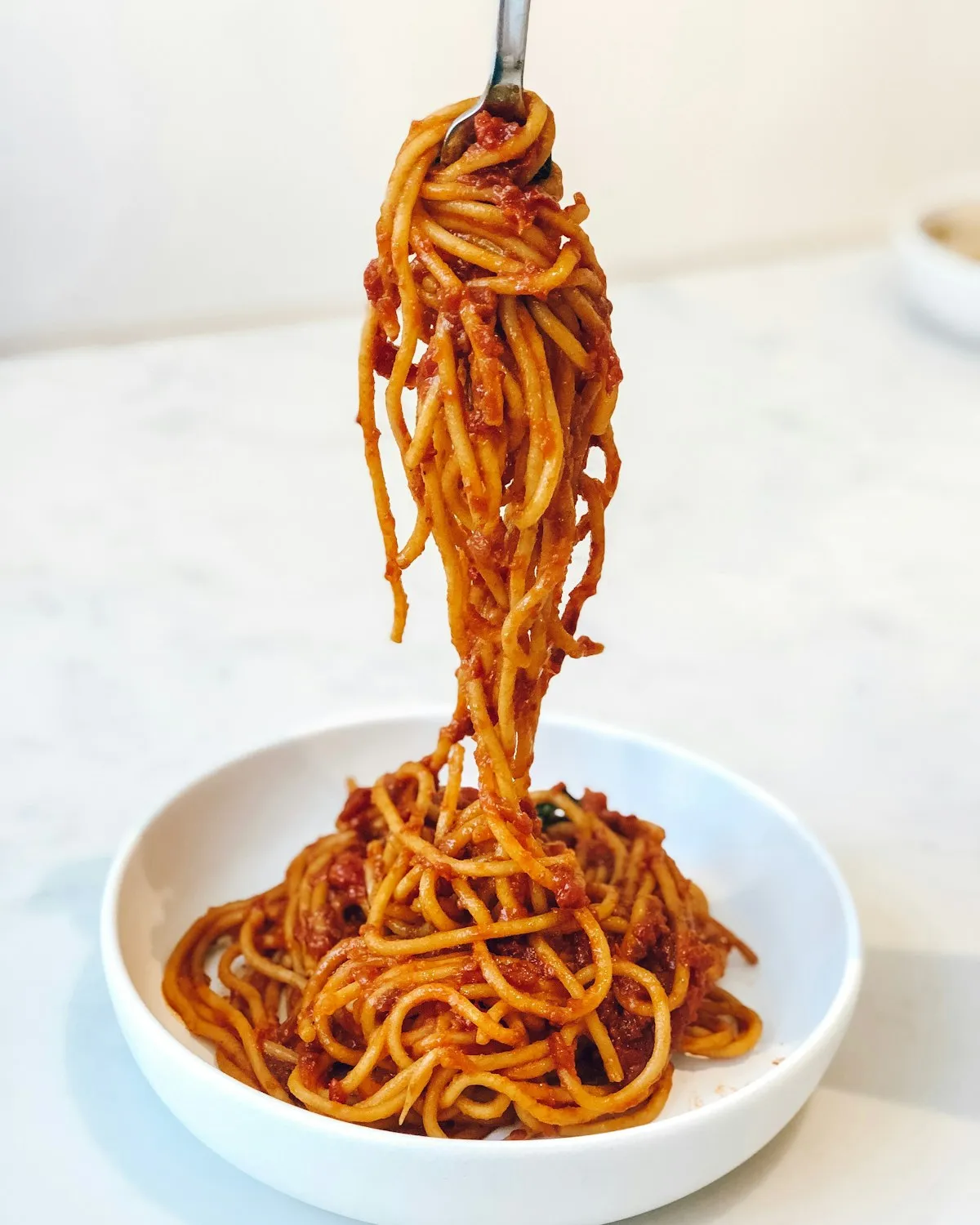
There is something undeniably nostalgic about a big, bubbling pot of beef and macaroni. Whether you grew up calling it American Goulash, Slumgullion, or simply "that beefy pasta stuff," it’s the ultimate hug in a bowl. When you’re looking for budget friendly recipes that don't taste like you're pinching pennies, this one-pot wonder is your best friend. It’s hearty, soul-warming, and arguably better as leftovers the next day. If you’re tired of the same old quick family meals, it’s time to lean into this retro classic that prioritizes flavor and efficiency.
The Science of the Sizzle and the Simmer
Getting a one-pot meal right isn't just about throwing things in a vessel and hoping for the best; it’s a delicate dance of chemistry. The first and most critical stage is the Maillard reaction. When you brown your ground beef, don’t just gray it: sear it. Use a heavy-bottomed pot, like a Dutch oven, to ensure even heat distribution. If your pot is too thin, you’ll end up with "hot spots" that scorch the sauce while leaving the meat lackluster. Spread the beef out and let it sit undisturbed for a few minutes. That deep brown crust is where the savory "umami" profile originates.
Once the meat is browned, you’ll notice a layer of caramelized bits stuck to the bottom of the pot. This is "fond," and it is liquid gold. Use your tomato liquids or a splash of broth to deglaze the pot. Scrape every single bit of that residue into the sauce. This incorporates concentrated flavor back into the dish. While we often look for healthy dinner ideas that skip the fat, remember that some fat is necessary to carry the flavors of your dried herbs, like oregano and thyme, which are fat-soluble.
The real magic happens when the macaroni hits the sauce. In a traditional pasta dish, you boil the noodles in water and toss the starch down the drain. In a one-pot goulash, that starch stays in the pot. As the elbow macaroni cooks directly in the tomato base, it releases starch molecules that act as a natural thickener. This creates a velvety, cohesive sauce that clings to every noodle. It’s a scientific shortcut to a richer mouthfeel without needing heavy creams or butter.
Avoid adding your pasta too early. If you simmer the pasta for the full duration of the sauce development, you’ll end up with a mushy, over-saturated mess. Simmer your tomato and beef base first to let the acidity of the tomatoes mellow out and the flavors meld. Only then should you introduce the macaroni to its flavorful bath. This ensures the pasta retains a distinct "al dente" bite while being fully infused with the savory sauce.
Clever Variations for Every Palate
While the classic version is hard to beat, this recipe is a fantastic canvas for experimentation. If you are leaning toward more healthy dinner ideas, try swapping half of the ground beef for finely chopped mushrooms or lentils. The mushrooms provide a similar meaty texture and boost the earthy notes of the sauce. You can also throw in a handful of spinach or kale at the very end; the residual heat will wilt the greens perfectly without turning them into a soggy afterthought.
For those who crave a bit of a kick, turn this into a "Spicy Tex-Mex" Goulash. Swap the traditional Italian herbs for cumin, chili powder, and a can of diced green chiles. Finish the dish with a squeeze of lime juice to cut through the richness. Acidity is a powerful tool in cooking: it brightens dull flavors and balances the heavy proteins. If your goulash feels "flat," a teaspoon of red wine vinegar or a splash of Worcestershire sauce can wake up the entire pot.
If you're hunting for more budget friendly recipes that use what’s in the pantry, don't be afraid to change the pasta shape. While elbow macaroni is the standard, rotini or penne work beautifully because their ridges and hollow centers are designed to trap the meat sauce. Just keep an eye on the cooking time, as larger shapes might require a few extra minutes and a splash more liquid.
Perfect Side Dish Pairings
Because American Goulash is so rich and savory, your side dishes should provide a sharp contrast in texture and flavor. A crisp, acidic green salad is the classic partner. Use a lemon-tahini dressing or a simple balsamic vinaigrette to provide a "palate cleanser" effect between bites of the hearty pasta.
If you want something warm but still light, consider roasted vegetables. Interestingly, if you're looking for air fryer recipes dinner additions, air-fried broccoli or asparagus spears are a fantastic choice. The high-heat circulation creates crispy, charred edges that offer a delightful crunch against the soft macaroni.
For the ultimate comfort experience, go with garlic bread. However, instead of the soggy, buttery mess often found in frozen aisles, make your own with crusty sourdough. The slight tang of the sourdough complements the sweetness of the cooked tomatoes, and the toasted crust provides the necessary resistance to the tender beef and pasta.
Frequently Asked Questions
Why did my macaroni turn into mush?
This usually happens for two reasons: overcooking or adding the pasta too early. Pasta continues to cook as long as it is in hot liquid. Always aim for one minute under the package instructions' "al dente" time. The carryover heat will finish the job as you set the table. Also, ensure you aren't adding the pasta until the sauce has finished its initial simmer.
Can I make this in a slow cooker?
You can, but the texture will be different. Slow cookers struggle with starch management. If you must use one, cook the beef and sauce base on low for 6–8 hours, but only add the dry pasta during the last 20–30 minutes of cooking. Adding it at the start will result in a paste-like consistency.
How do I store and reheat leftovers?
Pasta in sauce is notorious for soaking up liquid as it sits in the fridge. When reheating, add a tablespoon of water or broth to loosen the sauce back up. Use a microwave-safe cover to trap steam, which helps re-hydrate the noodles without making them rubbery. This is one of those quick family meals that actually freezes quite well, provided you don't overcook the pasta initially.
My sauce is too thin; what happened?
You likely had too much liquid or didn't allow enough starch to release. Let the pot sit uncovered for the last 5 minutes of cooking to allow some moisture to evaporate. Alternatively, turn up the heat slightly and stir more frequently: this agitation encourages the pasta to release more starch, which binds the sauce.
Is this recipe healthy?
It can be! For more healthy dinner ideas, use lean ground turkey or 90/10 beef. You can also use whole-wheat macaroni for added fiber, though you may need a bit more liquid as whole-wheat pasta is more "thirsty" than traditional semolina pasta.
Can I skip the sugar in the tomato sauce?
Many old-school recipes call for a pinch of sugar. This isn't just for sweetness; it’s to balance the metallic tang of canned tomatoes. If you want to avoid refined sugar, try adding a finely grated carrot during the onion-sauteing phase. The natural sugars in the carrot will melt into the sauce and provide that necessary balance.
Check out our other quick meals for more inspiration on how to get dinner on the table without the stress.