Recipe
Servings
Servings 1×
Ingredients
- Tofu
- Quinoa
- Noodles
- Rice
- Bread
- Carrots
- Cooking oil
- Salt
Method
- Use a dedicated press or a heavy cast-iron skillet to force out that interstitial water.
- Cut your vegetables into thin matchsticks to maximize the surface-area-to-volume ratio.
- Heat causes those delicate volatile oils to break down or evaporate, leaving you with limp, grassy-tasting greens.
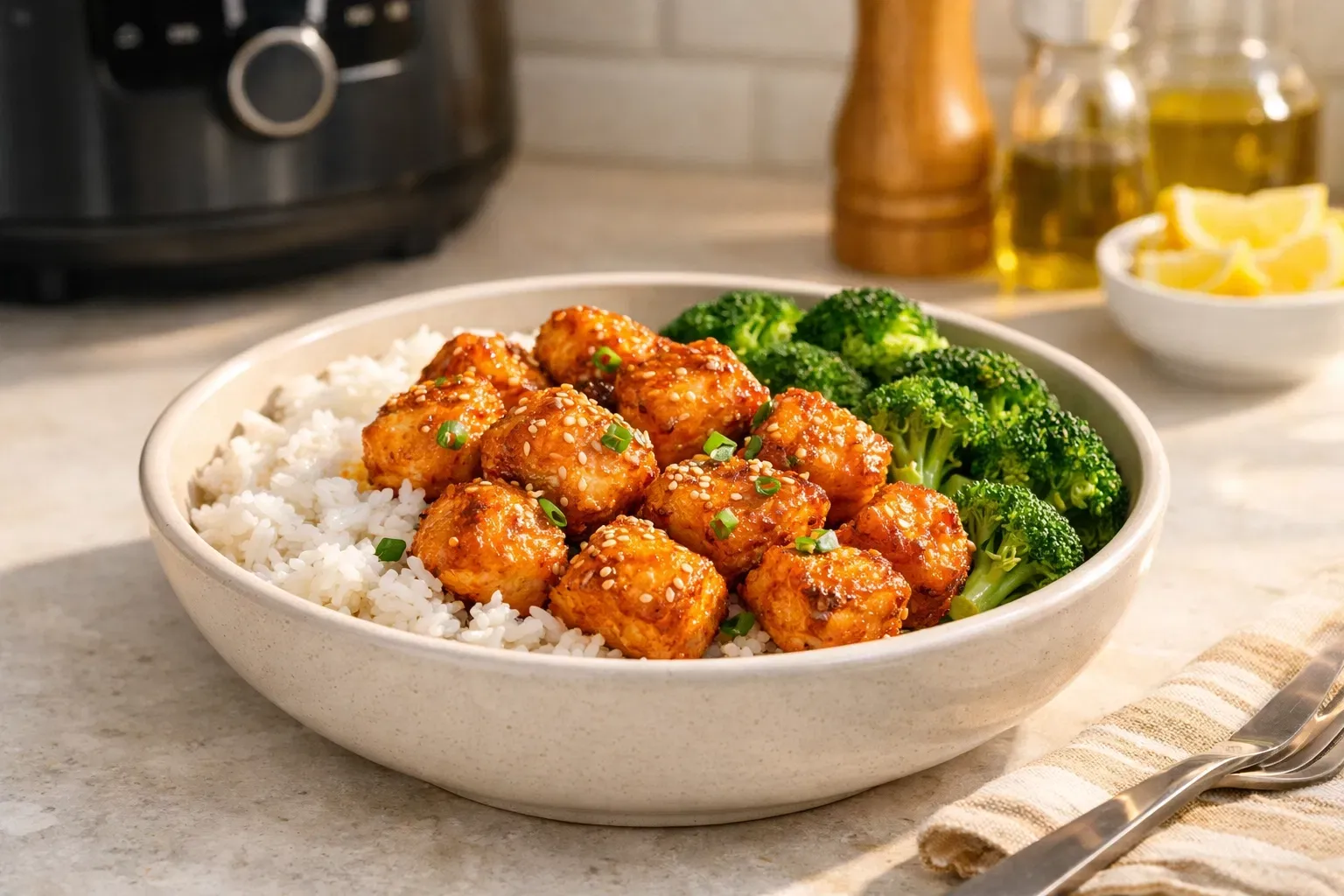
You know that feeling when you're craving something that’s both indulgent and incredibly fresh? That’s where my crispy tofu Banh Mi bowls come in. They are one of my favorite plant-based dinner ideas because they hit every single sensory note: crunch, tang, heat, and herb-forward freshness. By deconstructing the classic Vietnamese sandwich, we get all those bold flavors without the heavy bread, making it one of those quick healthy meals you can whip up on a Tuesday night. This isn't just about throwing things in a bowl; it’s about understanding the chemistry of a perfect crust and the physics of a quick pickle to elevate your home cooking game.
The Chemistry of the Crunch: Maillard and Moisture
To get tofu that actually satisfies, you have to treat it like the protein-water gel it is. Tofu is essentially a matrix of coagulated soy proteins holding onto a massive amount of "free water." If you try to sear it straight out of the package, that water will turn into steam at 100°C (212°F). Since the Maillard reaction: the chemical reaction between amino acids and reducing sugars that gives us that savory, browned crust: doesn't really kick into high gear until about 140°C to 165°C, surface moisture is your ultimate enemy.
Press your tofu firmly. Use a dedicated press or a heavy cast-iron skillet to force out that interstitial water. By compressing the protein network, you’re not just making the tofu denser; you’re ensuring the surface can actually exceed the boiling point of water. Once pressed, pat the surface dry with a paper towel. This is a non-negotiable step if you want a brittle, glass-like exterior.
To further boost the crunch, use a starch coating. Cornstarch or potato starch works best here because they are pure polysaccharides. When these starches hit hot oil, they rapidly dehydrate and form a rigid, microscopic scaffold around the tofu. This protects the interior protein gel from drying out while giving you a high-surface-area crust that traps sauces. Avoid using standard wheat flour if you want maximum crispiness; the protein (gluten) in flour makes for a chewier, breadier coating rather than a shattering crunch.
Osmosis and the Perfect Pickle
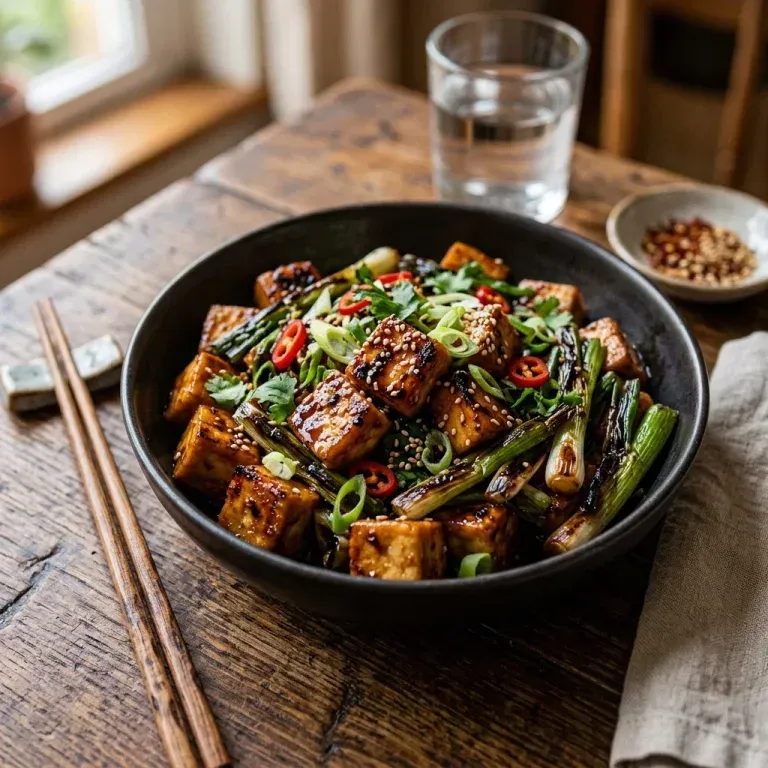
A Banh Mi bowl is nothing without its "đồ chua": the quick-pickled carrots and daikon. This isn't just about flavor; it's about structural engineering. When you submerge raw vegetables in a brine of salt, sugar, and vinegar, you’re initiating a process called osmosis.
The high concentration of solutes (salt and sugar) in the brine creates osmotic pressure that draws water out of the vegetable cells. This slightly dehydrates the cell walls, making them more flexible but also crunchier in a dense way. Simultaneously, the acetic acid in the vinegar diffuses into the vegetables, lowering their pH. This acidity provides the essential "high-pitched" flavor profile needed to cut through the fatty richness of the fried tofu and any creamy sauces you might add.
Cut your vegetables into thin matchsticks to maximize the surface-area-to-volume ratio. This ensures the brine can penetrate to the core in under 20 minutes. If your matchsticks are too thick, the center will remain raw and flavorless, lacking that essential vinegary snap. Check the texture after 15 minutes; they should be pliable enough to bend without snapping, but still offer a distinct "crunch" when bitten.
Balancing the Bowl: Aromatics and Volatiles
While the tofu and pickles provide the foundation, the fresh herbs are what make the bowl sing. Cilantro, mint, and Thai basil are packed with volatile aromatic compounds: oils that evaporate easily at room temperature, sending scents straight to your olfactory receptors.
Never cook these herbs. Heat causes those delicate volatile oils to break down or evaporate, leaving you with limp, grassy-tasting greens. Tear the herbs by hand at the very last second to bruise the leaves and release the oils right before serving. The contrast between the hot, Maillard-browned tofu and the cool, aromatic herbs is what makes this dish feel like a professional restaurant meal.
For the base, think about how your starch interacts with the rest of the bowl. Rice or vermicelli noodles are classic because they have a high surface area that "grips" the dressing. If you’re looking for more plant-based dinner ideas, try using a mix of brown rice and quinoa for a nuttier flavor that complements the roasted notes of the seared tofu. Just like we discussed in our guide on achieving the perfect glossy sauce, the way your starch carries the sauce dictates the entire mouthfeel of the dish.
Variations for Every Kitchen
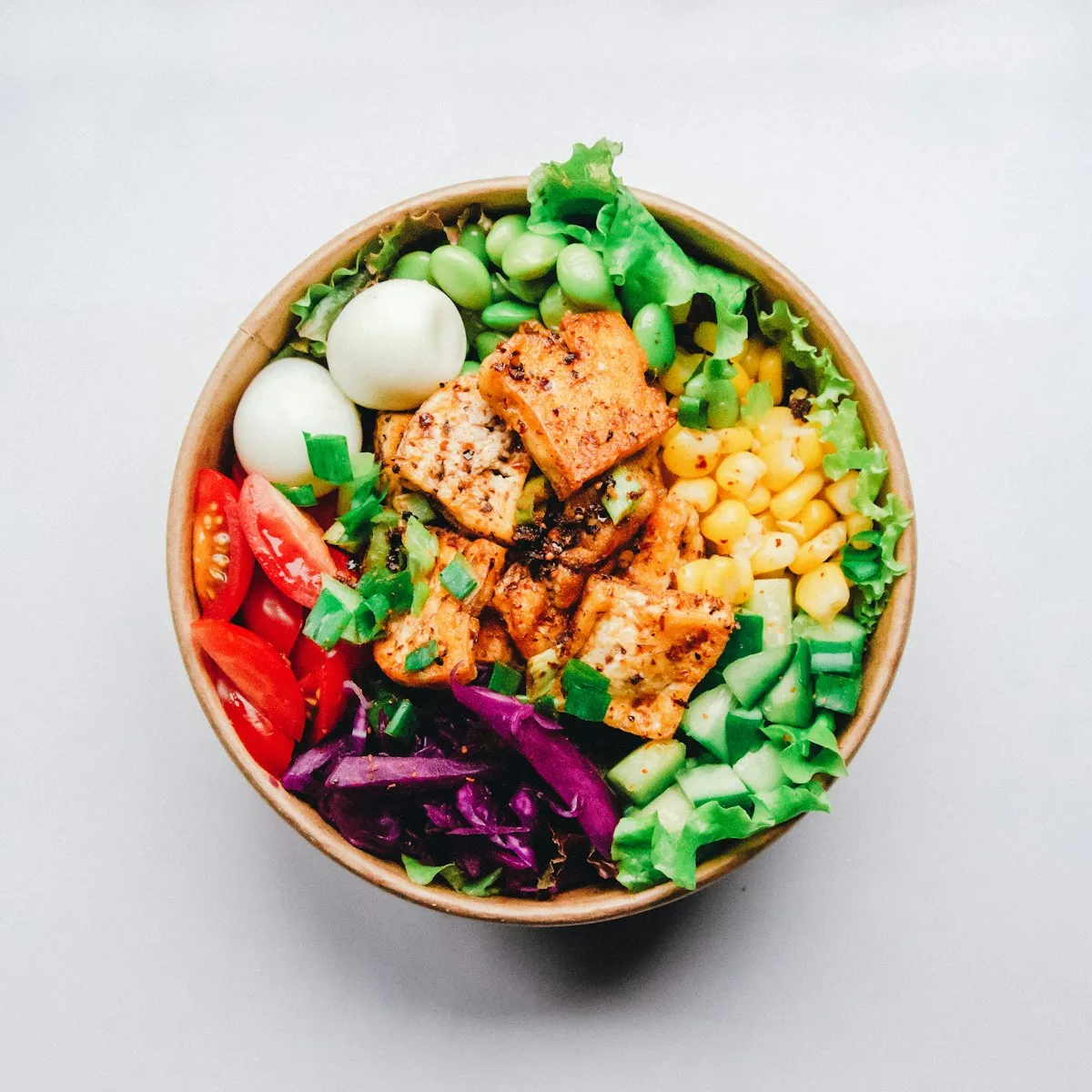
One of the reasons this is a staple for quick healthy meals is its sheer adaptability. You can swap components based on what’s in your pantry or your specific dietary goals.
- The Air Fryer Route: If you want to skip the stovetop mess, use the air fryer. This method uses high-velocity convection to strip moisture away even faster than a pan. Just ensure you don't crowd the basket; if the cubes are touching, the air can't circulate, and you'll end up with soggy sides rather than a 360-degree crunch. It’s a similar logic to our kielbasa air fryer technique: airflow is everything.
- Keto Adjustments: For a low-carb version, swap the rice for cauliflower rice or a bed of shredded cabbage. The cabbage actually mimics the crunch of the pickled vegetables and provides a sturdy base that doesn't get mushy under the weight of the tofu.
- The Protein Swap: While tofu is my go-to, tempeh is a fantastic alternative. Because tempeh is fermented and contains whole soybeans, it has a more complex, nutty flavor profile and a much lower water content, meaning it browns even faster than tofu.
- Spice Levels: If you crave heat, don't just use hot sauce. Slice fresh jalapeños or bird's eye chilies. The capsaicin in fresh peppers provides a "cleaner" heat that doesn't mask the delicate aromatics of the mint and cilantro.
Perfect Side Dish Pairings
While the bowl is a complete meal on its own, adding a side can turn it into a full feast. You want sides that respect the balance of acidity and richness.
- Miso Ginger Broth: A light, savory broth provides a warm, hydrating contrast to the dry crunch of the tofu. The ginger also acts as a palate cleanser between bites.
- Edamame with Sea Salt: This adds an extra hit of plant-based protein and a different textural "pop."
- Summer Rolls: If you have leftover pickled veg and herbs, rolling them into rice paper with some avocado creates a fresh, hand-held side that mirrors the flavors of the bowl.
- Chilled Jasmine Tea: The floral notes of the tea complement the fresh herbs beautifully without adding unnecessary sugar.
FAQ: Troubleshooting Your Bowl
Why is my tofu sticking to the pan?
This usually happens for two reasons: either the pan wasn't hot enough when you added the tofu, or you tried to flip it too soon. Tofu will "release" from the pan naturally once the Maillard reaction has created a structural crust. If it’s sticking, leave it alone for another minute. Also, ensure you are using a well-seasoned cast iron or a high-quality non-stick skillet.
Can I use silken tofu for this?
Avoid silken tofu for this specific preparation. Silken tofu has a much higher water-to-protein ratio and lacks the structural integrity to be pressed or fried into crispy cubes. It’s better suited for sauces or soups. Stick to "extra firm" or "super firm" varieties.
Is it okay to make the pickles in advance?
Actually, it's better! While 20 minutes is the minimum, letting them sit in the fridge for 24 hours allows the brine to fully penetrate the cell walls, resulting in a more uniform flavor. They will stay crunchy for about a week in an airtight container.
Do I really need to use cornstarch?
You don't need it, but it’s the difference between "browned tofu" and "shattering crispy tofu." The starch creates a barrier that prevents the tofu's internal moisture from softening the outer crust. If you're avoiding corn, arrowroot powder or rice flour are excellent substitutes.
What if I don't have rice vinegar?
You can use apple cider vinegar or white wine vinegar. Avoid standard distilled white vinegar if possible, as its acidity is very sharp and lacks the subtle sweetness that makes Banh Mi pickles so addictive. If you must use white vinegar, add a tiny bit more sugar to the brine to balance the "bite."
How do I keep the tofu crispy if I’m meal prepping?
The sad reality of physics is that moisture eventually migrates. Even the crispiest tofu will soften as it sits in the fridge. To revive it, pop the tofu back into a dry pan or an air fryer for 3-4 minutes before assembling your bowl. Never microwave crispy tofu; it will turn into a rubbery disappointment.