Recipe
Servings
Servings 1×
Ingredients
- Tofu
- Rice
- Bread
- Peas
- Cucumber
- Garlic
- Lime
- Coconut milk
- Butter
- Cooking oil
- Soy sauce or tamari
- Sesame
- Chili seasoning
Method
- Let’s get nerdy for a second.
- Use a fine-mesh sieve to dust the cubes evenly; a thick, clumpy layer will just turn into a gummy mess once the sauce hits.
- Keep the heat high and the movement constant.
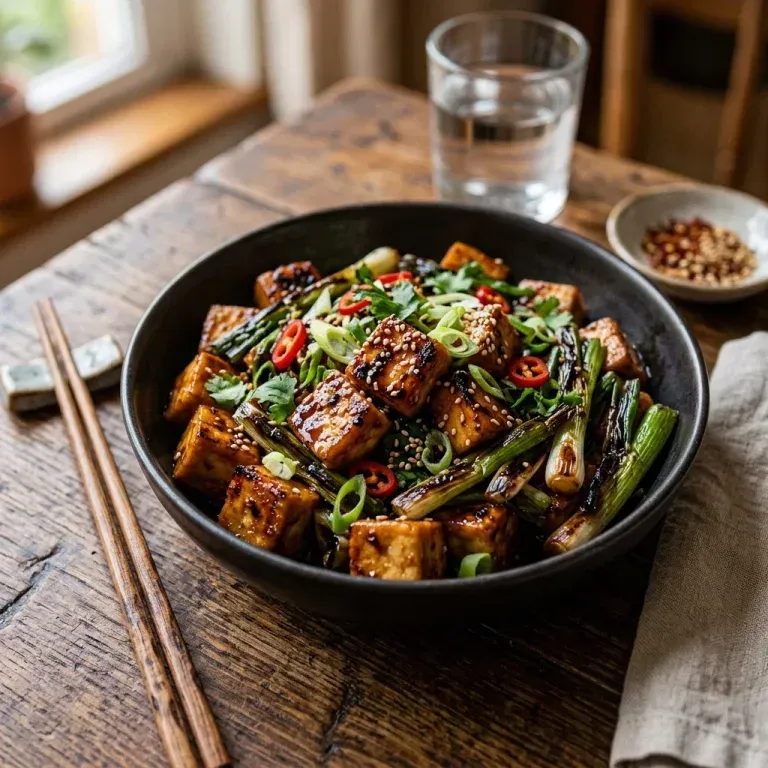
If you’ve ever sat down to a bowl of tofu that had the texture of a wet sponge, I feel your pain. It’s the ultimate kitchen heartbreak. You start with high hopes for a plant-based masterpiece and end up with a plate of sad, beige cubes. But let me tell you, when you nail that perfect crunch, tofu becomes a total game-changer for quick family meals. This stir-fry is my go-to when I want something that feels like a treat but is secretly packed with nutrients. It’s one of those healthy dinner ideas that actually satisfies the soul while keeping your kitchen time to a minimum.
The Science of the Crunch: Moisture is the Enemy
Let’s get nerdy for a second. The reason your tofu usually comes out soft and floppy is simple: water. Tofu is essentially a protein-packed sponge, and if you don't evict that water before it hits the pan, you're steaming your food, not frying it.
Pressing for Success
Pressing is non-negotiable. When you apply pressure to a block of tofu, you’re forcing out the moisture that occupies the spaces between the protein curds. This does two critical things. First, it creates a denser, meatier texture that won't fall apart when you toss it in a hot wok. Second, it clears the way for the Maillard reaction, that glorious chemical dance between amino acids and reducing sugars that happens at high heat. If there’s water on the surface, the temperature won't rise above 212°F (100°C) until that water evaporates. By pressing, you skip the "steaming" phase and get straight to the "browning" phase.
The Starch Shield
After pressing, coat your tofu in a thin layer of cornstarch or arrowroot powder. This acts as a moisture barrier. As the tofu hits the oil, the starch dehydrates instantly, forming a crisp, micro-thin shell. It also creates a rough surface area that the sesame glaze can cling to. Use a fine-mesh sieve to dust the cubes evenly; a thick, clumpy layer will just turn into a gummy mess once the sauce hits.
The Snap Pea Snap
Now, let’s talk about those snap peas. The goal is "tender-crisp," a term often thrown around but rarely explained. The science here is about cellular air pockets. When you flash-cook snap peas over high heat for just 2–3 minutes, you’re heating them just enough to expand the air inside the cells without breaking down the cellulose cell walls.
Avoid overcooking at all costs. If they turn a dull, olive green, you’ve gone too far. The heat has ruptured the cells, the air has escaped, and you’re left with a limp, soggy pod. Keep the heat high and the movement constant. You want them to look bright, neon green, that’s the visual cue that the chlorophyll is still intact and the crunch is preserved.
Stir-Fry Variations: Find Your Flavor
One of the best things about this recipe is its versatility. Once you master the technique of the crispy tofu, you can pivot in a dozen different directions.
The Spicy Kick
If you like heat, swap half the sesame oil for chili oil or toss in a tablespoon of fermented chili paste (Gochujang) into your glaze. The fermentation adds a deep umami layer that plays beautifully with the sweetness of the snap peas. The acidity of the chili paste also helps break through the richness of the fried tofu.
The Nutty Crunch
Try adding a handful of toasted cashews or peanuts at the very end. This adds a different type of crunch, dense and earthy, to contrast with the light, airy snap of the peas. If you're looking for more air fryer recipes dinner inspiration, you can actually toast your nuts in the air fryer for 3 minutes while you prep the stir-fry for an extra depth of flavor.
The Citrus Brightness
If the dish feels too "heavy" or salty, it’s likely lacking acidity. Grate some fresh lime zest over the final dish or add a splash of rice vinegar to the glaze. Acidity acts as a flavor highlighter, making the savory notes of the soy sauce and the sweetness of the peas pop.
Perfect Side Dish Pairings
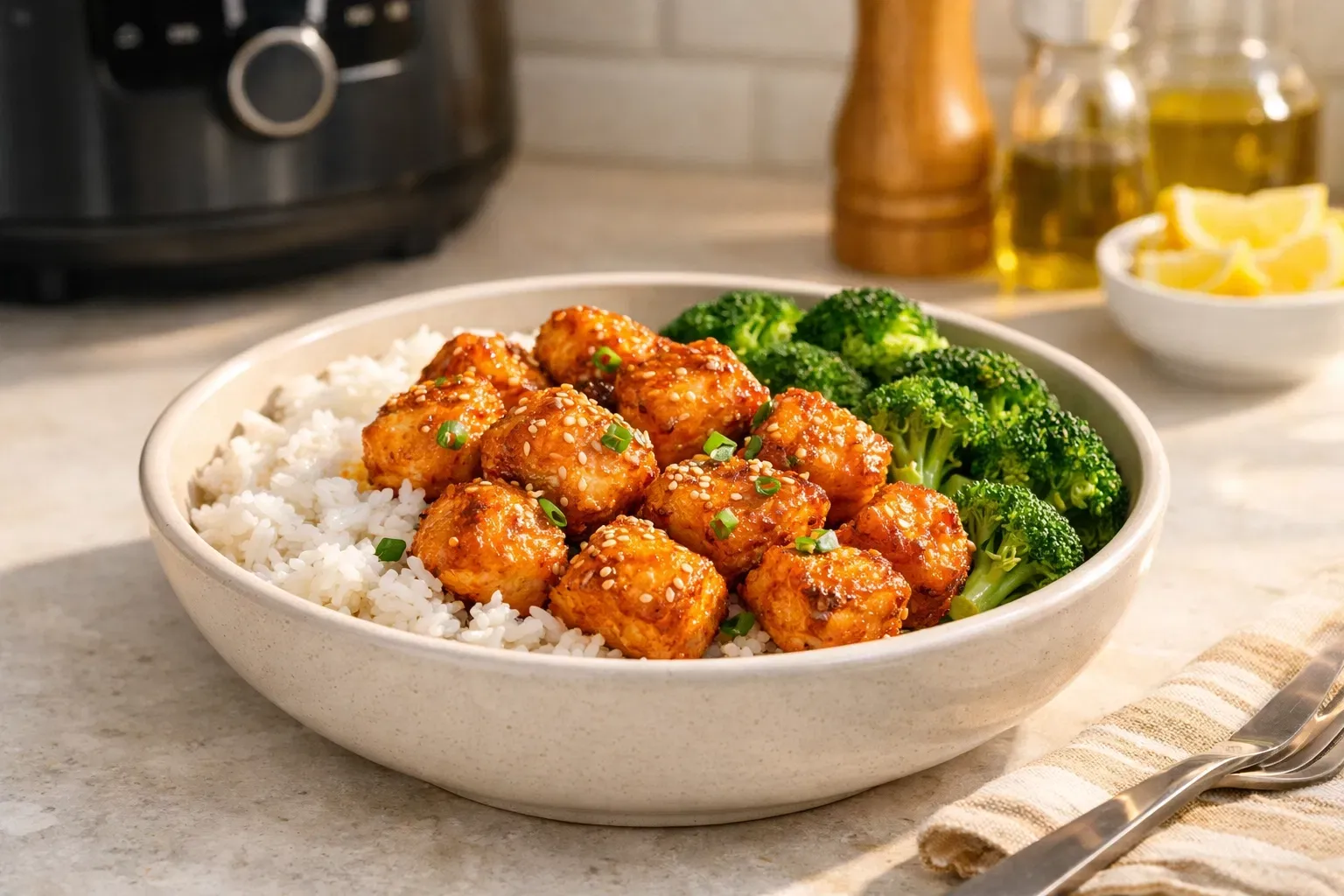
Balance is the name of the game when it comes to plating this stir-fry. Since the tofu and glaze are quite savory and rich, you want sides that can either soak up the sauce or provide a refreshing contrast.
- Coconut Jasmine Rice: The subtle sweetness and floral aroma of jasmine rice cooked with a splash of coconut milk is the ultimate companion. It acts as a neutral base that lets the sesame glaze shine.
- Chilled Smashed Cucumber Salad: For a textural contrast, try a cold cucumber salad dressed with rice vinegar and garlic. The cooling effect of the cucumber cuts right through the heat of the stir-fry.
- Quick Pickled Radishes: If you want something to reset your palate between bites, some quick-pickled daikon or red radishes provide a sharp, vinegary punch that prevents "palate fatigue" from the salty soy glaze.
If you're in the mood for something different, you might also enjoy my Viral Garlic Butter Ramen Hack which uses similar flavor profiles in a totally different format.
Frequently Asked Questions
Why did my tofu stick to the pan?
This usually happens for two reasons: the pan wasn't hot enough or you tried to flip it too soon. Protein bonds to metal when cold, but as it cooks and browns (the Maillard reaction again!), it naturally releases from the surface. If it’s sticking, leave it alone for another 30 seconds. Also, ensure you're using a high-smoke point oil like grapeseed or peanut oil; olive oil will burn before the tofu gets crispy.
Can I use silken tofu for this?
Absolutely not. Silken tofu has a much higher water content and a delicate, custard-like structure that will disintegrate the moment it touches a wok. Stick to extra-firm or super-firm tofu for stir-fries. Save the silken tofu for smoothies or chocolate mousse.
What if I don't have a wok?
Don't panic. A large cast-iron skillet is actually a fantastic substitute. It retains heat exceptionally well, which is exactly what you need for a quick sear. Just avoid crowding the pan; if the tofu pieces are touching, they’ll trap steam between them and lose their crunch. Cook in batches if you have to.
Is this dish actually healthy?
Yes! Tofu is a complete protein, meaning it contains all nine essential amino acids. Combined with the fiber and vitamins in the snap peas, it's one of those healthy dinner ideas that doesn't feel like "diet food." By using a controlled amount of high-quality oil and a glaze made from scratch, you're avoiding the hidden sugars and preservatives found in many store-bought sauces.
Can I make this ahead of time?
Stir-fries are best enjoyed immediately. The longer the tofu sits in the sauce, the more moisture it absorbs, eventually losing that hard-won crispiness. However, you can press and cube the tofu hours in advance and keep it in the fridge. You can also prep the snap peas and mix the glaze ahead of time. When you’re ready to eat, the actual cooking only takes about 10 minutes, making it perfect for quick family meals.
For more efficient kitchen tips, check out my guide on the Air Fryer Sausage and Pepper Medley: it's another masterclass in moisture management and high-heat cooking!