Recipe
Servings
Servings 1×
Ingredients
- Tofu
- Lentils
- Chickpeas
- Black beans
- White beans
- Beans
- Pasta
- Bread
- Kale
- Greens
- Cucumber
- Tomatoes
- Garlic
- Fresh ginger
- Lemon
- Lime
- Balsamic vinegar
- Mustard
Method
- Let’s be honest: your pantry is probably hiding a goldmine.
- Keep the lemon zest and the balsamic glaze on the sidelines until the very end of the cooking process.
- Keep your pot at a "lazy simmer", just a few bubbles breaking the surface.
- Bring your beans and water to a rolling boil for two minutes, then turn off the heat and let them sit for an hour.
- Start with a Red Lentil Ragu.
- Add a splash of liquid and a fresh squeeze of lemon to wake the flavors back up.
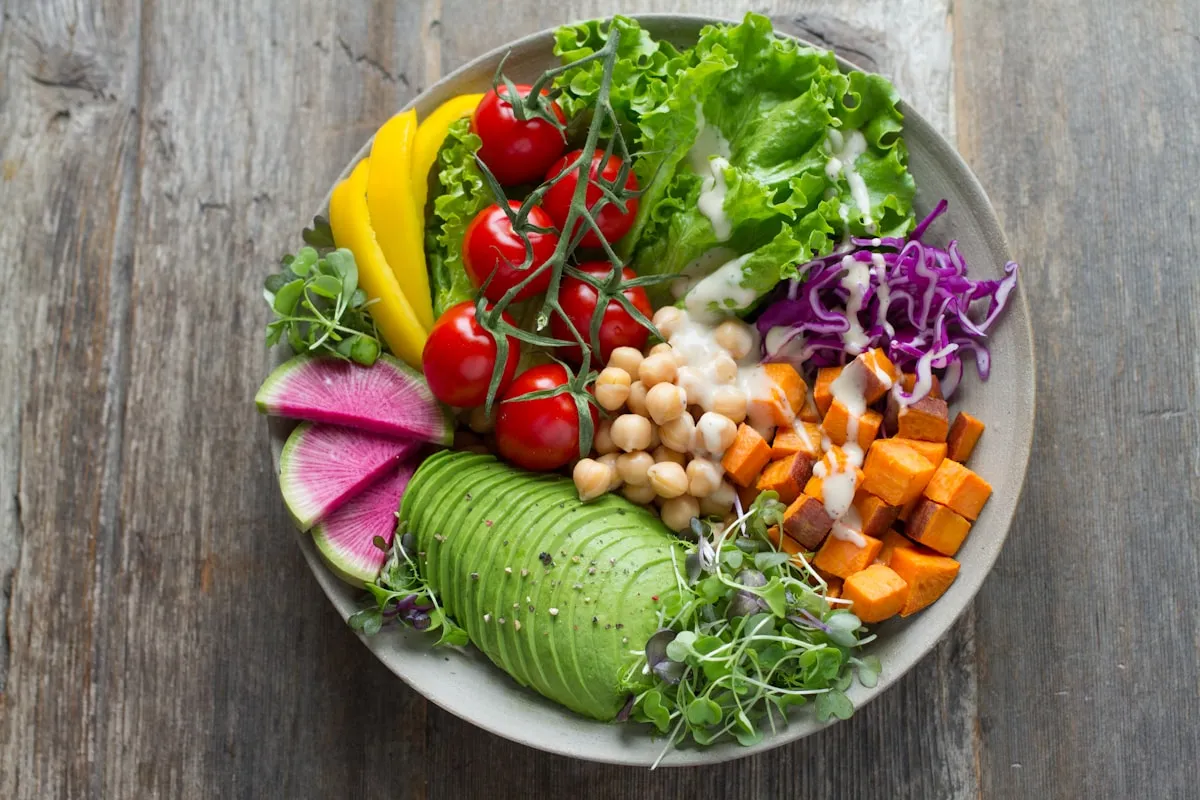
Let’s be honest: your pantry is probably hiding a goldmine. Those dusty bags of lentils and cans of chickpeas sitting behind the half-empty jar of tahini are the secret to the most effortless, satisfying quick family meals you aren't making yet. Legumes are the heavy lifters of the plant world, packed with protein, fiber, and an uncanny ability to soak up whatever flavors you throw at them. Forget sad salads; we’re talking about bowl-licking, soul-warming mains that actually keep you full until breakfast. If you're looking for fresh healthy dinner ideas, it's time to stop overlooking the humble bean.
The Science of the Perfect Simmer
Cooking legumes is less about following a recipe and more about understanding a little bit of kitchen chemistry. Most people treat beans like an afterthought, but if you want that creamy, melt-in-your-mouth texture without the skins bursting, you need to play by the rules of science.
First, let’s kill the biggest myth in the culinary world: salting your soaking water does not make beans tough. In fact, it does the exact opposite. When you soak dried beans in salted water, the sodium ions replace some of the calcium and magnesium in the bean skins. This chemical swap makes the skins more flexible and permeable, meaning they won't explode while the insides turn to mush. Always use about two teaspoons of salt per four cups of water during the soak. Your future self will thank you for the lack of "bean blowouts."
While we’re on the subject of chemistry, let's talk about pH. If you've ever wondered why your beans are still crunchy after three hours of boiling, check your pantry for acidic ingredients. Adding tomatoes, lemon juice, or vinegar too early is a death sentence for tenderness. Acid prevents the pectin in the bean's cell walls from breaking down. Keep the lemon zest and the balsamic glaze on the sidelines until the very end of the cooking process. Think of acid as the finishing touch that brightens the dish, not the foundation.
Temperature control is your next hurdle. Boiling is the enemy of a beautiful bean. High heat causes the legumes to rattle against each other, bruising the skins and leading to a cloudy, unappealing broth. Keep your pot at a "lazy simmer", just a few bubbles breaking the surface. This gentle heat allows the heat to penetrate to the core of the bean evenly. If you’re in a rush, a pressure cooker is a scientifically sound shortcut, as the increased pressure forces moisture into the center of the legume much faster than atmospheric boiling ever could.
Finally, consider the "hot soak" method if you didn't plan ahead eight hours ago. Bring your beans and water to a rolling boil for two minutes, then turn off the heat and let them sit for an hour. This rapid heating starts the process of breaking down the complex sugars (oligosaccharides) that cause digestive distress, while simultaneously hydrating the starches. It’s a win-win for your schedule and your stomach.
Beyond the Basics: 7 Legume Variations
When you're cycling through healthy dinner ideas, variety is the only thing that prevents "healthy" from becoming "boring." Legumes are incredibly versatile, fitting into almost any global flavor profile you're craving.
Start with a Red Lentil Ragu. Unlike their green cousins, red lentils break down almost completely, creating a thick, protein-rich sauce that clings to pasta or polenta. It's the ultimate hack for getting deep, "simmered-all-day" flavor in under twenty minutes. If you want something with more bite, look toward a French Green Lentil Salad. These lentils hold their shape perfectly, making them the ideal base for a warm salad tossed with roasted root vegetables and a sharp mustard vinaigrette.
For those nights when you need quick family meals that feel a bit more exotic, a Coconut Chickpea Curry is a non-negotiable. The fat from the coconut milk carries the spices deep into the heart of the chickpeas. If you prefer something smokier, a Black Bean Chili with chipotle peppers offers a depth of flavor that usually requires hours of meat-braising. For a Mediterranean vibe, a Tuscan White Bean Stew with plenty of garlic and rosemary is essentially a hug in a bowl.
Don't forget the crunch factor. Crispy legumes are a game-changer for texture. You can actually find some great inspiration in air fryer recipes dinner enthusiasts swear by, try tossing seasoned chickpeas or black beans in the basket until they’re golden and popping. They make the perfect "crouton" for soups or a filling for tacos that won't leave you missing the beef. Lastly, try a Mung Bean Stir-fry; these tiny legumes cook incredibly fast and pair beautifully with ginger and soy, providing a bite that's much more interesting than plain tofu.
Balancing the Plate: Side Dish Pairings
Legumes are heavy and earthy by nature. To make a legume-centric meal truly shine, you need to balance that weight with acidity and brightness. Think of your legumes as the "bass note" and your side dishes as the "treble."
A simple, zesty slaw is a bean’s best friend. Whether it's shredded cabbage with a lime-heavy dressing or a quick-pickled cucumber salad, that sharp hit of vinegar cuts right through the starchiness of the beans. If you’re serving a rich lentil stew, a side of bitter greens, like sautéed kale or chard, provides a necessary contrast that keeps the palate refreshed.
Crunch is also vital. Since many legume mains are soft or stew-like, serve them alongside something with a serious snap. A piece of crusty sourdough or even some garlic butter toasted bread can elevate a simple bowl of beans into a restaurant-quality experience. Even a handful of toasted seeds or nuts sprinkled on top can bridge the gap between "mushy" and "magnificent."
Common Kitchen Conundrums (FAQ)
Why do my beans always take longer to cook than the package says?
It’s likely age. Dried beans aren't immortal. If they’ve been sitting on a grocery store shelf (or in the back of your pantry) for three years, the proteins have become so dehydrated and tightly bound that they may never fully soften. Always buy from high-turnover shops. Another culprit could be hard water; the minerals in some tap water can interfere with the softening of the bean. Try using filtered water if you suspect your pipes are the problem.
Is it cheating to use canned beans?
Absolutely not. Canned beans are a miracle of modern convenience and a staple for quick family meals. Just remember that they are already fully cooked, so they only need to be heated through. To maximize flavor, drain and rinse them thoroughly to remove the metallic-tasting "aquafaba" (unless you’re using it for a specific thickening purpose). Treat canned beans like a "blank canvas", simmer them with aromatics like garlic and herbs for ten minutes to make them taste like you spent all day over the stove.
How do I prevent the "musical fruit" digestive issues?
The science here is simple: start slow. If your body isn't used to high fiber, a sudden bowl of chili will be a shock. Gradually increase your intake over a few weeks. Additionally, the soaking process is key. Discard the soaking water and cook the beans in fresh water; this removes many of the complex sugars that our bodies struggle to break down. Adding a piece of kombu (dried seaweed) to the cooking pot can also help, as it contains enzymes that assist in breaking down those tricky carbohydrates.
Can I use these in an air fryer?
Yes! While you shouldn't cook dry beans from scratch in one, the air fryer is excellent for finishing them. Taking inspiration from popular air fryer recipes dinner trends, you can roast cooked chickpeas or edamame until they are incredibly crispy. This is a fantastic way to add protein and texture to any meal without the grease of deep-frying.
How do I store leftovers without them becoming a block of cement?
Legumes continue to absorb liquid as they sit. If you’re making a soup or stew, always store it with a bit of extra broth or water. When you go to reheat it the next day, you’ll find it has thickened considerably. Add a splash of liquid and a fresh squeeze of lemon to wake the flavors back up. Most legume dishes actually taste better the next day as the spices have more time to meld.