Recipe
Servings
ahead meals? 1×
Serves ahead meals?
Ingredients
- Tofu
- Black beans
- Beans
- Rice
- Greens
- Corn
- Onion
- Lime
- Cooking oil
- Sesame
- Chili seasoning
- Salt
Method
- Use extra-firm tofu and actually press it.
- Remove moisture first, and suddenly the pan can do its job.
- Let’s talk about the star of the show: the Maillard reaction.
- Use medium-high heat and pay attention.
- Add salt, and osmosis starts pulling water out of the cells.
- Add lime juice, and the acid begins loosening the pectin that helps hold plant tissues together.
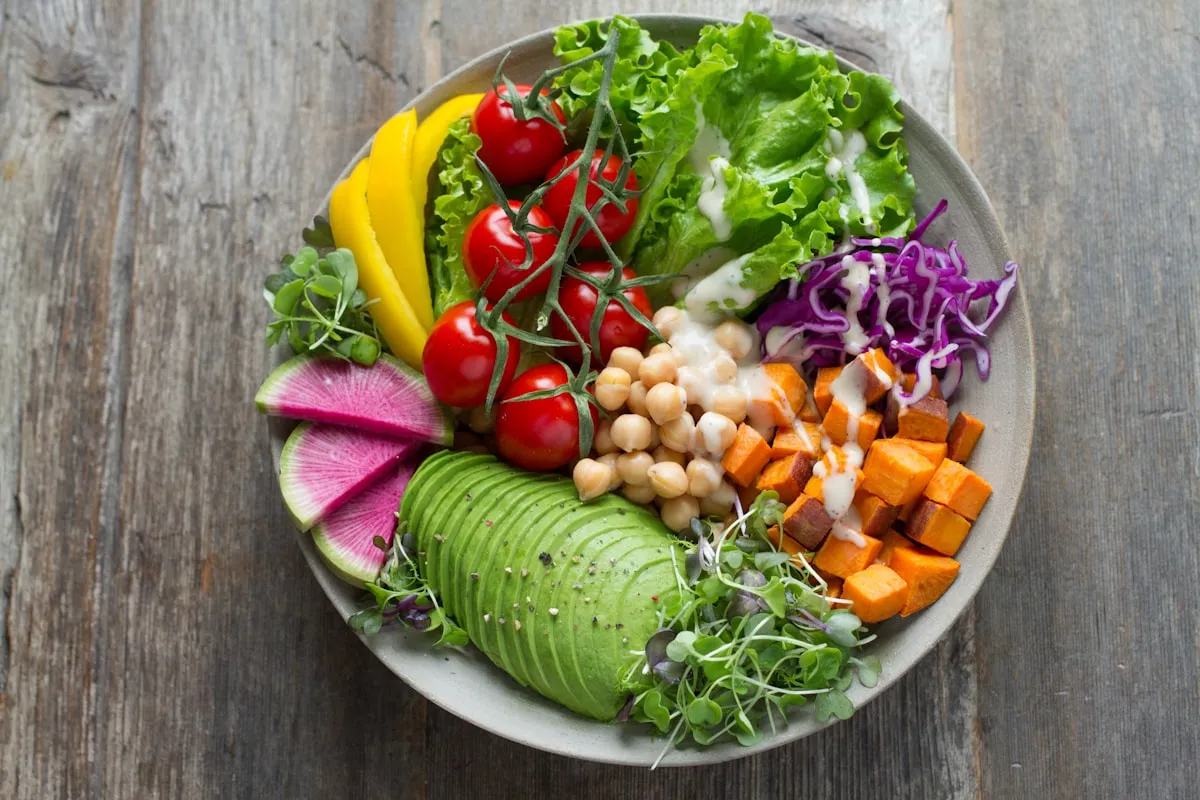
If you’ve ever bitten into a tofu taco only to find a texture reminiscent of a wet sponge, I feel your pain. For a long time, the world of plant-based dinner ideas suffered from a serious "squish" problem. But taco night is sacred in my house, and I refused to let a little excess moisture ruin the vibe. These crispy tofu tacos aren’t just a substitute for meat; they are a textural masterpiece in their own right. When you nail that shatteringly crisp exterior against a zesty, crunch-heavy lime slaw, you aren’t just eating "healthy": you’re eating the best thing on the table.
The Maillard Mission: Why Tofu Can Actually Taste Ridiculously Good
Achieving a restaurant-quality crunch on tofu at home is not luck, and it is definitely not tofu “just doing its best.” It’s chemistry, heat management, and a little discipline. If you want tofu tacos that belong in your regular rotation of quick family meals, start by understanding the enemy: water.
Tofu is basically a network of soy proteins holding onto a lot of moisture. That moisture is useful in some recipes, but here it’s a total buzzkill. When wet tofu hits a hot pan, the energy from the pan gets hijacked to evaporate water first. Translation: instead of browning, the tofu steams. And steamed tofu in a taco is not a personality trait. It’s a problem.
Soy Protein Isolation: How Tofu Gets Its Structure
Before tofu ever reaches your skillet, it starts with soybeans being transformed into soy milk and then into curds. In simple terms, proteins from the soybeans are extracted into liquid, then coagulated so they form a network that traps water and fat. That protein network is the reason tofu can be creamy, firm, bouncy, or sliceable depending on how much moisture remains and how tightly the curds are pressed together.
This matters because tofu is not just “bean stuff in a block.” It’s a carefully formed matrix of isolated soy proteins, mainly glycinin and beta-conglycinin, that coagulate when the right minerals or acids are introduced during production. Once those proteins link up, they create a gel-like structure full of pockets that hold water. That’s great for tenderness, but not great for crisping. So when you press tofu, you’re not changing its identity. You’re reducing the water trapped within that protein matrix so the surface can finally brown like it means it.
Press Hard, Then Press a Little More
Use extra-firm tofu and actually press it. Don’t nod at the idea of pressing and then move on with your life. Do it. Mechanical pressure squeezes out free water, which means the surface can heat faster and brown more efficiently. It also compacts the tofu’s protein structure a bit, giving you a firmer chew and less of that “sad pillow” texture.
The why matters here. Browning reactions need a relatively dry surface and temperatures well above the boiling point of water. If liquid keeps evaporating from the tofu, the exterior stalls around that boiling point and your crust never really gets going. Remove moisture first, and suddenly the pan can do its job.
Starch Is Your Tiny Edible Armor
Once pressed and cut, coat the tofu with starch rather than standard flour. This is one of those non-negotiables. Flour contains proteins that can hydrate and form a slightly tougher, bready film. That has its place. This is not that place.
Cornstarch or arrowroot behaves differently. These pure starches absorb residual surface moisture, then gelatinize and dehydrate in hot oil or hot air, creating a thin shell that turns brittle and crisp. Think less “coating” and more “crunch exoskeleton.” It’s the difference between tofu with a crust and tofu wearing a damp sweater.
Starch also helps with surface roughness, which is a sneaky advantage. A slightly irregular surface increases contact points and creates more nooks for browning. More browning means more flavor. Science is delicious like that.
The Maillard Reaction: The Real MVP
Let’s talk about the star of the show: the Maillard reaction. This is the chain of chemical reactions between amino acids and reducing sugars that creates deep savory notes, roasted aromas, and that gorgeous golden-brown exterior. It’s not the same thing as caramelization. Caramelization is sugar breaking down on its own. Maillard is more like flavor fireworks set off by proteins and sugars meeting heat under the right conditions.
Tofu is actually a solid candidate for Maillard browning because soy proteins bring plenty of amino acids to the party. But the reaction is picky. It wants heat. It wants relatively low surface moisture. It wants time without interruption. That means you should use a properly heated pan, a high-smoke-point oil, and enough space between pieces so they fry instead of steam.
Avoid moving the tofu too soon. This is where impatience ruins dinner. When the crust forms, the tofu naturally releases more easily from the pan. If it’s clinging like it pays rent there, leave it alone for another minute. Browning needs contact and stillness.
Heat Control Is Not Optional
Use medium-high heat and pay attention. Too low, and the tofu dries out before it browns. Too high, and the coating burns before the center warms through. The sweet spot lets the outside dehydrate, the starch crisp, and the Maillard reaction build those nutty, toasty, savory compounds that make tofu taste far more exciting than people expect.
Also, do not overcrowd the pan. I know I already sound bossy, but this is for your own good. Crowding traps steam, lowers surface temperature, and turns “crispy tofu tacos” into “soft beige regret.” Work in batches if needed. Your future self will be smug and well fed.
Lime Slaw Chemistry: Acid, Salt, and a Very Good Attitude
While the tofu handles the high-heat drama, the slaw is busy performing a quieter kind of kitchen magic. Lime-based slaw works because acid and salt change texture, flavor, and water balance in the vegetables. That bright, punchy crunch is not an accident. It’s controlled breakdown.
Cabbage is full of cellulose, hemicellulose, and pectin. Those are the structural materials that keep leaves crisp and rigid. Add salt, and osmosis starts pulling water out of the cells. Add lime juice, and the acid begins loosening the pectin that helps hold plant tissues together. The slaw softens slightly, but if you time it right, it still keeps enough crunch to contrast with the crisp tofu.
That timing is everything. Dress it too early and you get limp, watery slaw. Dress it too late and the lime just sits on the surface tasting sharp instead of integrated. Give the slaw a short rest so the acid and salt can do their thing without taking the whole bowl into mush territory.
Citrus Acids and the Softening of Vegetable Fibers
Lime juice brings citric acid to the party, along with smaller amounts of other organic acids. Those acids don’t melt cabbage into soup, but they do begin changing the structure of the vegetable fibers. The main target is not cellulose itself, which is pretty sturdy, but the pectin and middle lamella materials that help glue plant cells together. As the acid environment shifts, those binding structures weaken, and the leaves become more pliable.
That’s why a lime-dressed slaw feels less raw and rigid after a short rest. The acid helps soften the connective material between cells, while salt continues drawing out water. The result is a slaw that bends instead of snaps like raw cabbage fresh off the cutting board. You still want texture, of course. This is taco night, not cabbage pudding. But a little softening makes the slaw easier to pile high and easier to bite through without launching half the filling into your lap.
Lime Does More Than Taste Bright
Lime juice does not “cook” cabbage the way heat does, but it does alter the perception and structure of the vegetables enough that the slaw feels transformed. Acid brightens flavor by waking up your taste buds and balancing fat. That matters because crispy tofu, even when not deep-fried, still carries richness from oil and browned starch. The lime cuts through that richness so each bite tastes fresh instead of heavy.
Lime also helps aromatic ingredients feel louder. Herbs seem greener. Alliums taste sharper and cleaner. Chili feels more vivid. Acid is basically the volume knob for flavor contrast.
The Curing Effect, Without the Fuss
When people talk about acid “curing,” they usually mean the way acid changes texture and protein structure over time. With vegetables, the effect is milder but still useful. Salt draws out moisture, acid weakens structural components, and the whole mix becomes more flexible and juicy. You want a light cure here, not a full collapse.
Use that principle to your advantage. Keep the slaw crisp enough to fight back a little. Tacos need contrast. The tofu should crackle; the slaw should snap. If both are soft, dinner gets boring fast.
Flavor Variations That Still Respect the Crunch
Once you’ve nailed the base technique, you can riff without wrecking the texture. That’s the line. Creativity is welcome; sogginess is not.
Go smoky by leaning into chipotle, smoked paprika, or toasted cumin. These flavors pair beautifully with the roasted notes created by Maillard browning, so they make the tofu taste even more savory and developed. If you want tacos that feel a little deeper and almost barbecue-adjacent, this is the move.
Take a tropical route with shredded mango or pineapple in the slaw. The sweetness balances lime’s acidity and plays against the tofu’s salty crust. Keep the fruit in moderation, though. Too much juice and you’ll water down the slaw, which is how good intentions become taco leakage.
Try a seed-heavy crust if you want more texture. Sesame seeds or crushed pepitas can add nuttiness and extra crunch, but use them as supporting actors, not the entire outfit. The main event is still that crisp starch shell on the tofu.
If heat is your thing, build it smart. Add chili to the slaw, a creamy sauce, or a finishing oil rather than throwing everything spicy at the tofu itself. Why? Because sugar-heavy or wet spicy coatings can interfere with browning and pull the crust toward sticky instead of crisp.
This is one of my favorite categories of healthy dinner ideas because the structure is flexible without being chaotic. Keep the tofu dry enough to brown, keep the slaw acidic enough to refresh, and you can change the flavor profile all week long without reinventing dinner.
You can also lean more herb-forward if you want a greener, sharper taco. Fresh cilantro, mint, or even a little chopped dill can brighten the whole thing without changing the core texture. Herbs bring volatile aromatic compounds that pop especially well in an acidic environment, which is why lime and fresh greens feel so lively together.
The Best Sidekicks for Crispy Tofu Tacos
No taco is an island. These tacos already bring crunch, acid, and savory depth, so your side dishes should support that balance instead of bulldozing it.
A charred corn salad is an easy win. Corn has natural sweetness, and charring adds a few bitter, smoky notes that mirror the browned tofu. That sweetness takes the edge off the lime without dulling it. In other words, it keeps the plate from becoming too sharp.
Beans are another smart pairing, especially if you want more substance. Go with smoky black beans or pinto beans that are thick rather than brothy. Creamy beans fill the “hearty” role without competing for attention. Keep them spoonable, not soupy. Excess liquid is the mortal enemy of anything crispy.
Rice works too, especially if you keep it fluffy and bright. A citrusy herb rice can echo the slaw, while plain rice gives the tacos space to shine. Quick-pickled onions are another excellent side or topper because they bring acidity with a little sweetness, which rounds out the plate.
The general rule is simple: pair richness with acid, crispness with creaminess, and bold browning with something fresh. That’s how you build a taco night that tastes balanced instead of loud in five different directions.
Frequently Asked Questions
Why isn't my tofu getting crispy?
Ninety percent of the time, the culprit is moisture. If you didn’t press the tofu enough, the pan has to burn off water before browning can even begin. That delays the Maillard reaction and pushes the tofu toward steaming. The other common issue is overcrowding. If the pieces are too close, they trap moisture around themselves like a little sauna, which is lovely for skin care and terrible for tacos. Use extra-firm tofu, coat it evenly, and cook in batches if needed.
Can I make these in an air fryer?
Yes, and this is one of those rare moments when kitchen gadgets earn their counter space. The circulating hot air helps dehydrate the starch-coated exterior quickly, which gives you great crispness with less oil. For fans of air fryer recipes dinner, tofu is a strong candidate because its surface benefits so much from fast evaporation. Just keep the pieces in a single layer and don’t expect the exact same pan-fried contact browning. You’ll get excellent crunch, but the Maillard character may be a little more even and a little less deeply seared.
What if my lime slaw turns watery?
That usually means it sat too long after being dressed, or the vegetables released more moisture than expected. Salt pulls water out of cabbage through osmosis, and acid weakens the structure over time, so the liquid in the bowl is basically kitchen science doing exactly what kitchen science does. Avoid overdressing, toss the slaw shortly before serving, and if needed, drain excess liquid before piling it onto the tacos. Keep the crunch. Protect the tortilla.
Does the acid actually soften the cabbage, or am I imagining things?
You are not imagining things. Citrus acids help soften the vegetable by weakening the pectin-rich materials that hold plant cells together. The effect is not as dramatic as cooking with heat, but it is absolutely noticeable. Given a little time, lime juice makes shredded cabbage more flexible, easier to chew, and better at soaking up flavor. That’s exactly what you want in slaw: enough structure to stay crunchy, enough softening to stop it from feeling like a pile of lawn trimmings.
Can I use bottled lime juice?
You can, but fresh is better here. Bottled juice is often flatter and slightly bitter because volatile aromatic compounds fade during processing and storage. Fresh lime gives you brighter aroma and sharper flavor, which matters in a slaw that’s supposed to balance rich, crispy tofu. If bottled is all you have, use it, but don’t be surprised if the slaw tastes less lively.
Can I use silken tofu if I'm careful?
No. Still no. I respect the optimism, but this is not the recipe for it. Silken tofu has too much water and a much weaker protein structure, so it won’t survive pressing, coating, or frying without collapsing. Save it for smoothies, sauces, or soups where softness is the whole point.
Why does extra-firm tofu behave so differently from softer tofu?
It comes down to water content and protein density. Extra-firm tofu has been pressed more aggressively during production, so the soy protein network is tighter and holds less free water. That means it can brown faster, keep its shape better, and develop a crust without disintegrating. Softer tofu contains more water suspended within a looser protein matrix, which is lovely for custardy textures and absolutely unhelpful when your goal is crispy edges.
Is cornstarch really better than flour?
Yes. Cornstarch is almost pure starch, which means it creates a lighter, crisper shell as it gelatinizes and dehydrates. Flour contains proteins that can form a more cohesive, breadier coating once hydrated. If you want crisp, delicate edges that stay crunchy under slaw, starch is your friend. If you want a thicker crust, flour can work, but it changes the texture completely.
How do I stop the tofu from sticking to the pan?
Heat the pan first, then add oil, then wait until the oil is hot before the tofu goes in. That sequence matters because a properly heated surface reduces sticking and helps the coating set quickly. Then be patient. Tofu often sticks at first and releases once a crust forms. If you try to force it early, you’ll tear the coating and sabotage your own dinner. Let the pan do the work.
What if I want even more flavor on the tofu?
Add dry seasonings to the starch mixture or finish the cooked tofu with a light dusting of spice while it’s still hot. Avoid drenching it in a wet sauce before serving unless you enjoy watching crisp crust turn soft in real time. If you want sauce, serve it at the table or drizzle lightly at the last second. Texture first. Always.
Are these good for make-ahead meals?
Partly. The slaw can be prepped ahead if you store the vegetables and dressing separately. The tofu is best fresh because crisp coatings naturally pull moisture from the air and soften over time. If you need leftovers, re-crisp the tofu in a skillet or air fryer rather than the microwave. This is also why so many air fryer recipes dinner work well for reheating: moving hot air restores surface crunch better than soft, enclosed microwave heat.