Recipe
Servings
Servings 1×
Ingredients
- Salmon
- Tofu
- Chickpeas
- Fettuccine
- Pasta
- Noodles
- Broccoli
- Asparagus
- Garlic
- Lemon
- Balsamic vinegar
- Hard cheese
- Butter
- Cooking oil
- Chili seasoning
- Black pepper
Method
- Prepare the ingredients described in the article and heat the cooking surface or oven as directed.
- Cook the main ingredients using the heat and timing guidance in the article.
- Finish with the seasonings and garnishes named in the article, then serve.
We have been conditioned to believe that a great meal requires a laundry list of ingredients and hours of labor. But let’s be honest: after a long day, the last thing you want is a twelve-step process involving specialty tools and rare spices. In my kitchen, I champion the philosophy that flavor shouldn't be complicated. By focusing on high-quality basics and scientific techniques, you can turn a handful of pantry staples into a masterpiece. These simple pasta recipes aren't just shortcuts; they are an exercise in culinary elegance where every ingredient has a purpose.
The Science of the "Liquid Gold" Emulsion
The secret to why restaurant pasta tastes significantly better than home-cooked versions usually comes down to physics, not a secret ingredient hidden in a locked pantry. When you boil pasta, it releases amylose and amylopectin: two types of starch: into the water. This starchy liquid is what we call "liquid gold." It acts as a natural emulsifier, a bridge that allows fat (like olive oil or butter) and water to bind together into a silky, cohesive sauce rather than a greasy puddle at the bottom of your bowl.
To master this, you must reserve your pasta water at the right time. Scoop out about a cup of that cloudy, bubbling liquid approximately 30 to 45 seconds before you drain the noodles. This is when the starch concentration is at its peak. If you wait until after you’ve drained the pasta, the water cools rapidly, and the starch loses its ability to effectively bind your sauce.
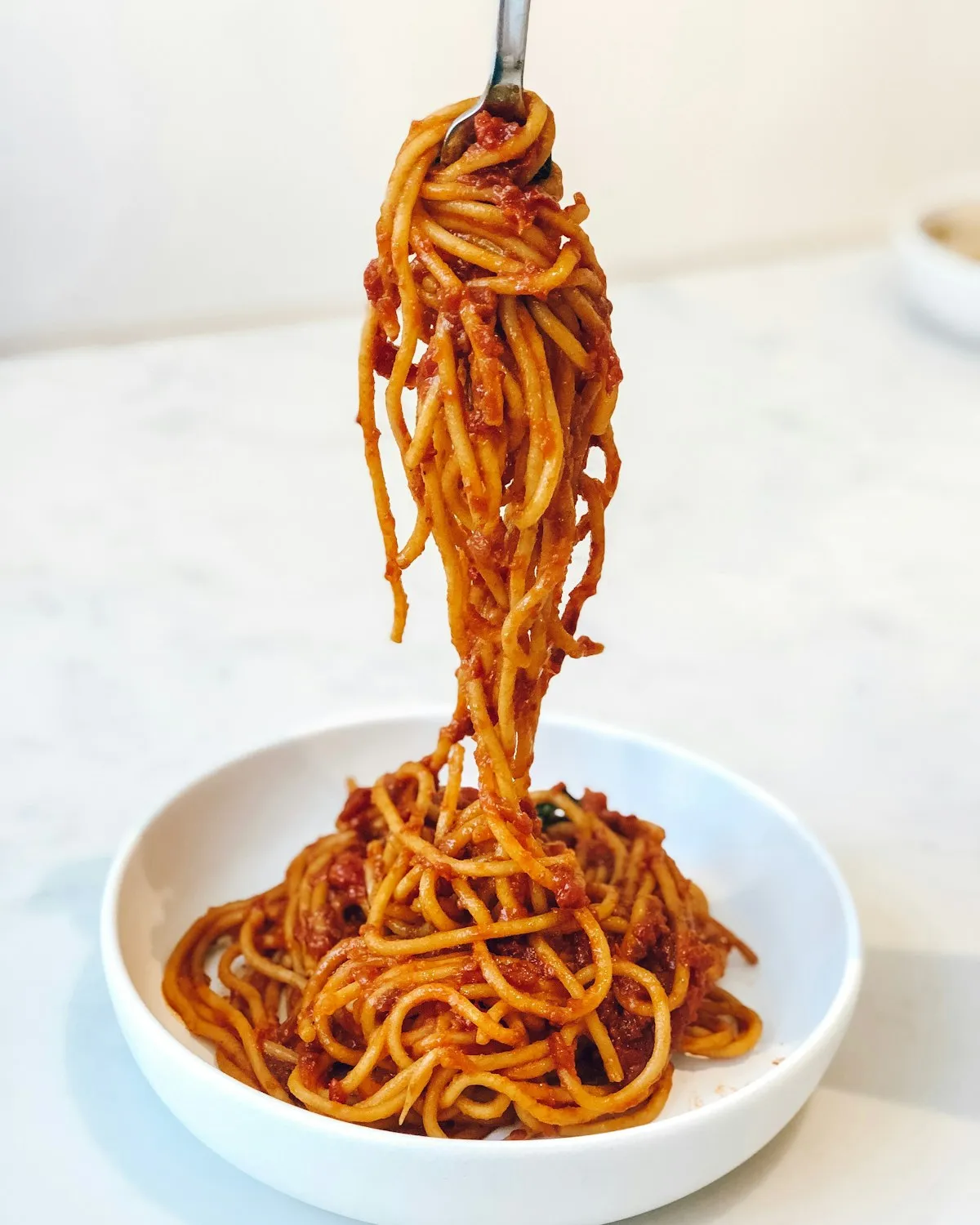
Temperature control is your second non-negotiable technique. For a perfect emulsion, your pan should ideally be between 65°C and 78°C. If the pan is screaming hot, the proteins in any added cheese will clump and seize; too cold, and the starch won't activate. Once you transfer your noodles to the pan with your aromatics (like garlic or chili), add the reserved water in small increments. Toss the pan vigorously. This agitation is critical. It forces the oil droplets to disperse throughout the starchy water, creating what scientists call a Pickering emulsion. This technique is the backbone of quick family meals that feel like five-star dining without the fuss.
Avoid the temptation to use pre-grated cheese from a green can or a plastic tub. These products are often coated in cellulose or potato starch to prevent clumping in the package, which is exactly what will prevent them from melting smoothly into your sauce. Buy a block of Pecorino Romano or Parmesan and grate it finely yourself. The smaller the particle, the faster it will melt and integrate into your emulsion. Check your seasoning early and often, but remember that the reserved pasta water is already salty.
Elegant Variations for Every Night
Once you understand the basic emulsion technique, the variations are endless. You can keep it minimalist with Aglio e Olio: just garlic, olive oil, and red pepper flakes: or you can introduce fresh proteins to create more healthy dinner ideas. A favorite in my household is a simple lemon and herb finish. The acidity of the lemon cuts through the richness of the emulsified butter, brightening the entire profile without adding unnecessary weight to the dish.
If you are looking for a more substantial meal, consider adding flaked fish or sautéed greens. A creamy fettuccine topped with seared salmon and a sprinkle of dill offers a wonderful balance of omega-3s and pure comfort. For those following a plant-based lifestyle, crispy tofu or roasted chickpeas can provide that necessary textural contrast. The goal is to balance the softness of the pasta with something that offers a "bite."
You don’t always need a stovetop to achieve these results either. While we love our pasta, integrating other techniques can save time. For instance, checking out air fryer recipes dinner options can help you prepare crispy toppings or even roast the vegetables you toss into your noodles while the water boils. This multitasking is the key to maintaining a stress-free kitchen environment while still serving something that looks and tastes intentional.
Finding Balance with Side Dish Pairings
Because simple pasta recipes often lean on fats like oil, butter, or cheese for flavor, your side dishes should provide a functional counterpoint. Think in terms of "acidity and crunch." A rich bowl of Cacio e Pepe cries out for a bright, citrusy arugula salad. The peppery bite of the greens and the sharpness of a lemon vinaigrette act as a palate cleanser, making each subsequent bite of pasta feel just as indulgent as the first.
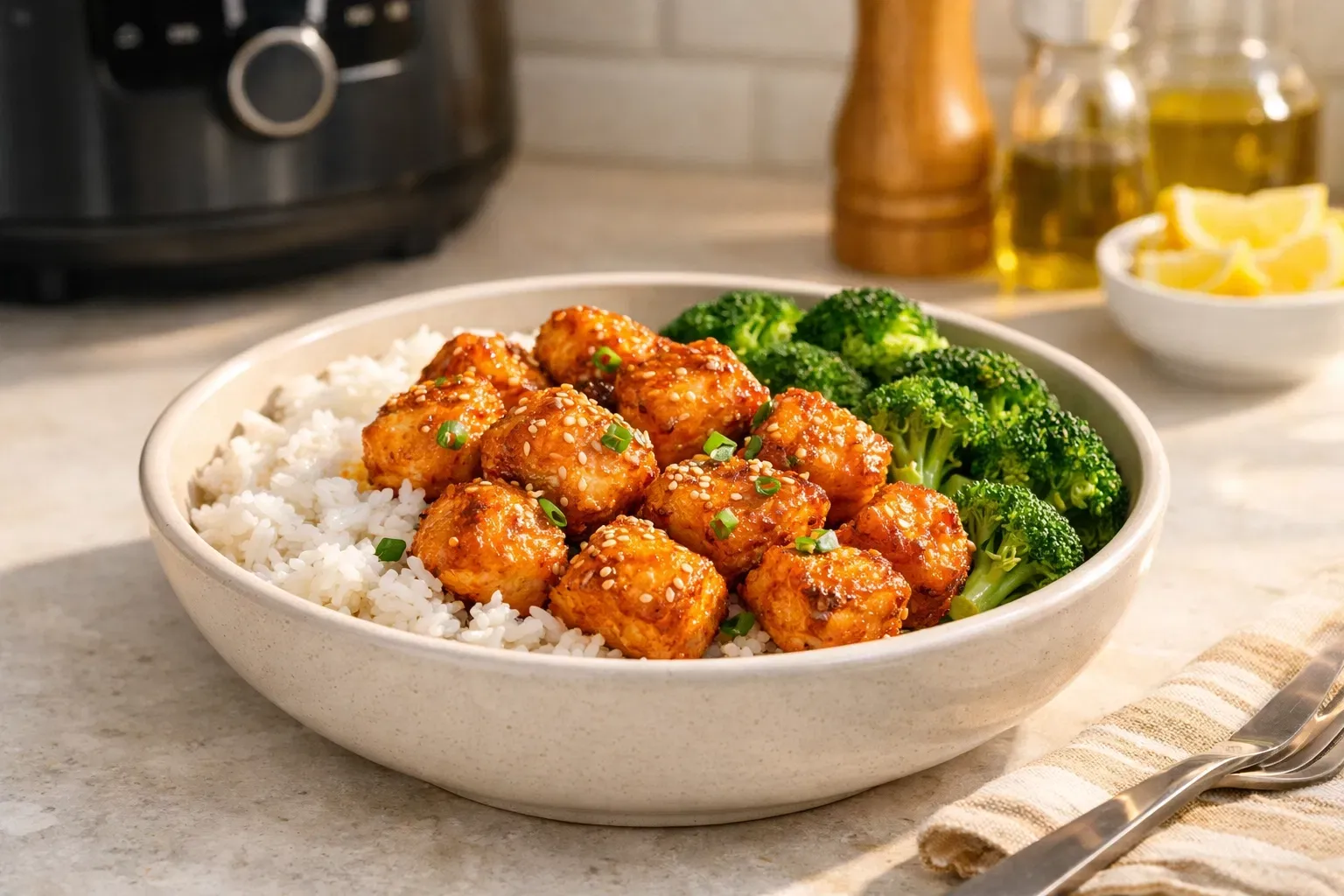
Roasted vegetables are another excellent way to round out these quick family meals. If you have an air fryer, use it to roast broccoli or asparagus with a heavy hand of garlic and a spritz of balsamic vinegar. The high-heat roasting creates charred edges that add a smoky depth to the meal, contrasting beautifully with the smooth texture of the pasta. This approach ensures you are serving balanced, healthy dinner ideas without spending an extra hour over the stove prepping complicated sides.
Frequently Asked Questions
Should I rinse my pasta after boiling?
Absolutely not. This is a culinary sin in the world of simple pasta recipes. Rinsing washes away the precious surface starch that you need for your sauce to cling to the noodles. If you rinse your pasta, your sauce will simply slide off and pool at the bottom of the plate. The only time you should rinse pasta is if you are making a cold pasta salad where you want to stop the cooking process immediately and keep the noodles distinct.
Why does my cheese sauce always turn out clumpy?
Clumping is usually a result of temperature. If you add cheese to a boiling pan, the proteins will shrink and squeeze out the fat, leaving you with rubbery clumps and an oily mess. To avoid this, take the pan off the heat entirely before stirring in your cheese. Let the residual heat of the pasta and the reserved water do the work. This gentle melting is what creates that creamy, restaurant-quality finish you crave.
How much salt should I put in the pasta water?
Your pasta water should be "seasoned like the sea." While that sounds like a cliché, there is a scientific reason for it. Salt is the only ingredient that seasons the pasta from the inside out as it hydrates. Most of the salt stays in the water, but the small amount that penetrates the noodle is essential for flavor. Use about one tablespoon of kosher salt per four quarts of water.
Can I use the air fryer for pasta?
While you can't boil noodles in an air fryer, you can certainly use it to elevate your pasta dishes. Use it to make crispy breadcrumbs, roast cherry tomatoes until they burst, or even crisp up some prosciutto to crumble on top. Exploring air fryer recipes dinner can give you creative ideas for these high-impact garnishes that add texture to a simple dish without adding more pots and pans to your sink.
What if my sauce is too dry?
This is the easiest fix in the kitchen. If your pasta looks dry or the sauce isn't coating the noodles properly, simply add another splash of that reserved starchy water and give it a vigorous toss. The starch will re-emulsify the remaining fats and loosen the sauce back to its ideal, glossy consistency. Never use plain tap water for this, as it lacks the binding power of the starch.
{“@type”:”BlogPosting”,”image”:”https://cdn.marblism.com/o7hGxcgKPrW.webp”,”author”:{“name”:”Penny”,”@type”:”Person”},”faqPage”:{“@type”:”FAQPage”,”mainEntity”:[{“name”:”Should I rinse my pasta after boiling?”,”@type”:”Question”,”acceptedAnswer”:{“text”:”No. Rinsing washes away the surface starch necessary for the sauce to cling to the noodles. Only rinse for cold pasta salads.”,”@type”:”Answer”}},{“name”:”Why does my cheese sauce always turn out clumpy?”,”@type”:”Question”,”acceptedAnswer”:{“text”:”Clumping occurs when the heat is too high. Remove the pan from the heat before adding finely grated cheese to ensure a smooth melt.”,”@type”:”Answer”}},{“name”:”What if my sauce is too dry?”,”@type”:”Question”,”acceptedAnswer”:{“text”:”Add a splash of reserved starchy pasta water and toss vigorously to re-emulsify the sauce.”,”@type”:”Answer”}}]},”@context”:”https://schema.org”,”headline”:”Do You Really Need a Complicated Recipe? Simple Pasta Recipes That Prove Less Is More”,”publisher”:{“logo”:{“url”:”https://cookpedia.com/logo.png”,”@type”:”ImageObject”},”name”:”Cookpedia”,”@type”:”Organization”},”description”:”Discover the science and simplicity behind perfect pasta. Learn why ‘liquid gold’ pasta water is the secret to 15-minute gourmet meals.”,”datePublished”:”2026-07-16″,”mainEntityOfPage”:{“@id”:”https://cookpedia.com/simple-pasta-recipes-less-is-more”,”@type”:”WebPage”}}