Recipe
Servings
Servings 1×
Ingredients
- Chicken
- Chickpeas
- Cauliflower
- Broccoli
- Zucchini
- Mushrooms
- Spinach
- Tomatoes
- Lemon
- Cream
- Hard cheese
- Chili seasoning
- Salt
- Black pepper
Method
- Pat the chicken dry before it meets the pan.
- Use medium-high heat, but do not turn the burner into a dragon.
- Give the chicken enough space to contact the pan.
- Let the cooked chicken rest briefly while you finish the sauce.
- Lower the heat before adding the dairy and keep the pan at a gentle simmer.
- Add the cream gradually while stirring so it blends smoothly with the reduced pan juices.
When dinner needs to be comforting, colorful, and on the table without a mountain of washing up, reach for this creamy sun-dried tomato chicken skillet. It brings together browned chicken, a silky pan sauce, sweet-tangy tomatoes, and tender spinach in one hardworking pan. I love it because it tastes restaurant-worthy but behaves like one of those reliable quick family meals you can make on a busy Tuesday.
Tips & Technique: Build the Sauce, Don’t Just Pour It
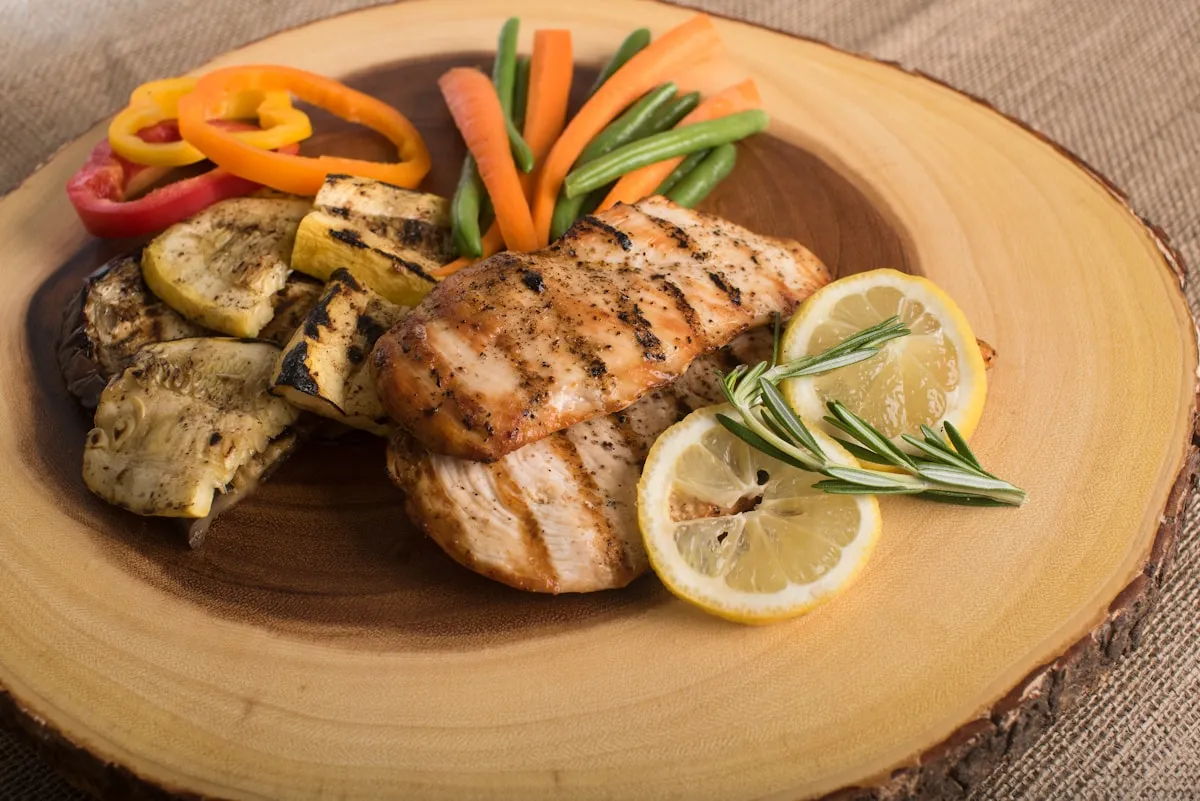
Dry chicken browns better
Pat the chicken dry before it meets the pan. This small step is non-negotiable because surface moisture competes with browning. A wet surface must spend energy steaming before it can develop color, while a dry surface can move more quickly into the Maillard reaction.
That reaction is responsible for the savory, roasted flavor on properly browned meat. It is not simply “cooking until brown.” Heat transforms proteins and sugars into hundreds of new flavor compounds. Those browned bits left on the skillet are concentrated flavor waiting to become sauce.
Use medium-high heat, but do not turn the burner into a dragon. Give the chicken enough space to contact the pan. Crowding traps steam, lowers the surface temperature, and leaves you with pale chicken and a suspicious amount of liquid.
Choose a cut that cooks evenly
Thick chicken breasts are awkward little giants: the outside may be ready while the center is still lagging behind. Flatten thicker pieces to an even thickness or use cutlets. Uniform pieces cook at a more predictable rate, which helps you achieve browning without drying the lean meat.
Check the thickest part with an instant-read thermometer. Chicken should reach 165°F (74°C), as recommended by the USDA’s chicken safety guidance. Do not rely on timing alone. A thinner cutlet and a thick breast do not follow the same schedule, no matter how confidently the clock behaves.
Let the cooked chicken rest briefly while you finish the sauce. Resting gives the muscle fibers a moment to relax and reduces the amount of juice lost when you slice or spoon the chicken into the pan.
Use the browned bits as your flavor foundation
After the chicken leaves the skillet, keep the pan. Those browned fragments are called fond, and they contain much of the savory depth you worked for. Aromatics soften in the remaining fat, loosening the fond and layering flavor into the sauce.
Deglaze with broth or a splash of wine, scraping the bottom with a wooden spoon. The liquid dissolves the concentrated proteins and sugars stuck to the pan. This is not just cleanup disguised as cooking; it is efficient flavor extraction.
Reduce the liquid before adding the cream. Reduction evaporates excess water and concentrates the savory base, so the final sauce tastes full instead of thin. It also gives acidic ingredients time to mellow. Sun-dried tomatoes bring sweetness, tang, and concentrated tomato flavor, but their acidity can make dairy less stable if you add everything at once.
Keep cream at a gentle simmer
Cream sauces need control, not panic. Lower the heat before adding the dairy and keep the pan at a gentle simmer. A vigorous boil can push the sauce toward separation, especially when acid, cheese, and heat are all involved.
Heavy cream is more forgiving than low-fat milk because its higher fat content helps create a stable emulsion. If you prefer a lighter dairy option, maintain especially gentle heat and avoid prolonged cooking. Add the cream gradually while stirring so it blends smoothly with the reduced pan juices.
Parmesan contributes salt, umami, and body. Stir it in over moderate heat rather than blasting it with high heat. The cheese melts into the liquid and helps the sauce cling to the chicken, but aggressive boiling can make the texture grainy or oily. Let the skillet do less. It usually rewards you.
Wilt spinach with residual heat
Spinach does not need a long cooking time. Add it near the end and allow the heat of the sauce to collapse the leaves. Overcooking dulls the color and turns delicate greens from fresh to tired.
This is the same principle used in Cookpedia’s quick chickpea and spinach stew, where spinach is stirred in at the finish to preserve its color and texture. Treat spinach as a finishing vegetable, not a vegetable that needs a full spa day in the pan.
The greens also bring useful balance. Cream and parmesan are rich, while spinach adds freshness, slight bitterness, and visual contrast. Those bitter notes keep the sauce from tasting one-dimensional.
Finish with balance, not more richness
Taste the sauce before serving. Creamy dishes often need brightness more than extra salt. A small squeeze of lemon or a touch of acidity can sharpen the tomato flavor and make the sauce feel lighter on the palate.
Think of acidity as a reset button. Fat carries flavor and creates a luxurious texture, but acid keeps that richness from coating your mouth like a warm blanket you cannot escape. Add brightness carefully at the end, especially if your sun-dried tomatoes are already tangy.
For more chicken technique, compare this skillet method with Cookpedia’s simple lemon herb roasted chicken. The cooking method changes, but the same rules apply: dry surfaces brown better, temperature matters, and acidity keeps rich food lively.
Flavor Variations: Keep the Structure, Change the Mood
Treat this skillet as a flexible formula rather than a dish with only one personality. Keep the core balance of browned protein, flavorful liquid, creamy body, and something green. Then adjust the accents.
- Make it Mediterranean: Add oregano, basil, or a little smoked paprika. Finish with lemon and serve with warm flatbread for a bright, savory dinner.
- Make it spicy: Stir in crushed red pepper or a spoonful of Calabrian chili paste. The heat cuts through the cream and gives the sweet tomatoes more contrast.
- Use chicken thighs: Boneless thighs bring extra fat and a more forgiving texture. Cook them until tender rather than stopping as soon as they reach the minimum safe temperature.
- Add mushrooms: Brown them properly instead of crowding the pan. Their umami flavor pairs naturally with tomato, parmesan, and cream.
- Make it lighter: Use a smaller amount of cream and loosen the sauce with broth. Keep the parmesan for concentrated flavor rather than replacing richness with a long list of extras.
- Make it low-carb: Serve the chicken over sautéed zucchini, cauliflower mash, or roasted broccoli. These options fit comfortably among healthy dinner ideas without making the plate feel like an apology.
- Try an air fryer shortcut: Cook the chicken separately in the air fryer, then make the sauce in a skillet and combine everything at the end. It is a useful variation for anyone collecting air fryer recipes dinner options, though the skillet method remains best for developing fond and a deeply flavored sauce.
Side Dish Pairings: Add Contrast to the Plate
Pair this rich skillet with something crisp, acidic, or lightly bitter. A simple arugula salad with lemon dressing is ideal because its peppery leaves cut through the cream while the acidity keeps the meal tasting fresh.
For a heartier plate, serve the chicken with crusty bread, rice, or pasta. Choose a plain starch that can catch the sauce without adding another heavy flavor. The skillet already supplies plenty of savory drama.
Roasted green beans, asparagus, or broccoli add texture and keep the meal colorful. A sharp cucumber salad or vinegary slaw works especially well when you want quick family meals that feel filling but not overly rich. Skip another creamy side. Two rich sauces at dinner is how leftovers start looking emotionally attractive.
FAQ: Troubleshooting Your Creamy Chicken Skillet
What if the cream sauce splits?
Lower the heat immediately and stop boiling. A split sauce usually means the emulsion has been pushed too hard by high heat, acidity, or prolonged cooking. Whisk in a small splash of warm broth or cream to bring the liquid back together gradually.
Prevent the problem by reducing the broth and tomato mixture before adding dairy. Use full-fat cream when possible, add it over moderate heat, and keep the sauce at a gentle simmer. Do not leave the pan unattended while the sauce is thickening. Cream has a talent for going from calm to chaotic while you answer one text.
What if the sauce is too thin?
Give it a little more time over low to medium-low heat so excess water can evaporate. Stir regularly and avoid raising the heat aggressively, which may cause separation before the sauce thickens.
Remember that the sauce will continue to cling as it cools slightly. Do not reduce it until it looks dramatically thick in the pan, or it may become heavy once served. If you need extra insurance, a small amount of starch whisked into cool broth can stabilize and thicken the sauce.
What if the sauce is too thick?
Loosen it with warm broth, a little cream, or water. Add liquid gradually and stir between additions. Cold liquid can cool the pan unevenly and make the sauce tighten temporarily, so warm liquid blends more smoothly.
Taste again after thinning. Adding broth may reduce the perceived saltiness, while cream may soften the tomato and garlic flavors. Adjust brightness at the end rather than automatically adding more salt.
Why is my chicken tough?
The chicken may have been overcooked, cut too thickly, or cooked in a crowded skillet. Thick pieces take longer to heat through, while thin edges can dry out before the center is ready. Use even pieces and check temperature instead of relying only on minutes per side.
Also avoid simmering the chicken in the sauce for too long after it is cooked. Return it long enough to heat through and absorb flavor. The sauce is a finishing environment, not a hot tub.
Can I use chicken thighs instead of breasts?
Yes. Boneless, skinless thighs are excellent here because their higher fat content helps them stay juicy. They also contain more connective tissue, which becomes tender with slightly longer cooking.
Check the thickest part for doneness, but judge thighs by texture as well as safety. They are often more pleasant when cooked beyond the minimum temperature because collagen has had time to soften.
Can I make this dairy-free?
Use an unsweetened, full-fat plant cream designed for cooking. Avoid strongly flavored products that will compete with the sun-dried tomatoes. Nutritional yeast or a dairy-free parmesan alternative can add savory depth, though the sauce may not behave exactly like one made with cream and parmesan.
Keep the same technique: brown the chicken, build flavor in the pan, reduce the liquid, and add the replacement cream over gentle heat.
How should I store and reheat leftovers?
Cool leftovers promptly and refrigerate them in a sealed container. Reheat gently in a skillet or saucepan with a splash of broth. Low heat matters because high heat can tighten the chicken and split the sauce.
Avoid boiling the leftovers. Stir occasionally and stop once everything is hot. The sauce may be slightly less silky on day two, but gentle reheating keeps it close to its original texture.