Recipe
Servings
Servings 1×
Ingredients
- Chicken
- Pasta
- Zucchini
- Mushrooms
- Lemon
- Cream
- Hard cheese
- Salt
Method
- Pat the chicken dry before it meets the pan.
- Use a hot, wide skillet and give the chicken room.
- Sear in batches if necessary.
- Let the mushrooms cook in that same skillet.
- Keep the pan hot enough for that moisture to evaporate, and the mushrooms will move from steamy and soft to browned and savory.
- Give them enough uninterrupted contact with the pan to develop color.
If you are new to keto cooking, start with a skillet. It is forgiving, fast, and far less dramatic than trying to make three separate side dishes behave at once. This creamy mushroom and chicken skillet with zucchini delivers rich flavor without flour, pasta, or a sink full of dishes. It is one of my favorite healthy dinner ideas for a busy night because the ingredients are simple, the technique is manageable, and the finished sauce tastes far more impressive than the effort suggests.
Tips & Technique: The Science of a Better Keto Skillet
Dry chicken creates better browning
Pat the chicken dry before it meets the pan. Do not skip this step.
Surface moisture has to evaporate before browning can begin. If the chicken is damp, the pan spends its energy producing steam instead of developing that golden crust you want. Once the surface dries, the Maillard reaction gets to work. That is the group of chemical reactions between proteins and sugars that creates deeper savory flavors and appetizing color.
Use a hot, wide skillet and give the chicken room. Crowding traps steam, lowers the pan temperature, and leaves you with pale chicken that looks as if it has been waiting for a bus. Sear in batches if necessary. You are not trying to cook the chicken completely at this stage; you are building flavor and creating browned bits for the sauce.
Fond is free flavor
After the chicken leaves the pan, look at the bottom. Those brown patches are fond, and they are not burnt debris unless they are truly black. They are concentrated flavor from the seared proteins.
Let the mushrooms cook in that same skillet. As they heat, they release water. Keep the pan hot enough for that moisture to evaporate, and the mushrooms will move from steamy and soft to browned and savory. Avoid stirring constantly. Give them enough uninterrupted contact with the pan to develop color.
Add the zucchini after the mushrooms have had a chance to lose some moisture. Zucchini contains plenty of water, so it can quickly turn a skillet into a puddle if you cook too much of it at once. Use moderate pieces rather than paper-thin slices, and stop cooking while they still have a little structure. Soft is good. Limp is a lifestyle choice.
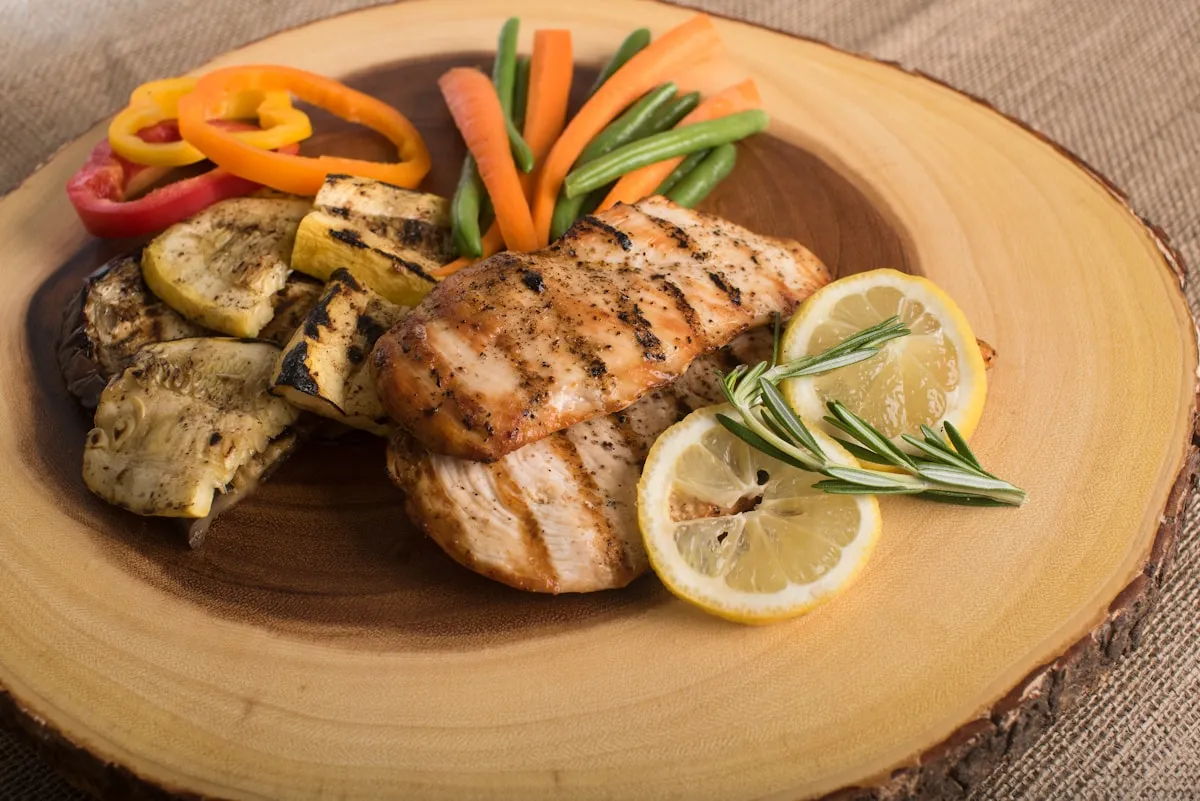
Gentle heat protects a creamy sauce
The sauce thickens as water evaporates from the cream and broth. You do not need flour or a starch slurry, which keeps the dish low in carbohydrates. You do need patience.
Lower the heat before adding the cream. A furious boil can make dairy separate, especially when cheese is involved. A gentle simmer encourages gradual reduction and gives the sauce time to develop body. Stir occasionally, but do not whisk as if the sauce owes you money.
Parmesan adds both saltiness and thickness. Its finely grated proteins and fat blend into the cream, making the sauce feel fuller. Add it gradually and taste before adding more salt. Cheese is helpful, but it is also a tiny salt mine wearing a pleasant personality.
Deglaze before you enrich
Add the broth while the skillet is still warm, then scrape the bottom with a wooden spoon. This loosens the fond and distributes those browned flavors through the liquid. Deglazing also gives the sauce a lighter backbone, which matters because cream, chicken, and cheese can become heavy without a little savory lift.
Use acidity at the end if the finished dish tastes flat. A small squeeze of lemon or a few drops of vinegar will not make the sauce sour when used carefully. Acid changes your perception of richness. It brightens the flavor and keeps the cream from coating your palate like a winter blanket.
For more everyday chicken technique, visit my guide to simple lemon herb roasted chicken. The methods are different, but the same principles apply: dry the surface, control the heat, and use a thermometer instead of hopeful guessing.
Finish the chicken in the sauce
Return the seared chicken to the skillet only after the sauce has started to thicken. This lets the chicken finish gently while its juices mingle with the cream. Keep the heat low enough to prevent the sauce from breaking, but high enough to maintain a steady simmer.
Check the thickest part of the chicken with a food thermometer. The USDA recommends a minimum internal temperature of 165°F (73.9°C) for poultry; check the official safe temperature chart. Do not rely on the center looking white. Color is a clue, not a safety plan.
Let the skillet rest for a few minutes before serving. The sauce will tighten slightly as it cools, and the chicken will settle into its final texture. That short pause is useful, not decorative. Use it to wipe the counter or dramatically announce that dinner is ready.
Variations: Keep the Method, Change the Mood
Once you understand the pan control, this recipe becomes a flexible template rather than a one-time dinner.
Use chicken thighs for extra tenderness. Thighs contain more fat and connective tissue than chicken breast, so they stay juicy and tolerate a little extra cooking. They also bring a richer flavor to the cream sauce. Adjust the cooking time and still check the thickest piece with a thermometer.
Add spinach at the finish. Fold in a handful of baby spinach once the chicken is cooked. It wilts quickly and adds color without requiring another pan. Keep the quantity reasonable because leafy greens release water, and too much moisture can thin the sauce.
Make it garlic-herb forward. Add thyme, rosemary, oregano, or Italian seasoning. Dried herbs work well in the sauce because they have time to soften and release flavor. Finish with fresh herbs for a brighter top note.
Try a lemon-pepper version. Add extra black pepper and finish with lemon zest. Zest gives you citrus aroma without adding much liquid, so the sauce stays thick. Use lemon juice sparingly at the end.
Make it dairy-free. Replace the cream with an unsweetened dairy-free alternative designed for cooking, and use a dairy-free Parmesan-style topping if desired. Read labels carefully because some products contain added starches or sugars. If you are managing keto strictly, count the carbohydrates in your chosen substitute.
Turn it into one of your favorite air fryer recipes dinner fans will appreciate. Cook the chicken separately in the air fryer, then prepare the mushroom, zucchini, and cream sauce in a skillet. This gives the chicken more surface browning while keeping the sauce silky. Just avoid putting the cream sauce in the air fryer. That is not innovation; that is cleanup with a soundtrack.
Side Dish Pairings: Bring Contrast to the Plate
This skillet is creamy, savory, and naturally rich, so pair it with something crisp, sharp, or fresh. Balance matters more than adding another luxurious side.
Serve it with a simple arugula salad dressed with lemon and olive oil. Peppery greens and acidity cut through the cream, while the salad adds freshness without competing with the chicken. A crunchy cucumber salad works for the same reason.
For quick family meals, steam or roast a modest portion of broccoli, green beans, or asparagus. Keep the vegetables lightly seasoned so they can catch extra sauce without turning the plate into a casserole.
If you want more texture, add toasted almonds or pumpkin seeds over the vegetables. Their crunch contrasts with the soft chicken and mushrooms. Avoid pairing this skillet with another cream-based side. The sauce already has that department under control.
You can also serve it with cauliflower rice, but keep it fairly dry. Watery cauliflower rice will thin the sauce and make the whole meal feel less polished. Drain it well, season simply, and let the skillet do the talking.
FAQ: Beginner Questions About Keto Skillet Cooking
Is this skillet truly keto-friendly?
It can fit a keto eating pattern because chicken, mushrooms, zucchini, cream, and Parmesan are generally low in carbohydrates. However, the exact carbohydrate count depends on portion sizes and the products you use. Check the labels on broth, cream substitutes, seasoning blends, and pre-grated cheese for added sugars or starches.
Treat “keto” as a nutritional target, not a magic stamp. Calculate the serving that fits your own plan, especially if you are tracking net carbohydrates closely.
What if my sauce is too thin?
Keep the skillet at a gentle simmer for a few extra minutes so excess water can evaporate. Do not crank the heat to maximum; aggressive boiling can separate the dairy before the sauce thickens.
If the vegetables released a lot of liquid, remove the chicken temporarily and reduce the sauce on its own. Add the chicken back once the texture improves. Parmesan can also add body, but use it gradually because it increases saltiness.
What if the sauce becomes grainy or separates?
The heat was probably too high, or the cheese was added too quickly. Remove the skillet from the burner and stir gently. Add a small splash of cream if needed, then return it to low heat.
Avoid boiling a cream sauce. A low simmer is the non-negotiable zone for a smooth finish. If the sauce has completely split, it may not return to perfection, but it can still taste good over the chicken. Call it rustic and keep moving.
Why is my zucchini watery?
Zucchini naturally contains a great deal of water. Overcrowding the pan or slicing it too thin makes the problem worse. Cook it in a single layer when possible, use medium-sized pieces, and allow moisture to evaporate before adding the cream.
Do not salt zucchini far in advance unless you plan to drain and dry it. Salt draws out water, which is useful in some preparations but inconvenient when you want a concentrated skillet sauce.
Can I use frozen mushrooms or zucchini?
You can, but expect more moisture. Frozen vegetables often release water as they thaw, so cook them longer before adding the dairy. If the skillet looks wet, reduce the liquid before continuing.
Fresh mushrooms usually brown more effectively, while frozen zucchini is more likely to become soft. For the best texture, use fresh zucchini and save frozen vegetables for soups or casseroles.
What if my chicken is browning before it is cooked through?
Lower the heat and finish the chicken in the sauce. If the pieces are very thick, cut them into thinner portions before cooking next time. Thick chicken often develops color long before the center reaches a safe temperature.
Use a thermometer and check the thickest section. The chicken must reach 165°F for safety, even if the outside already looks perfectly golden.
Can I prepare this skillet ahead of time?
Yes, but the sauce is best fresh. Store leftovers in a sealed container in the refrigerator and reheat them gently on the stovetop or in short microwave intervals. High heat can cause the cream sauce to separate and make the chicken tough.
Add a small splash of broth or cream while reheating if the sauce has tightened. Stir slowly and stop as soon as everything is hot.
How do I make this recipe more filling without adding many carbs?
Use chicken thighs, increase the mushrooms, or serve the skillet with a larger portion of non-starchy vegetables. You can also add a small amount of avocado or toasted seeds for extra richness and texture.
Keep the sauce portion sensible. More cream does not automatically make dinner more satisfying; protein, fiber-rich vegetables, and texture do that job better. For more simple skillet inspiration, browse Cookpedia’s one-pot meals and dinner recipes.
What if I am not following keto?
Enjoy it exactly as written, then serve it with rice, crusty bread, or pasta if you like. The cooking technique remains the same. Keto-friendly does not have to mean keto-exclusive; it simply means the skillet gives you a flavorful base that works with several ways of eating.