Recipe
Servings
Servings 1×
Cook 165 min
Ingredients
- Chicken
- Chickpeas
- White beans
- Beans
- Orzo
- Pasta
- Rice
- Bread
- Mushrooms
- Spinach
- Tomatoes
- Onion
- Garlic
- Lemon
- Cream
- Hard cheese
- Chili seasoning
- Salt
Method
- Start with a wide, heavy pan.
- Give the chicken enough room to brown instead of crowding it into a steamy pile.
- Remove the chicken once it has developed color, but do not scrub the pan clean.
- Use the remaining cooking fat to soften the onion and garlic, then cook the tomato paste briefly until it darkens.
- Use a gentle simmer rather than a furious boil.
- Keep the pan covered for much of the cooking time, then stir occasionally.
There is a special kind of dinner magic in a single skillet. This creamy tomato basil chicken and orzo brings together golden chicken, tender pasta, a silky tomato sauce, and fresh basil without creating a sink full of washing-up. Think of it as comfort food with a sensible calendar. If you love one pot meals that feel generous but remain manageable on a busy evening, keep this one close.
Why This Skillet Works: Browning, Starch, and a Silky Sauce
Treat the skillet as a small cooking system, not just a container. Each stage sets up the next, and skipping one usually means sacrificing either flavor or texture.
Start with a wide, heavy pan. Give the chicken enough room to brown instead of crowding it into a steamy pile. That golden crust comes from the Maillard reaction, when heat transforms proteins and sugars into deeply savory flavor compounds. The browned bits left on the pan are called fond, and they are free seasoning. Excellent dinner economics.
Remove the chicken once it has developed color, but do not scrub the pan clean. Use the remaining cooking fat to soften the onion and garlic, then cook the tomato paste briefly until it darkens. This matters because tomato paste tastes sharper and more metallic straight from the tube or can. A little heat concentrates its sugars and rounds out its acidity.
Next, toast the dry orzo in the flavored fat. Do not skip this small but important move. Lightly toasted pasta develops a subtle nutty flavor and holds its shape more confidently during the simmer. Orzo is pasta, not rice, but its small shape releases plenty of starch into the cooking liquid. That starch is exactly what helps the sauce cling to every grain.
Use a gentle simmer rather than a furious boil. Vigorous heat can make the outside of the orzo soften before the center is tender, while the sauce reduces too quickly around it. Keep the pan covered for much of the cooking time, then stir occasionally. Stirring prevents sticking and encourages just enough starch release to create creaminess without turning the dish into wallpaper paste.
Aim for a sauce that looks slightly looser than you want at the table. Orzo continues absorbing liquid as it stands, and the cream and Parmesan will thicken the mixture further. If the pan looks dry while the pasta is still firm, add small splashes of stock rather than flooding it. If the orzo is tender but the sauce is loose, uncover the pan briefly and let evaporation do the work.
Add the cream near the end, when the tomato base is hot but no longer boiling aggressively. High heat and acidic tomatoes can make dairy split, especially if you use a lower-fat product. Cream is more forgiving because its higher fat content helps stabilize the sauce. Stir in Parmesan gradually so it melts into the starchy liquid instead of clumping.
Keep most of the fresh basil until the final moment. Long cooking dulls its bright, sweet aroma. Fold it through at the end, then scatter a little more over each serving. Use a thermometer to check that the thickest part of the chicken reaches 165°F (74°C). A thermometer is not fussy; it is simply more reliable than guessing from color.
This approach is the heart of Cookpedia’s one-pot meals collection, where efficient cooking still leaves room for proper flavor.
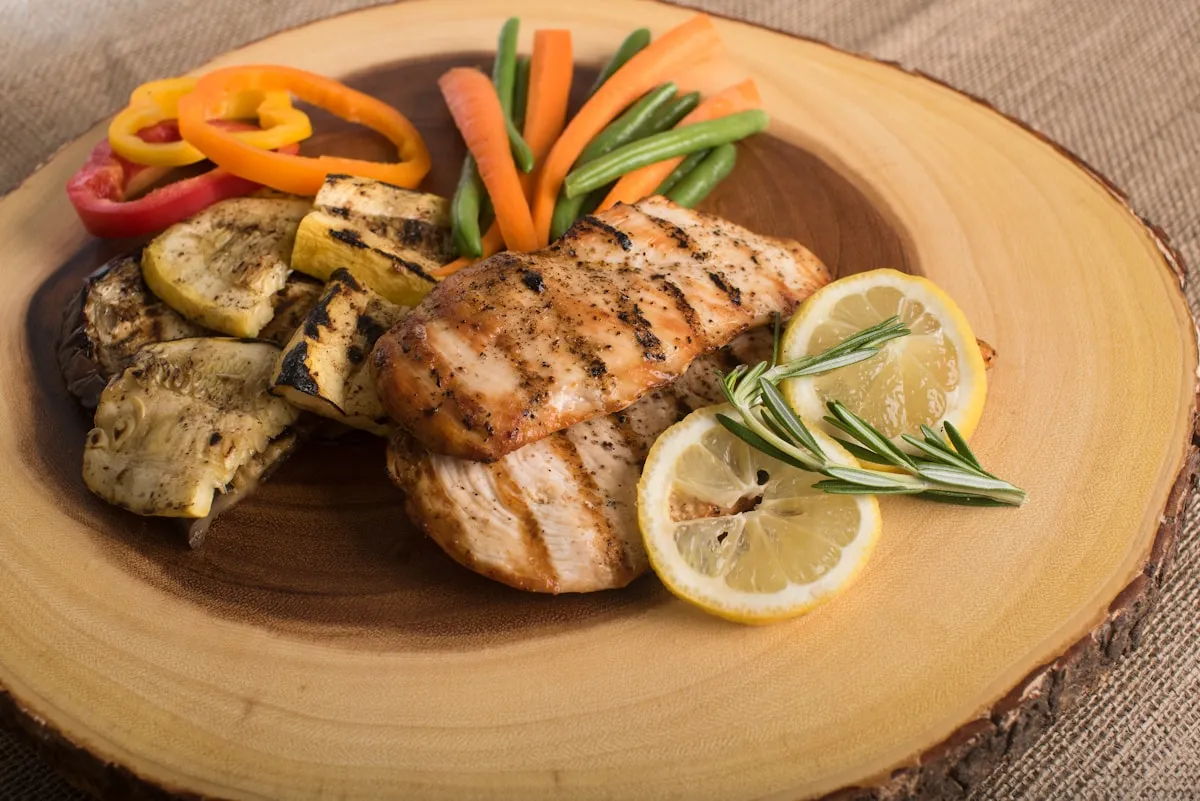
Make It Yours: Easy Variations Without Losing Balance
Keep the basic structure intact, then change the personality of the skillet.
For a lighter version, use evaporated milk or a modest splash of half-and-half instead of heavy cream. The sauce will be less rich, so add brightness with lemon zest or a small squeeze of lemon at the end. Acidity cuts richness, but add it gradually; too much can make the tomato flavor taste harsh.
Replace the chicken with Italian sausage when you want a bolder, more rustic result. Brown it thoroughly and watch the salt, since sausage and Parmesan bring plenty of seasoning. For a meat-free version, use white beans, chickpeas, or sliced mushrooms. Mushrooms benefit from a proper sear, so avoid stirring them constantly and let their moisture evaporate before adding the tomato base.
Add spinach during the final minutes for color and tenderness. Stir in roasted red peppers for sweetness, or use sun-dried tomatoes when you want concentrated savory flavor. A pinch of chili flakes brings heat without changing the texture.
For a gluten-free adaptation, choose a certified gluten-free orzo alternative and check the package cooking behavior. Different products absorb liquid at different rates, so monitor the pan rather than following the clock blindly. That is the non-negotiable rule for substitutions: watch the food, not just the recipe.
Side Dish Pairings: Add Freshness, Not More Heaviness
Serve this skillet with something crisp and acidic. A simple arugula salad with lemon dressing cuts through the creamy sauce and adds a peppery contrast. Cucumber, shaved fennel, or thinly sliced radishes work for the same reason: their fresh crunch keeps the meal from feeling flat.
Choose steamed green beans or roasted broccoli when you want a warm vegetable side. Keep the seasoning clean and restrained. The orzo already brings tomato, dairy, basil, and savory depth, so the side dish should refresh rather than compete.
A piece of crusty bread is useful for collecting the last spoonfuls of sauce, although the orzo is already doing much of the starch duty. For more quick inspiration, browse Cookpedia’s quick meals, healthy recipe collection, or chicken recipes.
FAQ: Troubleshoot Your One-Skillet Dinner
What if my orzo is still hard but the pan looks dry?
Add warm stock or water a few tablespoons at a time and keep the pan at a gentle simmer. The liquid needs to reach the center of the pasta for the starch to gelatinize and soften. Avoid adding a large amount all at once, or you may end up with tender orzo floating in a thin sauce.
What if the orzo turns mushy?
The pasta has absorbed too much liquid or cooked too long. Remove the pan from the heat immediately; residual heat will continue softening it. Next time, use a wider pan, keep the simmer gentle, and start checking for tenderness before the suggested cooking time ends. Stirring helps create creaminess, but constant stirring can release excessive starch and make the texture gummy.
Why did my cream sauce separate?
Usually, the heat was too high, the dairy was added too early, or the tomato mixture was especially acidic. Lower the heat before adding cream, and avoid a hard boil once it is incorporated. If the sauce has only slightly split, whisk in a small splash of warm stock. The starch from the orzo may help bring the emulsion back together.
Can I use chicken breasts instead of thighs?
Yes, but monitor them carefully. Chicken breasts contain less fat and can become dry if they simmer too long. Cut them into evenly sized pieces and use a thermometer rather than relying on cooking time. Remove the pan from the heat as soon as the chicken reaches 165°F (74°C), then let it rest briefly.
Can I make this ahead?
Make it shortly before serving for the best texture. Orzo continues absorbing sauce as it cools, so leftovers will be thicker. Reheat gently with a splash of stock, water, or milk, stirring often. Avoid blasting it at high heat, which can toughen the chicken and cause the dairy sauce to split.
What if I do not have a wide skillet?
Use a Dutch oven or another heavy, broad pan. A narrow saucepan may leave the orzo stacked too deeply, which causes uneven cooking and increases the chance of scorching on the bottom. Spread matters here: more surface area gives you better browning and more controlled evaporation.
How can I make the flavor brighter?
Finish with fresh basil, a little lemon, or a spoonful of chopped parsley. Taste before adding more salt because Parmesan, stock, and chicken seasoning may already provide enough. Balance the richness with acidity, but add it in small amounts. You can always add more; you cannot politely retrieve it from the pan.
This is why one pot meals earn their place in a busy cook’s rotation: manage the heat, respect the starch, and let each layer of flavor do its job.