Recipe
Servings
Servings 1×
Ingredients
- Cod
- Tomatoes
- Garlic
- Butter
- Cooking oil
Method
- Start with cod fillets that are similar in thickness.
- Pat the cod dry before seasoning.
- Keep the tomato juices around the fillets, not washing over them.
- Keep the garlic finely chopped or minced, but avoid scorching it.
- Give the tomatoes a little space.
- Bake the dish uncovered so excess moisture can escape.
Cod has a well-earned reputation for being easy, but “easy” should never mean bland or dry. This garlic butter baked cod turns a few everyday ingredients into a glossy, spoonable pan sauce with sweet roasted tomatoes and tender fish. It is exactly the sort of dinner I reach for when I want something light, comforting, and on the table before anyone starts asking, “Is it ready yet?”
Tips & Technique: Let Heat, Moisture, and Timing Do the Work
Choose cod that cooks evenly
Start with cod fillets that are similar in thickness. Uniform pieces finish at roughly the same time, which matters because cod is lean and has very little fat to protect it from overcooking.
Thicker center-cut fillets are particularly forgiving. Very thin pieces can still work, but check them early rather than trusting the clock. Treat the cooking time as a guide, not a legal contract.
If you use frozen cod, thaw it fully in the refrigerator and pat it dry before cooking. Surface moisture creates steam, and steam is useful for gentle cooking but not for developing flavor. Excess water can also thin the butter and tomato juices into a watery puddle.
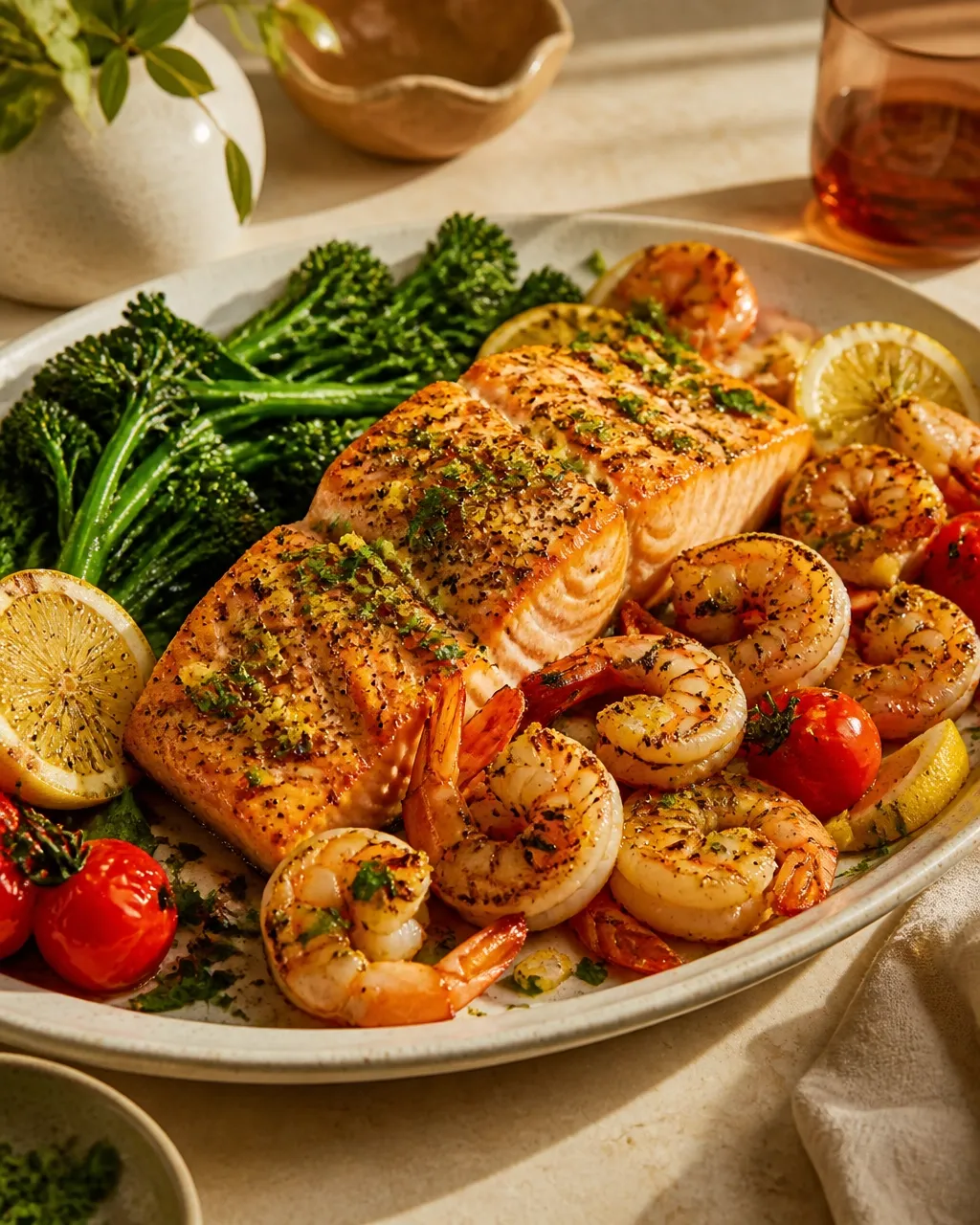
Dry fish gives the butter somewhere to stay
Pat the cod dry before seasoning. This small move helps the garlic butter cling to the surface instead of sliding off into the pan.
Drying also improves texture. When the fish enters a hot oven without a wet exterior, less energy is spent evaporating water from the surface. The outside can begin to firm while the center cooks gently. You will not get a steakhouse crust on delicate cod, and you do not need one. Aim for a lightly set surface and moist flakes.
Do not leave the fish sitting in a puddle of liquid before baking. Keep the tomato juices around the fillets, not washing over them.
Use compound butter as a flavor delivery system
Softened butter mixed with garlic, herbs, and seasoning does more than add richness. It creates an even coating that melts gradually over the fish, carrying aromatic compounds across the surface.
Butterfat is excellent at spreading flavor. It coats the tongue and helps distribute the aroma of garlic and herbs, which is why a small amount can make a mild fish taste deeply seasoned. A little olive oil can loosen the butter and make the sauce feel lighter while helping prevent the milk solids in the butter from browning too quickly.
Keep the garlic finely chopped or minced, but avoid scorching it. Garlic’s sharp sulfur compounds mellow as they heat, becoming sweeter and more rounded. Push the heat too far, though, and the same garlic can turn bitter. The moisture from the tomatoes and fish helps protect it, but burnt garlic is still burnt garlic. Watch the edges.
Roast the tomatoes until they become sauce
Cherry tomatoes are the clever part of this dinner. Their skins trap steam as they heat, then wrinkle and split. Once their cell walls soften, the tomatoes release sweet-tart juices into the pan.
Roasting concentrates their natural sugars and softens their raw acidity. That sweetness balances the savory butter, while the remaining acidity keeps the dish from tasting heavy. Stirring the pan juices gently near the end helps the tomato liquid mingle with the melted butter, creating a loose sauce that is perfect for spooning over the cod.
Give the tomatoes a little space. If they are packed tightly, they steam more than roast. They will still taste good, but you will lose some of those concentrated edges and burst, jammy spots.
Keep the oven hot, but do not chase browning
A moderately hot oven cooks the cod quickly while giving the tomatoes enough heat to soften and split. The goal is not deep browning on the fish. Cod contains so little fat that it can dry out before it develops much color.
Bake the dish uncovered so excess moisture can escape. The butter and tomato juices create a moist cooking environment without trapping quite as much steam as a covered pan. That gives you tender fish and a more concentrated sauce.
Check the thickest part of the cod with an instant-read thermometer. It should reach 145°F (63°C), the safe target for cooked fish. The flesh should also look opaque and separate into large, moist flakes. Once it reaches that point, remove it from the oven. Do not keep baking simply because the tomatoes need another minute; take the fish out and let the tomatoes finish if necessary.
Rest briefly and use every drop
Let the cod rest in the hot pan for a few minutes. Carryover heat will finish the center gently, and the fish will become easier to lift without breaking apart.
Spoon the pan juices over the cod just before serving. That sauce contains the concentrated flavor of butter, garlic, tomato, and seasoning. Leaving it behind is a kitchen misdemeanor.
For another useful perspective on the technique, compare this approach with Budget Bytes’ garlic butter baked cod. Then browse Cookpedia’s dinner baking recipes for more hands-off oven meals.
Variations: Change the Balance, Not the Method
Keep the basic cooking method and adjust the flavor profile to suit your table.
For a Mediterranean version, add oregano, parsley, and a few sliced olives. Finish with lemon and serve with warm bread. The salty olives sharpen the sweet tomatoes without requiring a heavier sauce.
For a spicy version, add chili flakes or a small amount of smoked paprika to the butter. Use restraint. Cod has a delicate flavor, and too much heat will bulldoze the dish rather than improve it.
For a dairy-free option, replace the butter with olive oil or a dairy-free butter alternative. You will lose some of the creamy mouthfeel, so add extra lemon, herbs, or a splash of dry white wine to keep the sauce lively.
You can also swap cod for haddock, pollock, or another firm white fish. Adjust the cooking time according to thickness. Salmon works too, but its richer flavor and higher fat content will make the finished dish feel more substantial.
If you are building a weeknight rotation, pair this recipe with Cookpedia’s healthy recipes or explore air fryer recipes dinner for nights when you want the oven to stay off.
Side Dish Pairings: Add Freshness and Something to Catch the Sauce
Choose sides that support the cod rather than compete with it. Crusty bread is the simplest option because it catches the buttery tomato juices without adding another cooking project.
Steamed green beans, asparagus, or broccoli bring a fresh, slightly bitter contrast to the rich sauce. Add lemon after cooking to keep their flavor bright.
For a more filling plate, serve the cod over rice, couscous, or quinoa. These grains absorb the juices and turn a light fish dinner into one of those reliable quick family meals that satisfies hungry people without feeling heavy.
A simple arugula salad also works beautifully. Its peppery leaves cut through the butter, while a sharp lemon dressing reinforces the acidity already present in the tomatoes. Keep the salad dressing bright and modest; the pan sauce is doing most of the talking.
FAQ: What If the Fish, Tomatoes, or Sauce Behave Differently?
What if my cod comes out dry?
Remove it as soon as the thickest part reaches 145°F (63°C) and flakes easily. Cod dries out mainly because its muscle proteins continue tightening as they cook. A few extra minutes can make a noticeable difference with lean fish.
Also check the thickness of the fillets. Thin pieces may finish while the tomatoes are still softening. In that case, take the fish out early and return the tomatoes to the oven briefly. Do not sacrifice the cod for the sake of perfectly collapsed tomatoes.
What if my tomatoes are not bursting?
Give them more time or use a slightly larger pan. Crowded tomatoes release moisture into one another and steam instead of roast. A wide baking dish allows more surface area for evaporation and heat circulation.
Tomato size matters, too. Small cherry tomatoes may split quickly, while larger grape tomatoes can need several extra minutes. Look for softened skins and visible juices rather than insisting that every tomato completely collapse.
What if the garlic tastes bitter?
The garlic probably browned too aggressively. Minced garlic has a large surface area, so it cooks quickly. Keep it coated in butter or oil, avoid placing it directly against the hottest exposed part of the pan, and do not let the dish sit in the oven after the fish is done.
If the bitterness is mild, brighten the finished dish with lemon juice and fresh herbs. Acidity will not erase burnt garlic, but it can rebalance the flavor. If the garlic is blackened, scrape it away rather than mixing it into the sauce.
What if my sauce looks greasy?
A little separation is normal. Butter is a mixture of fat, water, and milk solids, while tomato juices are mostly water, so they may not stay perfectly emulsified.
Spoon the juices over the fish while they are hot and stir them gently in the pan. Lemon juice or a small splash of wine can add enough acidity and water to bring the sauce together temporarily. Avoid adding a large amount of liquid, which will dilute the flavor and make the cod steam.
Can I prepare this ahead of time?
Prepare the butter mixture and wash the tomatoes ahead, but keep the raw fish refrigerated until you are ready to bake. Do not assemble the dish hours in advance with salt on the cod, because salt draws moisture toward the surface and can make the fish less firm.
For leftovers, refrigerate the cod promptly in a covered container and reheat it gently. Use a low oven or short microwave intervals. High heat will squeeze out moisture and turn yesterday’s tender cod into today’s fish-shaped rubber.
Is this suitable for healthy dinner ideas?
Yes, especially when you pair it with vegetables or a modest portion of whole grains. Cod provides lean protein, tomatoes contribute acidity and color, and the dish gets much of its flavor from garlic, herbs, and lemon rather than a thick coating.
Keep the butter portion sensible and let the roasted tomato juices do the heavy lifting. For more simple meals built around real food, visit Cookpedia’s quick meals collection and 30-minute dinner recipes.