Recipe
Servings
Servings 1×
Ingredients
- Chicken
- Tofu
- Quinoa
- Rice
- Potatoes
- Sweet potatoes
- Cauliflower
- Broccoli
- Carrots
- Peas
- Garlic
- Lime
- Honey
- Cooking oil
- Salt
- Black pepper
Method
- Roast your chicken and vegetables plain with just oil, salt, and pepper first.
- Use a high-quality, heavy-duty sheet pan.
- Pat everything dry with a paper towel.
- Use two sheet pans if you have to.
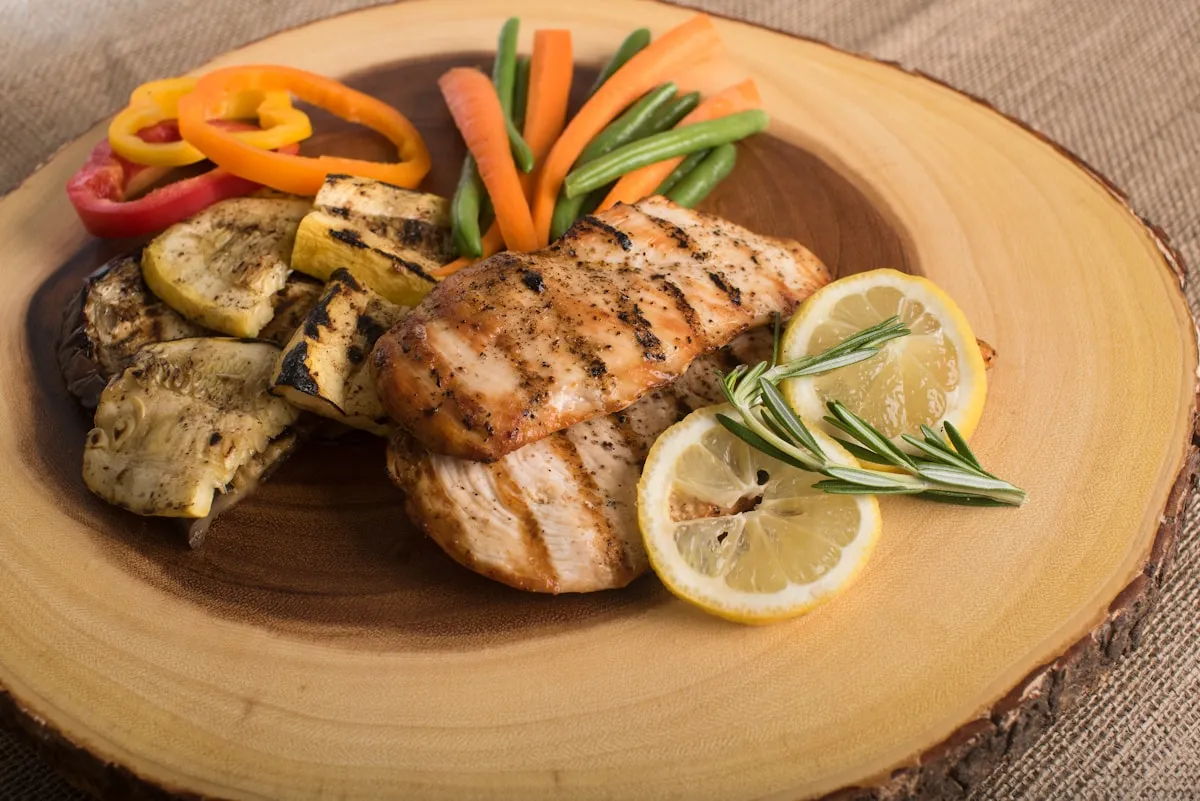
If you’re anything like me, the mid-week slump is real, and the last thing you want to do is scrub four different pots. That’s why I’m obsessed with easy dinner recipes that only require a single sheet pan. This honey garlic chicken and veggie combo is my go-to when I want something that feels like a "real meal" without the mountain of dishes. It’s sweet, savory, and perfectly balanced: ideal for those busy nights when you need a win.
The Science of Sticky: Caramelization vs. Maillard
To master this dish, you need to understand why honey is both your best friend and your worst enemy in a hot oven. When we talk about browning, we’re usually looking at two distinct scientific processes: caramelization and the Maillard reaction.
Caramelization is the browning of sugars. In this case, the fructose in honey starts to caramelize at a relatively low temperature: around 230°F (110°C). If you coat your chicken and veggies in a heavy honey glaze from the very beginning and blast them at 400°F, you’ll end up with burnt, bitter carbon before the chicken is even safe to eat. This is why timing is everything.
The Maillard reaction, on the other hand, is the magic that happens when amino acids (from the chicken) and reducing sugars meet heat. This creates those complex, savory flavors we crave. To get the best of both worlds, you have to stagger your application. Roast your chicken and vegetables plain with just oil, salt, and pepper first. This allows the moisture to evaporate and the Maillard reaction to kick in on the surface of the meat.
Use a high-quality, heavy-duty sheet pan. Darker pans absorb more heat and promote faster browning, while lighter, shiny pans reflect heat. If you’re looking for that crispy edge on your broccoli, go for the dark pan. Just as I mentioned in my guide on achieving the perfect glossy sauce, the consistency of your glaze matters. A sauce that is too watery will steam your vegetables rather than roast them.
Always dry your ingredients thoroughly before they hit the pan. If your broccoli is still dripping from the rinse, it will create a micro-climate of steam that prevents browning. Pat everything dry with a paper towel. This small step is the difference between limp, sad greens and charred, delicious florets.
Protein Swaps and Veggie Vibes
The beauty of healthy weeknight dinners is their versatility. While chicken breast is the classic choice here, it’s also the most unforgiving if overcooked. If you want a more foolproof experience, swap in boneless, skinless chicken thighs. They have a higher fat content, which keeps them juicy even if they stay in the oven five minutes too long.
For my plant-based friends, extra-firm tofu works exceptionally well with this honey garlic profile. Just like with the chicken, you’ll want to roast the tofu cubes alone until they develop a "skin" before applying the glaze. You could even take inspiration from my air-fryer sausage and pepper medley and use pre-cooked sausages if you're in a massive hurry.
When choosing vegetables, think about "roast mates." Broccoli, bell peppers, and snap peas all have similar cook times. If you want to use heartier root vegetables like carrots or sweet potatoes, cut them into much smaller pieces: think thin coins or half-inch cubes: to ensure they finish at the same time as the chicken. If you use oversized chunks of potato, you’ll be left with raw starch and overcooked meat.
Balancing the Glaze
A honey garlic sauce is inherently heavy on the sugar, which means your side dishes need to provide a counterpoint. Avoid anything too rich or sweet. Instead, focus on acidity and neutral bases that can soak up the extra glaze without competing for attention.
A simple bowl of steamed jasmine rice or quinoa is the standard choice, but if you want to keep things light, cauliflower rice is a fantastic alternative. If you're feeling a bit more indulgent, you could even serve this alongside some air-fryer roasted pierogies for a fusion twist that hits all the comfort food notes.
I also recommend a squeeze of fresh lime or a dash of rice vinegar right before serving. The acid cuts through the stickiness of the honey and brightens the garlic, making the whole dish feel much lighter. Never skip the fresh garnish; a handful of sliced scallions or cilantro adds a necessary "green" note that balances the deep, caramelized flavors.
Troubleshooting Your Sheet Pan
Why are my vegetables soggy instead of crispy?
You likely crowded the pan. When vegetables are too close together, the moisture they release has nowhere to go, so it stays trapped under the food and steams it. Use two sheet pans if you have to. Every piece of chicken and every floret should have its own "personal bubble" of space on the pan.
My honey glaze burnt to the bottom of the pan. How do I fix this?
First, use parchment paper or a silicone mat. It makes cleanup a breeze. Second, remember the science: only add the sauce in the last 5–8 minutes of roasting. This gives the sauce enough time to thicken and coat the food without the sugars reaching their burning point. If it’s already burnt, next time, try lowering your oven rack to move the pan further from the top heating element.
Can I use frozen vegetables?
You can, but I don't recommend it for a sheet pan roast. Frozen veggies release significantly more water as they thaw in the oven, which almost guarantees a soggy result. If you must use frozen, roast them on a separate pan at a higher temperature to cook off the moisture as quickly as possible, and don't expect the same char you'd get from fresh produce.
Is this a good option for meal prep?
Absolutely. This is one of those healthy weeknight dinners that actually tastes better the next day as the garlic and soy flavors penetrate deeper into the chicken. Just be careful when reheating; do it in a skillet or air fryer to keep the texture, rather than the microwave which can turn the chicken rubbery.
What if I don't have honey?
Maple syrup is a great 1:1 substitute. It has a slightly different flavor profile and a slightly higher burning point than honey, but it provides that same sticky-sweet finish. Avoid using plain white sugar as a substitute, as it won't give you that syrupy, "clinging" texture that makes this dish so satisfying.
{“@type”:”BlogPosting”,”image”:”https://cdn.marblism.com/P0EaBZTc5lq.webp”,”author”:{“name”:”Cookpedia”,”@type”:”Organization”},”@context”:”https://schema.org”,”headline”:”Easy Sheet Pan Honey Garlic Chicken and Veggies”,”publisher”:{“logo”:{“url”:”https://cookpedia.com/logo.png”,”@type”:”ImageObject”},”name”:”Cookpedia”,”@type”:”Organization”},”description”:”Learn the science behind the perfect sheet pan honey garlic chicken. Avoid soggy veggies and burnt sauce with our expert tips for easy dinner recipes.”,”datePublished”:”2026-05-19″}