Recipe
Servings
Servings 1×
Ingredients
- Chicken
- Beans
- Quinoa
- Rice
- Bread
- Potatoes
- Cauliflower
- Asparagus
- Green beans
- Spinach
- Tomatoes
- Lemon
- Cream
- Salt
- Black pepper
Method
- Let’s be honest: chicken breast has a bit of a reputation for being the "cardboard" of the culinary world.
- Use a sharp knife to slice into the thickest part, but, and this is a non-negotiable, do not cut all the way through.
- Start your chicken in a hot skillet for a couple of minutes on each side.
- Toss it with a simple lemon vinaigrette, the citric acid acts as a "cleanser" for the fat on your tongue.
- Use an instant-read thermometer.
- Keep your pockets tight, your spinach dry, and your thermometer handy!
Let’s be honest: chicken breast has a bit of a reputation for being the "cardboard" of the culinary world. It’s lean, it’s reliable, but if you look at it wrong for five seconds too long in a hot pan, it turns into a dry, fibrous mess. My solution? We’re going to treat that chicken breast like a savory treasure chest. By stuffing it with a creamy, high-fat mixture of spinach and artichokes, you aren’t just making a meal; you’re conducting a delicious physics experiment in moisture retention and flavor infusion.
The Physics of the Pocket: Tips & Technique
When you decide to stuff a protein, you are fundamentally changing how heat moves through the meat. In a standard chicken breast, heat travels from the outside in, often overcooking the exterior before the center hits a safe temperature. By introducing a "filling" with a different thermal mass, you create a buffer. This stuffed chicken approach is one of my favorite healthy dinner ideas because it allows you to keep the meat juicy while adding a massive punch of flavor without heavy breading.
The first thing you need to master is the "pocket." Think of the chicken breast as a pita bread. Use a sharp knife to slice into the thickest part, but, and this is a non-negotiable, do not cut all the way through. You want a secure envelope. If you create a "flap" instead of a "pocket," your filling will make a break for it the second the cheese starts to melt. This is where protein denaturation comes into play. As the chicken cooks, the muscle fibers contract and squeeze. If there’s an open exit, that delicious spinach and artichoke filling will be squeezed out like toothpaste.
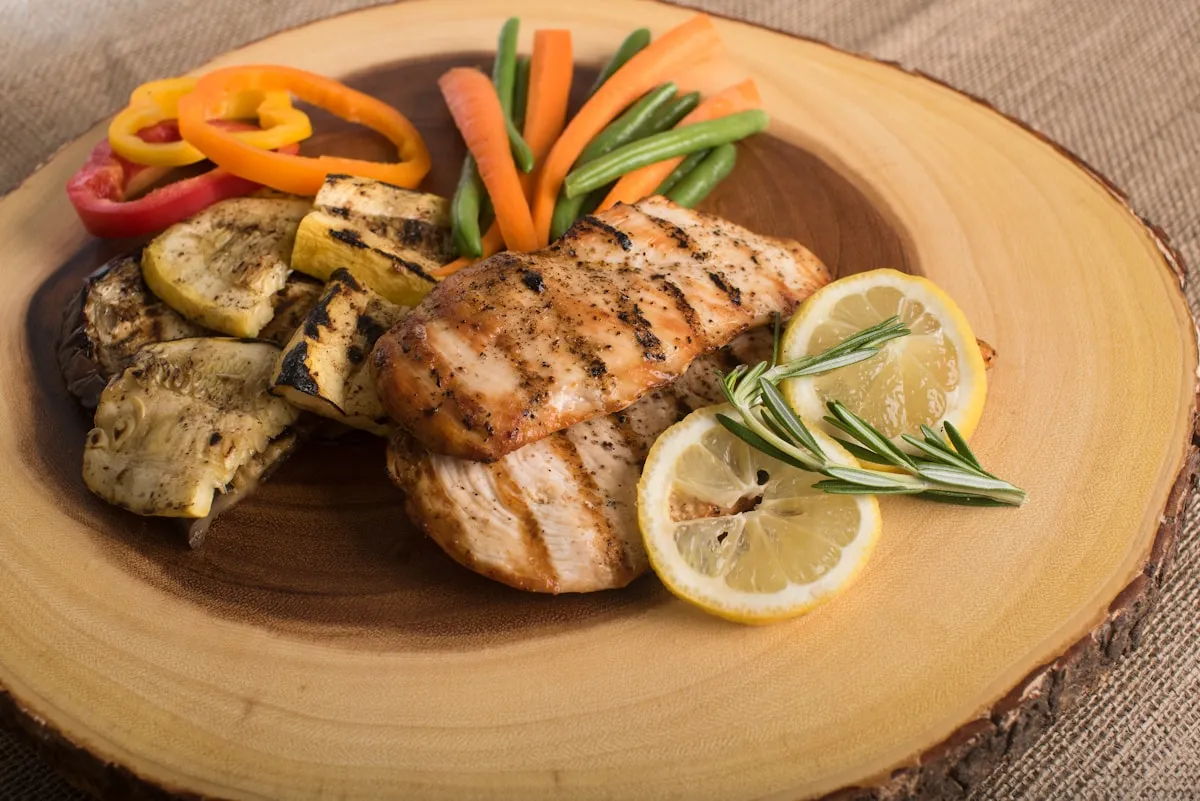
Moisture management is your next challenge. Spinach and jarred artichokes are basically little water balloons. If you toss them into the chicken raw and dripping with brine, you’ll end up with a soggy, steamed mess. Squeeze your spinach until it’s practically bone-dry. The science here is simple: water turns to steam at 212°F (100°C). If there’s too much water inside your chicken pocket, the internal pressure will build until the meat ruptures or the filling leaks. By starting with dry ingredients, you ensure that the fats in the cheese can emulsify properly with the chicken juices rather than being diluted by vegetable water.
Speaking of heat, don't ignore the Maillard reaction. This is the chemical reaction between amino acids and reducing sugars that gives browned food its distinctive flavor. Start your chicken in a hot skillet for a couple of minutes on each side. You want that golden-brown crust before it ever hits the oven. This "searing" step doesn't actually "lock in juices" (that's a common kitchen myth), but it does build a complex flavor profile that a simple bake can’t touch. Once you have that crust, finish it in the oven to ensure the center reaches a safe 165°F (74°C). This combination of techniques makes this one of those quick family meals that tastes like it took hours of prep.
Flavor Profiles and Variations
Once you have the basic technique down, you can start playing with the "why" of your flavors. The classic spinach and artichoke combo works because it hits the "big three" of palate satisfaction: fat (cheese), acid (artichokes), and earthiness (spinach).
If you want to lean into a more Mediterranean vibe, swap the artichokes for sun-dried tomatoes. The tomatoes bring a concentrated hit of umami and natural sugars that caramelize beautifully inside the pocket. For those who need more heat, folding in some crushed red pepper or diced jalapeños into the cream cheese base creates a "popper" style chicken that is consistently a hit.
If you're looking for efficiency, this is one of those versatile air fryer recipes dinner enthusiasts swear by. The rapid air circulation in an air fryer acts like a high-powered convection oven, crisping the skin while the filling stays molten. Just ensure you secure the opening with a couple of toothpicks so the high-speed air doesn't blow your filling around the basket. For a dairy-free version, you can substitute the cream cheese with a thick cashew cream; the high fat content still provides that essential moisture barrier that keeps the chicken breast from drying out.
Balancing the Plate: Side Dish Pairings
Since this chicken is rich, creamy, and packed with savory notes, your side dishes need to provide a counterpoint. I always recommend something with high acidity or a crisp texture to "reset" your palate between bites.
A bright arugula salad is my top pick. Arugula has a natural peppiness that cuts through the richness of the cream cheese. Toss it with a simple lemon vinaigrette, the citric acid acts as a "cleanser" for the fat on your tongue. If you want something warm, try quick-pickled green beans or a side of roasted asparagus with a heavy squeeze of lemon juice. Avoid heavy, cream-based sides like mashed potatoes; you already have the "creamy" box checked inside the chicken. Instead, go for a light quinoa pilaf or even a simple cauliflower rice if you're keeping things low-carb. Check out our abundant celebratory meal spread for inspiration on how to plate these balanced combinations.
Stuffed Chicken Troubleshooting (FAQ)
Why did my filling leak everywhere?
This usually happens for two reasons: a loose "pocket" or too much moisture. If you cut the chicken breast too wide, the opening becomes a path of least resistance for the expanding cheese. Next time, keep the slit small and use toothpicks to "stitch" the opening closed. Also, make sure you really wring out that spinach!
Can I use frozen spinach instead of fresh?
Absolutely. In fact, frozen spinach is often better for stuffing because it has already been blanched, which breaks down the cell walls and allows you to squeeze out significantly more water than fresh spinach. Just make sure it’s fully thawed before you try to use it, or you’ll end up with a cold, watery center.
How do I know if the chicken is cooked without cutting it open?
Do not cut into the chicken to check! You’ll lose all that pressurized juice you worked so hard to keep inside. Use an instant-read thermometer. Aim for 165°F (74°C) at the thickest part of the meat. Note that the stuffing might register a slightly lower temperature than the meat initially because it’s less dense and takes longer to heat up.
Why is my chicken breast still tough?
You likely overcooked it. Even with a stuffing "buffer," chicken breast is unforgiving. Once the internal temperature hits 160°F, pull it out of the oven. Residual heat (carry-over cooking) will bring it up to the safe 165°F while it rests on your counter.
Can I prep these in advance?
Yes, but don't stuff them more than 24 hours in advance. The salt in the filling can start to cure the inside of the chicken, changing the texture of the meat. For the best results, mix your filling ahead of time and stuff the breasts right before you're ready to cook. If you're looking for more prep-ahead ideas, our lazy sunday breakfast bake offers some great inspiration for time-saving techniques.
Is it safe to cook the stuffing inside the meat?
Yes, as long as the entire unit reaches 165°F. Because the stuffing is in the center of the meat, it is the last part to reach temperature. This is why using a thermometer is non-negotiable for safety and quality.
By understanding the relationship between moisture, heat, and protein structure, you can turn a basic Tuesday night dinner into something that feels like a gourmet treat. Keep your pockets tight, your spinach dry, and your thermometer handy!