Recipe
Servings
Servings 1×
Ingredients
- Chickpeas
- Beans
- Noodles
- Greek yogurt
- Tortillas
- Broccoli
- Green beans
- Carrots
- Cucumber
- Onion
- Garlic
- Cream
- Salt
- Black pepper
Method
- Use a cold water shock for hardy vegetables like carrots, celery, and radishes.
- Toss them in za'atar and sprinkle them over the platter for an extra layer of protein and crunch.
- Keep the veggies in their water bath or humidity-controlled bags and keep the tzatziki in an airtight container.
- Assemble the platter right before you leave for your picnic.
- Place your serving platter on top of a larger tray filled with ice.
There is nothing worse than a sad, limp carrot at a summer picnic. You know the one, it’s been sitting in a plastic bag for three hours, and now it has the structural integrity of a wet noodle. If you are going to put in the effort to make healthy picnic recipes, you owe it to yourself (and your guests) to serve vegetables that actually snap when you bite them. Today, we are diving into the gritty science of turgor pressure and osmosis to ensure your crudité platter is the MVP of the party, paired with a tzatziki so thick you could practically hang wallpaper with it.
The Science of the "Snap": Turgor and Osmosis
To understand why vegetables go limp, you have to understand turgor pressure. Inside every vegetable cell is a vacuole, essentially a tiny water balloon. When that balloon is full, it pushes against the cell wall, making the vegetable rigid and crisp. This is turgor pressure. The second you cut a vegetable, it starts losing water to the air through evaporation. To combat this, you need to use the power of osmosis.
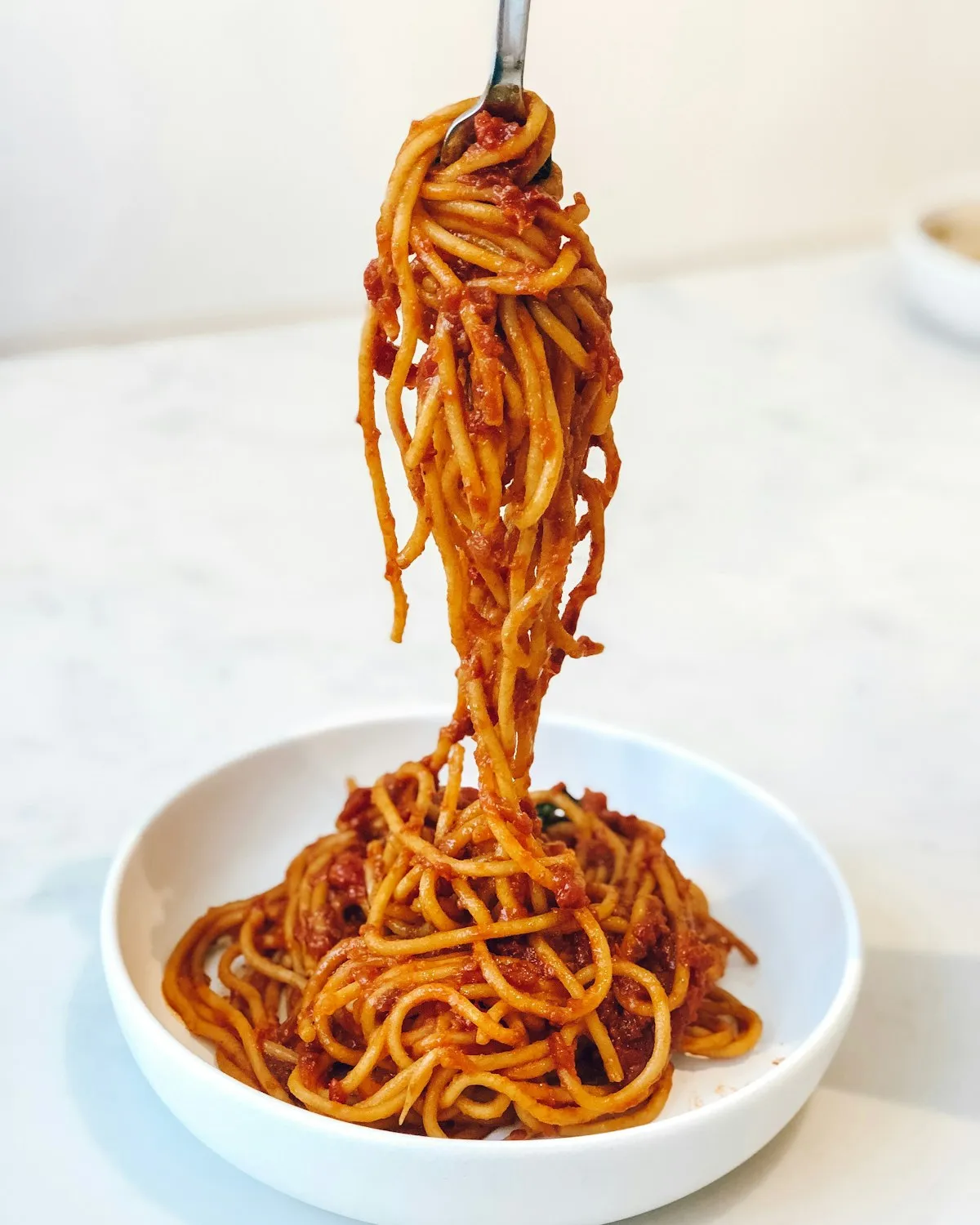
Use a cold water shock for hardy vegetables like carrots, celery, and radishes. When you submerge these in an ice-water bath, the water moves from the outside (a low-solute environment) into the cells (a higher-solute environment) to balance things out. This re-inflates those tiny water balloons. Leave them in the ice bath for at least 30 minutes before serving. If you are prepping a day ahead, store them in a sealed container completely submerged in water in the fridge.
Avoid salting your vegetables before you are ready to eat. Salt is the enemy of turgor; it pulls water out of the cells, leaving you with a puddle of vegetable tears and a very sad, flexible cucumber. For delicate items like cucumbers or bell peppers that don't love a long soak, wrap them in a damp paper towel and store them in a perforated bag. This maintains high humidity without drowning them, keeping them in that "just picked" state.
The Art of the Thick Tzatziki
Most people make the mistake of just stirring grated cucumber into yogurt and calling it a day. The result? A watery mess that separates faster than a bad boy band. To get that restaurant-quality, ultra-creamy texture, you have to manage the moisture levels of your two main ingredients: the yogurt and the cucumber.
First, choose a high-fat Greek yogurt. The higher the fat and protein content, the more stable the emulsion will be. If you really want to go pro, strain your yogurt through a coffee filter or cheesecloth for two hours. This removes the whey, leaving behind a dense, spreadable base.
Second, treat your cucumbers with the respect they deserve. Since they are roughly 95% water, you must extract that liquid before they touch the yogurt. Grate the cucumber, toss it with a pinch of salt, and let it sit for 15 minutes. The salt draws the water out via osmosis. Then, place the pulp in a clean kitchen towel and squeeze it with all your might. You will be shocked at how much liquid comes out. By adding "dry" cucumber to "dry" yogurt, you ensure the flavors stay concentrated and the dip stays thick.
Flavor Variations and Heat Levels
While the classic garlic-and-dill combo is a winner, don't be afraid to experiment with your flavor profiles. If you are looking for more plant-based dinner ideas, you can easily turn this snack into a light meal by adding bulk to the platter.
- The Spicy Kick: Add a teaspoon of red pepper flakes or a dash of harissa to the tzatziki. The cooling yogurt balances the capsaicin, making it addictive.
- The Herby Twist: Swap half the dill for fresh mint or even finely chopped chives.
- The Texture Play: Instead of raw broccoli, try lightly blanching it for 60 seconds and then hitting it with an ice bath. This "sets" the vibrant green color and softens the fibrous exterior just enough to make it pleasant without losing the crunch.
Using different textures on your platter, from the watery crunch of a radish to the earthy snap of a blanched green bean, creates a more interesting sensory experience. This variety is what turns a basic snack into one of those healthy dinner ideas people actually look forward to.
Perfect Pairings for Your Picnic
A veggie platter is great, but it’s even better when it has friends. To turn this into a full spread of quick family meals, I love pairing the crudité with something warm and savory. The acidity and coolness of the tzatziki act as the perfect foil to rich, roasted flavors.
Consider serving this alongside our Air Fryer Sausage, Pepper, and Onion Medley. The charred edges of the sausages and the sweetness of the roasted peppers are incredible when dipped into a bit of leftover tzatziki. If you are leaning more toward comfort food, our Kielbasa and Pierogi Air Fryer Roast is a total game-changer.
Looking for more air fryer recipes dinner fans will love? Try roasting some chickpeas in the air fryer until they are completely crispy. Toss them in za'atar and sprinkle them over the platter for an extra layer of protein and crunch. This balance of cold, raw vegetables and warm, savory elements is the secret to a satisfying meal that doesn't leave you feeling weighed down.
Crudité and Tzatziki FAQ
Why is my tzatziki always watery the next day?
Even if you squeeze the cucumbers, they will continue to release a tiny bit of moisture over time. Also, if you use a low-fat or non-strained yogurt, the protein structure isn't strong enough to hold the ingredients in suspension. Stick to full-fat Greek yogurt and don't skip the "big squeeze" with the towel.
Can I make this ahead of time?
Yes, but store the components separately. Keep the veggies in their water bath or humidity-controlled bags and keep the tzatziki in an airtight container. Assemble the platter right before you leave for your picnic.
Is tzatziki healthy?
Absolutely. It’s packed with protein from the yogurt and vitamins from the cucumber and garlic. It's one of the best healthy dinner ideas for those who want a creamy dip without the heavy mayo or sour cream bases found in traditional ranch.
What is the best type of cucumber to use?
Persian or English cucumbers are your best bets. They have thinner skins and fewer seeds, which means less bitterness and less water to deal with. If you only have standard garden cucumbers, make sure to peel them and scoop out the seeds with a spoon before grating.
Can I use dried herbs instead of fresh?
You can, but the flavor will be more muted. If you must use dried dill, use about one-third of the amount called for in a fresh recipe and let the dip sit for at least two hours so the herbs can rehydrate and release their oils.
How do I keep the platter cold during a picnic?
Place your serving platter on top of a larger tray filled with ice. Alternatively, pack the veggies in individual jars with a bit of ice water at the bottom to keep them standing upright and chilled until the moment of consumption.
{“@type”:”BlogPosting”,”image”:”https://cdn.marblism.com/Gs0EB0mF1mL.webp”,”author”:{“name”:”Cookpedia”,”@type”:”Organization”},”@context”:”https://schema.org”,”headline”:”Fresh Veggie Crudité with Homemade Tzatziki”,”keywords”:”healthy picnic recipes, plant-based dinner ideas, air fryer recipes dinner, quick family meals, healthy dinner ideas”,”description”:”Learn the science of keeping vegetables crisp and making the thickest, creamiest homemade tzatziki for your next summer picnic.”,”datePublished”:”2026-05-19″,”mainEntityOfPage”:{“@id”:”https://cookpedia.com/fresh-veggie-crudite-tzatziki”,”@type”:”WebPage”}}