Recipe
Servings
Servings 1×
Ingredients
- Chicken
- Tofu
- Rice
- Bread
- Cauliflower
- Broccoli
- Greens
- Peas
- Onion
- Garlic
- Fresh ginger
- Lime
- Cooking oil
- Soy sauce or tamari
- Sesame
- Chili seasoning
- Salt
Method
- Cook your chicken in batches if necessary.
- Add them once your vegetables have already started to soften; the moisture from the veggies will help regulate the temperature and prevent your garlic from turning bitter and black.
- Use fresh ginger whenever possible: the bottled stuff lacks the sharp, citrusy zing that cuts through the richness of the cashews.
- Remove the lid and continue stir-frying until the water evaporates.
- Stir-fry is best served immediately, but you can do 90% of the work ahead of time.
- Keep them in the fridge, and when you’re ready to eat, the actual cooking process will take less than ten minutes.
We’ve all been there: it’s 6:00 PM, the fridge is staring back at you with a judgmental hum, and the temptation to scroll through a delivery app is reaching a fever pitch. But before you succumb to the siren song of expensive takeout, let me introduce you to my favorite soul-cleansing solution. This healthy weeknight chicken stir-fry with cashews is the ultimate antidote to the "what's for dinner" dread. It’s fast, it’s vibrant, and it delivers that high-impact flavor we crave without the heavy, salt-laden regret of the plastic container version.
The Science of the Perfect Sizzle
Creating a restaurant-quality stir-fry at home isn’t about having a professional-grade jet-engine burner; it’s about understanding the physics of your pan. The goal is to achieve the Maillard reaction: that magical chemical dance where proteins and sugars transform into savory, brown deliciousness: without accidentally turning your kitchen into a steam room.
Master the Sear, Avoid the Steam
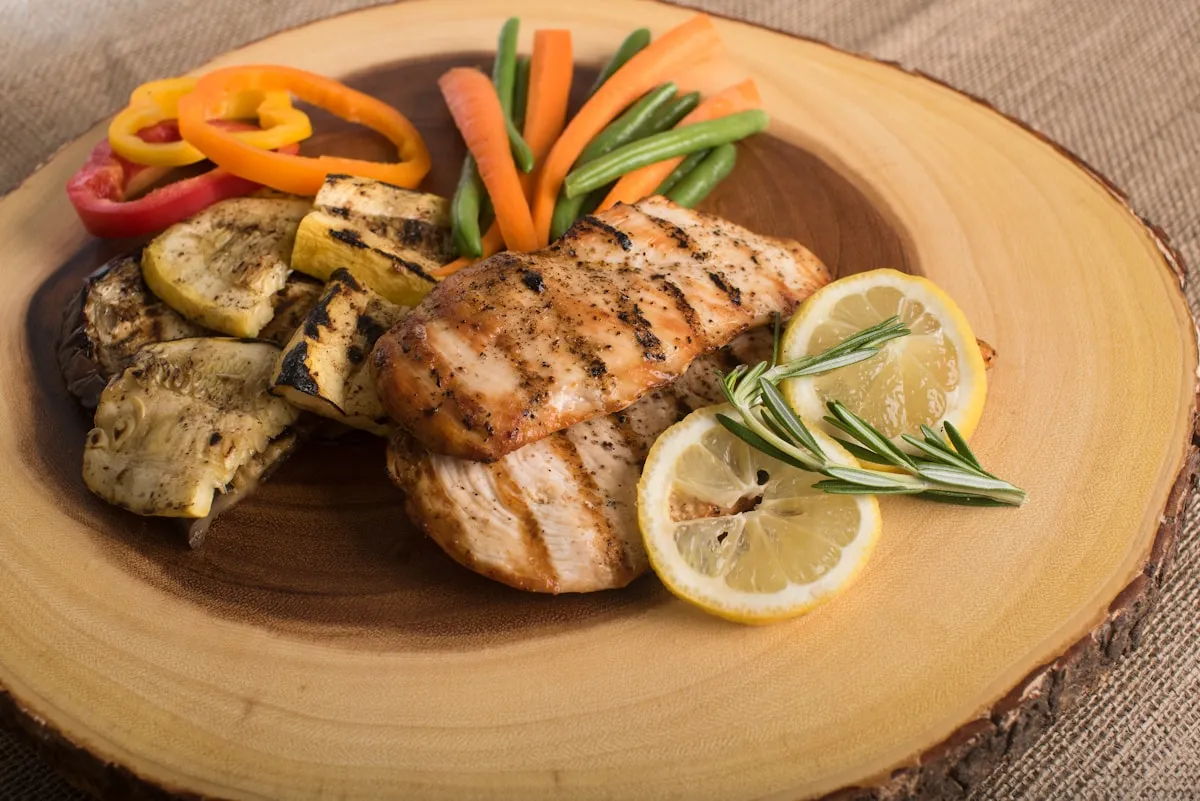
The biggest mistake most home cooks make is overcrowding the pan. When you dump a mountain of cold chicken into a skillet, the temperature drops instantly, and the meat begins to release moisture. Instead of searing, your chicken ends up poaching in its own gray juices. Avoid this at all costs! Cook your chicken in batches if necessary. You want every piece to have direct contact with the hot surface to develop a golden crust. This is one of those healthy dinner ideas that relies on technique rather than fat for flavor.
The Starch Secret
Before the chicken even touches the oil, give it a light dusting of cornstarch or arrowroot powder. This isn't just about thickening the sauce later. This thin layer of starch acts as a protective barrier, locking in the meat’s natural moisture while providing a dry surface that browns much faster than wet protein. It’s a simplified version of the "velveting" technique used in professional kitchens, ensuring your chicken stays tender and succulent rather than turning into rubber.
Timing Your Crunch
Cashews are the soul of this dish, but they are surprisingly temperamental. If you toss them in at the beginning, they’ll absorb the sauce and turn into soft, soggy little nuggets of disappointment. To keep that satisfying snap, toast your cashews separately in a dry pan until they are fragrant and golden. Set them aside and only introduce them back to the party at the very last second. This preserves their textural integrity and highlights their buttery flavor against the snappy vegetables.
Respect the Aromatics
Garlic and ginger are the backbone of any great quick meal, but they burn in a heartbeat. Never throw them into a smoking hot pan alone. Add them once your vegetables have already started to soften; the moisture from the veggies will help regulate the temperature and prevent your garlic from turning bitter and black. Use fresh ginger whenever possible: the bottled stuff lacks the sharp, citrusy zing that cuts through the richness of the cashews.
Flipping the Flavor Script
Once you master the basic rhythm of the stir-fry, the world is your oyster (sauce). The beauty of healthy dinner ideas like this is their inherent flexibility. If you're looking to cut back on carbs, swap the traditional cornstarch for arrowroot and lean into a higher vegetable-to-meat ratio.
For those who crave heat, a spoonful of chili crisp or a few sliced Thai bird’s eye chilies added with the aromatics will transform the dish from comforting to fiery. If you find the sauce too heavy, increase the acidity. A generous squeeze of fresh lime juice or a splash of rice vinegar right at the end can brighten the entire profile, cutting through the savory umami of the soy sauce and the fattiness of the nuts.
If you are a fan of quick family meals, consider a plant-based pivot. Firm tofu, pressed and seared using the same starch-dusting method, makes an incredible substitute for chicken. It absorbs the sauce beautifully and provides a different, yet equally satisfying, protein base. You can even experiment with different nuts: almonds or walnuts offer a deeper, earthiness that completely changes the character of the meal.
Balancing Your Bowl
A great stir-fry is a solo star, but it loves a supporting cast. To keep this within the realm of quick family meals, keep your sides simple and functional. The goal is to provide a neutral base that soaks up that glorious, glossy sauce without distracting from the main event.
- Classic Grains: Fluffy jasmine rice is the gold standard for a reason. Its subtle floral aroma complements the ginger and garlic perfectly. If you have an extra five minutes, try rinsing your rice until the water runs clear to ensure perfectly separate grains.
- Low-Carb Bases: Cauliflower rice or even thinly sliced cabbage (sautéed for just a minute) works wonders for those keeping things light. They provide bulk and crunch without the heavy glycemic load.
- Green Additions: If your stir-fry is heavy on the peppers and onions, consider serving it alongside some simple steamed bok choy or snap peas tossed in a tiny bit of sesame oil. The clean, grassy flavors provide a refreshing counterpoint to the concentrated sauce of the chicken.
Stir-Fry Troubleshooting FAQ
Why is my stir-fry sauce watery and thin?
This usually happens because the sauce didn't reach a full boil. Cornstarch only activates its thickening powers when it hits a specific temperature (roughly 203°F or 95°C). Once you pour the sauce into the pan, turn the heat up and let it bubble vigorously for at least 30 to 60 seconds. If it’s still too thin, your ratios might be off: whisk a teaspoon of cornstarch with a tablespoon of cold water and stir it back in.
Can I make this in an air fryer?
While this is traditionally a stovetop dish, you can certainly use your favorite air fryer recipes dinner techniques to prep the components. Air-frying the chicken at 400°F (200°C) for about 10-12 minutes will give you an incredibly crispy exterior. You can then toss the crispy chicken with your pan-seared veggies and sauce at the end. It's a great way to save on oil!
How do I stop my broccoli from turning mushy?
Broccoli is the canary in the coal mine for overcooking. To keep it vibrant green and "tender-crisp," add a tablespoon of water to the pan and cover it with a lid for just one minute after you’ve started sautéing it. This creates a quick steam-blast that cooks the interior while the high heat of the pan sears the exterior. Remove the lid and continue stir-frying until the water evaporates.
The chicken is cooked but it's tough. What happened?
You likely overcooked it or used a cut that isn't ideal for high-heat cooking. Chicken breast is lean and dries out fast. Check your chicken early: it only needs a few minutes per side. For the most forgiving experience, try using boneless, skinless chicken thighs. They have a higher fat content, which makes them much more resistant to drying out if you leave them in the pan a minute too long.
Is there a way to make this soy-free?
Absolutely. Coconut aminos are a fantastic 1:1 substitute for soy sauce. They are slightly sweeter and less salty, so you may want to add a pinch of extra sea salt to balance the flavors. It keeps the dish entirely "real food" focused and allergen-friendly.
Can I prep this in advance?
Stir-fry is best served immediately, but you can do 90% of the work ahead of time. Chop all your vegetables and whisk your sauce ingredients together in a jar. Keep them in the fridge, and when you’re ready to eat, the actual cooking process will take less than ten minutes. Just don't combine the sauce and the raw meat until you’re ready to fire up the stove!
{“@type”:”BlogPosting”,”image”:”https://cdn.marblism.com/9ra–D6KkrL.webp”,”author”:{“name”:”Penny”,”@type”:”Person”},”@context”:”https://schema.org”,”headline”:”Healthy Weeknight Chicken Stir-Fry with Cashews”,”keywords”:”air fryer recipes dinner, quick family meals, healthy dinner ideas”,”publisher”:{“logo”:{“url”:”https://cookpedia.com/logo.png”,”@type”:”ImageObject”},”name”:”Cookpedia”,”@type”:”Organization”},”description”:”Learn the science of the perfect chicken and cashew stir-fry. Fast, healthy, and full of flavor tips for the busy home cook.”,”datePublished”:”2026-07-10″,”mainEntityOfPage”:{“@id”:”https://cookpedia.com/healthy-chicken-cashew-stir-fry”,”@type”:”WebPage”}}