Recipe
Servings
Servings 1×
Ingredients
- Salmon
- Quinoa
- Rice
- Broccoli
- Garlic
- Lemon
- Honey
- Cooking oil
- Soy sauce or tamari
- Chili seasoning
Method
- Let’s dive into why this specific pairing works so brilliantly and how you can manipulate oven dynamics for maximum flavor.
- Spread your florets in a single layer with ample breathing room.
- Use heavy-duty aluminum foil or parchment paper to guarantee easy cleanup without sticking.
- Brush the bulk of the glaze on during the final few minutes of cooking, or reserve a fresh batch to drizzle right at the table.
- Transfer your technique to the stovetop.
- Sear your salmon portions skin-side down in a hot cast-iron skillet until crisp, then flip briefly.
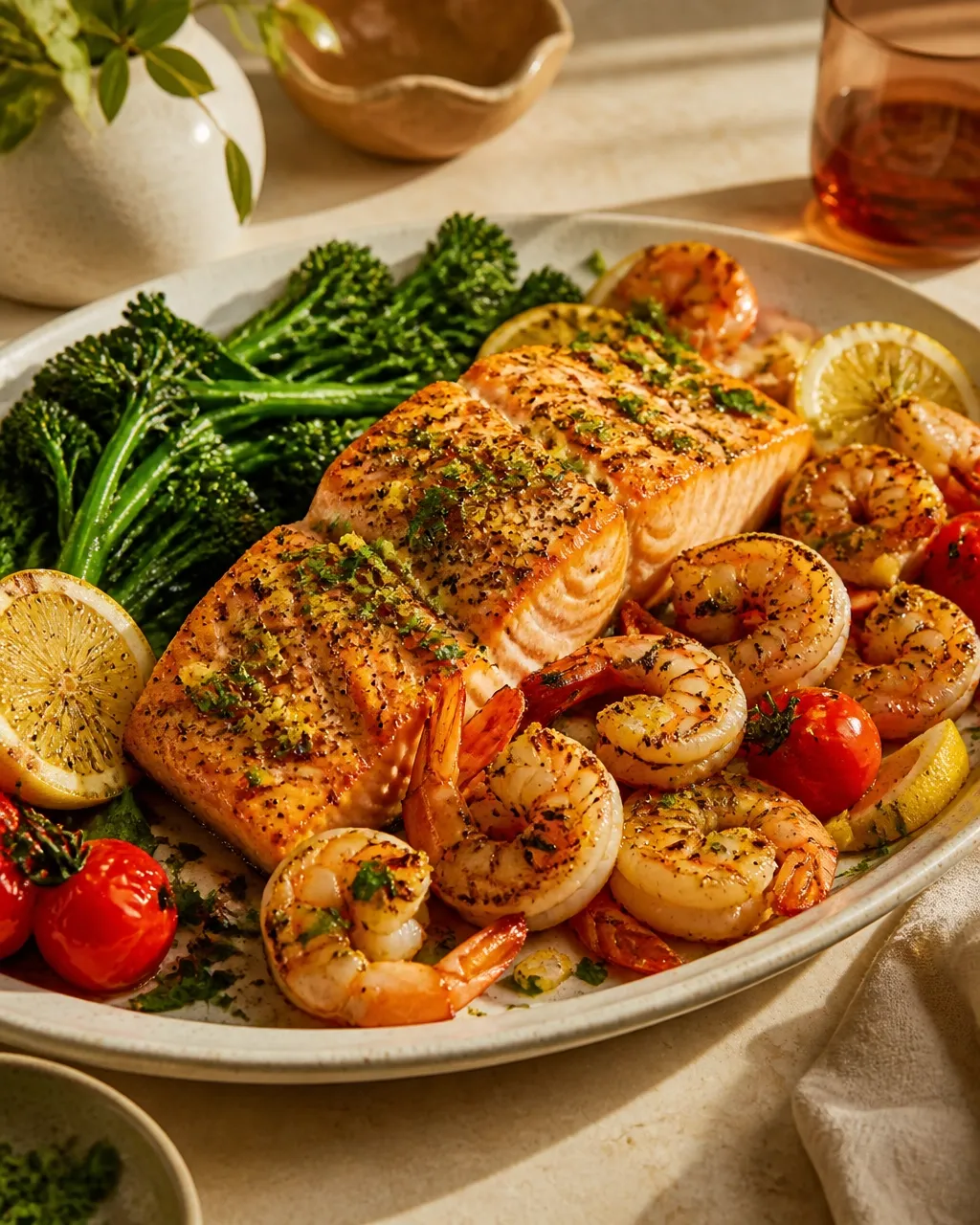
If you are tired of spending hours scrubbing pots after a chaotic Tuesday, you are in the right place on my blog. Finding genuinely healthy dinner ideas that don't taste like cardboard can feel like an Olympic sport. Enter honey garlic salmon and roasted broccoli: a lightning-fast sheet-pan masterpiece that saves your sanity. Master this combination once, and you will transform your chaotic evenings into calm, delicious triumphs.
The Science of Sheet-Pan Mastery: Heat Transfer and Glaze Chemistry
When it comes to executing flawless weeknight cooking, understanding the science of heat transfer and glaze chemistry is your secret weapon. Let’s dive into why this specific pairing works so brilliantly and how you can manipulate oven dynamics for maximum flavor.
Manage Your Sheet Pan Density
Avoid crowding your baking sheet at all costs. When broccoli florets touch too closely, they trap steam rather than roasting in dry, circulating heat. Trapped moisture leads to soggy, sad green trees instead of crispy, caramelized edges. Spread your florets in a single layer with ample breathing room. Use heavy-duty aluminum foil or parchment paper to guarantee easy cleanup without sticking.
Master the Honey-Garlic Maillard Reaction
Sugar is a double-edged sword in high-heat roasting. Honey contains natural fructose and glucose that caramelize rapidly under 400°F (200°C) heat. However, pure honey burns faster than you can say "smoke alarm." To prevent acrid, bitter black spots, incorporate a balancing element of fat (like olive oil) and acid (like fresh lemon juice or soy sauce) into your glaze. This emulsion protects the minced garlic from scorching while promoting that gorgeous, sticky lacquer we all crave. Brush the bulk of the glaze on during the final few minutes of cooking, or reserve a fresh batch to drizzle right at the table.
Protect the Delicate Protein Structure
Fish muscle fibers are remarkably short and delicate, bound by tender connective tissue (collagen) rather than tough sinew. Overcooking salmon is a tragic culinary sin that results in dry, chalky flakes oozing stubborn white albumin. Watch your internal temperature closely. Pull the salmon when the center is still translucent and registers around 130°F to 135°F; residual heat will carry it to perfection while it rests. If you are exploring alternative methods like air fryer recipes dinner nights, the concentrated convection current shortens cooking time even further, giving you shatteringly crisp edges in record time. Check out our quick meals collection for more streamlined weeknight inspiration.
Easy Variations to Shake Up Your Routine
Sticking to the classic honey-garlic blueprint is comforting, but culinary boredom is the enemy of consistency. Feel free to pivot when your pantry calls for an upgrade.
Spice It Up with Hot Honey
If you like a kick that dances on your palate, swap standard honey for a fiery hot honey infusion or stir a spoonful of chili crisp into your glaze. The capsaicin cuts right through the rich, buttery oils of the salmon, creating an addictive sweet-and-spicy dichotomy that will wake up your taste buds after a long workday.
Embrace the Skillet Stir-Fry Approach
Not in the mood to heat up the oven? Transfer your technique to the stovetop. Sear your salmon portions skin-side down in a hot cast-iron skillet until crisp, then flip briefly. Remove the fish, toss bite-sized broccoli florets and sliced bell peppers directly into the pan with a splash of water to steam, and pour your glaze over everything for a lightning-fast skillet variation.
Build Wholesome Grain Bowls
Turn your sheet-pan feast into hearty quick family meals by laying down a base of toasted quinoa, brown rice, or nutty farro. Top the grains with your glazed salmon and charred broccoli, then spoon over any remaining pan juices. It is an effortless way to bulk up the plate when you have hungry teenagers or ravenous partners waiting at the dinner table. Visit our healthy eating hub for additional wholesome bowl concepts.
Side Dish Pairings for Ultimate Balance
While honey garlic salmon and roasted broccoli are a complete powerhouse on their own, pairing them with the right supporting cast elevates your meal from a simple weeknight fix to a restaurant-worthy experience.
Balance is key here. Because the salmon glaze is sweet, savory, and rich, you want side dishes that introduce bright acidity or clean crunch. Toss a crisp, shaved cucumber salad dressed in rice vinegar and toasted sesame oil to cleanse the palate between rich bites of fish. Alternatively, serve a vibrant massaged kale salad with a tart lemon-mustard vinaigrette.
If you prefer something warm and comforting, a scoop of ginger-scented jasmine rice or garlic-infused cauliflower mash works wonders for soaking up every drop of extra glaze. Avoid heavy, cream-laden starches that will weigh down the meal; instead, lean toward light, herbaceous elements that honor the fresh profile of your main dish. Explore more pairings in our dinner category guide.
Frequently Asked Questions
Can I use frozen salmon fillets for this recipe?
Yes, but you must thaw them completely and pat them thoroughly dry before applying oil and glaze. Surface moisture on frozen fish creates steam in the oven, diluting your glaze and steaming the salmon instead of roasting it.
Why did my garlic turn bitter and black during roasting?
Minced garlic contains sulfur compounds that burn easily at high temperatures above 350°F. To avoid this, ensure your garlic is well-coated in honey, oil, and liquid amino acids or soy sauce, or apply the glaze halfway through the cooking time rather than at the very beginning.
How do I prevent my broccoli from getting mushy?
Do not crowd the pan and avoid adding watery marinades directly onto the raw broccoli florets before roasting. Toss the broccoli in a minimal amount of oil and salt first, letting the dry oven heat evaporate surface moisture so the edges char nicely.
Can I prep the components ahead of time?
Absolutely. Whisk your honey-garlic glaze and store it in an airtight jar in the fridge for up to three days. Chop your broccoli florets in advance so that when evening hits, you only need five minutes of assembly before dinner is in the oven.
{“@type”:”FAQPage”,”@context”:”https://schema.org”,”mainEntity”:[{“name”:”Can I use frozen salmon fillets for this recipe?”,”@type”:”Question”,”acceptedAnswer”:{“text”:”Yes, but you must thaw them completely and pat them thoroughly dry before applying oil and glaze to prevent steaming.”,”@type”:”Answer”}},{“name”:”Why did my garlic turn bitter and black during roasting?”,”@type”:”Question”,”acceptedAnswer”:{“text”:”Minced garlic burns easily at high temperatures. Coat it well in oil and honey, or apply the glaze during the final minutes of cooking.”,”@type”:”Answer”}},{“name”:”How do I prevent my broccoli from getting mushy?”,”@type”:”Question”,”acceptedAnswer”:{“text”:”Avoid overcrowding the baking sheet and ensure broccoli florets are tossed in a minimal amount of oil so surface moisture evaporates quickly.”,”@type”:”Answer”}}]}