Recipe
Servings
ahead lunches, especially when you store the salmon, broccoli, and rice in separate sections. Reheat gently, preferably in the microwave at reduced power, and add fresh citrus after warming. The broccoli will lose some crispness overnight, but the flavor remains excellent. For the best texture, prepare the rice and glaze ahead and roast the salmon and broccoli fresh. 1×
Serves ahead lunches, especially when you store the salmon, broccoli, and rice in separate sections. Reheat gently, preferably in the microwave at reduced power, and add fresh citrus after warming. The broccoli will lose some crispness overnight, but the flavor remains excellent. For the best texture, prepare the rice and glaze ahead and roast the salmon and broccoli fresh.
Ingredients
- Salmon
- Rice
- Broccoli
- Lemon
- Soy sauce or tamari
- Sesame
- Chili seasoning
- Salt
Method
- Keep this one in your back pocket for the evenings when takeout starts looking suspiciously tempting.
- Start with the rice because it has the longest, quietest job.
- Give each piece a little breathing room, even if that means using a second pan.
- Pat the salmon surface dry before glazing it.
- Use a light hand with extra salt.
- Let the glaze season the salmon without turning the texture firm or overly cured.
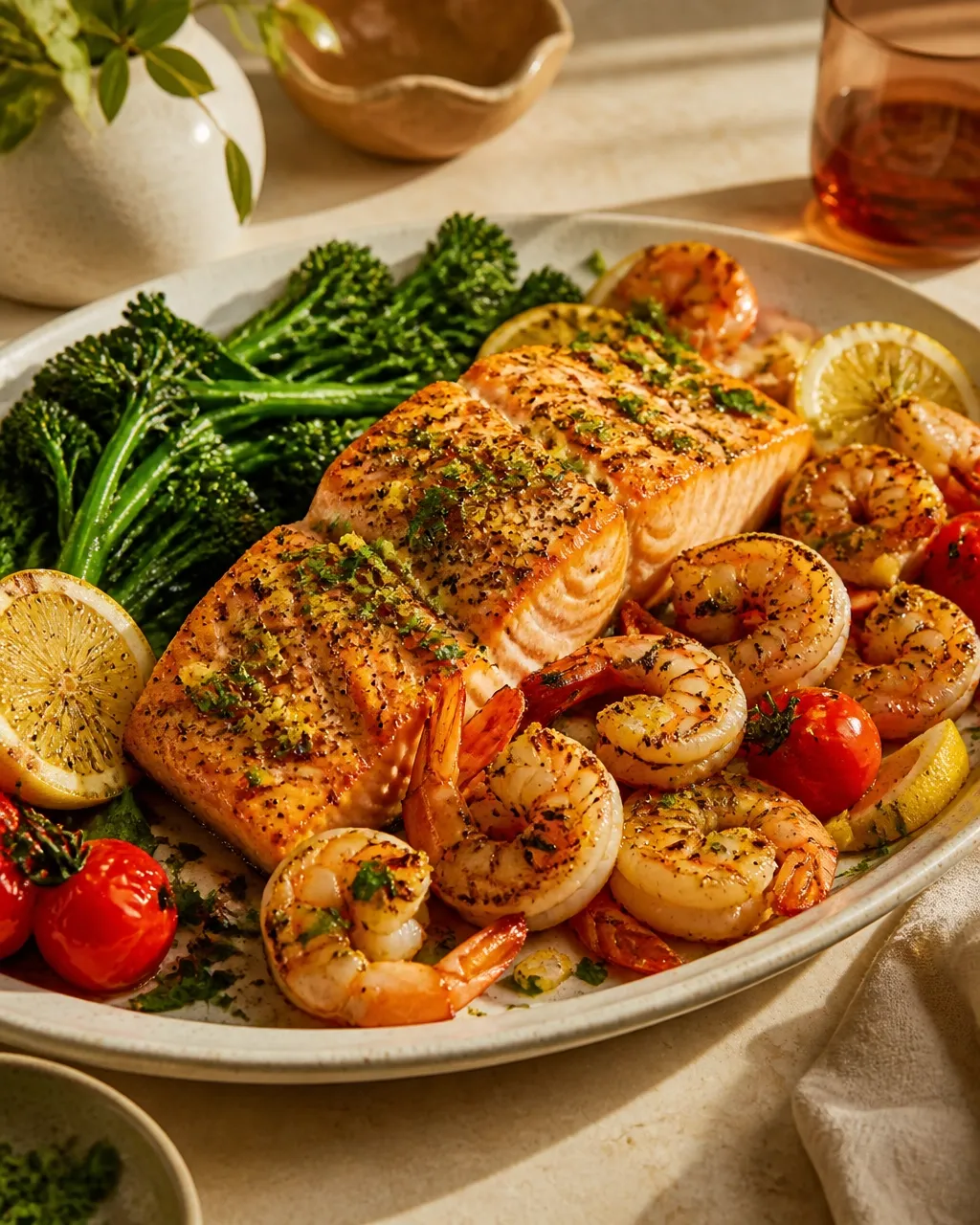
When dinner needs to be healthy, comforting, and actually doable, this miso salmon with roasted broccoli and rice delivers without making a production of it. You get tender fish, crisp-edged vegetables, and a warm bowl of rice in one balanced meal. The miso glaze brings deep savory flavor with very little fuss, while the oven does most of the heavy lifting. Keep this one in your back pocket for the evenings when takeout starts looking suspiciously tempting.
Tips & Technique: Build Flavor by Understanding the Heat
Use moisture strategically
Start with the rice because it has the longest, quietest job. As it cooks, the grains absorb water and soften while the salmon and broccoli take on color in the oven. That timing gives you a useful rhythm: let the rice simmer while you prepare the fish and vegetables, then finish everything close together.
Avoid overcrowding the roasting pan. This is non-negotiable. Broccoli releases water as it cooks, and when the florets are packed tightly, that moisture becomes steam. Steam softens vegetables but prevents the browned edges that make roasted broccoli so good. Give each piece a little breathing room, even if that means using a second pan.
Pat the salmon surface dry before glazing it. A wet surface spends the first part of cooking evaporating moisture instead of browning. Drying the fish allows the miso coating to cling more evenly and encourages the surface to develop a lightly caramelized finish.
Let fermentation do the savory work
Miso is fermented soybean paste, and fermentation creates a concentrated supply of umami compounds. In simple terms, it gives food the savory depth that makes a short ingredient list taste like it had a much longer conversation with the stove.
Use a light hand with extra salt. Miso and soy sauce, if included in your glaze, already bring plenty of sodium. Taste the cooked components together before adding more seasoning. The rice and broccoli will soften the intensity of the glaze, but they will not perform a miracle if the salmon is aggressively salty.
Balance the miso with sweetness and acidity. A little sweetener helps the surface brown and rounds out miso’s salty edge. A small amount of rice vinegar or citrus keeps the glaze from tasting heavy. Think of the glaze as a three-part team: umami for depth, sweetness for browning, and acidity for lift.
Do not marinate the salmon for hours. Miso is flavorful, but its salt can draw moisture from the surface of the fish over a long stretch of time. A brief coating is enough for a weeknight dinner. Let the glaze season the salmon without turning the texture firm or overly cured.
Control the Maillard reaction
The golden surface on the salmon and broccoli comes from browning reactions, especially the Maillard reaction. Heat encourages amino acids and sugars on the food’s surface to form new aromas and flavors. That is where the nutty, toasted, almost buttery notes come from.
Keep the miso glaze relatively thin. A thick layer containing miso and sweetener can darken before the salmon is cooked through. Spread it over the top rather than burying the fish under a blanket of sauce. If the glaze begins to darken too quickly, lower the pan position or cover the fish loosely for the final part of cooking.
Roast the broccoli until the edges are golden brown, not black. Browning brings sweetness and a pleasant roasted bitterness; heavy charring brings bitterness without much reward. Cut florets into similarly sized pieces so smaller bits do not burn while larger stems remain hard. Leave some stem attached, too. The stems become tender and lightly sweet when roasted properly.
Protect the salmon’s texture
Salmon contains natural fat, which helps it stay tender, but it can still overcook. Check the thickest part rather than judging the thinnest edge. The fish should look opaque and separate into moist flakes when pressed gently.
For the most conservative food-safety standard, the USDA recommends cooking fish to an internal temperature of 145°F (63°C). Use an instant-read thermometer if you want a clear answer instead of relying only on appearance. The temperature will continue to rise slightly after the salmon leaves the oven, so avoid leaving it under intense heat just to chase a darker glaze.
Rest the salmon briefly before serving. A few minutes allows its juices to settle, which means fewer juices run across the plate when you flake it. It also gives the rice time to finish steaming and the broccoli time to cool from “too hot to touch” to “ready for dinner.”
Handle the glaze carefully. Reserve any sauce intended for drizzling before it touches raw fish. Do not reuse leftover raw-fish marinade unless you boil it thoroughly first. This small habit prevents a good dinner from acquiring a very bad aftertaste.
Assemble for contrast
Spoon the rice into bowls first, then add the salmon and broccoli rather than mixing everything into one soft pile. The rice catches the glaze, the salmon stays in generous flakes, and the broccoli keeps its roasted edges.
Add fresh toppings only at the end. Scallions, sesame seeds, chili flakes, or a squeeze of lemon provide contrast without competing with the miso. Keep the garnish restrained. The goal is a dinner bowl, not a craft project with a garnish budget.
Variations: Change the Balance, Not the Idea
Swap the rice according to the meal you want. Brown rice adds a nuttier flavor and more chew, while jasmine rice makes the bowl softer and more fragrant. Quinoa works when you want extra texture, and cauliflower rice keeps the plate lighter. Whichever base you choose, make sure it can absorb the glaze without turning watery.
Make the dish sweeter or sharper. Add a little more maple syrup or honey for a family-friendly glaze with stronger caramel notes. Increase the vinegar or finish with lemon for a brighter bowl that cuts through the salmon’s richness. Add chili crisp or red pepper flakes if you prefer heat.
Turn it into a sheet-pan dinner by adding another quick-cooking vegetable. Thinly sliced bell pepper, snap peas, or halved mushrooms can roast alongside the broccoli. Avoid adding vegetables with very different cooking times unless you stagger them; nobody wants tender salmon beside vegetables that are still auditioning for crunch.
For an air-fryer version, cook the salmon and broccoli in batches if necessary. Smaller air-fryer baskets concentrate heat, which encourages fast browning but can also scorch a sugary miso coating. Reduce the cooking time, check early, and keep the salmon away from the hottest heating element if the glaze darkens quickly.
For plant-based variation, replace the salmon with thick slabs of tofu. Press it well, coat it lightly, and roast until the edges are crisp before adding the glaze. The same balance still matters: salty miso, gentle sweetness, and enough acidity to keep the bowl lively.
Side Dish Pairings: Add Freshness and Crunch
This bowl is already a complete meal, so choose side dishes that add contrast rather than more weight. A quick cucumber salad with rice vinegar brings cool crunch and acidity. Keep the dressing bright and lightly sweet so it echoes the glaze without doubling down on salt.
Serve quick-pickled carrots or radishes when the salmon tastes especially rich. Their sharpness cuts through the fish’s natural oils and wakes up the rice. A small spoonful of kimchi adds heat, tang, and fermented depth, although you may want to reduce the salt in the miso glaze.
For a softer pairing, add edamame or steamed greens. They extend the vegetable portion and fit naturally with the Japanese-inspired flavors. Finish with citrus wedges at the table. A squeeze of lemon or lime is a tiny move with a surprisingly large effect.
If you are serving a larger spread, browse Cookpedia’s healthy recipes, quick meals, or 30-minute dinner ideas for dishes that use the same fresh, uncomplicated approach.
FAQ: Troubleshoot Your Miso Salmon Dinner
Why did my miso glaze burn before the salmon finished cooking?
Miso itself contains proteins and fermented sugars, and sweeteners add even more browning potential. That is excellent for flavor but unforgiving under strong heat. Spread the glaze thinly, avoid placing the pan directly beneath the broiler, and check the salmon before the recommended cooking time is complete. If the top is darkening too fast, shield it loosely while the center finishes.
Why is my broccoli soft instead of roasted?
The usual culprit is trapped steam. Overcrowding, wet broccoli, or too little oven heat can prevent the surface from drying and browning. Pat the florets dry, use enough oil to coat them lightly, and spread them in one layer. Cut large pieces smaller if the stems stay firm, but do not reduce everything to tiny bits that burn before the salmon is ready.
Can I use frozen salmon?
Yes, but thaw it first for the most even result. Frozen fish releases extra moisture as it cooks, which can dilute the glaze and delay browning. Thaw it safely in the refrigerator, then pat it dry. If you cook it from frozen, expect a longer cooking time and rely on the thickest part’s temperature rather than the clock.
What kind of miso should I use?
White miso is usually the easiest starting point because it is mild, slightly sweet, and friendly with salmon. Yellow miso gives a fuller savory flavor without becoming too intense. Red miso is stronger and saltier, so use less and add more acidity if the glaze tastes heavy. Treat miso types as different strengths, not interchangeable spoon-for-spoon ingredients.
Can I prepare the components ahead?
Cook the rice ahead and refrigerate it promptly in a shallow container. Reheat it with a splash of water so the grains regain some softness. You can also mix the glaze in advance. Prepare the broccoli shortly before roasting for the best edges, and cook the salmon close to serving time because reheating fish tends to dry its lean outer layers.
How do I lower the sodium?
Use less miso and soy sauce, then add flavor with ginger, garlic, citrus, scallions, or rice vinegar. Choose a low-sodium soy sauce if it suits your pantry. Do not try to compensate with extra sweetener; that makes the glaze sweeter without solving the salt problem. Keep the rice and vegetables simply seasoned so they dilute the glaze naturally.
Is this suitable for meal prep?
It works well for one or two make-ahead lunches, especially when you store the salmon, broccoli, and rice in separate sections. Reheat gently, preferably in the microwave at reduced power, and add fresh citrus after warming. The broccoli will lose some crispness overnight, but the flavor remains excellent. For the best texture, prepare the rice and glaze ahead and roast the salmon and broccoli fresh.
What if my salmon is thick?
Thicker fillets need more time than thin portions, even when the oven temperature stays the same. Keep the broccoli moving ahead if it browns quickly, and check the salmon in the center with a thermometer. If the surface is ready but the middle is not, lower the heat slightly and continue cooking rather than turning up the temperature. Gentle finishing heat protects the glaze and the fish’s texture.