Recipe
Servings
Servings 1×
Ingredients
- Chicken
- Asparagus
- Lemon
- Cooking oil
Method
- Pat the chicken dry before seasoning it.
- Use an instant-read thermometer rather than trusting the clock alone.
- Roast at a properly preheated oven temperature.
- Arrange the chicken and asparagus in a single layer with a little breathing room.
- Give hot air access to the food.
- Use two pans if necessary.
When dinner needs to be healthy, fast, and unlikely to produce a mountain of washing-up, reach for a sheet pan. This lemon herb chicken breast with asparagus brings lean protein, bright citrus, and lightly browned vegetables together in one easy roast. It is exactly the sort of meal I want from healthy weeknight dinners: simple enough for a tired Tuesday, flavorful enough to feel like I made an effort.
The Sheet-Pan Science of Juicy Chicken
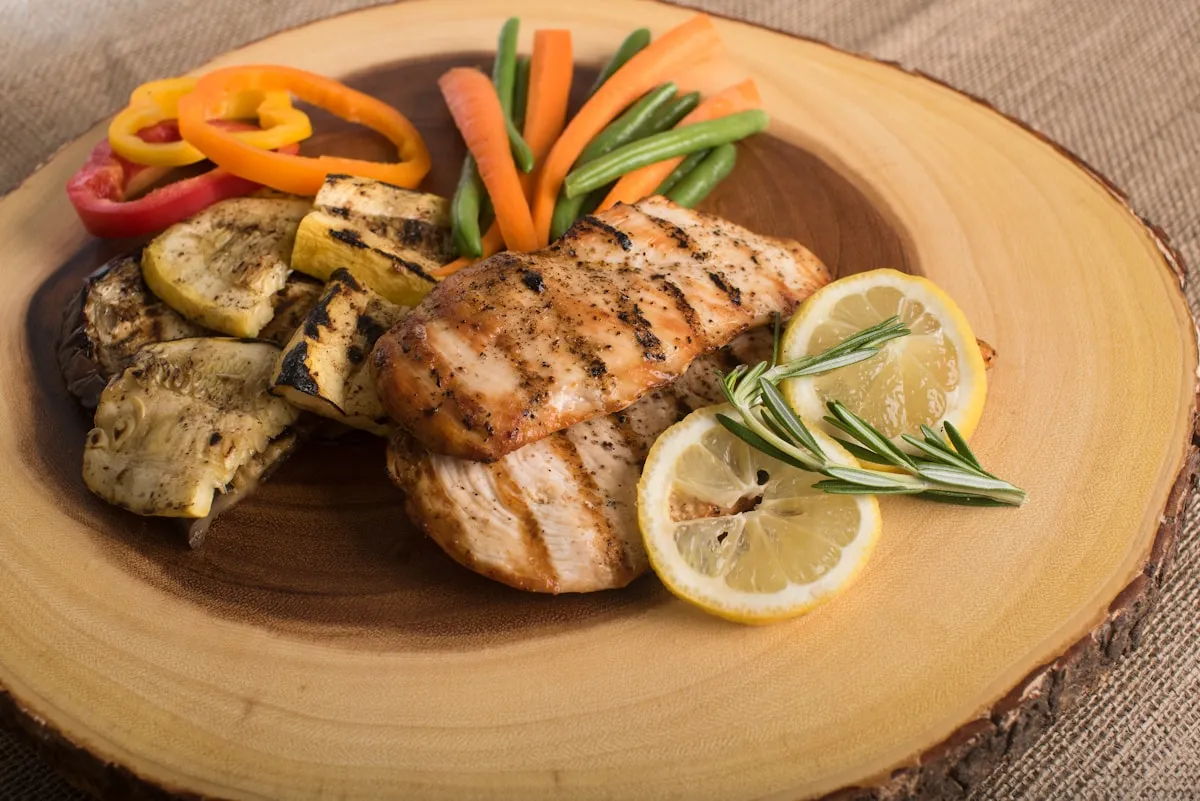
Dry the Surface for Better Browning
Pat the chicken dry before seasoning it. Do not skip this small task. Surface moisture has to evaporate before browning can begin, so a damp chicken breast spends the early part of roasting steaming instead of developing flavor.
Once the surface dries, the Maillard reaction gets to work. This is the chemical dance between proteins and sugars that creates browned edges and deeper savory notes. It is not the same as caramelization, which involves sugars alone, but both reactions are excellent reasons to welcome a little color.
Avoid rinsing the chicken. It does not improve the meat and can spread raw poultry juices around your sink. Dry it thoroughly, season it, and wash your hands and tools properly afterward.
Even Thickness Beats Guesswork
Chicken breasts are rarely shaped like polite little rectangles. One end may be thin while the other is thick enough to qualify as a small pillow. That unevenness creates a timing problem: the thin part dries out while the center catches up.
Flatten thicker sections gently or choose breasts of similar size. An even piece of meat heats more consistently because the distance from the outside to the center is more uniform. That means fewer dry edges and a much more reliable finish.
Use an instant-read thermometer rather than trusting the clock alone. Check the thickest part of the breast and cook until it reaches 165°F (74°C). See the USDA chicken safety guidance for the official poultry temperature recommendation.
Give the Oven Enough Heat
Roast at a properly preheated oven temperature. A hot oven helps the outside brown before the lean breast meat has time to lose too much moisture. It also encourages the olive oil and chicken juices to mingle with the herbs, creating flavorful browned bits across the pan.
Do not put a cold pan into a cold oven and expect the same result. The chicken will cook, but the vegetables may soften before they brown, and the whole dish can taste more boiled than roasted. Preheating is not fussy; it is basic heat management.
Keep the Pan Uncrowded
Arrange the chicken and asparagus in a single layer with a little breathing room. Crowding traps steam, and steam is useful when you want to soften food but unhelpful when you want roasted edges.
Think of the sheet pan as a small outdoor grill. Give hot air access to the food. If everything is pressed together, moisture has nowhere to go and the surface stays pale. Use two pans if necessary. One extra pan is still less work than rescuing soggy vegetables from a crowded tray.
Add Asparagus at the Right Moment
Asparagus cooks faster than chicken breast, especially when the spears are thin. Add it too early and you may end up with limp, olive-green stalks by the time the chicken is safe to eat. Add it at the right point and you get bright green spears with tender centers and lightly browned tips.
Use the visual cues as your backup: the asparagus should look vivid, bend slightly, and show a little browning around the tips. Very thick spears may need more time, while pencil-thin spears can finish quickly. Size matters here, so let the vegetable: not a rigid timer: have the final word.
Let Lemon Brighten, Not Overpower
Lemon does more than provide a pleasant citrus flavor. Its acidity balances the richness of the olive oil and chicken juices, making the meal taste lighter without requiring a complicated sauce.
Use zest for fragrant citrus oils and juice for sharpness. Add some brightness before roasting, then finish with a small squeeze after the pan comes out. The first layer mellows in the oven; the final squeeze keeps the flavor lively.
Do not leave chicken sitting in a highly acidic marinade for hours. Lemon juice can affect the outer texture of lean meat, turning it slightly soft or chalky if given too much time. A short flavoring period works beautifully; the oven should handle the cooking.
Rest the Chicken Before Slicing
Resting is non-negotiable. Give the chicken several minutes after roasting before cutting into it. Heat continues moving toward the center, and the muscle fibers get a chance to relax. Slice immediately and the juices rush onto the pan or plate. Wait briefly and more moisture stays where you want it: in the chicken.
This is also the perfect time to finish the asparagus with lemon, spoon pan juices over the chicken, or place the forks on the table. Resting is not dead time. It is the final cooking stage.
Variations for Different Dinner Moods
Keep the same sheet-pan method and change the flavor direction. That gives you variety without learning a completely new recipe every time.
- Mediterranean: Use oregano, parsley, garlic, and a pinch of smoked paprika. Add a few olives after roasting for a salty finish. Serve with a yogurt-based sauce or a sharp tomato salad.
- Honey mustard: Balance Dijon mustard with a small amount of honey and extra black pepper. The honey encourages faster browning, so watch the edges near the end of cooking.
- Garlic rosemary: Lean into rosemary and roasted garlic for a warmer, woodsy profile. Add the garlic where it can soften in the pan juices rather than scorch directly on the hottest metal.
- Spicy lemon: Add chili flakes or a little cayenne to the herb seasoning. Finish with lemon and chopped parsley to keep the heat bright rather than heavy.
- Air fryer version: Cook smaller, evenly sized chicken pieces with asparagus in batches so the air can circulate. The same dry-heat principle applies to many air fryer recipes dinner fans rely on: avoid crowding and check the center temperature.
For a plant-based variation, replace the chicken with thick slabs of tofu or a quick-cooking white bean mixture. Adjust the cooking time rather than trying to make every component follow the original schedule.
Side Dish Pairings That Keep the Plate Balanced
This chicken already brings savory browned flavor and a fresh citrus note, so choose sides that add contrast. A simple grain such as quinoa, brown rice, or farro gives the meal more staying power and catches the lemony pan juices. Cookpedia’s Quick Mediterranean Quinoa Bowl offers another useful lemon-forward idea for meal prep.
Add something crisp and acidic when the chicken feels especially rich. An arugula salad with a sharp vinaigrette, cucumber with herbs, or a quick cabbage slaw can reset the palate between bites. For more quick family meals, serve the chicken with warm whole-grain bread and a simple tomato salad.
If you are collecting healthy dinner ideas, keep the pairing flexible. Use roasted sweet potato for comfort, leafy greens for freshness, or a small portion of pasta when you want a more substantial dinner. Balance matters more than perfection.
FAQ: Troubleshooting Your Sheet-Pan Chicken
What if the chicken is browning before the center is cooked?
Lower the oven temperature slightly or loosely cover the browned areas with foil. Do not wrap the entire breast tightly, because that traps steam and softens the surface. Continue cooking until the thickest part reaches 165°F (74°C).
What if my chicken breast is dry?
Check thickness first. Thin sections overcook while thicker areas finish. Next, check the temperature earlier than the recipe’s suggested time. Chicken breast contains little fat and has a small margin between juicy and dry, so a thermometer is your best defense.
Rest the meat before slicing, and cut across the grain. Even perfectly cooked chicken can seem tougher when sliced in the same direction as its muscle fibers.
Why did my asparagus turn mushy?
It probably spent too long in the oven or was crowded among wet ingredients. Use a single layer, choose spears of similar thickness, and add asparagus later if the chicken needs a longer roast. Pull it when it is bright green and just tender, not when it collapses.
Can I use frozen asparagus?
You can, but expect a softer texture. Frozen vegetables contain extra ice and water, which release steam as they roast. Thaw and dry the asparagus first, then spread it out generously. Fresh asparagus gives the best browned edges for this particular dinner.
What if I do not have an instant-read thermometer?
Use one if possible; it removes the guesswork. If you must rely on visual checks, cut into the thickest section and confirm that the meat is opaque throughout, with no raw-looking center. Still, color is less reliable than temperature, so consider a thermometer a small investment in better chicken.
Can I prepare this meal ahead of time?
Prepare the seasoning mixture and trim the asparagus earlier in the day. Keep raw chicken refrigerated and separate from ready-to-eat foods. Assemble the pan shortly before roasting so the vegetables do not sit in excess moisture and the chicken surface stays as dry as possible.
For leftovers, cool the chicken promptly, refrigerate it in a covered container, and use it in salads, grain bowls, wraps, or soup. Reheat gently to avoid drying it out.
What if I want to add potatoes?
Choose small potatoes or cut larger ones into modest pieces so they cook in time. Start them before adding the chicken and asparagus because dense vegetables need a head start. Keep the pan spacious; potatoes release steam and need room to brown.
Can I use chicken thighs instead?
Absolutely. Boneless thighs are more forgiving because their extra fat and connective tissue help them stay juicy. They may need a different cooking time, so check their internal temperature and cook until fully done. The asparagus still needs to join late enough to keep its texture.
Why does the finished dish taste flat?
Add contrast. Finish with lemon juice, a pinch of salt, fresh herbs, or a small spoonful of mustard. Roasted food develops deep, savory notes, but it still needs acidity and seasoning to make those flavors stand out. Taste before serving rather than assuming the oven did every job.
This is the kind of dinner worth keeping in regular rotation: one pan, bright flavors, reliable technique, and enough flexibility to fit the evening you actually have. Once you understand how moisture, heat, thickness, and acidity work together, simple chicken and asparagus stop being boring and start being dependable.