Recipe
Servings
Servings 1×
Ingredients
- Penne
- Pasta
- Noodles
- Bread
- Broccoli
- Asparagus
- Kale
- Tomatoes
- Garlic
- Lemon
- Hard cheese
- Butter
- Cooking oil
- Salt
- Black pepper
Method
- Let’s turn those shelf-stable staples into a masterpiece.
- Use a heavy hand with the salt in your boiling water, it should taste like the sea, and reserve at least two cups of that water before you even think about draining.
- Place sliced garlic and red pepper flakes in a pan with room-temperature oil, then turn on the heat.
- Transfer it directly into your flavor base with a splash of that reserved water.
- Use a pair of tongs or a wooden spoon to keep everything moving.
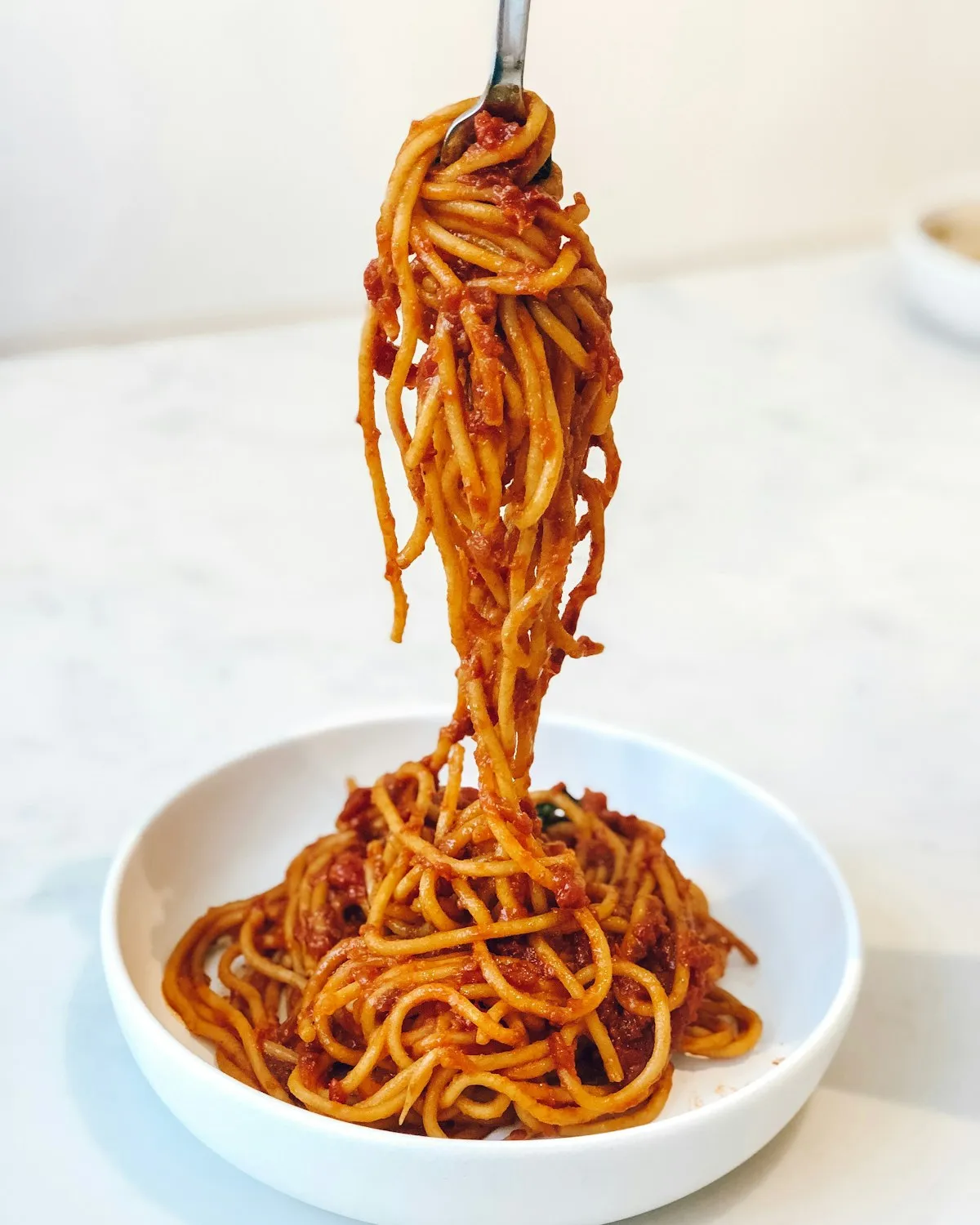
We’ve all been there. It’s 6:30 PM on a Tuesday, your fridge is a barren wasteland of half a lemon and a lonely jar of pickles, and the temptation to order takeout is reaching critical levels. But before you open that delivery app, look at your pantry. If you have a box of dried noodles, some oil, and a head of garlic, you’re less than fifteen minutes away from a meal that tastes like it came out of a professional kitchen. Mastering the art of the "pantry pasta" is the ultimate secret weapon for quick family meals that don't sacrifice quality for speed. Let’s turn those shelf-stable staples into a masterpiece.
The Alchemy of Liquid Gold: Why You Need Pasta Water
The biggest mistake home cooks make with simple pasta is treating the cooking water like a waste product. In reality, that cloudy, salty liquid is "liquid gold." When you boil pasta, it releases starch into the water. This starch is the scientific bridge that allows fat (your olive oil or butter) and liquid to bond. Without it, your oil just sits at the bottom of the bowl, leaving the pasta greasy and bland.
Use a heavy hand with the salt in your boiling water, it should taste like the sea, and reserve at least two cups of that water before you even think about draining. When you toss the pasta into your pan of aromatics, splash in some of that starchy water. The heat and the motion of tossing cause the starch to emulsify the fats, creating a creamy, glossy sauce that clings to every strand. This is the difference between a mediocre bowl of noodles and a 5-star experience.
The Art of the Bloom: Building Intense Flavor Bases
Since pantry pasta relies on very few ingredients, every single one has to work overtime. This is where "blooming" comes in. If you just throw raw garlic into a pot of wet pasta, the flavor will be sharp and one-dimensional. Instead, start by cold-infusing your olive oil. Place sliced garlic and red pepper flakes in a pan with room-temperature oil, then turn on the heat. This slow climb allows the oil to pull out the essential oils from the garlic and spices without burning them.
You want to build a flavor base that is almost too intense. If you’re using anchovies or tomato paste, cook them down until they change color, anchovies should dissolve completely, and tomato paste should turn from bright red to a deep, dark brick color. This caramelization creates a savory depth (umami) that mimics the complexity of a slow-simmered sauce. It might look concentrated and overly salty in the pan, but remember: the pasta and the reserved water will dilute and balance it perfectly. Much like how you might approach quick family meals using ramen, the secret is all in how you layer those initial aromatics.
The Texture Game: Finishing in the Pan
Never, ever drain your pasta and then pour a sauce over it in a cold bowl. To get that restaurant-quality finish, you must finish the cooking process in the skillet. Pull your pasta out of the boiling water about two minutes before it hits the al dente stage. It should still have a slightly chalky core.
Transfer it directly into your flavor base with a splash of that reserved water. Increase the heat and toss vigorously. This allows the pasta to absorb the seasoned sauce into its structure rather than just having it sit on the surface. Use a pair of tongs or a wooden spoon to keep everything moving. The friction helps the emulsification. Check the consistency constantly; if it looks dry or sticky, add more water. If it looks soupy, keep tossing until the liquid reduces into a tight, shimmering glaze.
Creative Variations: Shopping Your Shelves
The beauty of this technique is its versatility. Once you understand the emulsification process, you can swap ingredients based on what you find in the back of your cupboard. These are excellent healthy dinner ideas when you want to avoid processed pre-packaged sauces.
- The Tinned Fish Trick: A tin of sardines or tuna in oil can be flaked into the oil along with your garlic. It adds incredible protein and a salty, Mediterranean vibe.
- The Crunch Factor: If you don't have cheese, toast some panko breadcrumbs in a little oil with lemon zest and salt. Sprinkle this over the top for a "poor man’s parmesan" that adds a necessary textural contrast.
- The Brine Power: Capers, olives, or even a splash of juice from a jar of pickled jalapeños can provide the acidity needed to cut through the richness of the oil.
If you're looking for other ways to use those pantry items, you might find that the same logic applies to other quick staples. For instance, using intense aromatics is the key to making something like a kielbasa and pierogi roast feel like a gourmet meal instead of a last-minute scramble.
Balancing the Bowl: Side Dish Pairings
Because pantry pasta is heavy on starch and fat, you need to balance the plate with something bright, acidic, or bitter. A simple arugula salad with a heavy squeeze of lemon and a pinch of flaky salt is usually enough. However, if you want to elevate the meal further, look toward your air fryer.
Many air fryer recipes dinner enthusiasts know that roasting vegetables like broccoli, asparagus, or even kale chips takes only minutes. The charred, crispy edges of air-fried broccoli provide a smoky bitterness that perfectly offsets a garlicky pasta. These are great healthy dinner ideas because they require very little oil but deliver maximum flavor. Aim for high heat (around 400°F) to get that quick char without overcooking the center of the greens.
Pantry Pasta Troubleshooter (FAQ)
What if I accidentally drained all the pasta water?
Don't panic, but don't just use plain tap water. Tap water lacks the starch necessary to bind the sauce. If you’ve lost your liquid gold, try whisking a teaspoon of cornstarch or flour into a cup of warm water first. It won't be as perfect as the real deal, but it will help prevent the oil from separating.
Why is my garlic bitter?
You likely burnt it. Garlic goes from perfect to bitter in about five seconds. Always cook it over medium-low heat and add your liquid (pasta water or wine) the moment the garlic turns a pale golden brown. If it turns dark brown or black, wipe out the pan and start over; there is no saving burnt garlic flavor.
Can I use dried herbs instead of fresh?
Yes, but you must change when you add them. Fresh herbs (like parsley or basil) should be added at the very end to keep their color and bright oils. Dried herbs (like oregano or thyme) need time to rehydrate and should be added to the oil along with the garlic to bloom.
Is it really "healthy" if it's just pasta and oil?
Health is about balance. By using high-quality extra virgin olive oil, you're getting heart-healthy monounsaturated fats. If you load it up with garlic (which has anti-inflammatory properties) and pair it with a side of fiber-rich air-fried vegetables, you have a balanced, "real food" meal that is far better for you than a preservative-laden frozen dinner.
What’s the best pasta shape for pantry sauces?
For oil-based sauces like Aglio e Olio, long strands like spaghetti or linguine are king because they provide the most surface area for the thin sauce to coat. If you are using a chunkier pantry base (like tinned tomatoes and olives), go with a short, tubular shape like penne or rigatoni to trap the bits of flavor inside.
My sauce is too salty, what do I do?
If your "intense base" went a little too far, add a pinch of sugar and a big squeeze of lemon juice. The sugar counters the saltiness, and the acid from the lemon distracts the palate. Next time, remember that the pasta water itself is salty, so go easy on the added salt until the very end.