Recipe
Servings
Servings 1×
Cook 375 min
Ingredients
- Salmon
- Cod
- Potatoes
- Cauliflower
- Asparagus
- Spinach
- Avocado
- Lemon
- Mustard
- Cream
- Butter
- Cooking oil
- Salt
- Black pepper
Method
- Pat your fish bone-dry before it touches the pan.
- Keep an eye on the "white stuff", technically called albumin.
- Use a meat thermometer if you want to be a pro.
If you have fifteen minutes and a hungry stomach, you have everything you need for a restaurant-quality meal. Salmon is the ultimate weeknight hero; it’s elegant, nutrient-dense, and almost impossible to mess up if you understand the basic physics of the oven. This specific approach is a staple in my kitchen because it strips away the fuss, focusing on high-impact flavors like citrus and herbs. For those searching for easy dinner recipes that don't require a culinary degree, this is your new baseline for perfection.
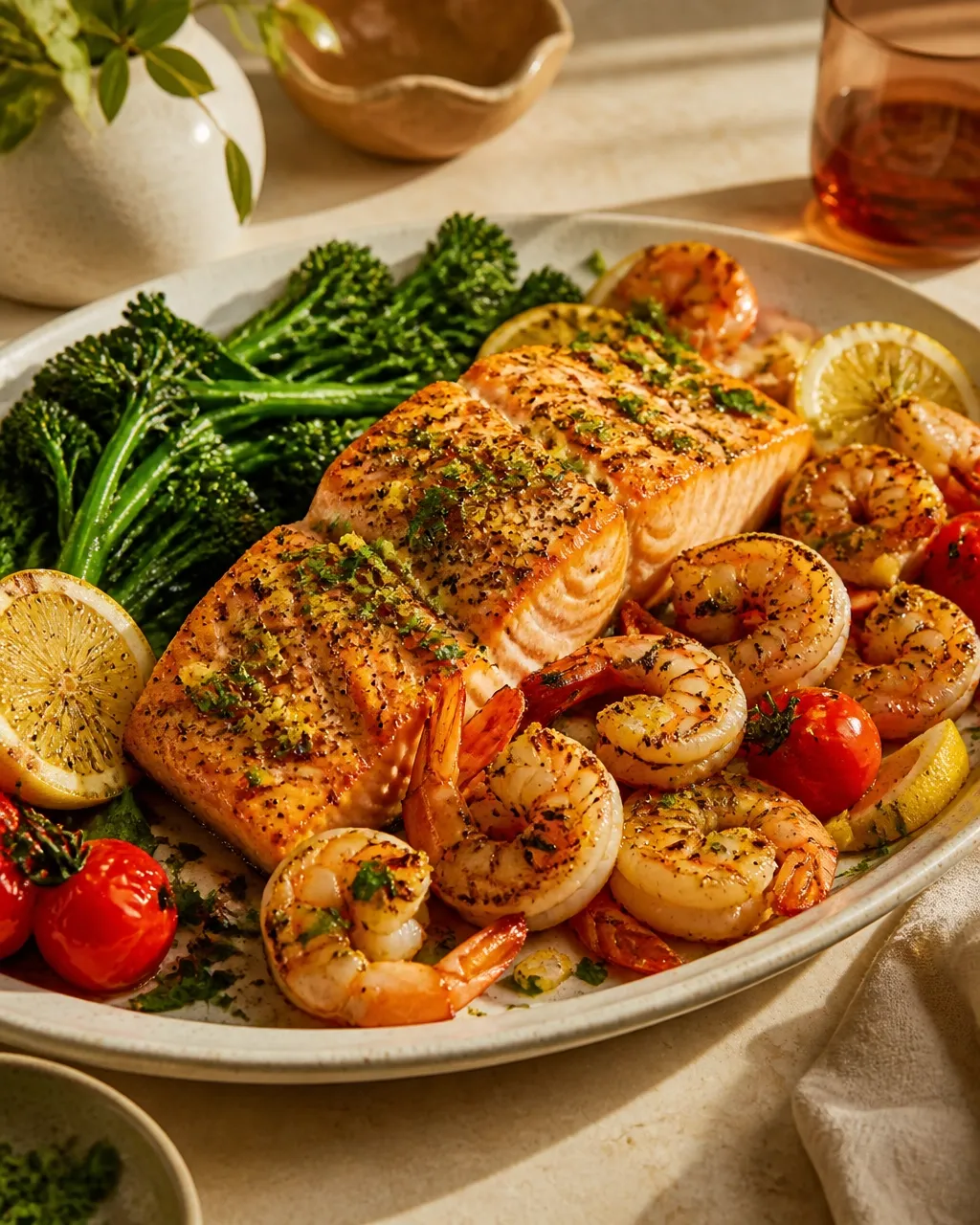
The Science of the Fifteen-Minute Bake
Mastering salmon isn't about following a clock; it’s about managing protein denaturation. When you subject a salmon fillet to heat, the proteins begin to uncoil and then coagulate. If you cook it too long, those proteins tighten like a wrung-out sponge, squeezing out all the moisture and leaving you with a dry, chalky mess. This is why high-heat, short-duration cooking is the golden rule for fatty fish.
Set your oven to at least 425°F. This high temperature creates a beautiful contrast between a slightly firm exterior and a buttery, translucent interior. Because salmon is rich in healthy fats, it can handle this blast of heat far better than leaner fish like cod or tilapia. Pat your fish bone-dry before it touches the pan. Moisture is the enemy of texture; any water left on the surface will create steam, resulting in a rubbery skin rather than a clean, roasted finish.
Keep an eye on the "white stuff", technically called albumin. This is a protein that exists in the fish in liquid form but coagulates and pushes to the surface when the muscle fibers contract. While perfectly safe to eat, a large amount of albumin is usually a visual cue that you’ve pushed the heat a little too far or too fast. Aim to pull the fish out just before it looks "done" to the eye. Carryover cooking is a real phenomenon; the internal temperature will continue to rise by 5 to 10 degrees while the fish rests on your counter.
Use a meat thermometer if you want to be a pro. For a silky, medium-rare texture, aim for an internal temperature of 125°F. If you prefer it more traditional and opaque throughout, aim for 135°F. Never, under any circumstances, push it past 145°F, or you’ll be eating salmon jerky. This precision is what makes this one of the most reliable keto recipes for beginners who want to see immediate success in the kitchen.
Soulful Variations for Every Palate
Once you’ve mastered the basic lemon and herb foundation, the possibilities for customization are endless. The goal is to maintain the simplicity of "real food" while shifting the flavor profile to suit your mood.
Try a Mediterranean twist by swapping the dill for oregano and topping the fillet with a spoonful of briny capers or chopped Kalamata olives. The saltiness of the olives cuts through the richness of the salmon beautifully. If you’re craving something with more depth, whisk together a bit of melted ghee and smoked paprika. The fat in the ghee carries the smoky notes deep into the flakes of the fish, giving it a rustic, campfire-adjacent soul without ever leaving your kitchen.
For a hit of umami, a thin coating of Dijon mustard under the lemon slices acts as both a flavor booster and a protective barrier, keeping the moisture locked inside the fillet. Avoid sugary glazes or bottled sauces that hide the natural sweetness of the fish. Stick to high-quality fats like avocado oil or grass-fed butter to keep your macros aligned and your flavors clean.
Balancing the Plate: Side Dish Pairings
Salmon is a rich, oily fish, so your side dishes should provide a sharp, clean contrast. Think of it as a see-saw; on one side you have the heavy, decadent healthy fats of the salmon, and on the other, you need acidity and crunch to level things out.
Pair your salmon with a heap of roasted asparagus or a quick sauté of garlicky spinach. These greens are non-negotiable for a balanced meal. The slight bitterness of charred greens resets your palate between bites of the buttery fish. A simple arugula salad dressed with nothing but lemon juice and a pinch of flaky salt is often all you need.
Avoid starchy sides if you are sticking to your goals. Instead, focus on textures that mimic that satisfaction. A quick cauliflower mash, seasoned heavily with black pepper and a touch of cream, provides that comforting "meat and potatoes" feel without the carbohydrate heavy-lifting. This approach ensures your easy dinner recipes remain both satisfying and nutritionally sound.
Troubleshooting Your 15-Minute Feast (FAQ)
Why did my salmon turn out dry even though I followed the timer?
Oven calibrations vary wildly, and more importantly, the thickness of your fillet is the true master of the clock. A thin tail piece will cook in half the time of a thick center-cut loin. Always judge doneness by the "flake test", if the thickest part of the fish separates easily along the natural white lines (the fat layers) with a fork, it’s ready.
Can I cook this from frozen?
You can, but I wouldn't recommend it if you want the best results. Cooking from frozen often leads to an uneven texture where the outside is overcooked before the center is thawed. If you must, add about 10 minutes to the cook time and lower the temperature slightly to 375°F to allow for a more gradual heat transfer.
Should I leave the skin on?
Absolutely. Even if you don't plan on eating it, the skin acts as a natural insulator, protecting the delicate flesh from the direct heat of the baking sheet. It also holds the fillet together, making it much easier to plate without it falling apart.
Is this a good choice for someone new to low-carb living?
Yes, this is among the best keto recipes for beginners because it focuses on whole ingredients that naturally fit the lifestyle. It teaches you to rely on high-quality fats and fresh acids for flavor rather than processed sugars or thickeners.
What if I don't have fresh dill?
Don't panic. Fresh parsley, chives, or even a sprinkle of dried thyme will work. The lemon is the most critical component here, as the citric acid helps "brighten" the heavy fats in the salmon. If you have no herbs at all, a generous crack of black pepper will still carry the dish.
Explore more of our minimalist cooking guides at Cookpedia to find your next favorite meal.
{“@type”:”BlogPosting”,”image”:[“https://cdn.marblism.com/HVQs9kB-QT_.webp”,”https://cdn.marblism.com/b4Vs6NKHv0m.webp”,”https://cdn.marblism.com/woh851-4xyF.webp”,”https://cdn.marblism.com/AjtZp0ziG6p.webp”,”https://cdn.marblism.com/V2s_25-2qvB.webp”],”author”:{“name”:”Cookpedia”,”@type”:”Organization”},”@context”:”https://schema.org”,”headline”:”Keto Quickness: 15-Minute Baked Salmon with Lemon”,”publisher”:{“logo”:{“url”:”https://cdn.marblism.com/KxroJ1kM_KA.webp”,”@type”:”ImageObject”},”name”:”Cookpedia”,”@type”:”Organization”},”articleBody”:”If you have fifteen minutes and a hungry stomach, you have everything you need for a restaurant-quality meal. Salmon is the ultimate weeknight hero; it’s elegant, nutrient-dense, and almost impossible to mess up if you understand the basic physics of the oven… Master your salmon with these keto-friendly tips and easy dinner ideas.”,”description”:”Learn the science behind perfectly baked salmon in just 15 minutes. A minimalist, keto-friendly guide for home cooks seeking healthy, high-impact flavor.”,”datePublished”:”2026-06-07″}