Recipe
Servings
Servings 1×
Ingredients
- Chicken
- Shrimp
- Pasta
- Asparagus
- Garlic
- Lemon
- Cream
- Hard cheese
- Butter
- Cooking oil
- Chili seasoning
- Salt
- Black pepper
Method
- Use a paper towel and press down until no surface moisture remains.
- Keep your shrimp dry to ensure they hit the pan ready to transform.
- Keep the heat gentle and whisk constantly for that restaurant-quality finish.
If you have fifteen minutes and a hunger for something that feels like a five-star meal without the five-star effort, you’ve come to the right place. In my kitchen, "fast" doesn't mean "compromised." This recipe for buttered shrimp and asparagus is the epitome of soulful, minimalist cooking. It’s a low-carb powerhouse that hits the sweet spot between healthy dinner ideas and pure, unadulterated comfort. You don't need a pantry full of exotic ingredients; you just need heat, fat, and a little bit of science to transform these simple components into a masterpiece.
The Science of the Sear: Tips & Technique
To master this dish, you have to understand the Maillard reaction. This is the chemical magic that happens when proteins and sugars hit high heat, creating that golden-brown crust and deep, savory flavor. For shrimp, this is a delicate dance. Shrimp are essentially tiny packets of protein and water; if you don't manage the moisture, they’ll steam instead of sear, leaving you with rubbery, grey crescents instead of succulent, golden bites.
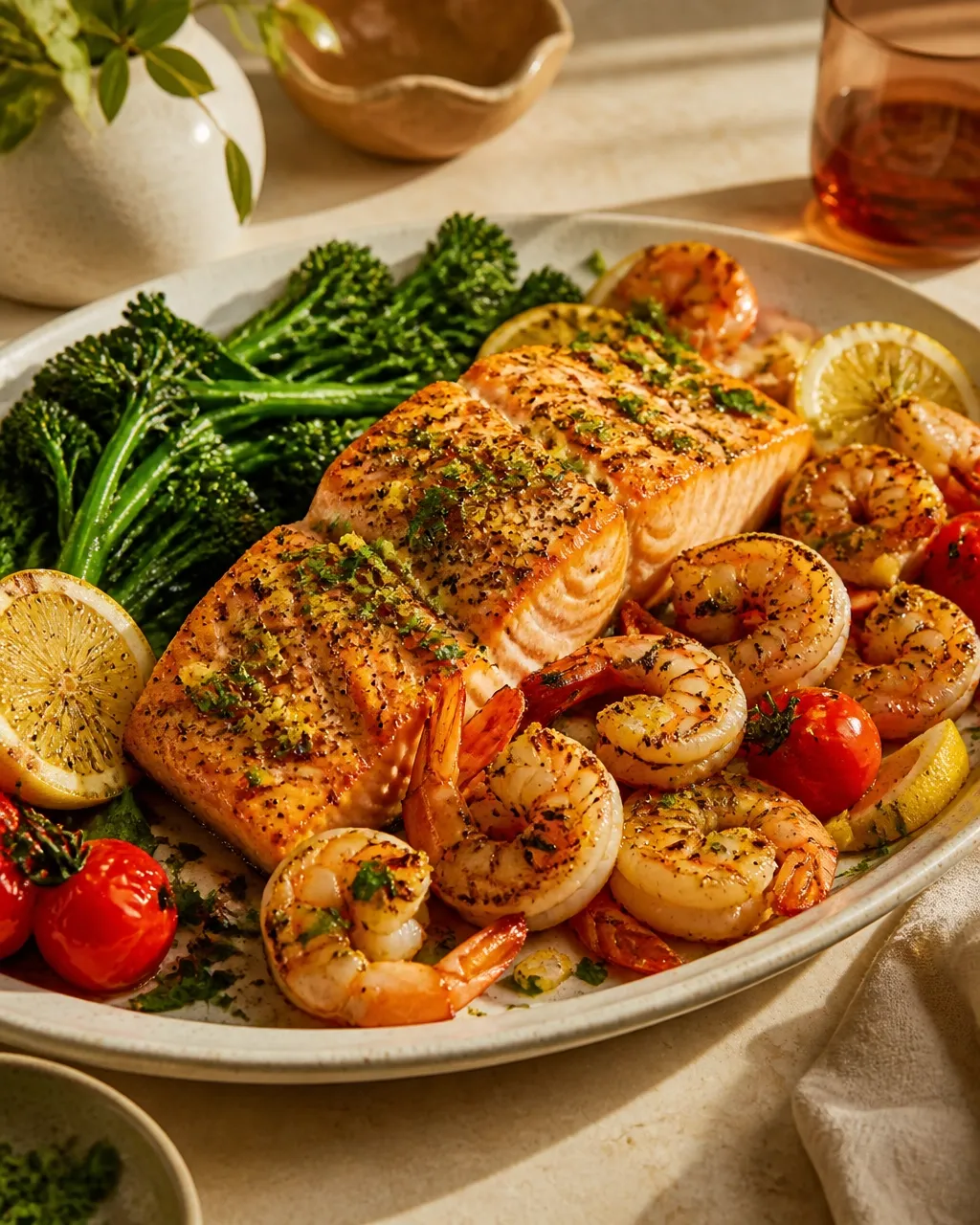
Moisture Control is Non-Negotiable
Pat your shrimp dry. I mean really dry. Use a paper towel and press down until no surface moisture remains. Water is the enemy of the sear. If your shrimp are wet, the pan’s energy goes into boiling off that water (which happens at 212°F) rather than browning the protein (which requires temperatures above 285°F). Keep your shrimp dry to ensure they hit the pan ready to transform.
Don't Crowd the Pan
When you're looking for quick family meals, it’s tempting to dump everything in at once. Resist the urge. Overcrowding the pan drops the temperature instantly and traps steam. Work in batches if you have to. You want each shrimp to have its own "personal space" so the air can circulate and the moisture can escape. This is a rule I live by: crowded pans lead to sad, soggy dinners.
The Art of the Emulsion
The sauce for this dish isn't just melted butter; it’s an emulsion. By deglazing the pan with a splash of chicken stock or lemon juice after searing, you’re picking up the "fond": those flavorful browned bits stuck to the bottom. When you whisk in cold butter over medium-low heat, the fat and liquid bind together into a glossy, velvety coating. If the heat is too high, the sauce will "break," turning into a greasy mess. Keep the heat gentle and whisk constantly for that restaurant-quality finish. Much like achieving a perfect glossy sauce for pasta, the secret is in the temperature control.
Flavor Variations to Shake Things Up
Once you’ve mastered the basic butter and garlic foundation, the world is your oyster: or your shrimp.
- Keto Alfredo Twist: After you’ve seared the shrimp and asparagus, add a splash of heavy cream and a handful of freshly grated Parmesan to the pan. Let it bubble and thicken until it coats the back of a spoon. It’s decadent, soulful, and entirely keto-friendly.
- The Spicy Mediterranean: Add a teaspoon of red chili flakes and some chopped kalamata olives to the butter sauce. The saltiness of the olives cuts through the richness of the butter beautifully.
- Air Fryer Asparagus: If you’re short on stovetop space, you can actually prep the asparagus separately. Toss the spears in oil and salt, then pop them in the air fryer at 400°F for 6-8 minutes. It gives them a fantastic char that rivals any skillet. For more inspiration on how this gadget can save your night, check out our air fryer sausage and pepper medley.
Side Dish Pairings for a Balanced Plate
While this dish is a star on its own, pairing it correctly can elevate the entire experience. Since the shrimp and asparagus are rich and buttery, you want sides that offer either a neutral base or a bright, acidic contrast.
- Cauliflower Rice: This is the gold standard for keto recipes for beginners. It soaks up the extra lemon-butter sauce like a sponge. Sauté it briefly with a little salt and pepper to keep it fluffy.
- Zucchini Noodles (Zoodles): Use a spiralizer to create thin ribbons of zucchini. Don't cook them long: just toss them in the warm pan with the shrimp for 30 seconds at the very end. They add a fresh, garden-soul vibe to the meal.
- Arugula Salad: A simple bed of peppery arugula dressed with nothing but a squeeze of lemon and a pinch of sea salt provides a sharp contrast that "wakes up" your palate between bites of rich buttered shrimp.
Frequently Asked Questions (FAQ)
Why is my shrimp rubbery and tough?
You overcooked it. Shrimp cook incredibly fast: usually in just 2 to 3 minutes per side. As soon as they turn opaque and form a "C" shape, they are done. If they've tightened into a tight "O" shape, you've gone too far. Always pull them off the heat slightly before you think they're ready; carryover heat will finish the job.
Can I use frozen shrimp for this?
Absolutely. Just make sure they are fully thawed and, as mentioned before, patted completely dry. To thaw quickly, place them in a bowl of cold water for 15 minutes. Avoid thawing in the microwave, as it starts the cooking process and ruins the texture.
My sauce looks oily and separated. How do I fix it?
Your pan was likely too hot when you added the butter. To fix a broken sauce, take it off the heat immediately. Add a teaspoon of water or stock and whisk vigorously. The moisture and the drop in temperature can often pull the emulsion back together.
Can I use frozen asparagus?
I wouldn't recommend it for this specific recipe. Frozen asparagus tends to get very soft and "mushy" once thawed because the ice crystals break down the cell walls. For that signature snap, fresh is the way to go. If you only have frozen, consider incorporating it into one of our air fryer recipes dinner styles where high-intensity heat can help evaporate that extra moisture.
How do I store and reheat leftovers?
Shrimp doesn't love being reheated, but if you must, do it gently. Store in an airtight container for up to two days. Reheat in a skillet over low heat with a tiny splash of water or butter just until warmed through. Avoid the microwave at all costs: it will turn your succulent shrimp into rubber erasers in seconds.
{“@type”:”BlogPosting”,”image”:”https://cdn.marblism.com/8z7fyL1Euzs.webp”,”author”:{“name”:”Penny”,”@type”:”Person”},”@context”:”https://schema.org”,”headline”:”Keto Quickness: 15-Minute Buttered Shrimp with Asparagus”,”keywords”:”keto recipes for beginners, easy dinner recipes, healthy dinner ideas, quick family meals”,”publisher”:{“logo”:{“url”:”https://cookpedia.com/logo.png”,”@type”:”ImageObject”},”name”:”Cookpedia”,”@type”:”Organization”},”description”:”Learn the science behind the perfect 15-minute keto buttered shrimp and asparagus. Master the Maillard reaction and emulsion for a healthy, soulful dinner.”,”datePublished”:”2026-06-07″,”mainEntityOfPage”:{“@id”:”https://cookpedia.com/keto-shrimp-asparagus-15-minute-meal”,”@type”:”WebPage”}}