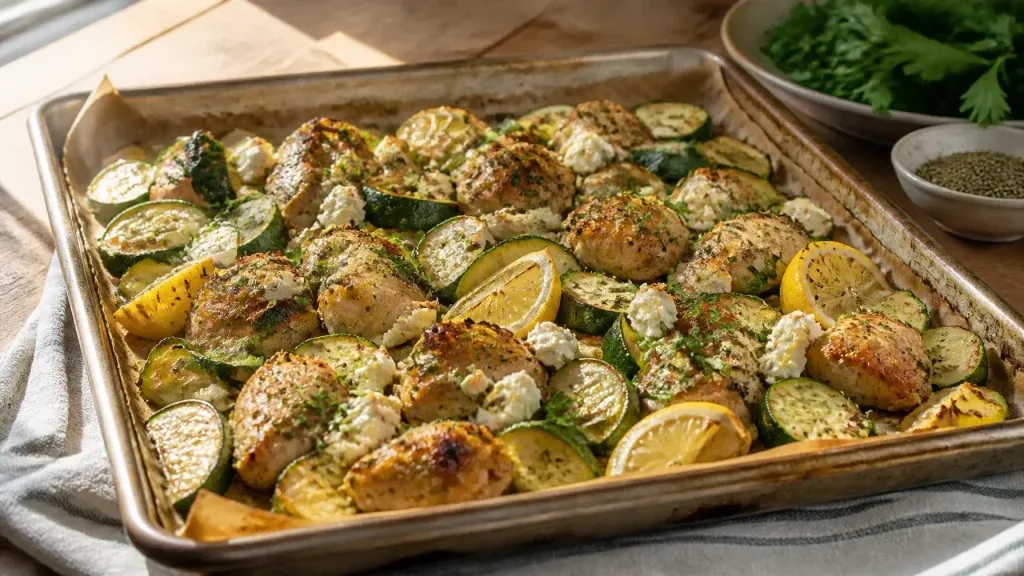
Recipe
Servings
Servings 1×
Ingredients
- Chicken
- Orzo
- Pasta
- Rice
- Greek yogurt
- Tortillas
- Cauliflower
- Zucchini
- Tomatoes
- Onion
- Garlic
- Lemon
- Feta
- Cooking oil
- Salt
Method
- Let’s be honest: your Tuesday night deserves more than a sad bowl of cereal or another delivery box.
- Use bone-in, skin-on thighs.
- Remove that water early, and the oven can spend more of its effort on rendering fat and crisping skin instead of running a tiny sauna on your sheet pan.
- Give each thigh breathing room so moisture can escape rather than condense and hang around like an uninvited party guest.
- Use a pan large enough to promote roasting instead of stewing, and keep the oven hot enough to maintain momentum.
- Heat and fat help move flavor where you can actually taste it.
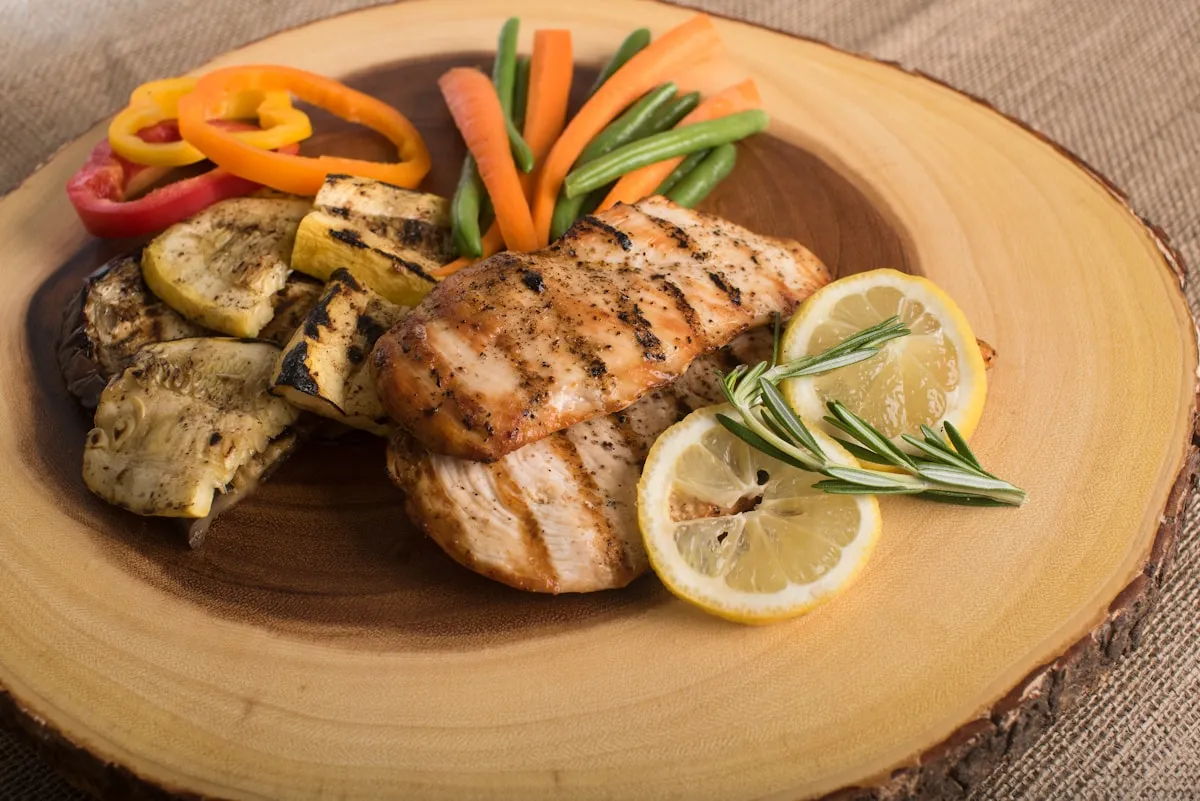
Let’s be honest: your Tuesday night deserves more than a sad bowl of cereal or another delivery box. You want food that tastes like a vacation in Santorini but requires the effort of a nap. That’s the beauty of one-pan cooking. It’s the ultimate "set-it-and-forget-it" hack that transforms a handful of humble ingredients into a masterpiece. Today, I’m showing you why Mediterranean chicken thighs are the undisputed heavyweight champion of one pot meals.
The Thermodynamics of Great Chicken: Why Thighs Win
When it comes to healthy weeknight dinners, chicken thighs are the overachievers of the poultry world. They’re forgiving, flavorful, and much harder to ruin than chicken breasts, which frankly can go from perfect to drywall in what feels like three emotional seconds. The reason comes down to structure, fat, and heat transfer.
Chicken thighs contain more intramuscular fat and more connective tissue than breasts. That sounds technical, but here’s the practical version: thighs are built for roasting. As they cook, the fat gradually renders and the collagen in the connective tissue begins to soften into gelatin. That process doesn’t just keep the meat juicy. It changes the mouthfeel from merely “cooked” to actually luscious. Breasts don’t have the same backup plan. Once they overshoot their ideal temperature, they dry out and start acting like they resent you.
Now let’s talk thermodynamics, because your oven is not just a hot box. It’s a heat-delivery system using convection, radiation, and good old-fashioned contact with the pan. Hot air circulates around the thighs. The oven walls radiate heat. The skillet or roasting pan conducts heat directly into the parts touching metal. That three-way assault is exactly why thighs get such great contrast: crisp exterior, juicy middle, and a pan full of concentrated drippings that taste like you actually know what you’re doing.
Use bone-in, skin-on thighs. Do not negotiate with me on this unless you truly enjoy missing out. The bone slows down the rate at which the interior overheats, which helps the meat cook more evenly. The skin acts like edible insulation at first, then turns into a heat-powered crunch machine once enough moisture evaporates. That evaporation step is the whole ballgame. Skin cannot crisp while it’s wet. As long as water sits on the surface, the temperature stays pinned near the boiling point of water. Only after that moisture cooks off can the skin temperature climb high enough for browning reactions to really take off.
That’s why patting the chicken dry matters so much. It’s not fussy chef theater. It’s physics. Surface water has to evaporate before browning begins, and evaporation steals energy. Remove that water early, and the oven can spend more of its effort on rendering fat and crisping skin instead of running a tiny sauna on your sheet pan.
Avoid crowding the pan. If your thighs are packed together, they trap steam. Steam is wonderful if you’re making dumplings. Steam is a buzzkill if you want crisp chicken skin. Give each thigh breathing room so moisture can escape rather than condense and hang around like an uninvited party guest. Use a pan large enough to promote roasting instead of stewing, and keep the oven hot enough to maintain momentum. Around 425°F works because it pushes evaporation and browning at the same time without scorching everything into sadness.
The fat in the thighs does double duty here. First, it renders and bastes the meat. Second, it acts as a solvent for flavor. Many of the aromatic compounds in Mediterranean herbs and spices are fat-soluble, which is a fancy way of saying they dissolve and travel better in fat than in water. So when thyme, oregano, rosemary, cumin, coriander, paprika, or garlic hit warm chicken fat and olive oil, their essential oils bloom and spread. You don’t just taste “spices.” You taste a fuller, rounder version of them because the fat is carrying those compounds across your palate.
That’s one reason Mediterranean seasoning works so well with thighs specifically. Oregano and rosemary bring resinous, piney compounds that hold up beautifully under high heat. Paprika contributes sweet, earthy notes and fat-friendly pigments. Cumin and coriander offer warm, citrusy, almost nutty aromas that become more noticeable when dissolved in hot fat. Garlic contributes sulfur compounds that mellow and sweeten as it roasts. This is not culinary magic. It’s chemistry wearing a very tasty disguise.
Then come the tomatoes and olives, which make the whole pan smarter. Tomatoes contain water, acid, sugar, and glutamates. As they roast, water evaporates, sugars concentrate, and their savory depth becomes more pronounced. Olives bring salt, bitterness, and fat. Together, they create balance. The tomatoes brighten and soften the richness of the chicken fat, while the olives keep the dish from tasting flat or overly sweet. It’s a Mediterranean tag team with excellent timing.
The olive brine also earns its keep. As it mingles with rendered fat and tomato juices, it creates a loose pan sauce with salt, acid, and umami already built in. That liquid reduces as the chicken roasts, becoming more intense without requiring you to stand over the stove pretending you wanted extra chores. If you like quick family meals, this is exactly the kind of dinner that pulls its own weight.
There’s also a nutritional upside to all those Mediterranean flavors. Many herbs and spices in this style of cooking contain antioxidant compounds, including polyphenols and carotenoids. Oregano and rosemary are especially rich in plant compounds associated with oxidative stability and bold flavor. Paprika contributes carotenoid pigments, while garlic and olive oil bring their own well-known nutritional perks. No, spices do not magically turn dinner into a superhero cape. But they do add flavor without leaning on excessive sugar or heavy sauces, which is one reason this dish belongs comfortably among sensible healthy dinner ideas.
Fat-Soluble Flavor: Why Mediterranean Spices Taste Bigger Here
Mediterranean chicken works because the seasoning isn’t just sitting on the surface looking decorative. Heat and fat help move flavor where you can actually taste it. A lot of the aroma molecules in dried herbs and warm spices are hydrophobic, meaning they prefer fat over water. When those compounds dissolve into rendered chicken fat and olive oil, they spread more evenly across the meat and vegetables.
That’s why a hot pan of chicken thighs smells outrageous in the best possible way. You’re not only smelling the spices themselves; you’re smelling volatile aromatic compounds being released as fat warms and circulates around the pan. In plain English: the chicken fat becomes a flavor taxi.
This also explains why the dish tastes more integrated after roasting than it would if you just scattered the same spices over poached chicken. Roasting concentrates everything. Water leaves. Fat renders. Aromas bloom. Sugars darken. Acids soften. The final flavor is less sharp-edged and more connected, like the ingredients finally agreed to work as a team.
Use that to your advantage. Lean into spices that bring contrast. Earthy spices add depth. Herbal notes add freshness. Citrus, vinegar, or tomato add lift. Olives bring salinity and a little bitterness, which is crucial when the chicken fat starts coating your mouth. Good Mediterranean food is all about balance, not brute force.
Remixing the Mediterranean: Flavor Variations
Once you understand the pattern here, you can riff without wrecking dinner. Keep the core structure of rich chicken, aromatic fat, bright acid, and a salty element. Change one or two pieces, not the entire universe.
For a more Greek-leaning version, add lemon in a way that respects the roasting process. Too much acid too early can slow browning on the surface, so keep the brighter citrus hit for the finish or use it lightly. Add feta near the end if you want creamy, salty pockets that soften without fully melting. It gives the dish a tangy richness that plays especially well with oregano and olives.
For a North African spin, steer into cumin, coriander, and paprika, or bring in a spoonful of harissa. The capsaicin and aromatic spices dissolve well into the rendered fat, so the heat tastes rounded rather than aggressive. Dried apricots or dates can work too, but keep them in supporting roles. A little sweetness helps offset the bitter edge of olives and the acidity of tomatoes. Too much, and dinner starts acting like dessert in a trench coat.
If you want a sharper profile, use capers instead of some of the olives. Capers bring acid and floral salinity without as much fatty richness. That makes the whole pan feel lighter. If you want extra vegetable bulk, add sturdy vegetables that can roast instead of collapse. Zucchini, peppers, or red onion fit the assignment. Watery vegetables can be great, but only if the pan has enough room for their moisture to escape.
This flexibility is what makes the dish one of my favorite quick family meals. You can shift the personality without changing the method, and that is weeknight gold.
Balancing the Plate: Perfect Pairings
A pan of roasted chicken thighs brings richness, salt, and concentrated savory flavor, so the side dishes need to bring relief. Do not serve this with something equally heavy unless your goal is a very delicious nap.
An arugula salad with lemon vinaigrette is still my favorite move. The peppery greens and sharp acidity cut through rendered fat and wake up your palate between bites. That contrast matters. Rich food tastes better when something fresh keeps resetting the table.
Grains are useful here too, but pick wisely. Couscous, bulgur, or orzo soak up the pan juices without competing with them. They function like flavor sponges, which is exactly what you want when the bottom of the pan is full of tomato-chicken-olive goodness. If you’re aiming for lighter healthy dinner ideas, cauliflower rice with parsley and lemon works for the same reason: neutral base, bright finish, no drama.
Greek yogurt also makes a smart partner. Its cool tang tempers salt and richness, and the proteins in yogurt give it enough body to feel satisfying without adding heaviness. Use anything on the side that contributes acidity, freshness, or absorbency. Those are the three jobs that need filling.
Troubleshooting the Pan: FAQ
What if my chicken skin isn't getting crispy?
Blame moisture first. Crisping only happens after the surface dries enough for the temperature to climb above the boiling point of water. If the skin is damp, or if the pan is crowded, the chicken will steam instead of roast. Pat the skin dry, give each thigh space, and use a shallow pan so moisture can escape. Also check your oven temperature. If your oven runs cool, your chicken may be gently warming itself rather than actually roasting.
What if the spices taste flat instead of bold?
You likely need better fat distribution or better contrast. Many flavor compounds in Mediterranean herbs and spices are fat-soluble, so they bloom more effectively when they mingle with olive oil and rendered chicken fat. If the dish tastes dull, it may need more acid at the end, not just more salt. Lemon, a touch of vinegar, or even extra tomatoes can brighten the spices and make them read louder without turning the whole thing salty.
Can I use chicken breasts instead?
You can, but they’re not ideal for this high-heat setup. Breasts are lean and heat up faster, so they have a much narrower margin for error. Thighs are simply better engineered for roasting because their fat and connective tissue buy you more time. If you swap anyway, shorten the cooking time and accept that the final dish will be less rich and less forgiving.
My olives made the dish too salty. How do I fix it?
Rinse the olives before using them, especially if they’re packed in aggressive brine. If the finished dish is already too salty, add acid and something unsalted to diffuse the impact. Lemon helps because acid brightens flavor and shifts your perception of saltiness. A spoonful of plain yogurt on the side can also soften the edges.
Can I make this ahead of time?
You can prep components ahead, but the fully roasted dish is best fresh. Crisp skin is a texture event, and reheating tends to undo it by reintroducing moisture. If you need to make it ahead, think of leftovers as a different dinner rather than a perfect rerun. Reheated meat works beautifully tucked into grain bowls, wraps, or pasta, where crisp skin is no longer the main attraction.
Do the tomatoes have to be cherry tomatoes?
Cherry or grape tomatoes are the safest choice because they roast quickly, hold shape reasonably well, and concentrate nicely. Larger tomatoes dump more water into the pan, which can interfere with browning and crisping. If larger tomatoes are all you have, give them more space and expect a looser, more saucy result.
Why are chicken thighs considered a smarter nutritional choice than they get credit for?
Because “fattier” doesn’t automatically mean “worse.” Thighs do contain more fat than breasts, but that extra fat is also what makes them more satisfying and more compatible with bold herb-and-spice cooking. Pair them with olive oil, tomatoes, and herbs, and you get a meal with protein, useful micronutrients, and lots of flavor without needing heavy breading or sugar-loaded sauces. Mediterranean spices also add antioxidants and complexity with basically no effort, which is my favorite kind of nutritional upgrade.
Troubleshooting Guide
| Issue | Root Cause | The Fix |
|---|---|---|
| Soggy Chicken Skin | Surface moisture or overcrowded pan. | Pat thighs bone-dry and ensure space between pieces so steam can escape. |
| Flat Spice Flavor | Not enough fat contact or acid balance. | Let spices mingle with olive oil and rendered fat; finish with lemon or vinegar. |
| Overly Salty Dish | Too much olive brine or salted olives. | Rinse olives before adding; balance at the end with lemon or plain yogurt. |
| Burnt Vegetables | Oven too hot or pan placement too close to the heat source. | Verify oven temp and keep delicate vegetables away from hot spots. |
| Raw/Tough Meat | Under-roasting or uneven heat transfer. | Use a thermometer and roast until the thickest part reaches a safe temperature. |
| Watery Pan Sauce | Excess tomato moisture or crowded ingredients. | Use smaller tomatoes and give the pan more room so moisture can evaporate. |
Cooking doesn't have to be a chore, and it definitely doesn't need to turn your sink into a crime scene. When you understand how heat moves, how fat carries flavor, and why dry skin equals crispy skin, this dinner stops feeling random and starts feeling reliable. Preheat the oven, trust the thighs, and let thermodynamics make you look good.