Recipe
Servings
Servings 1×
Ingredients
- Salmon
- Quinoa
- Rice
- Potatoes
- Asparagus
- Avocado
- Garlic
- Lemon
- Lime
- Honey
- Cream
- Hard cheese
- Butter
- Cooking oil
- Chili seasoning
Method
- Use a paper towel and press firmly onto the salmon fillets until they are bone-dry.
- Use a high-smoke-point oil like avocado or grapeseed for the initial sear.
- Place the salmon in the pan and, this is the most important part, do not touch it.
You know those nights when you stare into the fridge, and the thought of spending an hour over the stove feels like a personal insult? We’ve all been there. That’s why I’m obsessed with this combination. It’s the ultimate solution for healthy weeknight dinners: it’s fast, it’s remarkably hard to mess up, and it tastes like you actually know what you’re doing in the kitchen. No complicated equipment, no obscure ingredients, just high-impact flavor in fifteen minutes.
The Chemistry of the Perfect Sear
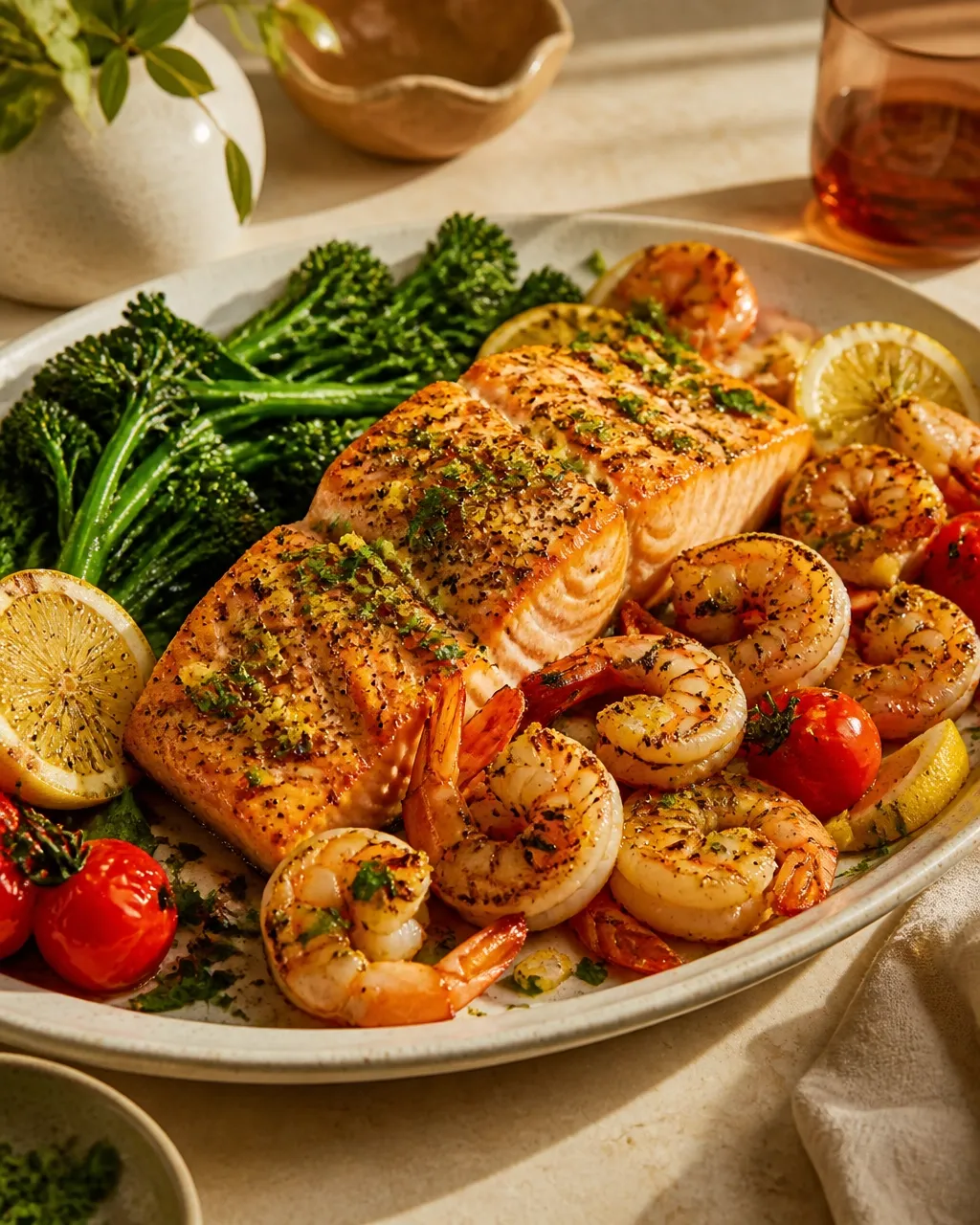
If you want your salmon to taste like it came from a high-end bistro rather than a cafeteria tray, you need to understand the Maillard reaction. This is the scientific process where heat transforms the proteins and sugars on the surface of your fish into a savory, golden-brown crust. To achieve this, you must prioritize dryness. Moisture is the enemy of a good sear. Use a paper towel and press firmly onto the salmon fillets until they are bone-dry. If there is water on the surface, the fish will steam instead of sear, leaving you with a pale, rubbery texture.
Preheat your skillet: preferably cast iron or heavy stainless steel: for at least three minutes on medium-high heat before anything touches the pan. Use a high-smoke-point oil like avocado or grapeseed for the initial sear. If you start with butter alone, the milk solids will burn before the fish is even halfway cooked, resulting in a bitter, acrid flavor. Place the salmon in the pan and, this is the most important part, do not touch it. Leave it alone for at least four minutes. This allows the crust to form and naturally release from the pan surface. If you try to flip it and it sticks, it’s not ready.
Managing the internal temperature is the difference between silk and sawdust. Salmon proteins, specifically myosin, tighten up and squeeze out moisture the longer they are exposed to heat. Aim for an internal temperature of 125°F to 130°F. Pull the fish from the heat a few degrees early because carryover cooking will continue to raise the temperature while the fish rests on your plate.
Master the Garlic Butter Emulsion
The sauce is where the magic happens, but garlic is a delicate beast. Because it has very little moisture and high sugar content, it burns in a heartbeat. Never add your minced garlic at the beginning of the sear. Instead, wait until the salmon is flipped and nearly finished. Turn the heat down to medium-low, drop in a generous knob of butter, and once it begins to foam, toss in the garlic.
Basting is a technique you see professional chefs use, and for good reason. Tilt your pan so the melted, garlic-infused butter pools at the bottom, then use a large spoon to repeatedly pour that liquid gold over the fish. This creates a flavor coating that oil alone can't achieve. This method is a staple for creating quick family meals that don't compromise on gourmet appeal.
For the asparagus, timing is everything. These green spears are mostly water and cellulose. If you overcook them, the cell walls rupture, and you end up with limp, stringy mush. Trim the woody ends by snapping them where they naturally break. Sauté them in the same pan as the salmon to soak up those delicious pan juices. They only need about five to seven minutes to achieve a "tender-crisp" state: bright green with a slight blistered exterior but a firm snap in the middle.
Flavor Variations and Adaptations
While garlic and butter are a match made in heaven, you can easily pivot this dish to suit your mood or pantry. If you are looking for even more healthy dinner ideas, consider adding a Mediterranean flair. Replace the butter with a high-quality extra virgin olive oil and add a handful of capers and kalamata olives at the very end. The saltiness of the capers provides a beautiful contrast to the richness of the salmon.
For those who crave a bit of heat, whisk a teaspoon of red chili flakes into the butter as it melts. The fat in the butter will carry the capsaicin, distributing a gentle, even heat across the entire dish. If you're short on stovetop space, this recipe also adapts perfectly to the oven. You can even find inspiration from our air fryer recipes dinner techniques to get that crispy skin without the splattering oil.
If you want a brighter, citrus-forward profile, use lime instead of lemon and add a splash of honey to the butter sauce. The sugar in the honey will caramelize slightly, creating a glaze that clings to the asparagus. Just be careful not to let the honey burn; add it at the very last second before serving.
Perfect Side Dish Pairings
When choosing sides for this dish, think about balance. The salmon and garlic butter are rich and fatty, so you need something to cut through that weight. A light, acidic salad is often the best companion for these types of healthy weeknight dinners. A simple arugula salad with a sharp white wine vinaigrette and shaved parmesan provides a peppery bite that cleanses the palate between forkfuls of buttery fish.
If you need something more substantial for quick family meals, grains are your best friend. A bed of fluffy quinoa or couscous is excellent at soaking up the extra garlic butter sauce from the pan. Avoid heavy, cream-based sides like mashed potatoes unless you are looking for a very indulgent meal; the salmon is already providing plenty of healthy fats, so a lighter starch like roasted baby potatoes with rosemary or a simple wild rice pilaf usually works better.
Don't overlook the power of fresh herbs as a "side" garnish. A massive handful of fresh dill or flat-leaf parsley tossed over the top right before serving isn't just for looks. The volatile oils in fresh herbs provide a hit of freshness that brightens the entire plate and makes the garlic flavor feel less heavy.
Frequently Asked Questions
Why does white stuff come out of my salmon?
That white gunk is called albumin. It’s a protein that exists inside the fish in liquid form. When the salmon cooks too fast or too long, the muscle fibers contract and push the liquid albumin to the surface, where it coagulates. It’s perfectly safe to eat, but it’s a sign that your heat might be too high or you’re overcooking the fish. To minimize it, cook the salmon more gently and don't skip the "dry the surface" step.
Can I use frozen salmon and asparagus?
Yes, but with caveats. Thaw the salmon completely in the refrigerator overnight and pat it exceptionally dry. Frozen salmon often retains more moisture than fresh, so the sear might be slightly more difficult to achieve. For the asparagus, I strongly recommend fresh. Frozen asparagus tends to become soggy when sautéed because the freezing process breaks down the cell walls. If you must use frozen, roast it at a very high temperature in the oven instead of using the skillet.
Why is my garlic bitter?
You burned it. Garlic contains sulfur compounds and sugars that turn bitter the moment they go past a light golden brown. If your pan is screaming hot from searing the salmon, remove it from the heat for thirty seconds before adding the butter and garlic. This "cool down" period ensures the garlic infuses the fat without scorching.
Should I leave the skin on?
Absolutely. Even if you don't plan on eating the skin, it acts as a thermal barrier between the hot pan and the delicate flesh of the fish. This helps prevent overcooking and keeps the salmon moist. If you do want to eat it (and you should!), cooking it skin-side down for 80% of the total cook time is the secret to getting it cracker-crisp.
How do I know when the asparagus is done?
The color is your best indicator. It should transition from a dull, forest green to a vibrant, neon green. Once it reaches that bright stage, give it one more minute and then pull it. If it starts turning an army-drab olive color, you’ve gone too far and lost the texture.
Can I meal prep this?
Salmon is best eaten fresh, as reheating it can often lead to a fishy aroma and dry texture. However, if you do want to meal prep, undercook the salmon slightly (around 120°F). When you reheat it the next day in the microwave or a low oven, it will finish cooking without becoming inedible. Store the asparagus in the same container so it can benefit from the residual garlic butter. Exploring healthy dinner ideas for meal prep usually involves sturdier fish, but salmon works if you're careful with the reheat.