Recipe
Servings
Servings 1×
Ingredients
- Chicken
- Shrimp
- Pasta
- Noodles
- Rice
- Broccoli
- Asparagus
- Zucchini
- Spinach
- Corn
- Tomatoes
- Garlic
- Lemon
- Cream
- Hard cheese
- Cooking oil
- Black pepper
Method
- Prepare the ingredients described in the article and heat the cooking surface or oven as directed.
- Cook the main ingredients using the heat and timing guidance in the article.
- Finish with the seasonings and garnishes named in the article, then serve.
You have been there: it’s 6:00 PM, the kids are asking for the third time what’s for dinner, and the thought of washing three different pots makes you want to order takeout. Stop right there. One-pot meals aren't just a lazy cook’s dream; they are a scientific shortcut to the glossiest, most flavorful pasta you’ve ever tasted. This creamy sun-dried tomato pasta uses every drop of starch to create a restaurant-quality emulsion that makes quick family meals feel like a weekend luxury.
The Science of the Starch Gel
Most home cooks are taught to boil pasta in a massive gallon of salted water, drain it, and then try to force a sauce to stick to it. This is a missed opportunity. When you cook pasta in a limited amount of liquid, as we do in a one-pot method, you are essentially creating a concentrated starch "stock."
As the pasta heats up, the starch granules on the surface of the noodles absorb water, swell, and eventually burst. In a traditional big-pot boil, that starch is washed away and poured down the drain. In a one-pot dish, that starch stays in the pan, acting as a powerful thickening agent. This creates what scientists call a starch gel. This gel is the secret to a sauce that doesn't just sit in a puddle at the bottom of your bowl but actually clings to every ridge of the noodle.
To maximize this, avoid rinsing your pasta or using too much water at the start. You want just enough liquid to submerge the noodles. Frequent stirring during the first three minutes is non-negotiable; this helps "rinse" that surface starch into the liquid early on, preventing the noodles from sticking to each other while building the foundation of your sauce.
The Emulsification Masterclass
The "creaminess" in this dish doesn't just come from a splash of heavy cream; it comes from a successful emulsion of fat and starchy water. For this recipe, your primary fat source is the oil from the sun-dried tomato jar. This oil is a flavor powerhouse, packed with fat-soluble aromatics that have infused over months.
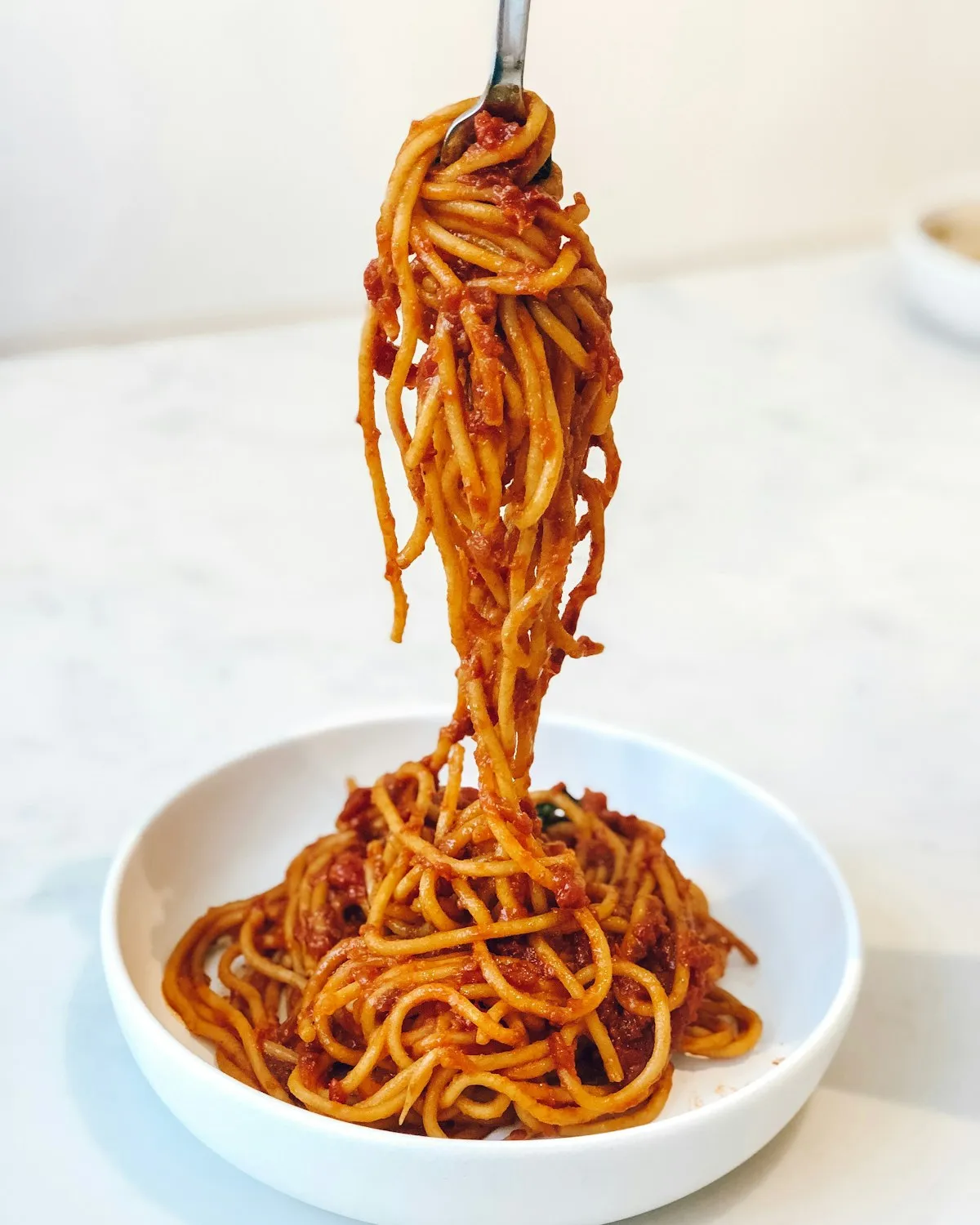
When you toss this flavored oil with the concentrated starchy pasta water, you are creating a stable emulsion. The starch acts as a bridge between the water-based liquid and the fat, preventing the oil from separating. To achieve that signature glossy finish, you must use mechanical energy. This means vigorous tossing and stirring as the liquid reduces. If you see a greasy ring around the edge of your pot, your emulsion has broken. Don't panic, just add a tablespoon of hot water and stir rapidly to bring it back together.
Flavor Chemistry and the Cheese Rule
Sun-dried tomatoes are umami bombs. During the drying process, the water evaporates, concentrating the sugars, acids, and glutamates. When you sauté them in the oil at the beginning, you are "blooming" these flavors. This ensures the savory notes are distributed throughout the entire pot, rather than just appearing in occasional bites.
If you are adding Parmesan or Pecorino to finish the dish, temperature control is your best friend. Hard cheeses are held together by proteins that "seize" and clump if they hit boiling temperatures. This results in a grainy sauce and a rubbery ball of cheese stuck to your spoon. Always remove the pot from the direct heat source before folding in your cheese. Aim for a temperature of around 140°F (60°C). At this heat, the cheese proteins will relax and melt into the starch gel smoothly, giving you that velvet-like texture.
Elevating Your One-Pot Variations
While the base of this pasta is vegetarian-friendly, it serves as a perfect canvas for healthy dinner ideas. If you want to add protein, consider seared chicken breast or sautéed shrimp. However, to keep the "one-pot" promise, cook your protein in the pot first, remove it, and then add it back at the very end. This prevents the protein from overcooking and becoming rubbery while the pasta simmers.
For a nutritional boost, fold in three or four cups of fresh baby spinach during the last 60 seconds of cooking. The residual heat is enough to wilt the greens without turning them into a mushy mess. If you prefer a bit of heat, bloom a half-teaspoon of red pepper flakes in the sun-dried tomato oil before adding the liquid. The capsaicin in the peppers is fat-soluble, meaning the heat will be carried more effectively by the oil throughout the sauce.
Perfect Side Dish Pairings
Because this pasta is inherently rich and creamy, your side dishes should focus on high acidity and crunch to cleanse the palate. A heavy dish needs a "bright" partner.
- Arugula Power Salad: The peppery bite of arugula and a sharp lemon vinaigrette cut straight through the richness of the sun-dried tomato cream.
- Garlic Broccolini: Quickly steamed or sautéed with a squeeze of lemon juice, the bitterness of the greens balances the sweetness of the concentrated tomatoes.
- Crispy Air Fryer Sides: If you are looking for more air fryer recipes dinner options, try air-frying some zucchini chips or asparagus spears. The dry, high-heat air creates a texture that offsets the soft, saucy pasta.
Troubleshooting FAQ
Why is my pasta sticky and gummy?
Gummy pasta is usually the result of two things: not enough water or not enough stirring. If there isn't enough liquid for the starch to disperse into, it will act like glue, sticking the noodles together. Stir frequently during the first few minutes to ensure the surface starch moves into the liquid.
My sauce is too thin and looks like soup. What did I do wrong?
You likely used too much liquid or didn't allow it to reduce enough. One-pot pasta requires a bit of patience at the end. Keep the heat at a lively simmer and continue tossing. The evaporation will concentrate the starch and thicken the sauce naturally. If you’re in a rush, a handful of finely grated Parmesan can act as an emergency thickener.
Can I use gluten-free pasta for this?
Yes, but be careful. Gluten-free pastas (especially those made from rice or corn) release significantly more starch and can break down faster. Check the pot 2-3 minutes before the box’s suggested cook time. You may need slightly less liquid than traditional wheat pasta requires. Check out our spicy tomato basil one-pot linguine for more tips on managing starch.
How do I stop the cream from curdling?
Curdling happens when the proteins in the dairy are shocked by high heat or high acidity. To prevent this, use heavy cream (which has a higher fat content and is more stable) rather than half-and-half or milk. Always add your dairy at the very end of the cooking process, after you have lowered the heat.
Can I make this in advance?
One-pot pastas are best enjoyed immediately. Because the sauce is thickened by starch, it will continue to set as it cools. If you must reheat it, add a splash of water or milk and stir over low heat to loosen the starch gel and restore the creamy texture.
{“@type”:”BlogPosting”,”author”:{“name”:”Penny”,”@type”:”Person”},”@context”:”https://schema.org”,”headline”:”One-Pot Creamy Sun-Dried Tomato Pasta”,”publisher”:{“logo”:{“url”:”https://cookpedia.com/logo.png”,”@type”:”ImageObject”},”name”:”Cookpedia”,”@type”:”Organization”},”description”:”Learn the science behind the perfect one-pot creamy sun-dried tomato pasta. Master the starch gel and emulsification for a restaurant-quality glossy sauce.”,”datePublished”:”2026-05-28″,”mainEntityOfPage”:{“@id”:”https://cookpedia.com/one-pot-creamy-sun-dried-tomato-pasta”,”@type”:”WebPage”}}