Recipe
Servings
Servings 1×
Ingredients
- Salmon
- Quinoa
- Pasta
- Rice
- Bread
- Potatoes
- Broccoli
- Asparagus
- Carrots
- Mushrooms
- Greens
- Tomatoes
- Garlic
- Lemon
- Lime
- Butter
- Chili seasoning
- Salt
Method
- Let’s talk about the salmon first.
- Start your salmon skin-side down every single time.
- Use a heavy-bottomed skillet or a cast-iron pan; these hold heat more consistently, ensuring you don't get a lukewarm simmer instead of a sear.
- Stir a teaspoon of white miso paste into your cooking liquid for the quinoa.
- Add your garlic toward the end of the searing process or lower the heat slightly before tossing the butter and garlic into the pan.
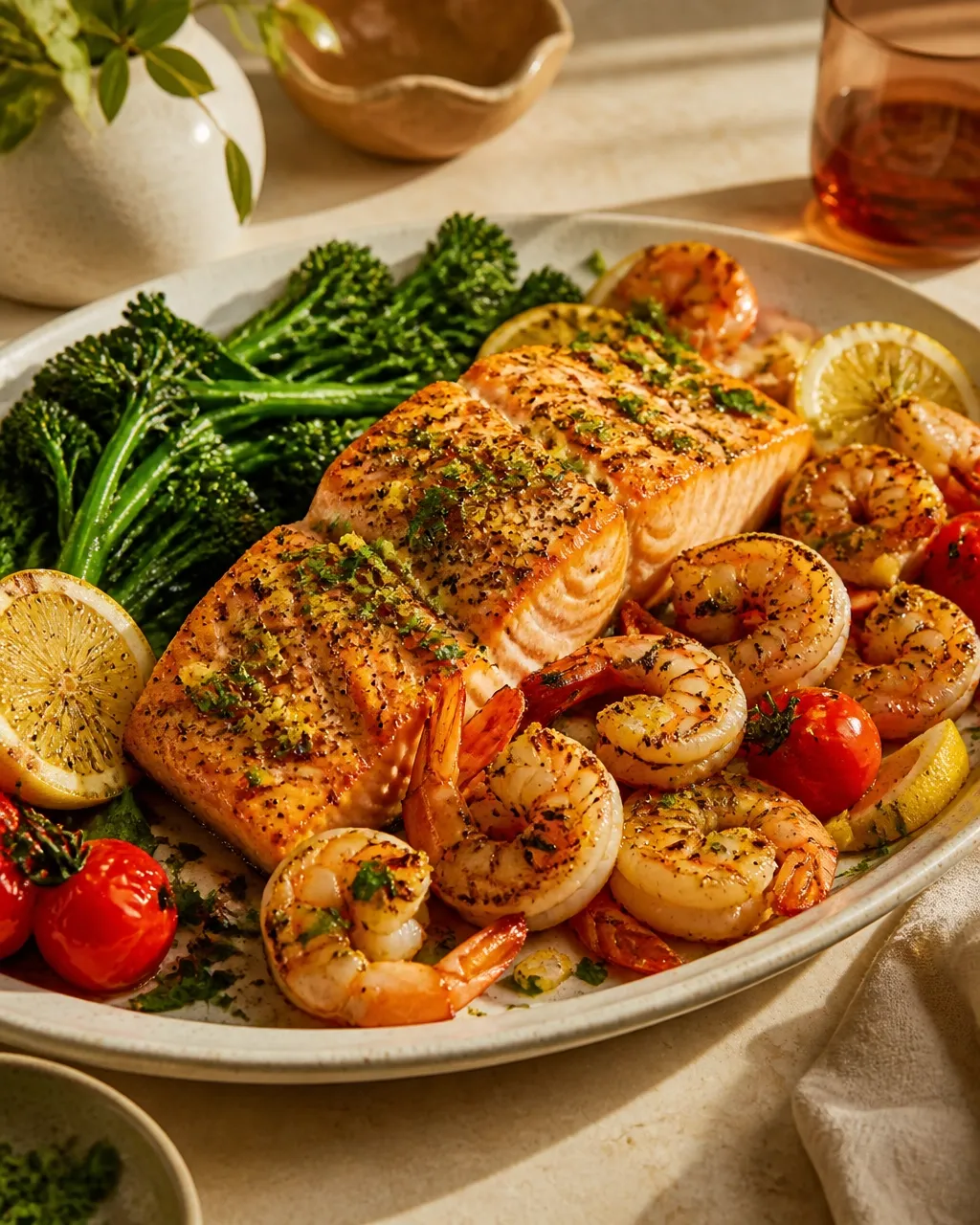
If you are like me, the Tuesday night struggle is real. You want something that tastes like a five-star bistro meal, but your brain has exactly zero capacity for a mountain of dishes. This one-pot garlic butter salmon and quinoa is my absolute secret weapon. It is the ultimate fusion of elegance and efficiency, fitting perfectly into your rotation of quick family meals. It delivers high-quality protein and healthy fats without requiring you to stand over the stove for an hour.
The Science of the Sear and the Super-Grain
To master this dish, you have to understand the interplay between heat and hydration. Let’s talk about the salmon first. When you place that fillet into a hot pan, you are looking for the Maillard reaction: that beautiful, flavorful browning of the proteins. Start your salmon skin-side down every single time. Think of the skin as a natural heat shield. It protects the delicate flesh from toughening up while the fat underneath renders out, becoming incredibly crispy. Use a heavy-bottomed skillet or a cast-iron pan; these hold heat more consistently, ensuring you don't get a lukewarm simmer instead of a sear.
Once you flip that fish, the magic happens with the garlic butter. Don't just let the butter sit there. Tilt your pan and use a large spoon to continuously pour that bubbling, garlic-infused liquid over the salmon. This technique, known as basting, cooks the top of the fish with gentle, aromatic heat while keeping the interior succulent. If you usually rely on air fryer recipes dinner enthusiasts often rave about, you'll find this pan-basting method provides a level of moisture and flavor depth that a convection fan simply can't replicate.
Now, let's look at the quinoa. Unlike pasta, which sheds starch into the water, quinoa is a seed that absorbs the liquid it’s cooked in, expanding and softening while retaining a slight "pop." To maximize flavor, toast your dry quinoa in the pan for two minutes before adding any liquid. This activates the natural nutty oils in the grain.
Why choose quinoa over rice or couscous? Quinoa is a nutritional powerhouse and one of the best healthy dinner ideas because it is a complete protein. This means it contains all nine essential amino acids that our bodies cannot produce on their own. Most plant-based proteins are "incomplete," requiring you to mix and match ingredients, but quinoa does the heavy lifting solo. When you pair it with the Omega-3 fatty acids in salmon, you aren't just making dinner; you are fueling your body with a high-impact, bioavailable feast.
Check your salmon’s internal temperature if you want to be a pro. Aim for 125°F (52°C) for a perfect medium-rare. Remember that carry-over cooking is real; the temperature will continue to rise once you pull it off the heat. Avoid overcooking at all costs, as salmon becomes chalky and dry once the internal proteins tighten too much and squeeze out all the moisture.
Flavor Variations for Every Palate
While garlic butter is the gold standard, you can easily pivot this dish to suit different cravings. For a Mediterranean twist, swap the parsley for fresh dill and stir in some sun-dried tomatoes and kalamata olives once the quinoa is fluffed. The saltiness of the olives provides a sharp contrast to the buttery salmon.
If you are in the mood for something with a bit of a kick, try a Chili-Lime variation. Infuse your butter with red chili flakes and finish the dish with a heavy squeeze of fresh lime juice instead of lemon. The acidity of the lime cuts through the richness of the butter, cleaning the palate after every bite.
For those who prefer a deeper, earthier profile, consider a Mushroom and Miso version. Stir a teaspoon of white miso paste into your cooking liquid for the quinoa. This adds a massive hit of umami that complements the fatty salmon perfectly. You can also toss in some thinly sliced shiitake mushrooms to cook alongside the quinoa for added texture. These variations keep your quick family meals from ever feeling repetitive or dull.
Balancing the Plate: Side Dish Pairings
The key to a successful one-pot meal is ensuring the side components provide balance. Since garlic butter and salmon are inherently rich and fatty, your sides should focus on acidity and crunch to prevent the meal from feeling heavy.
A simple arugula salad dressed with nothing but lemon juice and a pinch of flaky sea salt is often the best companion. The peppery bite of the arugula cuts right through the butter. If you want something warm, opt for quick-blanched asparagus or sautéed broccolini with plenty of lemon zest. Avoid creamy or starchy sides like mashed potatoes; the quinoa already provides plenty of heartiness, and you don't want to overwhelm the plate with too many soft textures.
If you're looking for more healthy dinner ideas to round out your week, check out our collection of simple, soulful recipes that focus on real food and minimal cleanup. A bright, vinegar-based slaw with shredded cabbage and carrots also works wonders here, providing a refreshing temperature contrast to the warm salmon and quinoa.
Common Questions and Troubleshooting
Why is my quinoa still crunchy after the time is up?
This usually happens if the lid wasn't tight enough, allowing the steam to escape instead of hydrating the grains. If this happens, add two tablespoons of water or broth, put the lid back on tight, and let it sit off the heat for five minutes. The residual steam will usually finish the job. Also, make sure you aren't skipping the "rest" period; quinoa needs those few minutes of sitting undisturbed to fully absorb the remaining moisture.
Can I use frozen salmon for this?
Absolutely, but you must thaw it completely and pat it extremely dry. Frozen salmon often releases more moisture when cooking, which can prevent you from getting that crispy skin we’re after. If the fish is even slightly damp, it will steam rather than sear.
My garlic burned and tasted bitter. What went wrong?
Garlic has a high sugar content and a very low burn point. If your pan is screaming hot when you add the minced garlic, it will turn brown and bitter in seconds. Add your garlic toward the end of the searing process or lower the heat slightly before tossing the butter and garlic into the pan. This allows the garlic to infuse the butter without scorching.
What if I don't have quinoa?
You can substitute with couscous or even fine-grain bulgur, but keep in mind that the cooking times and liquid ratios will change significantly. Couscous, for instance, only needs about five minutes of soaking in boiling liquid. If you're looking for air fryer recipes dinner alternatives for the salmon specifically, you could cook the fish in the air fryer while preparing the grains on the stovetop, though you’ll lose the benefit of that one-pot flavor infusion.
Is it okay to leave the skin on?
Not just okay: it's recommended! Even if you don't plan on eating the skin, cooking with it on provides a protective layer that keeps the salmon moist. Plus, when seared correctly, the skin becomes a delicious, cracker-like treat that adds a wonderful textural element to the dish.
How do I store leftovers?
Store the salmon and quinoa in an airtight container in the fridge for up to two days. When reheating, do it gently. A quick zap in the microwave can make salmon rubbery. I prefer to flake the cold salmon into the quinoa and eat it as a cold grain salad the next day; it’s actually a fantastic lunch option!