Recipe
Servings
Servings 1×
Ingredients
- Chicken
- Chickpeas
- Orzo
- Pasta
- Bread
- Cauliflower
- Zucchini
- Lemon
- Black pepper
Method
- Let’s be honest: your weeknight kitchen should not look like a disaster zone.
- Sear it hard and sear it fast.
- Use a heavy-bottomed lid to trap the steam, which forces the moisture back down into the grains.
Let’s be honest: your weeknight kitchen should not look like a disaster zone. If you are tired of scrubbing three pans for a single meal, you’ve come to the right place. My kitchen philosophy revolves around maximizing flavor while minimizing the cleanup, and that is where one pot meals truly shine. This One-Pot Greek Chicken and Orzo is the ultimate solution for when you want something that tastes like a weekend slow-roast but fits into your Tuesday schedule. It’s vibrant, savory, and incredibly satisfying.
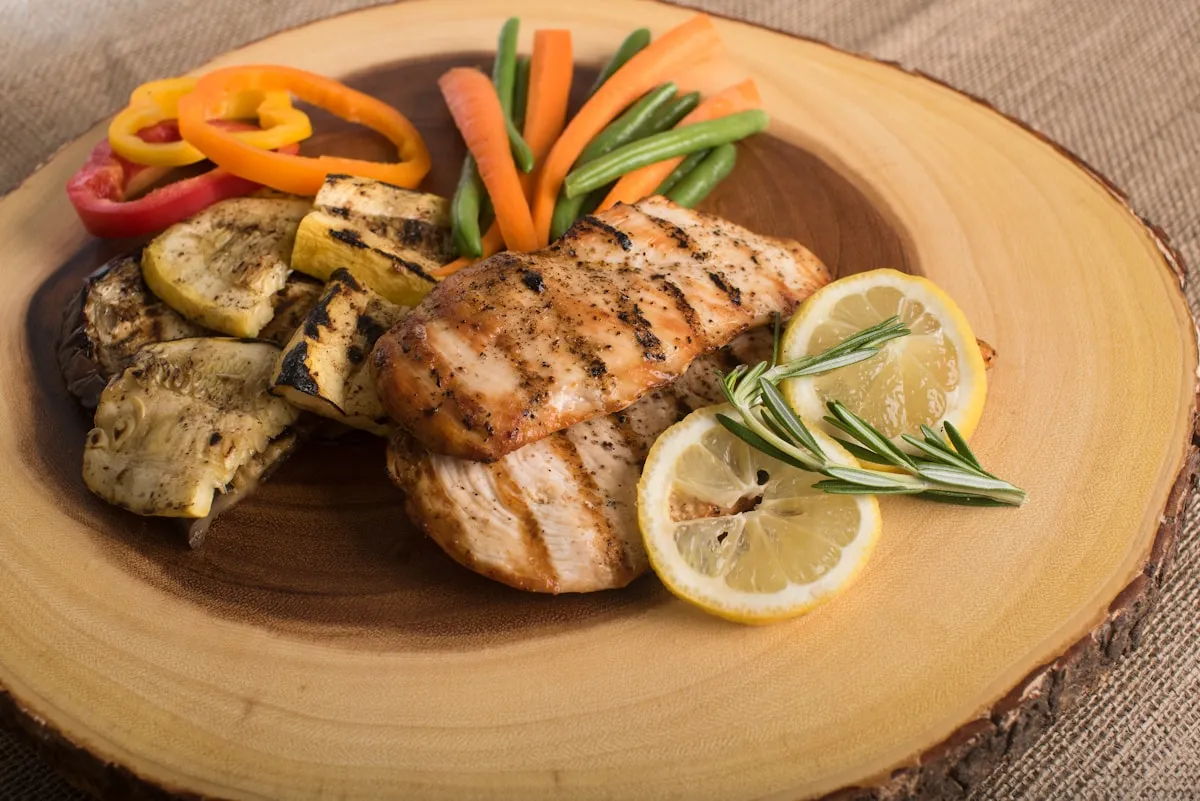
The Science of Searing and Starch
To get this dish right, you need to understand why we do what we do. It’s not just about throwing things into a pot and hoping for the best. First, prioritize the sear on your chicken. When you place that chicken skin-side down in a hot skillet, you are initiating the Maillard reaction. This is the chemical reaction between amino acids and reducing sugars that gives browned food its distinctive flavor. If you skip this or crowd the pan, your chicken will steam rather than sear, leaving you with gray, rubbery meat and zero depth of flavor. Sear it hard and sear it fast.
Once the chicken is out, you have a pan full of "fond", those brown bits stuck to the bottom. This is liquid gold. Do not wash that pan. Instead, toss in your dry orzo. This is a critical technique: toast your pasta. When you toast dry orzo in the residual fat and fond, you are creating a barrier of toasted starch. This prevents the pasta from releasing too much starch too quickly, which often leads to a gummy, mushy mess. Toasting gives the orzo a nutty profile and ensures each grain remains distinct even as it absorbs the broth.
When you add your liquid, the physics of absorption takes over. Orzo is small, meaning it has a high surface-area-to-volume ratio. It absorbs liquid quickly, but it also releases starch that naturally thickens the sauce. You want just enough liquid to cook the pasta without turning it into a soup. Use a heavy-bottomed lid to trap the steam, which forces the moisture back down into the grains. This creates a pressure-cooker effect on a smaller scale, ensuring your chicken finishes cooking through via gentle poaching while the orzo swells to perfection.
Check your heat levels throughout this process. High heat is for searing; low heat is for the "braising" phase. If your liquid evaporates too quickly, the orzo on the bottom will scorch while the top remains crunchy. Maintain a gentle simmer, not a rolling boil. This slow absorption is what makes this one of the most reliable quick family meals in my rotation.
Flavor Variations and Protein Swaps
While the classic lemon and oregano profile is a staple, you can easily pivot this dish to suit your pantry. If you aren't a fan of chicken thighs, use boneless breasts, but shorten the cooking time significantly to avoid drying them out. For a vegetarian-forward approach, swap the chicken for hearty chunks of zucchini and chickpeas. The chickpeas will provide the protein while the zucchini releases moisture that the orzo will happily soak up.
If you like a bit of heat, add a teaspoon of crushed red pepper flakes during the orzo toasting phase. The heat will bloom in the fat, distributing the spice evenly throughout the sauce. Alternatively, lean into the Mediterranean vibe by stirring in kalamata olives and marinated artichoke hearts right at the end. The acidity from the artichokes cuts through the richness of the chicken fat, creating a balanced bite every time. For those seeking healthy dinner ideas, try swapping half of the orzo for riced cauliflower; it lightens the caloric load while still providing a familiar texture.
Side Dish Pairings for Perfect Balance
Since this dish is relatively rich due to the starch and chicken fat, you want a side that offers high acidity and crunch. A simple arugula salad is my go-to. The peppery bite of arugula, paired with a sharp lemon-tahini dressing, acts as a palate cleanser between bites of the creamy pasta. Avoid heavy cream-based sides; you don't want to compete with the orzo.
Steamed green beans with a splash of red wine vinegar also work beautifully. The vinegar provides the necessary "zip" to break up the savory notes of the oregano and garlic. If you’re feeling indulgent, a side of crusty sourdough is great for mopping up the last bit of sauce, but honestly, this meal is hearty enough to stand on its own. It’s the king of one pot meals for a reason, it’s a complete ecosystem of flavor in a single skillet.
FAQ: Troubleshooting Your One-Pot Meal
What if my orzo is still crunchy but the liquid is gone?
This usually happens because the heat was too high, causing the liquid to evaporate before the pasta could absorb it. Add a splash more broth (about 1/4 cup at a time), put the lid back on, and drop the heat to the lowest setting. The residual steam will finish the job.
Can I use frozen chicken?
No. Always thaw your chicken completely before starting. If you use frozen meat, it will release too much water as it thaws in the pan, which will ruin the sear and throw off the liquid-to-pasta ratio. If you're really in a rush, look for air fryer recipes dinner alternatives for your protein, but for this specific pot meal, fresh or fully thawed is a non-negotiable.
Why did my feta cheese disappear?
Feta is a high-moisture cheese. If you stir it in while the pot is boiling, it will melt into the sauce. If you want those distinct, salty chunks, wait until the very end. Turn off the heat, let the dish sit for two minutes, and then sprinkle the feta on top before serving.
How do I prevent the pasta from sticking to the bottom?
Stir your orzo immediately after adding the liquid to ensure no grains are clumped together. Once the lid is on, don't keep peaking. A high-quality, heavy-bottomed skillet or Dutch oven distributes heat more evenly, which significantly reduces the risk of sticking compared to thin, cheap pans.
Can I store and reheat this easily?
Yes, but pasta continues to absorb moisture as it sits. When you reheat the leftovers, the orzo might be a bit thick or "tight." Add a teaspoon of water or broth before microwaving or reheating on the stove to loosen the sauce back to its original creamy consistency. This is why it remains one of the best quick family meals for meal prepping; it actually tastes better the next day as the flavors meld.
Is this recipe suitable for low-carb diets?
Orzo is pasta, so it is naturally high in carbohydrates. However, if you are looking for healthy dinner ideas that fit a keto lifestyle, you can replace the orzo with hemp hearts or extra vegetables, though the cooking time and liquid requirements will change drastically. For a standard healthy diet, sticking to the orzo but loading it with spinach and lean chicken is a perfectly balanced choice.