Recipe
Servings
Servings 1×
Ingredients
- Salmon
- Quinoa
- Pasta
- Rice
- Asparagus
- Apple
- Tomatoes
- Onion
- Garlic
- Fresh ginger
- Lemon
- Lime
- Honey
- Mustard
- Butter
- Cooking oil
- Sesame
- Black pepper
Method
- Let’s be real: your weeknight brain doesn't want a complex math equation or a sink full of crusty pans.
- Give those stalks some breathing room.
- Pat your salmon bone-dry with paper towels before seasoning.
- Pat it exceptionally dry.
- Use an instant-read thermometer and pull the fish when it hits 130°F (54°C).”,”@type”:”Answer”}},{“name”:”Can I use frozen salmon for this?”,”@type”:”Question”,”acceptedAnswer”:{“text”:”Yes, but you must thaw it completely and pat it exceptionally dry to avoid excess moisture on the pan.”,”@type”:”Answer”}},{“name”:”My asparagus is soggy.
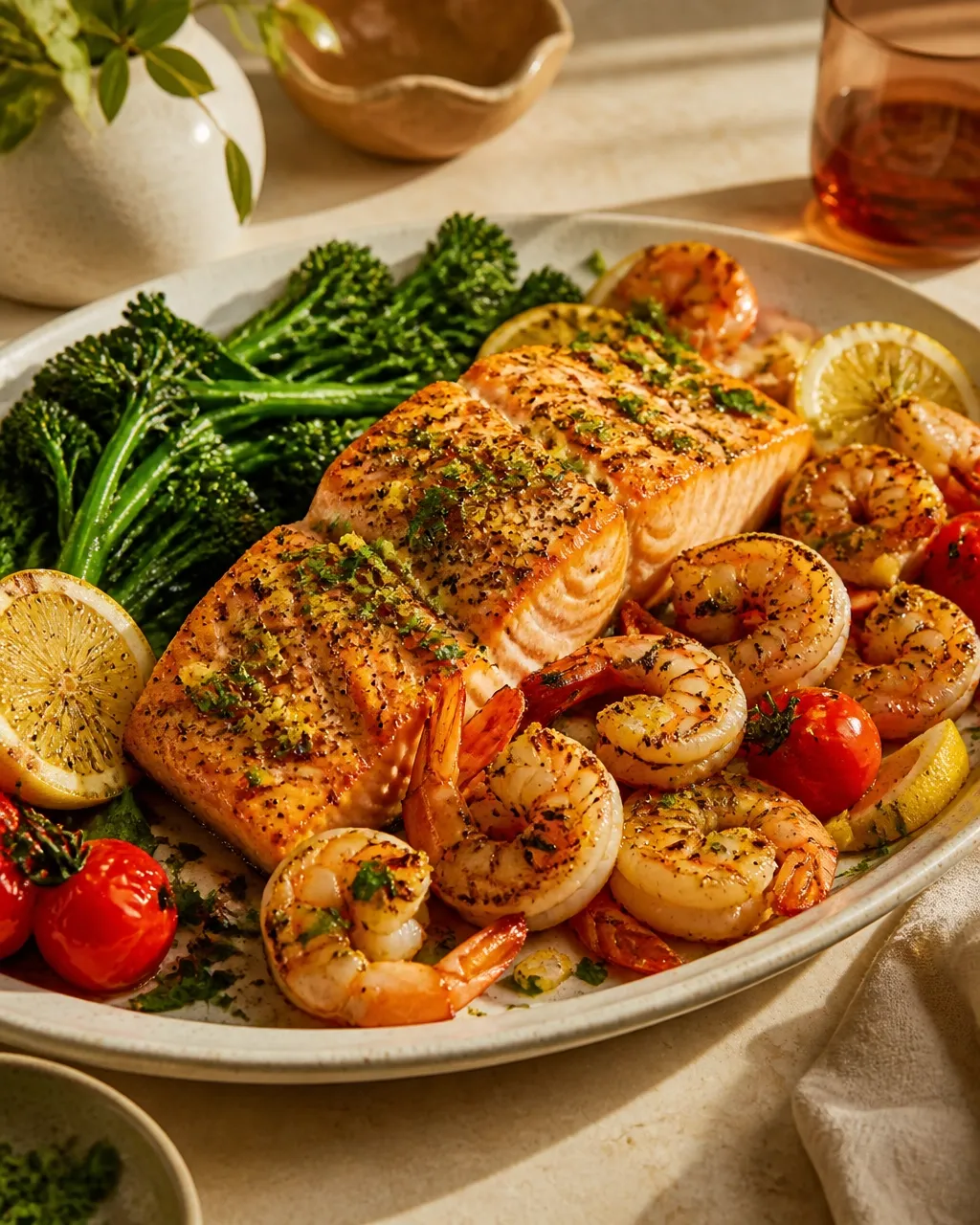
Let’s be real: your weeknight brain doesn't want a complex math equation or a sink full of crusty pans. You want something that looks like a five-star bistro meal but requires the cleanup effort of a bowl of cereal. That is exactly where this one-pot salmon and asparagus situation enters the chat. It’s elegant, it’s vibrant, and it’s essentially a hands-off miracle that makes healthy dinner ideas feel like a treat rather than a chore. If you have twenty minutes and a single sheet pan, you have a gourmet dinner.
The Science of the Perfect Roast
Understanding the "why" behind the heat is what separates a soggy mess from a culinary masterpiece. When you toss salmon and asparagus onto a hot pan and slide them into the oven, you aren't just heating them up; you are initiating a series of chemical reactions that maximize flavor and texture.
First, let's talk about the Maillard reaction. This is the holy grail of roasting. It’s the chemical reaction between amino acids and reducing sugars that gives browned food its distinctive flavor. Because salmon is naturally high in proteins (amino acids), hitting it with high, dry heat creates that slightly crisp, savory exterior. However, salmon is delicate. If you cook it too long, those proteins tighten up and squeeze out all the moisture, that’s when you see that unappetizing white stuff (albumin) leaking out. To avoid this, pull your fish when it reaches an internal temperature of about 130°F (54°C). The carryover heat will finish the job while the fish rests, leaving you with a silky, buttery texture.
Now, consider the asparagus. Asparagus is mostly water, held together by a fibrous structure of cellulose and pectin. When you roast it, the dry oven air evaporates the surface moisture, concentrating the natural sugars and softening the cell walls. This is why roasted asparagus tastes sweet and nutty, whereas boiled asparagus can taste like damp grass. Do not crowd the pan! Give those stalks some breathing room. If they are touching or piled up, they will trap steam and turn mushy. You want them to roast, not sauna.
Choose your temperature wisely. A high heat of 425°F (220°C) is the sweet spot for quick family meals. It allows the salmon to develop a crust before the center becomes a desert, and it gives the asparagus those charred, crispy tips that everyone fights over. Pat your salmon bone-dry with paper towels before seasoning. Moisture is the enemy of browning. If the surface is wet, the oven heat spends all its energy evaporating that water instead of searing the fish. Always place the fillets skin-side down; the skin acts as an insulator, protecting the delicate flesh from the intense heat of the pan and ensuring a more even cook.
Creative Variations and Flavor Profiles
Once you master the base technique, the world is your oyster, or your salmon fillet. The beauty of this method is its adaptability. If you are bored with the standard lemon-and-dill combo, start playing with acidity and heat.
Try a Mediterranean twist by adding halved cherry tomatoes and Kalamata olives to the pan. The tomatoes will burst under the heat, creating a natural sauce that mingles with the salmon’s healthy fats. For a more robust flavor, swap the herbs for a coating of Dijon mustard and honey. The sugars in the honey will caramelize rapidly, creating a deeply bronzed glaze that pairs beautifully with the earthy snap of the asparagus.
If you’re looking for more healthy dinner ideas, experiment with different aromatics. Rub the salmon with a paste of ginger, garlic, and a splash of sesame oil for an Asian-inspired profile. In this case, swap the lemon for lime wedges and garnish with toasted sesame seeds. If you prefer a bit of a kick, a pinch of red pepper flakes or a light dusting of smoked paprika can transform the dish from "mild and bright" to "smoky and bold." Remember the golden rule of balance: if your dish feels "flat," it likely needs acid. A splash of apple cider vinegar or a squeeze of fresh citrus at the very end will wake up the flavors and cut through the richness of the fish.
Elevating Your Meal with the Right Pairings
While this one-pot wonder is a complete meal on its own, sometimes you want a little extra something to round out the plate. The key to a successful pairing is balance. Salmon is rich and fatty, so you need elements that provide either a starchy base or a refreshing contrast.
A simple mound of fluffy jasmine rice or a side of quinoa works wonders for soaking up any stray lemon-herb butter left on the pan. If you want to keep things low-carb, a zesty arugula salad tossed in a light vinaigrette provides a peppery bite that cleanses the palate between forkfuls of rich salmon.
For those days when you’re craving something even faster, check out our guide on kielbasa pierogi air fryer roasts for a different take on the one-pan lifestyle. Or, if you’re already a fan of the "set it and forget it" method, our sausage pepper and onion medley is another fantastic option for quick family meals that don't skimp on flavor.
Troubleshooting Your Sheet Pan Success
What if my asparagus is done but the salmon isn't?
This usually happens if your asparagus is very thin or your salmon fillets are particularly thick. Don’t panic. Simply use tongs to remove the asparagus from the pan and set it aside on a plate, tented with foil to stay warm. Slide the salmon back into the oven for another 2–3 minutes. Next time, wait to add the thinner asparagus until the salmon has already been roasting for five minutes.
Why did my salmon turn out dry?
You overcooked it. Salmon is lean and cooks faster than most people think. Invest in an instant-read thermometer and pull the fish when it hits 130°F. If you don’t have a thermometer, use a fork to gently twist a piece in the thickest part; it should flake easily and still look slightly translucent in the very center.
Can I use frozen salmon for this?
Yes, but you must thaw it completely first. Pat it exceptionally dry. Frozen fish tends to release more moisture than fresh, so if you don't dry it thoroughly, you'll end up with a puddle on your pan. If you're looking for more ways to use your kitchen gadgets for fish, exploring air fryer recipes dinner styles can often provide even crispier results for frozen fillets.
My asparagus is soggy. What happened?
You likely crowded the pan or didn't dry the stalks after washing. Moisture turns to steam in the oven. If the stalks are too close together, the steam can't escape, and they "boil" instead of roasting. Spread them out! Also, ensure your oven is truly preheated; putting food into a lukewarm oven is a recipe for limp vegetables.
Is there a way to make this even faster?
For the ultimate time-saver, you can explore air fryer recipes dinner techniques. The concentrated convection heat of an air fryer can roast small fillets and a handful of asparagus in as little as 8 minutes. If you are cooking for one or two, it’s a game-changer. For a larger family, stick to the sheet pan to ensure everything has enough space to crisp up. For more one-pot inspiration, don't miss our spicy tomato basil linguine which proves that pasta can be just as efficient as roasting.
{“@type”:”BlogPosting”,”image”:”https://cdn.marblism.com/vwB3A4s7MPC.webp”,”author”:{“name”:”Penny”,”@type”:”Person”},”@context”:”https://schema.org”,”headline”:”One-Pot Lemon Herb Roasted Salmon and Asparagus”,”keywords”:”one pot meals, healthy weeknight dinners, roasted salmon, asparagus recipes”,”publisher”:{“logo”:{“url”:”https://cdn.marblism.com/r31hCYxu5lk.webp”,”@type”:”ImageObject”},”name”:”Cookpedia”,”@type”:”Organization”},”mainEntity”:[{“name”:”What if my asparagus is done but the salmon isn’t?”,”@type”:”Question”,”acceptedAnswer”:{“text”:”Remove the asparagus from the pan and set it aside on a plate, tented with foil to stay warm. Slide the salmon back into the oven for another 2–3 minutes.”,”@type”:”Answer”}},{“name”:”Why did my salmon turn out dry?”,”@type”:”Question”,”acceptedAnswer”:{“text”:”It was likely overcooked. Use an instant-read thermometer and pull the fish when it hits 130°F (54°C).”,”@type”:”Answer”}},{“name”:”Can I use frozen salmon for this?”,”@type”:”Question”,”acceptedAnswer”:{“text”:”Yes, but you must thaw it completely and pat it exceptionally dry to avoid excess moisture on the pan.”,”@type”:”Answer”}},{“name”:”My asparagus is soggy. What happened?”,”@type”:”Question”,”acceptedAnswer”:{“text”:”The pan was likely crowded or the stalks were wet. Ensure they are in a single layer with space between them to roast rather than steam.”,”@type”:”Answer”}}],”description”:”Learn the science and technique behind the perfect one-pot salmon and asparagus roast. A quick, healthy, and elegant weeknight dinner guide.”,”datePublished”:”2026-05-19″,”articleSection”:”Cooking Guides”,”mainEntityOfPage”:{“@id”:”https://cookpedia.com/one-pot-lemon-herb-roasted-salmon-and-asparagus”,”@type”:”WebPage”}}