Recipe
Servings
Servings 1×
Ingredients
- Chicken
- Pasta
- Bread
- Onion
- Garlic
- Cooking oil
Method
- Let’s be honest: nobody actually likes doing the dishes.
- Pat your chicken bone-dry before it touches the pan.
- Use the rendered chicken fat to sauté your aromatics.
- Start with the heavy hitters like onions or shallots.
- Toast the dry grains in the pan before adding any stock.
Let’s be honest: nobody actually likes doing the dishes. We all want that magazine-worthy, flavor-packed dinner without the mountain of pans haunting the sink afterward. Enter the holy grail of weeknight cooking. This Mediterranean chicken and couscous is the answer to your "what's for dinner" existential crisis. It’s vibrant, it’s punchy, and it relies on a single skillet to do all the heavy lifting. You get crispy chicken, fluffy grains, and zero post-meal regret.
The Science of the Sear: Mastering the Maillard Reaction
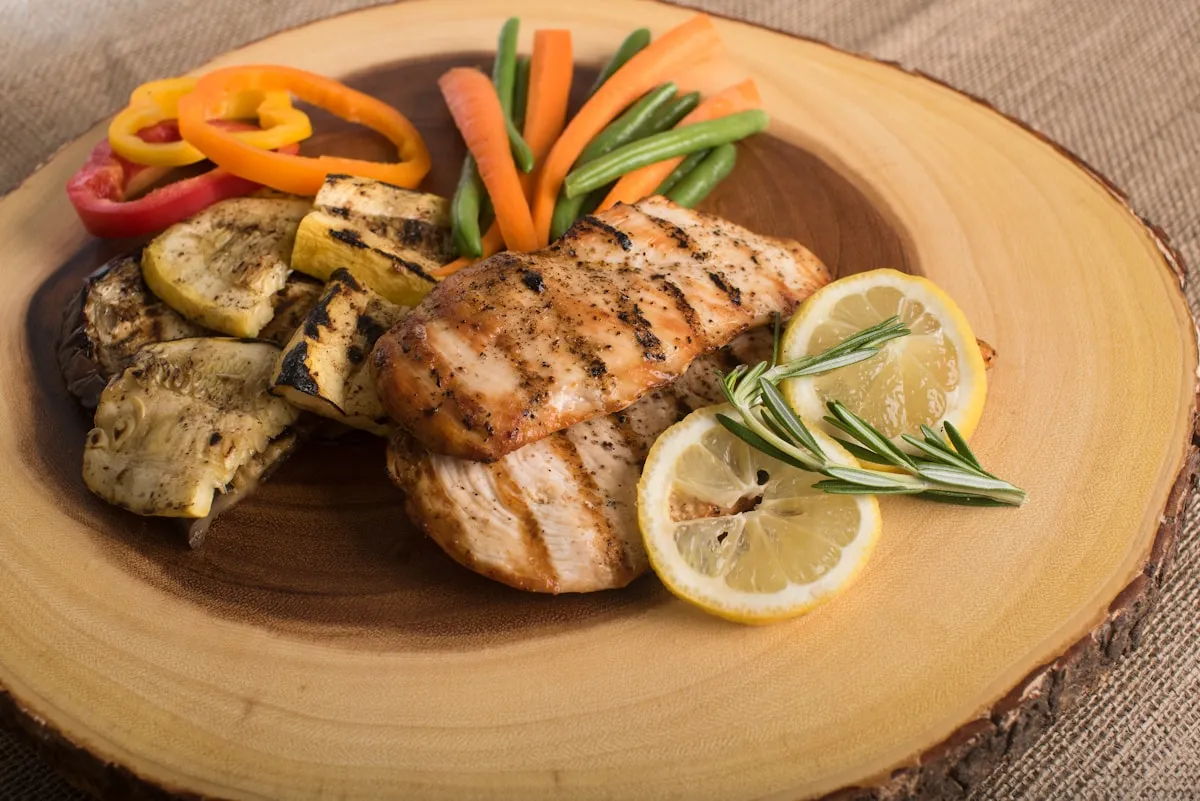
If you want your chicken to actually taste like something, you have to respect the sear. This isn't just about making the food look "pretty" for a photo; it’s about the Maillard reaction. This chemical dance between amino acids and reducing sugars creates hundreds of flavor compounds that simply don't exist in poached or steamed meat.
Pat your chicken bone-dry before it touches the pan. Moisture is the enemy of a good sear. If the surface is wet, the energy from your stove goes into evaporating that water rather than browning the protein. You end up with grey, sad chicken instead of golden, crispy perfection. Once the chicken hits the hot oil, leave it alone. Do not poke, prodding, or move it until it releases naturally from the pan. If it sticks, it’s not ready. This patience ensures you build a "fond", those beautiful browned bits stuck to the bottom of the pan that will eventually season your couscous.
Building Layers of Flavor: From Fond to Aromatics
Once your chicken is out, that pan is a goldmine. Use the rendered chicken fat to sauté your aromatics. Start with the heavy hitters like onions or shallots. These require time to break down and release their natural sugars. Only add your garlic when the onions are translucent and fragrant. Garlic has a low burning point; if you toss it in at the start, you’ll end up with bitter, charred specks that ruin the entire profile.
Don't forget to bloom your spices. Spices like oregano, paprika, or cumin have fat-soluble flavor compounds. By tossing them into the hot oil for thirty seconds before adding liquid, you "wake up" those flavors, spreading them throughout the dish far more effectively than if you just sprinkled them over the top. This is the difference between a flat, one-dimensional meal and one that tastes like it came from a professional kitchen.
The Couscous Conundrum: Toasting and Hydration
When we talk about one pot meals, the grain is usually where people trip up. For this dish, focus on pearl (Israeli) couscous. Unlike its tiny Moroccan cousin, pearl couscous is essentially small, toasted pasta. Treat it with the same respect you'd give a good risotto.
Toast the dry grains in the pan before adding any stock. This creates a nutty depth and, more importantly, coats each grain in a thin layer of fat. This protective barrier prevents the grains from absorbing liquid too quickly, which is the number one cause of mushy, gluey couscous. You want each pearl to remain distinct and al dente.
When it comes to hydration, remember that you are steaming, not boiling. Once the liquid goes in and the chicken is nestled back on top, put the lid on and walk away. The lid traps the steam, ensuring the chicken finishes cooking through gentle, indirect heat while the couscous absorbs the flavored broth. If you keep lifting the lid to "check," you're letting out the very heat and moisture required to finish the job. Trust the process.
Variations: Balancing Acids and Fats
If you're looking to switch things up, remember the golden rule of cooking: balance. If your dish feels heavy or "too rich," you need acid, not more salt.
- The Green Goddess Twist: Swap the chicken stock for a lighter vegetable broth and stir in a massive handful of fresh spinach and dill at the very end. The residual heat will wilt the greens without turning them into a swampy mess.
- The Spicy Harissa Kick: If you want some heat, stir a tablespoon of harissa paste into the aromatics before adding the couscous. The smokiness of the peppers pairs beautifully with the sweetness of the roasted tomatoes.
- The Vegetarian Pivot: Replace the chicken with chickpeas and large chunks of eggplant. Roast the eggplant separately if you want texture, or let it melt into the couscous for a heartier, stew-like feel.
These easy dinner recipes are templates, not laws. Just ensure that whatever you add maintains that balance of fat (from the oil and olives) and acid (from lemon or vinegar).
Side Dish Pairings: Keeping it Fresh
While this is technically a complete meal in one pan, a bright side dish can elevate the experience. You want something that provides a textural contrast to the soft, chewy couscous.
A simple, crisp cucumber and red onion salad with a heavy hit of red wine vinegar is my go-to. The sharp acidity of the vinegar cuts right through the richness of the chicken skin and the savory olives. Alternatively, a dollop of cold, garlicky tzatziki on the side offers a creamy, cooling element that balances the warm spices in the pot. Avoid heavy starch-based sides; you already have the couscous for that. Focus on raw, crunchy, and acidic components.
FAQ: Solving Your One-Pot Problems
Why is my couscous mushy?
You likely added too much liquid or didn't toast the grains long enough. Grains that haven't been "sealed" with fat will absorb water indiscriminately until they burst, creating a porridge-like consistency. Next time, stick to the 1.5:1 liquid-to-grain ratio and ensure the pan is at a true simmer before you cover it.
Can I use chicken breasts instead of thighs?
You can, but I wouldn't recommend it. Breasts are lean and dry out significantly faster than thighs. If you must use them, reduce the final simmering time and use a meat thermometer to ensure you pull them at 165°F exactly. Thighs are much more forgiving in one pot meals because their higher fat content keeps them juicy even if they spend an extra five minutes in the steam.
The bottom of my pan is burnt! What happened?
Your heat was too high. Once the liquid is added and the lid is on, you should be on the lowest setting possible. The heavy bottom of the skillet will retain enough heat to keep the liquid at a gentle simmer. If the heat is too aggressive, the liquid evaporates too fast, and the starch in the couscous will stick and scorch against the bottom.
Can I use regular (Moroccan) couscous instead?
Not with this specific method. Regular couscous is tiny and cooks almost instantly with off-heat steaming. If you tried to simmer it with chicken for 10-15 minutes, it would turn into a paste. Stick to pearl couscous or swap for orzo if you can't find it.
What if my chicken skin isn't crispy after steaming?
The steam under the lid will naturally soften the skin slightly. To get that "crackling" texture back, you can pop the entire pan under the broiler for 2–3 minutes at the very end. Just watch it like a hawk; it goes from perfect to burnt in seconds.
Do I really need to let it rest?
Yes. This is non-negotiable. Resting allows the moisture to redistribute within the chicken fibers so they don't leak out the second you cut into them. It also allows the couscous to finish absorbing any micro-pockets of liquid, resulting in a much more uniform texture.
{“@type”:”BlogPosting”,”image”:”https://cdn.marblism.com/Prw2JeOMJp5.webp”,”author”:{“name”:”Penny”,”@type”:”Person”},”@context”:”https://schema.org”,”headline”:”One-Pot Mediterranean Chicken & Couscous”,”keywords”:”one pot meals, easy dinner recipes, mediterranean cooking, chicken and couscous”,”publisher”:{“logo”:{“url”:”https://cookpedia.com/logo.png”,”@type”:”ImageObject”},”name”:”Cookpedia”,”@type”:”Organization”},”description”:”Learn the science behind the perfect one-pot Mediterranean chicken and pearl couscous. Master the Maillard reaction and achieve fluffy, toasted grains every time.”,”datePublished”:”2026-05-22″,”mainEntityOfPage”:{“@id”:”https://cookpedia.com/one-pot-mediterranean-chicken-couscous”,”@type”:”WebPage”}}