Recipe
Servings
4 portions 1×
Serves 4 portionsPrep 10 minCook 15 minTotal 25 min
Nutrition per serving
Ingredients
- 200 g Orzo Pasta
- 500 ml Vegetable Broth 2.5:1 ratio to orzo
- 1 tbsp Olive Oil
- 2 cloves Garlic minced
- 50 g Kalamata Olives pitted and halved
- 50 g Feta Cheese crumbled
- 1 handful Fresh Spinach
- 1 tbsp Lemon Juice freshly squeezed
Method
- Heat olive oil in a wide pan and sauté the minced garlic until fragrant (about 1 minute).
- Add the dry orzo to the pan and stir for 1-2 minutes until slightly toasted and nutty in aroma.
- Pour in the vegetable broth.
- Bring to a boil, then reduce heat and simmer uncovered, stirring occasionally, for about 10 minutes.
- When most of the liquid is absorbed and the orzo is al dente, stir in the olives and spinach.
- Let the spinach wilt in the residual heat.
- Remove from heat.
- Stir in the lemon juice and top with crumbled feta.
- The remaining starch will create a glossy glaze.
Welcome back to my blog! If you are anything like me, your weeknights are often a frantic race against the clock. I am always on the hunt for quick family meals that don’t sacrifice flavor for speed. Lately, I’ve been obsessed with one-pot cooking, and the Mediterranean orzo has become my absolute go-to. It’s elegant enough for a dinner party but simple enough for a Tuesday night. Today, I want to pull back the curtain on the culinary physics that makes this dish work: the liquid-to-grain ratio.
The Science of the 2.5:1 Ratio
The biggest mistake people make with one-pot pasta is treating it like a standard boil-and-drain situation. When we talk about orzo, we are dealing with a pasta that thinks it’s a grain. To achieve that restaurant-quality, glossy finish, we have to borrow a page from the risotto playbook. Through my testing, I’ve found that the gold standard for orzo is a 2.5:1 ratio, that is, two and a half cups of liquid for every one cup of uncooked orzo.
Why does this specific volume matter? It comes down to starch management and evaporation. In a traditional pasta pot, you use an excess of water and eventually pour all that liquid gold (the starch-heavy water) down the drain. In a one-pot Mediterranean orzo, we want to keep every single molecule of starch in the pan. As the orzo simmers, it releases amylopectin, a type of starch that acts as a natural thickener.
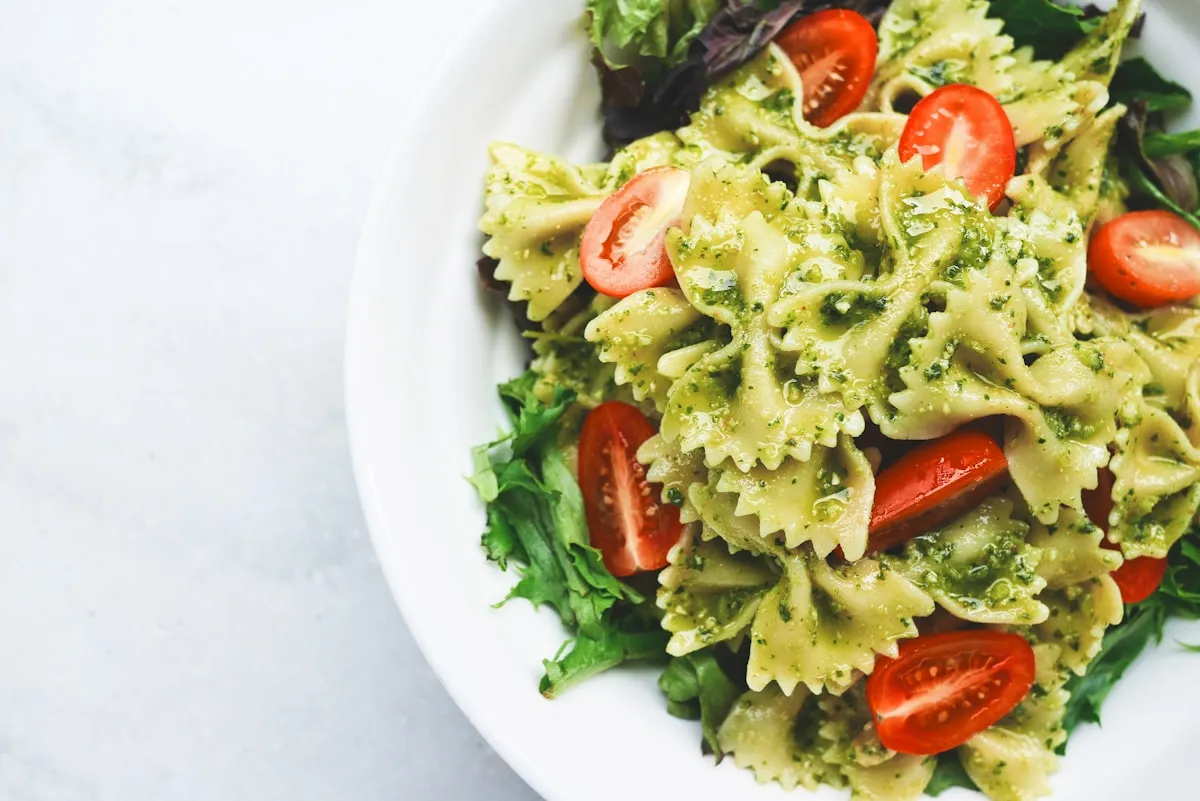
When you hit that 2.5:1 ratio, the orzo absorbs just enough liquid to become al dente, while the remaining moisture emulsifies with the fats in your pan (like olive oil or a touch of butter) to create a self-made sauce. If you go 2:1, the orzo stays too firm and the dish becomes dry. If you go 3:1, you end up with a soup. The 2.5:1 sweet spot ensures that by the time the timer dings, the liquid has reduced into a velvety glaze that coats every single “grain” of pasta.
Another critical factor is the heat-to-surface-area relationship. I always recommend using a wide, shallow pan rather than a deep pot. A wider pan allows for more even evaporation and ensures that the orzo at the bottom doesn’t turn to mush while the top layer remains hard. Sautéing your aromatics, think onions, garlic, and maybe some sun-dried tomatoes, first is essential. This creates a base of flavoured oil. When you add the dry orzo to this oil before adding the liquid, you are actually “toasting” the pasta. This subtle maillard reaction adds a nutty depth and helps the orzo maintain its structural integrity, preventing it from becoming a gelatinous clump.
Creative Variations for Every Goal
One of the reasons this dish ranks so highly in my list of healthy dinner ideas is its incredible versatility. Once you have mastered the liquid-to-grain ratio, you can swap out flavours to suit your mood or your nutritional goals. For those looking for meal prep ideas for weight loss, orzo is a fantastic base because it is highly satisfying in smaller portions when bulked out with high-fiber vegetables.
For a classic Mediterranean vibe, I love leaning into high-acid ingredients like artichoke hearts, kalamata olives, and fresh lemon zest. The acidity cuts through the starchy richness of the orzo, keeping the palate refreshed. If you want to boost the protein, you can nestle raw prawns or thin strips of chicken breast directly into the simmering orzo during the last five minutes of cooking. The steam trapped in the pan will cook the protein gently, keeping it succulent rather than rubbery.
If you’re plant-based, try swapping the chicken broth for a rich mushroom or vegetable stock. You can even stir in a spoonful of nutritional yeast at the end to mimic the savory punch of parmesan cheese. The beauty of this masterclass is that the “sauce” is built-in. You don’t need heavy creams or flour-based thickeners; the physics of the starch emulsion does all the heavy lifting for you. It’s a clean, efficient way to cook that fits perfectly into a busy lifestyle.
Perfect Pairings and Side Dishes
Even though this is a one-pot wonder, a few thoughtful side dishes can elevate the experience. Since the orzo is quite rich and starchy, you want sides that provide a textural contrast, ideally something crunchy and bright. A simple arugula salad with a sharp balsamic vinaigrette is a classic choice. The bitterness of the greens acts as a perfect foil to the savory orzo.
I also highly recommend roasted cruciferous vegetables. Broccolini or asparagus spears, tossed in olive oil and roasted until the tips are charred and crispy, provide a wonderful “snap” that the soft orzo lacks. If you are serving this for a family gathering, a crusty loaf of sourdough or some warm pita bread can be used to swipe up any leftover glossy sauce from the bottom of the bowl. A well-rounded Mediterranean spread always feels extra comforting at the table.
Frequently Asked Questions
Can I use this ratio for other types of pasta?
Not exactly. Orzo is unique because of its small size and shape, which allows it to behave more like rice. Larger pasta shapes like penne or rigatoni have a different surface-area-to-volume ratio and usually require slightly more liquid (often closer to a 3:1 ratio) and more frequent stirring to ensure even cooking.
How do I prevent the orzo from sticking to the bottom?
Stirring is your best friend. Unlike rice, which you should leave alone, one-pot orzo benefits from an occasional stir. This agitates the starch and helps create that creamy emulsion. If you find it sticking, your heat is likely too high. A low, gentle simmer is all you need once the liquid has reached its initial boil.
Is orzo better for meal prep than regular pasta?
In many ways, yes. Because one-pot orzo is cooked in its own starch and seasonings, it tends to hold its moisture better when reheated. For those exploring meal prep ideas for weight loss, you can portion this out into containers and it won’t turn into a dry, sticky block by the next day. Just add a tiny splash of water before microwaving to loosen the sauce back up.
Can I use water instead of broth?
You certainly can, but you’ll be missing out on a massive flavor opportunity. Since the orzo absorbs all the liquid, using a high-quality stock or broth infuses the pasta with flavor from the inside out. If you do use water, make sure to be very generous with your herbs, salt, and aromatics to compensate.
What is the best way to store leftovers?
Store your Mediterranean orzo in an airtight container in the fridge for up to four days. I don’t recommend freezing it, as the texture of the pasta can become somewhat grainy and soft once thawed. It’s so quick to make that it’s usually better to just whip up a fresh batch whenever the craving hits!
One-pot cooking doesn’t have to mean compromising on quality. By understanding the science of starch and the importance of the liquid-to-grain ratio, you can turn a few pantry staples into a masterpiece of Mediterranean cuisine. If you enjoyed this, feel free to explore more cooking tips on the blog. Happy cooking!