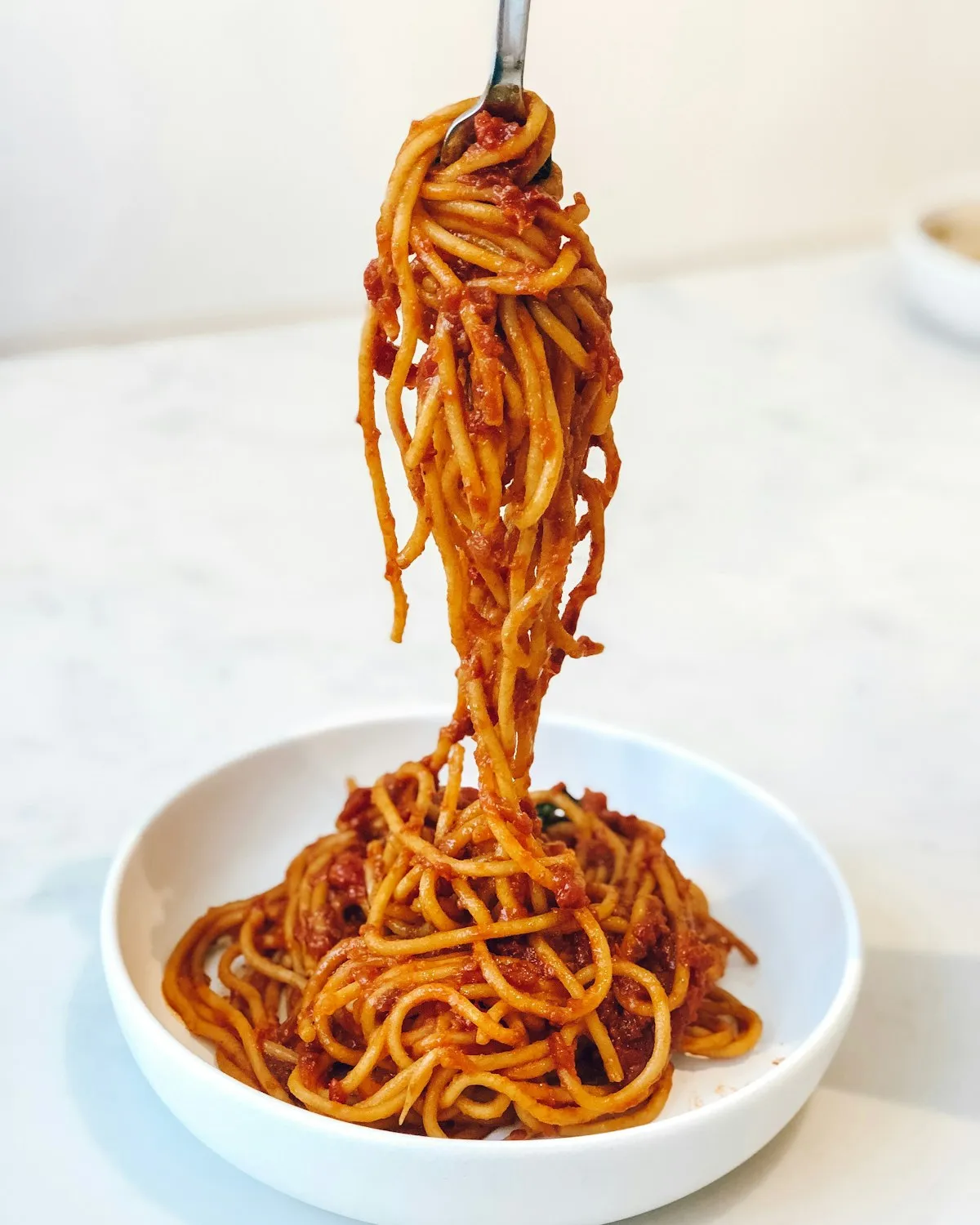
Recipe
Servings
restaurant-quality-pasta-in-one-pot”,”@type”:”WebPage”}} 1×
Serves restaurant-quality-pasta-in-one-pot”,”@type”:”WebPage”}}
Ingredients
- Sturdy pasta such as rigatoni, penne, or thick spaghetti
- Hot water or stock
- Cream or cheese, added at the end
- Olive oil
- Optional roasted garlic or burst cherry tomatoes
Method
- Cook the sturdy pasta directly in hot water or stock in a wide pot.
- Maintain a steady simmer and stir often so the pasta releases starch without sticking.
- If the pasta is still hard and the liquid is gone, add hot water or stock a quarter-cup at a time.
- Turn off the heat before stirring in the cream or cheese so it emulsifies without curdling.
- Finish with olive oil and, if desired, roasted garlic or burst cherry tomatoes.
Balancing the Plate: Essential Side Dishes
Because one-pot pasta is inherently rich and starchy, your side dishes should provide a sharp contrast. You need acidity, crunch, or bitterness to reset the palate between bites. A simple arugula salad with a heavy squeeze of lemon and a drizzle of balsamic glaze is the classic choice, but you can get more creative without adding to your stovetop stress.
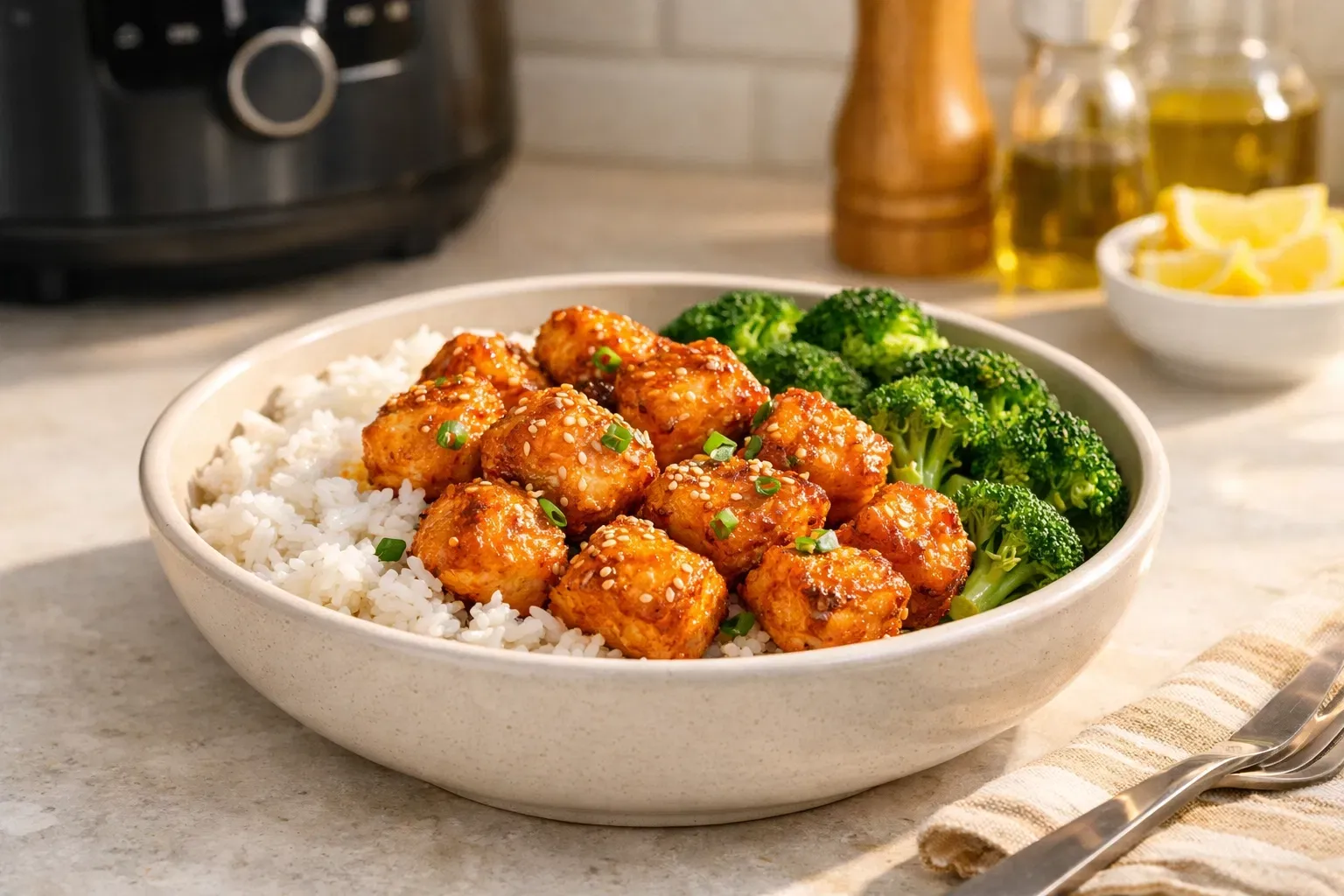
If you have an air fryer, use it. While your pasta is simmering, you can whip up some of the best air fryer recipes dinner companions. Try tossing broccoli florets with garlic powder and red pepper flakes; the high-heat air makes them crispy and charred in under 10 minutes. This "dry" heat contrast is the perfect foil to the "wet" heat of the pasta. You can also try crispy chickpeas or even seasoned tofu cubes if you're looking for more healthy dinner ideas to round out the meal. Avoid steamed vegetables, as they offer the same soft texture as the pasta; you want that crunch to make the meal feel complete.
Troubleshooting Your Pot: The FAQ
What if my pasta is still hard but the water is gone?
Don't panic. This usually happens if your heat was too high or your pan was too wide, causing the liquid to evaporate before the pasta could hydrate. Add more hot water (or stock), a quarter-cup at a time, and keep stirring. Never add cold water, as it will drop the temperature of the starch and make the sauce break.
Can I use any pasta shape for these simple pasta recipes?
Generally, yes, but timing is everything. Long, thin noodles like angel hair will cook too fast for the sauce to reduce properly. I recommend sturdy shapes like rigatoni, penne, or thicker spaghetti. Avoid fresh pasta for one-pot methods; it releases too much starch too quickly and turns into a ball of dough before it’s cooked through.
Is it okay to add dairy at the beginning?
Avoid adding milk or cream at the start of the boil. The high heat and the acidity from other ingredients (like tomatoes) can cause the dairy to curdle. Instead, cook your pasta in water or stock first. Stir in your cream or cheese at the very end, once the heat is turned off. This allows the dairy to emulsify gently into the existing starch-base.
Why did my sauce turn out gummy instead of silky?
This is the result of overworking the starch or using too little water. If the mixture looks like paste, stir in a tablespoon of warm water and a teaspoon of olive oil vigorously. The goal is to loosen the starch molecules and give them enough "slip" to move around each other again.
Can I prep these as air fryer recipes dinner shortcuts?
While you can't cook the pasta itself in the air fryer, you can certainly roast your aromatics there. Air-frying a head of garlic or some cherry tomatoes until they burst, then sliding them into your pasta pot, adds a deep, roasted flavor that a simple sauté cannot achieve. It's one of my favorite quick family meals hacks for adding depth without the effort.
{“@type”:”BlogPosting”,”image”:”https://cdn.marblism.com/RXKHx1yJQ_R.webp”,”author”:{“name”:”Penny”,”@type”:”Person”},”@context”:”https://schema.org”,”headline”:”Can You Really Make Restaurant-Quality Pasta in One Pot? Here’s the Truth”,”publisher”:{“logo”:{“url”:”https://cdn.marblism.com/KxroJ1kM_KA.webp”,”@type”:”ImageObject”},”name”:”Cookpedia”,”@type”:”Organization”},”mainEntity”:[{“name”:”What if my pasta is still hard but the water is gone?”,”@type”:”Question”,”acceptedAnswer”:{“text”:”Add hot water or stock, a quarter-cup at a time, and keep stirring. Never add cold water as it disrupts the starch temperature.”,”@type”:”Answer”}},{“name”:”Can I use any pasta shape for one-pot recipes?”,”@type”:”Question”,”acceptedAnswer”:{“text”:”Sturdy shapes like rigatoni, penne, or thicker spaghetti work best. Avoid fresh pasta or very thin noodles like angel hair.”,”@type”:”Answer”}}],”description”:”Discover the science behind one-pot pasta and how to achieve a restaurant-quality glossy sauce using starch emulsification and simple techniques.”,”datePublished”:”2026-07-15″,”mainEntityOfPage”:{“@id”:”https://cookpedia.com/can-you-make-restaurant-quality-pasta-in-one-pot”,”@type”:”WebPage”}}