Recipe
Servings
Servings 1×
Ingredients
- Chicken
- Shrimp
- Beans
- Pasta
- Noodles
- Bread
- Asparagus
- Spinach
- Garlic
- Lemon
- Coconut milk
- Cream
- Hard cheese
- Cooking oil
- Black pepper
Method
- Start with a wide, straight-sided skillet rather than a narrow, deep pot.
- Stir your pasta every couple of minutes, especially during the first half of the cooking process.
- Use seasoned broth instead of plain water to build flavor from the inside out.
- Pour a little of that marinade oil directly into the pan at the start; it is a concentrated flavor bomb that carries the artichoke essence through every bite.
- Toast them in the oil with your garlic at the very beginning to infuse the entire sauce with a gentle, background warmth.
If you have ever stared at a sink full of dirty dishes and wondered why you decided to cook a "simple" dinner, you are not alone. We have all been there. The dream is a meal that tastes like a decadent restaurant treat but requires exactly one vessel to wash. Enter the world of one-pot meals, specifically, this creamy, tangy spinach and artichoke pasta. It is everything you love about the classic dip, reimagined as a hearty, soul-warming dinner that respects your time and your sanity.
The Science of the Starchy Emulsion
The secret to a truly great one-pot pasta isn't just about throwing everything into a pan and hoping for the best; it’s about understanding the "liquid gold" that is pasta water. When you cook pasta in a large pot of water and drain it, you are throwing away the most valuable ingredient in your sauce: the starch. In a one-pot setting, that starch has nowhere to go. It stays in the pan, acting as a natural thickener and a powerful emulsifier.
As the pasta simmers, it releases amylose and amylopectin molecules into the cooking liquid. When you later introduce fats, like the oil from marinated artichokes, a splash of cream, or a handful of Parmesan, this starch binds the water and fat together. This creates a cohesive, silky sauce that clings to the noodles rather than sliding off to the bottom of the bowl. Stop thinking of the cooking liquid as waste and start seeing it as the foundation of your sauce.
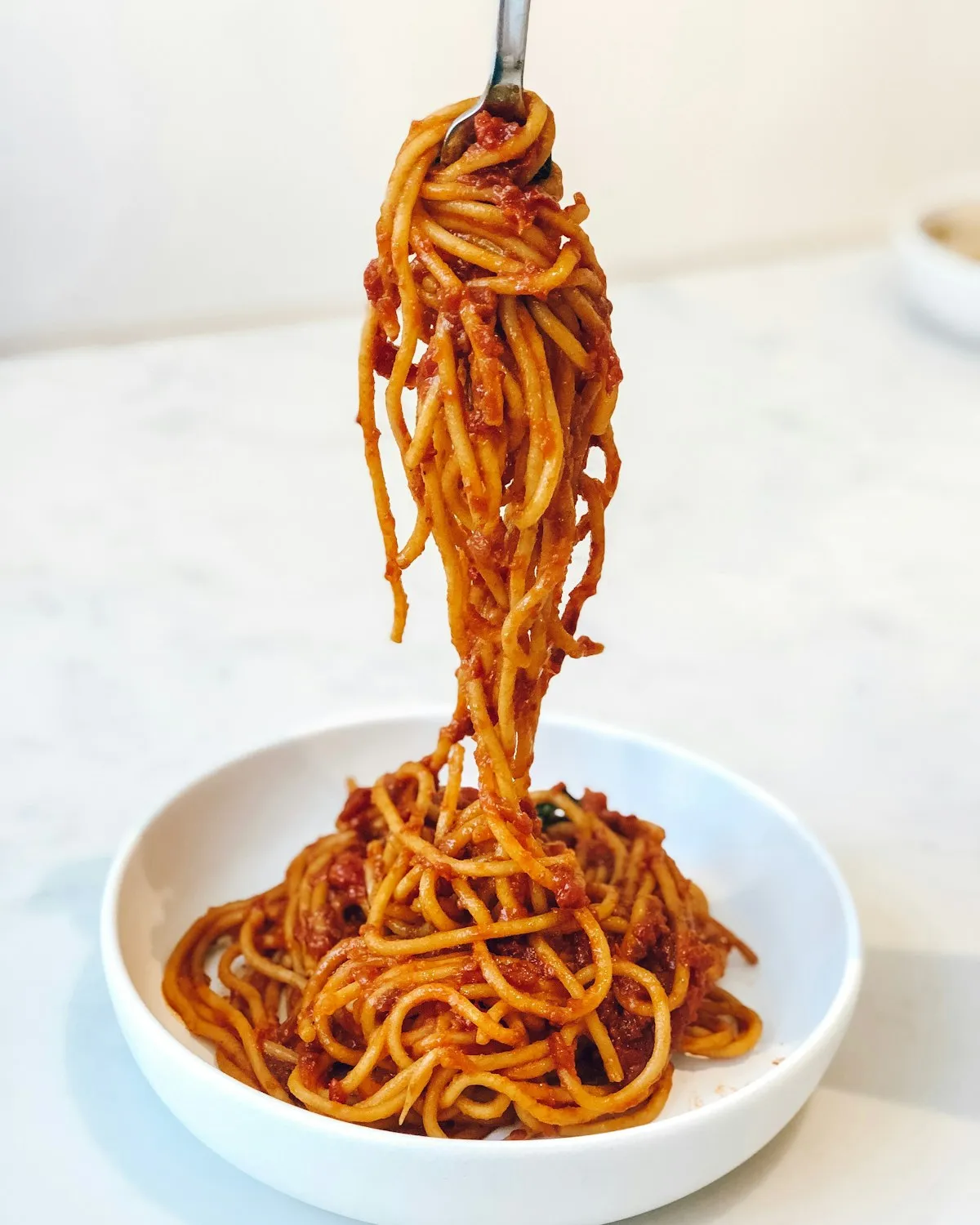
To master this technique, follow these firm rules. Start with a wide, straight-sided skillet rather than a narrow, deep pot. A wider surface area allows for more even evaporation and ensures every noodle is submerged. Stir your pasta every couple of minutes, especially during the first half of the cooking process. This prevents the noodles from clumping together as they release their initial burst of surface starch.
Use seasoned broth instead of plain water to build flavor from the inside out. Since the pasta will absorb the majority of the liquid, it should be well-seasoned from the very beginning. Avoid adding all your liquid at once if you are unsure of the ratio; it is much easier to add a splash of hot broth halfway through than it is to boil off an accidental soup. If the sauce looks a little loose when the pasta is al dente, do not panic. Turn off the heat and let it sit for five minutes. The carryover heat and the resting period allow the starch to fully hydrate, resulting in a thick, glossy finish.
Layering Flavors for Maximum Impact
While the technique handles the texture, your choice of ingredients determines the soul of the dish. For this specific profile, lean heavily into marinated artichokes. These are far superior to the canned water-packed variety because they come pre-loaded with herbs, garlic, and acidity. Pour a little of that marinade oil directly into the pan at the start; it is a concentrated flavor bomb that carries the artichoke essence through every bite.
Timing is everything when it comes to greens. Treat your spinach with respect. Never boil it with the pasta for the full duration, or you will end up with a grey, metallic-tasting mush. Instead, fold the fresh leaves into the pot only after you have turned off the flame. The residual heat is more than enough to wilt the spinach to a vibrant, tender green. This preserves the delicate sweetness of the leaves and provides a fresh contrast to the richness of the cheese.
Creative Variations to Explore
This dish is a fantastic template for various healthy dinner ideas depending on what you have in the pantry. If you want to boost the protein, consider adding seared chicken breast slices or sautéed shrimp at the very end. For a vegetarian protein punch, a can of rinsed cannellini beans fits perfectly into the creamy texture without distracting from the primary flavors.
If you prefer a bit of heat, do not be shy with the crushed red pepper flakes. Toast them in the oil with your garlic at the very beginning to infuse the entire sauce with a gentle, background warmth. For those looking for a dairy-free alternative, swap the heavy cream for full-fat coconut milk or a cashew-based cream. The starch from the pasta will still work its magic, and the tang of the artichokes will mask any coconut flavor, leaving you with a remarkably similar mouthfeel.
For a crunchier finish, try topping the final dish with toasted panko breadcrumbs. You can quickly brown these in a separate small pan with a bit of lemon zest and parsley. It mimics the "baked" feel of a traditional spinach artichoke dip without the need for an oven.
Balancing the Plate with Sides
Because this pasta is inherently rich and creamy, your side dishes should focus on high acidity and crisp textures. A simple arugula salad with a sharp lemon vinaigrette is my go-to recommendation. The peppery bite of the arugula cuts right through the heaviness of the Parmesan and cream, refreshing your palate between bites.
If you are craving more vegetables, consider roasted asparagus or a side of shaved fennel. The goal is to provide a "snap" that contrasts with the soft, tender pasta. If you have leftovers and want to make it feel like a new meal, you can even explore quick family meals by serving a smaller portion of the pasta alongside a hearty vegetable soup.
Frequently Asked Questions
Why is my one-pot pasta gummy instead of creamy?
Gummy pasta is usually the result of two things: overcooking or not enough movement. If you let the pasta sit without stirring, the starch concentrates in one spot and creates a glue-like texture. Always stir frequently. Additionally, ensure you pull the pan off the heat while the pasta still has a slight "bite" (al dente). The pasta will continue to cook in the hot sauce for several minutes after you stop.
Can I use gluten-free pasta for this?
Yes, but you must be careful. Gluten-free pastas (especially those made from rice or corn) release a different type of starch that can sometimes become "slimy" if over-agitated. Use a sturdy gluten-free blend, perhaps one with chickpeas or lentils, and monitor the liquid levels closely as they often absorb water differently than wheat-based pasta.
What if I don't have fresh spinach?
Frozen spinach is a fine substitute, but you must squeeze every drop of excess water out of it before adding it to the pan. If you don't, that extra liquid will thin out your carefully emulsified sauce and make the dish watery.
Can I make this in an air fryer?
While you can't cook the pasta itself in an air fryer, you can certainly use it to elevate the meal. I often use my air fryer to make quick garlic croutons or to roast a head of garlic to stir into the sauce. Check out our other air fryer recipes dinner ideas if you want to use that appliance to help with your side dishes.
How do I reheat one-pot pasta without it getting oily?
The emulsion can break when reheated in the microwave. To fix this, reheat the pasta in a small pan on the stove with a tablespoon or two of water or milk. Stir constantly over medium-low heat to re-emulsify the sauce as it warms up.
{“@type”:”BlogPosting”,”image”:”https://cdn.marblism.com/i7YdL1n-Pr0.webp”,”author”:{“name”:”Cookpedia”,”@type”:”Organization”},”faqPage”:{“@type”:”FAQPage”,”@context”:”https://schema.org”,”mainEntity”:[{“name”:”Why is my one-pot pasta gummy instead of creamy?”,”@type”:”Question”,”acceptedAnswer”:{“text”:”Gummy pasta is usually the result of overcooking or not enough stirring. The starch concentrates and creates a glue-like texture. Always stir frequently and remove from heat when al dente.”,”@type”:”Answer”}},{“name”:”Can I use gluten-free pasta for this?”,”@type”:”Question”,”acceptedAnswer”:{“text”:”Yes, but monitor it closely. Gluten-free pastas release different starches and can become slimy if over-agitated. Use a sturdy blend and check liquid levels often.”,”@type”:”Answer”}}]},”@context”:”https://schema.org”,”headline”:”One-Pot Spinach and Artichoke Pasta”,”publisher”:{“logo”:{“url”:”https://cookpedia.com/logo.png”,”@type”:”ImageObject”},”name”:”Cookpedia”,”@type”:”Organization”},”description”:”Learn the science behind the perfect one-pot spinach and artichoke pasta. A creamy, easy-to-clean dinner solution for busy weeknights.”,”datePublished”:”2026-07-08″,”mainEntityOfPage”:{“@id”:”https://cookpedia.com/one-pot-spinach-artichoke-pasta”,”@type”:”WebPage”}}