Recipe
Servings
Servings 1×
Ingredients
- Ground turkey
- Pasta
- Noodles
- Bread
- Broccoli
- Zucchini
- Mushrooms
- Spinach
- Tomatoes
- Garlic
- Lemon
- Balsamic vinegar
- Tahini
- Salt
- Black pepper
Method
- Let’s be real: traditional lasagna is a project.
- Use regular lasagna noodles rather than the "oven-ready" or "no-boil" variety.
- Use a heavy-bottomed pan: like the one shown in our one-pot linguine guide : to distribute heat evenly.
- Stir the mixture occasionally.
- Use a spoon to drop dollops of ricotta across the surface.
- Cover the pan for the last few minutes of cooking to trap the steam.
Let’s be real: traditional lasagna is a project. Between boiling the noodles, layering like a stonemason, and scrubbing three different pans, it’s rarely on my list for a Tuesday night. But when you crave those cheesy, saucy layers without the labor, this one-pot spinach and ricotta lasagna is the ultimate shortcut. It’s one of those quick family meals that feels like a Sunday feast but comes together in a single skillet. If you are looking for healthy dinner ideas that don't skimp on comfort, you’ve found your new favorite.
Mastering the Skillet: The Science of One-Pot Pasta
The secret to a successful one-pot lasagna isn't just about throwing things into a pan and hoping for the best. It’s actually a beautiful bit of kitchen chemistry. When you boil pasta in a giant pot of water, you’re washing away all that precious starch. In a one-pot setting, that starch stays right in the pan, acting as a natural emulsifier. This creates a glossy, rich sauce that clings to the noodles in a way traditional layering can’t match.
Choose Your Noodle Wisely
Use regular lasagna noodles rather than the "oven-ready" or "no-boil" variety. While it sounds counterintuitive, regular noodles release more starch and have a better structural integrity for simmering. Break them into irregular, bite-sized pieces. This increases the surface area for the sauce to grab onto. Avoid overlapping them too perfectly in the pan; you want them to be messy and submerged so they hydrate evenly without clumping together into a giant pasta brick.
The Great Spinach Squeeze
Whether you use fresh or frozen spinach, moisture management is your biggest hurdle. Fresh spinach is mostly water. If you dump a whole bag into the sauce without a plan, you’ll end up with a lasagna soup. Wilt your fresh spinach in the pan first with a pinch of salt to draw out the water, or if you’re using frozen, squeeze it until your knuckles turn white. A dry spinach addition ensures that the creamy ricotta and tomato sauce stay thick and luscious.
Heat Management and Friction
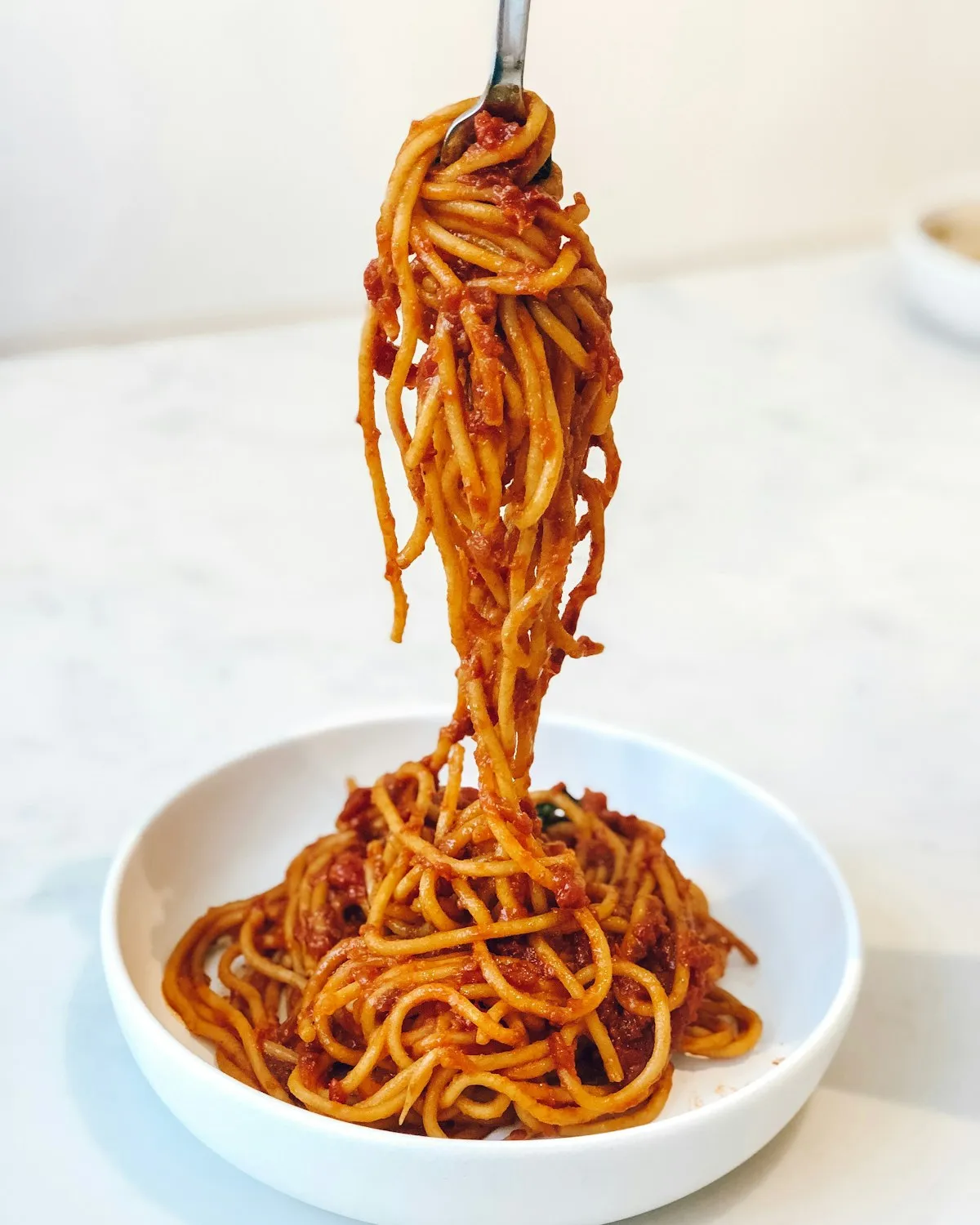
Maintain a gentle simmer, not a rolling boil. High heat will scorch the bottom of your skillet before the noodles have a chance to soften. Use a heavy-bottomed pan: like the one shown in our one-pot linguine guide: to distribute heat evenly. Stir the mixture occasionally. This prevents the noodles from sticking to the bottom and encourages the starch to marry with the fats in the sauce.
The Finishing Touch: Cheese Dollops
Don't stir the ricotta into the sauce entirely. Use a spoon to drop dollops of ricotta across the surface. This creates pockets of creamy texture that mimic the layers of a traditional lasagna. Cover the pan for the last few minutes of cooking to trap the steam. This steam is what melts the mozzarella and finishes the noodles perfectly. Let the dish rest for five minutes before serving. This "carry-over" period allows the starches to set, ensuring your portion doesn't slide across the plate.
Flavor Variations and Upgrades
While the spinach and ricotta combo is a classic for healthy dinner ideas, you can easily pivot this recipe to suit your pantry. If you want a more robust, savory profile, start by browning some Italian sausage or lean ground turkey before you build the sauce. The rendered fat from the meat adds an incredible depth of flavor that complements the sweetness of the tomatoes.
For a vegetarian twist that feels "meaty," sauté sliced mushrooms until they are deeply browned and caramelized. This adds umami without the animal protein. If you prefer a bit of heat, toss in a generous pinch of red pepper flakes during the aromatic stage. For a brighter, more Mediterranean feel, stir in some lemon zest and fresh basil right before serving. The acidity of the lemon cuts through the richness of the ricotta beautifully.
If you are following a gluten-free lifestyle, swap in your favorite gluten-free lasagna noodles. Just be mindful that these tend to release starch faster and can become mushy if overcooked. Check for doneness about five minutes earlier than the package suggests.
Balancing the Plate: Side Dish Pairings
Because this one-pot lasagna is rich and cheese-forward, you want side dishes that offer high acidity or a crisp texture. A simple arugula salad with a lemon-tahini dressing or a classic balsamic vinaigrette is my go-to. The peppery bite of the arugula and the sharp acid of the dressing cleanse your palate between bites of creamy pasta.
If you want to keep the "quick" theme going, consider using your air fryer for sides. We love browsing air fryer recipes dinner enthusiasts swear by, like air-fried zucchini fries or crispy garlic broccoli. The dry, high-heat air of the fryer creates a charred exterior on vegetables that balances the soft, saucy texture of the lasagna. A piece of crusty bread is also non-negotiable for mopping up every last drop of that starch-enriched tomato sauce.
Frequently Asked Questions
Why is my one-pot lasagna so watery?
The most common culprit is the spinach. If you used fresh spinach, it releases a significant amount of water as it wilts. If you used frozen, you might not have squeezed it enough. To fix a watery sauce, remove the lid and simmer on medium-high for a few extra minutes to allow the liquid to evaporate. Also, remember to let the dish rest; as it cools slightly, the pasta will continue to absorb some of that excess moisture.
Can I use no-boil noodles in this recipe?
You can, but I don't recommend it as a first choice. No-boil noodles are thinner and pre-cooked to a certain extent. They can easily disintegrate in the moisture-rich environment of a skillet. If you must use them, reduce the total liquid in your pot by about half a cup and check them for doneness very early. They won't provide the same thick, starchy sauce that regular noodles do.
How do I prevent the pasta from sticking to the bottom?
Friction is your friend. Give the pot a good stir every few minutes, especially in the beginning when the noodles are first softening. Make sure there is enough liquid; the noodles should be mostly submerged. If the liquid is disappearing too fast, add a splash of water or broth. A heavy-bottomed non-stick or cast-iron skillet also helps prevent those annoying burnt spots.
Is this recipe freezer-friendly?
One-pot pasta dishes are best eaten fresh. The noodles continue to absorb liquid as they sit, so frozen and thawed one-pot lasagna can often turn out mushy. However, if you have leftovers, they reheat beautifully in the microwave or on the stovetop with a tiny splash of water to loosen the sauce. It makes for one of the best quick family meals the next day for lunch!
What if I don't have ricotta?
Cottage cheese is a surprisingly great substitute. If the texture of cottage cheese bothers you, pulse it in a blender for a few seconds until smooth. It has a similar moisture content and mild flavor that works perfectly in this skillet setting. You can even use a thick Greek yogurt for a tangier, higher-protein alternative, though it won't be as traditional.
How do I know when the noodles are done?
The "fork test" is the most reliable method. Prick a piece of pasta; it should be tender but still have a slight bite (al dente). Don't wait until they are completely soft to turn off the heat, as the carry-over heat will finish the cooking process while the cheese melts and the dish rests.
{“@type”:”BlogPosting”,”image”:[“https://image.pollinations.ai/prompt/A%20steaming%20skillet%20of%20one-pot%20spinach%20and%20ricotta%20lasagna%2C%20showing%20broken%20noodle%20pieces%2C%20vibrant%20green%20spinach%2C%20and%20creamy%20white%20dollops%20of%20ricotta%20cheese%20melted%20into%20a%20rich%20tomato%20sauce%2C%20captured%20in%20soft%20natural%20light%20on%20a%20rustic%20wooden%20table.%20Warm%2C%20inviting%20tones%2C%20shallow%20depth%20of%20field%2C%20high-quality%20food%20photography.?width=1280&height=720&nologo=true”],”author”:{“name”:”Penny”,”@type”:”Person”},”@context”:”https://schema.org”,”headline”:”One-Pot Spinach and Ricotta Lasagna”,”publisher”:{“logo”:{“url”:”https://cookpedia.com/logo.png”,”@type”:”ImageObject”},”name”:”Cookpedia”,”@type”:”Organization”},”description”:”Discover the science and secrets behind making a perfect One-Pot Spinach and Ricotta Lasagna. A quick family meal that saves time without sacrificing flavor.”,”datePublished”:”2026-05-28″,”mainEntityOfPage”:{“@id”:”https://cookpedia.com/one-pot-spinach-ricotta-lasagna”,”@type”:”WebPage”}}