Recipe
Servings
Servings 1×
Ingredients
- Chicken
- Tofu
- Chickpeas
- Beans
- Quinoa
- Rice
- Potatoes
- Sweet potatoes
- Cauliflower
- Mushrooms
- Apple
- Onion
- Garlic
- Fresh ginger
- Lemon
- Lime
- Coconut milk
- Cooking oil
Method
- Prepare the ingredients described in the article and heat the cooking surface or oven as directed.
- Cook the main ingredients using the heat and timing guidance in the article.
- Finish with the seasonings and garnishes named in the article, then serve.
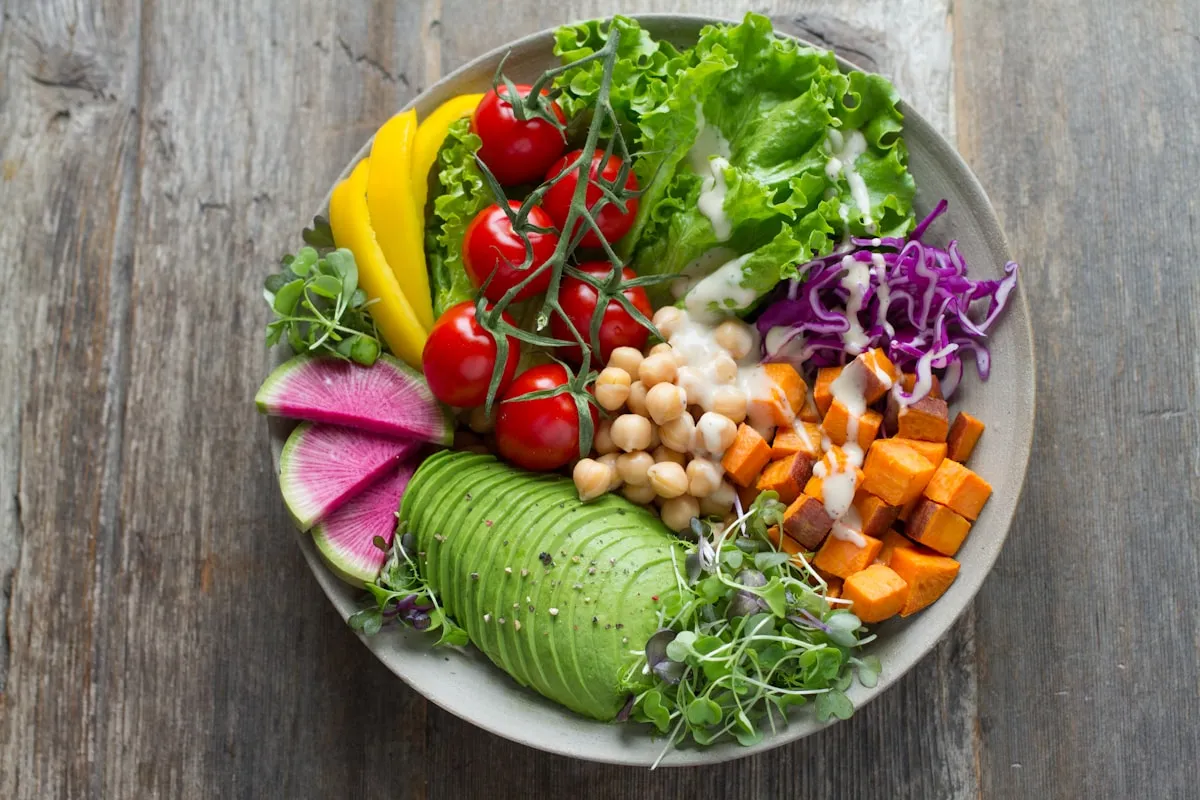
Getting everyone around the table for a meatless meal shouldn't feel like a negotiation. If you’ve ever stared at a head of cauliflower wondering how to turn it into something your kids will actually eat, you’re in the right place. Transitioning to more plant-based dinner ideas doesn't mean you have to sacrifice the "soul" of your cooking. It’s about building layers of flavor so satisfying that no one even asks where the chicken went. My goal is to show you how to master healthy weeknight dinners that are fast, nutrient-dense, and genuinely delicious.
The Science of Building Flavor Without Meat
When you remove meat from a dish, you lose a massive source of fat and umami. To make your plant-based dinner ideas truly sing, you have to compensate by understanding how flavor molecules interact. The most important concept to master is the Maillard reaction. This is the chemical reaction between amino acids and reducing sugars that gives browned food its distinctive, savory flavor. When you roast sweet potatoes or sear tofu, don't just "cook" them; let them develop a deep, golden crust. This creates complex flavor compounds that mimic the savory depth usually found in animal proteins.
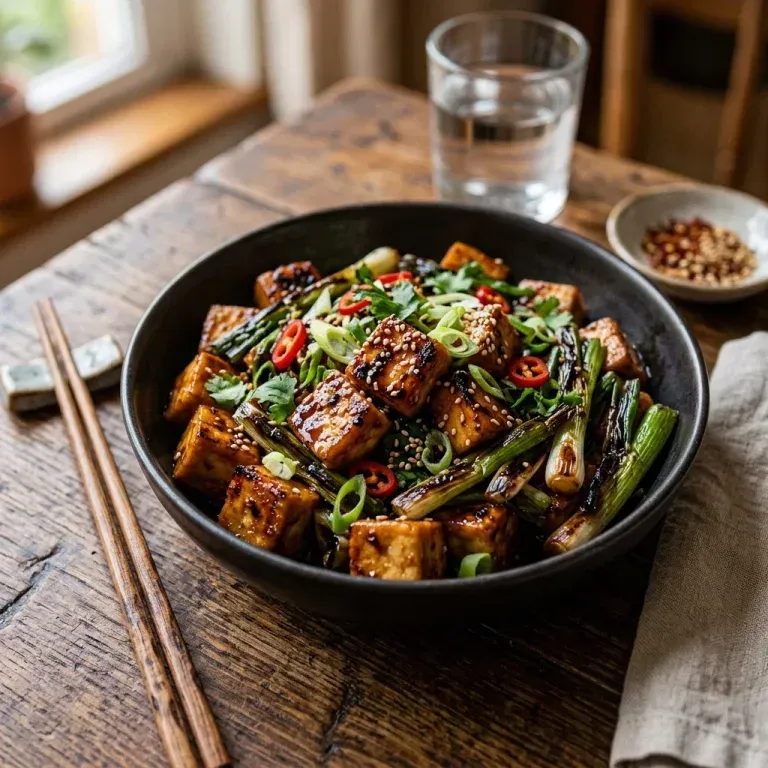
Next, consider your aromatics. Ingredients like garlic, ginger, and onions contain volatile flavor compounds that are fat-soluble. This means if you just toss them into a pot of water, you’re missing out. Always sauté your aromatics in a small amount of oil first. This "blooming" process transfers those flavor molecules into the fat, which then coats every other ingredient in the pan. For healthy weeknight dinners, this five-minute step is the difference between a bland soup and a restaurant-quality meal.
Don't forget the power of acid. Plant-based meals, especially those involving heavy starches like potatoes or beans, can often taste "flat" or heavy. This is because your tongue’s salt receptors and sour receptors work in tandem. Adding a squeeze of lime or a splash of apple cider vinegar right before serving doesn't just add a sour note; it physically brightens the other flavors, making the sweetness of the vegetables and the saltiness of the seasoning pop.
Finally, lean into umami-rich plant sources. Mushrooms, tomato paste, soy sauce, and nutritional yeast are packed with glutamates. Use these liberally. If you're making a sweet potato curry, adding a tablespoon of tomato paste to the sautéing onions adds a hidden layer of savory complexity that grounds the sweetness of the potatoes. This scientific approach ensures your quick family meals are never lacking in character.
Mastering Texture and Variety
One mistake many home cooks make when exploring healthy dinner ideas is serving a plate of "mush." If everything on the plate has the same soft texture, your brain will get bored quickly. Balance is key. If you are serving a creamy curry, you need a crunchy element like toasted seeds or a fresh slaw.
Variation is also your best friend for long-term success. You can take a single base: like roasted root vegetables: and pivot the entire flavor profile in minutes. Use cumin, coriander, and turmeric for an Indian-inspired profile, or switch to smoked paprika and oregano for a Mediterranean vibe. This versatility is why I love plant-based dinner ideas; they are essentially a blank canvas for your spice cabinet.
If you are looking for ways to speed things up, consider how you use your appliances. For example, some air fryer recipes dinner enthusiasts know that the high-velocity hot air is perfect for getting crispy textures on chickpeas or cauliflower without using excessive oil. It’s a great tool for those quick family meals where you need a component finished in under ten minutes while the main pot simmers.
Perfect Side Dish Pairings
The secret to a great plant-based meal is often what’s sitting next to the main event. You want side dishes that offer a contrast in both temperature and nutrition. A cold, crisp salad is the natural partner for a warm, spicy curry. I often recommend a simple arugula salad with a sharp lemon vinaigrette to cut through the richness of coconut milk.
Grains are another area where you can add significant value. Instead of plain white rice, try quinoa or farro. These ancient grains offer more protein and a nutty texture that holds up better against saucy dishes. If you're short on time, even a quick flatbread charred over a gas flame can provide that essential smoky element that rounds out a healthy weeknight dinner.
Frequently Asked Questions
Why do my plant-based meals always taste bland?
Blandness usually comes down to three things: lack of salt, lack of acid, or lack of "bloom." Make sure you are seasoning at every stage of the cooking process, not just at the end. Use acid (vinegar or citrus) to brighten the dish, and always sauté your spices in oil to release their full potential.
How do I get enough protein on a plant-based diet?
It’s easier than you think! Focus on "complete" protein sources or combinations. Beans and rice together provide all nine essential amino acids. Lentils, chickpeas, tofu, and quinoa are all powerhouses. If you're worried about feeling full, ensure you have a healthy fat source like avocado or nuts, as fat triggers the satiety hormones in your brain.
Can I prepare these meals in advance?
Absolutely. Most plant-based dinner ideas: especially stews, curries, and grain bowls: actually taste better the next day. The flavors have more time to meld and develop. Just be sure to store your crunchy toppings (like seeds or fresh herbs) separately so they don't get soggy.
What if my kids hate vegetables?
Start with "bridge" foods. Sweet potatoes are a great entry point because of their natural sweetness. You can also blend vegetables into sauces: a creamy red pepper and cashew sauce is a fantastic way to hide nutrients while keeping the texture familiar and kid-friendly.
Is it more expensive to eat plant-based?
Actually, it’s often cheaper! If you buy staples like dried beans, lentils, and seasonal vegetables in bulk, your cost per serving will drop significantly compared to meat-heavy meals. The key is to avoid expensive, highly processed meat substitutes and stick to "real food" ingredients.
How do I prevent my tofu from being soggy?
Texture is everything with tofu. Always press your tofu for at least 20 minutes to remove excess water. Then, toss it in a little cornstarch before pan-frying or using it in your air fryer recipes dinner rotation. The starch creates a barrier that crisps up beautifully while keeping the inside tender.
Mastering healthy weeknight dinners is a journey of exploration. Don't be afraid to experiment with new spices or techniques. Your kitchen should be a place of joy, not a chore. Start with one or two plant-based dinner ideas a week, and soon you'll find your family asking for them every night. For more inspiration on upgrading your kitchen game, check out my guide on the viral garlic butter ramen hack for a quick flavor boost!