Recipe
Servings
Servings 1×
Ingredients
- Ground turkey
- Lentils
- Chickpeas
- Noodles
- Greek yogurt
- Tortillas
- Bread
- Greens
- Avocado
- Apple
- Onion
- Garlic
- Lemon
- Lime
- Cream
- Butter
- Cooking oil
- Soy sauce or tamari
Method
- Use high heat to create that golden-brown crust.
- Use fermented ingredients like soy sauce, Worcestershire sauce, or even a tiny bit of tomato paste.
- Roast your chickpeas until they are slightly crunchy before adding them to your wraps or bowls.
- Use a peppery arugula or a bitter radicchio to cut through the richness of any sauces or fats in your main dish.
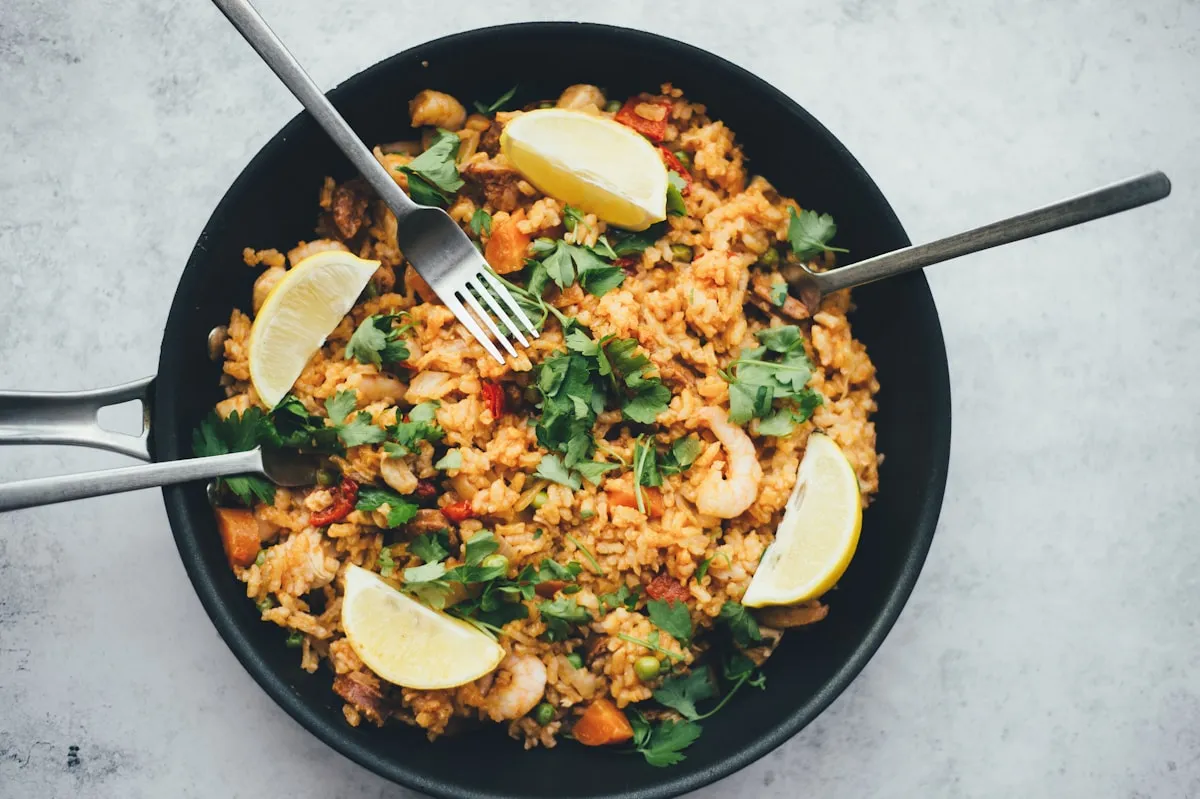
We’ve all been there: standing in front of an open fridge at 6:00 PM, staring at a lonely head of lettuce and a pack of ground turkey, wondering how to turn ten dollars and fifteen minutes into something that doesn’t taste like cardboard. You don't need a luxury pantry to eat well. My philosophy at Cookpedia is that soul-satisfying food should be accessible to everyone, regardless of their schedule or bank balance. By mastering a few simple scientific principles, you can elevate quick healthy meals from "serviceable" to "sensational" without spending a fortune.
The Chemistry of High-Impact Flavor
The secret to making budget friendly recipes taste expensive isn't in the price tag of the ingredients; it's in how you manipulate them. Most home cooks struggle with bland results because they ignore the three pillars of culinary impact: the Maillard reaction, umami depth, and acid balance.
First, let's talk about the Maillard reaction. This is the chemical reaction between amino acids and reducing sugars that gives browned food its distinctive flavor. When you’re preparing a simple turkey wrap or a quick skillet meal, do not just toss the protein in the pan. Sear it. Use high heat to create that golden-brown crust. This creates hundreds of different flavor compounds that raw or steamed meat simply lacks. Even a humble flour tortilla benefits from a quick toast in a dry pan to unlock nutty, toasted aromas.
Second, you must chase umami. Known as the "fifth taste," umami provides that savory, mouth-watering quality often associated with meat. If you are working with leaner, cheaper cuts of protein, you need to supplement that depth. Use fermented ingredients like soy sauce, Worcestershire sauce, or even a tiny bit of tomato paste. These ingredients are rich in glutamates, which trick your brain into thinking a dish is far richer than it actually is.
Finally, never underestimate the power of acidity. If a dish feels "flat" or heavy, don't reach for the salt shaker first. Reach for a lime, a lemon, or a bottle of apple cider vinegar. Acid acts as a high-frequency contrast to fat and salt. It brightens the palate and makes the individual flavors of your vegetables pop. For one of my favorite healthy dinner ideas, a simple squeeze of lime over seared turkey can transform the entire profile from muddy to bright.
Flavor Variations and Dietary Swaps
One of the best things about mastering a few core quick healthy meals is the ability to pivot based on what is on sale at the grocery store. Flexibility is the ultimate budget tool.
If you find yourself following a specific dietary lifestyle, like keto or plant-based eating, you don't have to abandon the "million-dollar taste" goal. For a keto-friendly version of a turkey wrap, swap the whole wheat tortilla for large, crisp romaine or butter lettuce leaves. The key here is to increase the fat content slightly to maintain satiety: think sliced avocado or a dollop of Greek yogurt-based ranch.
For those leaning into plant-based budget friendly recipes, legumes are your best friend. Replace the turkey with brown lentils or chickpeas. To get that same "meaty" satisfaction, use the science of texture. Roast your chickpeas until they are slightly crunchy before adding them to your wraps or bowls. This provides a structural contrast that keeps the meal from feeling mushy. You can even experiment with The Viral Garlic Butter Ramen Hack by swapping the noodles for zoodles or shredded cabbage for a low-carb, high-flavor twist.
The Art of Side Dish Pairings
A great meal is a conversation between different temperatures, textures, and tastes. When you’re serving a warm, savory main dish like a turkey wrap or a stir-fry, your side dish should provide a "reset" for the palate. This is why a crisp, acidic salad is the gold standard for pairing.
Use a peppery arugula or a bitter radicchio to cut through the richness of any sauces or fats in your main dish. A simple vinaigrette: three parts oil to one part acid: is all you need. Avoid heavy, cream-based dressings that will only compete with the flavors of your primary meal. If your main dish is particularly soft (like a lentil stew), pair it with something that has a distinct "crunch," such as quick-pickled red onions or toasted seeds. This sensory variety prevents "palate fatigue," which is that feeling where every bite starts to taste the same halfway through the meal.
Frequently Asked Questions
Why does my turkey always turn out dry and rubbery?
This is usually a result of protein denaturation happening too quickly. When you cook turkey over high heat for too long, the muscle fibers contract and squeeze out all the moisture. To prevent this, salt your meat about 15 minutes before cooking. This allows the salt to break down some of the protein structures, helping them retain water during the cooking process. Also, use a thermometer; pull the meat off the heat just before it hits its target temperature, as "carryover cooking" will finish the job.
Can I use frozen vegetables for my healthy dinner ideas without them getting soggy?
Absolutely. The trick is to avoid steaming them in their own moisture. Never thaw frozen vegetables before putting them in a pan. Instead, hit them with high heat directly from the freezer. This causes the ice crystals to evaporate instantly rather than melting into a pool of water that boils the vegetable from the inside out. This technique preserves the cellular structure and keeps that "fresh" snap.
Why is my homemade sauce always thinner than restaurant sauces?
Emulsification and reduction are the two keys here. Most professional kitchens reduce their sauces (simmering them until water evaporates) to concentrate flavor and thicken the texture. If you're in a rush, you can create a quick emulsion by whisking in a small amount of cold butter or a spoonful of tahini at the very end of cooking. This binds the fats and liquids together, creating a silky mouthfeel that coats the back of a spoon.
How do I store leftovers so they don't taste "reheated"?
The "warmed-over flavor" in meats is caused by the oxidation of fats. To minimize this, store your components separately. Keep your fresh greens, tortillas, and proteins in individual airtight containers. When reheating, avoid the microwave if possible. Use a small skillet with a splash of water or broth to gently rehydrate the protein while it warms up. This mimics the original cooking environment and prevents the meat from becoming tough.