Recipe
Servings
Servings 1×
Ingredients
- Chickpeas
- Beans
- Quinoa
- Spinach
- Cucumber
- Tomatoes
- Onion
- Garlic
- Lemon
- Mustard
- Feta
- Cooking oil
- Salt
- Black pepper
Method
- Pat them gently with a clean towel or let them drain while you prepare the vegetables.
- Use firm cucumbers and cut them into pieces large enough to retain some crunch.
- Keep herbs loosely chopped so they remain visible and fragrant rather than disappearing into green confetti.
- Add an emulsifying ingredient if you want extra stability.
- Season the dressing and chickpeas thoughtfully, then be cautious with additional salt after mixing.
- Serve it immediately for maximum crunch and the sharpest citrus flavor.
When I need quick healthy meals that do not leave me hungry an hour later, I reach for this Mediterranean cucumber chickpea salad bowl. It is crisp, creamy, tangy, and filling without requiring a stove, complicated equipment, or a heroic amount of chopping. Treat it as lunch, a light dinner, or one of the simplest healthy dinner ideas for a warm evening.
The magic is not just in the ingredients. It is in managing moisture, acidity, texture, and balance. Do that well, and a humble bowl of chickpeas becomes genuinely satisfying.
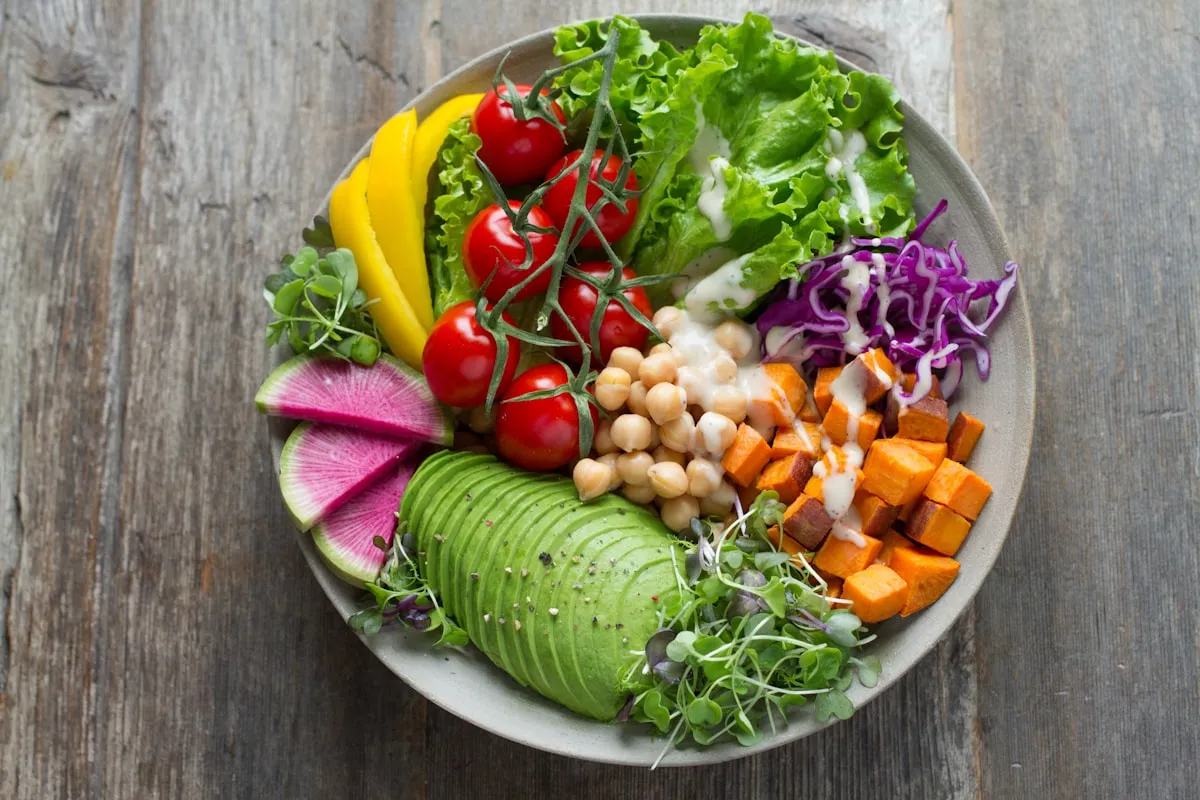
Tips & Technique: Make Every Bite Work
Start with dry, well-rinsed chickpeas
Do not skip the draining and rinsing. Canned chickpeas sit in a starchy liquid that can taste metallic or overly salty. Rinsing removes much of that surface liquid and gives the beans a cleaner, sweeter flavor.
Dry the chickpeas well before mixing them into the bowl. Excess water dilutes the dressing and prevents it from clinging. Pat them gently with a clean towel or let them drain while you prepare the vegetables. You are not trying to turn them into crunchy roasted chickpeas; you simply want to remove the watery coating.
Chickpeas bring the bowl its staying power. Their fiber and plant protein slow digestion, while their creamy texture contrasts with crisp vegetables. For another Cookpedia approach to making chickpeas the star, try this quick chickpea and spinach stew.
Control cucumber moisture
Cucumber is refreshing because it contains so much water. That same water can turn a salad soupy if you let it take over.
Use firm cucumbers and cut them into pieces large enough to retain some crunch. Very small dice create more cut surfaces, which means more water escapes. If your cucumber seems especially watery, give it a light seasoning and let it sit briefly, then drain the liquid before combining everything.
Do not squeeze the cucumber aggressively. You want to remove excess moisture, not flatten its texture. A little juice is useful because it helps the flavors mingle. A puddle at the bottom of the bowl is not.
Cut for contrast, not decoration
Aim for a mix of shapes and sizes. Chunky cucumber gives you a clean snap, halved tomatoes add juicy bursts, and thin onion slices distribute sharpness without dominating every bite. Keep herbs loosely chopped so they remain visible and fragrant rather than disappearing into green confetti.
This is a salad bowl, not a geometry exam. Uneven chopping is perfectly fine, and it often creates better texture. Just avoid pieces so large that the chickpeas and vegetables stop feeling like one cohesive meal.
Build a dressing that clings
Oil and lemon juice naturally separate because one is fat-based and the other is water-based. Whisking them together creates a temporary emulsion, allowing the dressing to coat the chickpeas and vegetables instead of rushing straight to the bottom.
Add an emulsifying ingredient if you want extra stability. Mustard works well because its fine particles help hold oil and acid together. This is the same principle used in Cookpedia’s quick Mediterranean quinoa bowl, where a stable lemon vinaigrette helps the dressing cling to grains and beans.
Taste the dressing before it meets the salad. It should seem slightly more intense than you think necessary because the chickpeas and vegetables will soften its impact. Adjust acidity, salt, and richness until none of them shouts louder than the others.
Add salt with a little discipline
Salt does more than make food taste salty. It draws water from vegetables through osmosis, which can improve flavor but eventually soften crunch. That is why timing matters.
Season the dressing and chickpeas thoughtfully, then be cautious with additional salt after mixing. Feta and olives, if you use them, bring their own saltiness. Taste after the salad rests for a few minutes, when the dressing has had time to move through the bowl.
Avoid automatically adding both olives and a generous amount of feta. A salad can be Mediterranean without becoming a salt delivery system. For a lower-sodium version, choose rinsed chickpeas and let lemon, herbs, pepper, and garlic provide the energy.
Give the salad a short rest
Serve it immediately for maximum crunch and the sharpest citrus flavor. Let it rest for 15 to 30 minutes, and the chickpeas will absorb some dressing while the onion becomes less pungent. That short pause is often the sweet spot.
Leave it dressed overnight, and the vegetables will soften further. The flavor may improve as it becomes more marinated, but the texture will change. Neither result is wrong. Decide whether you want “fresh and crisp” or “deeply seasoned and tender,” then time the rest accordingly.
Variations for Different Appetites
Turn the bowl into a more substantial meal by serving it over quinoa, bulgur, farro, or couscous. A grain base absorbs the dressing and adds gentle chewiness without competing with the vegetables. Quinoa is especially useful if you want a plant-based bowl with extra protein; Cookpedia’s Mediterranean quinoa bowl is a natural companion recipe.
Keep it dairy-free by leaving out feta and adding toasted seeds, avocado, or a spoonful of hummus for richness. Use extra herbs and lemon zest to replace some of the savory depth that cheese provides.
For a warmer version, add roasted peppers, zucchini, or eggplant. Their caramelized edges bring sweetness, which balances the lemony dressing. You can also add grilled chicken, tuna, or hard-boiled eggs if you want more protein from animal sources.
For a sharper, spicier bowl, add crushed red pepper or sliced chilies. For a gentler family version, reduce raw onion and use more tomato or bell pepper. If you are planning several quick family meals, prepare the base mildly and let everyone add their preferred heat at the table.
Side Dish Pairings That Bring Balance
This bowl already combines fiber, plant protein, fresh vegetables, and healthy fats, so pair it with something that adds contrast rather than repeating the same notes.
Warm whole-grain pita is ideal for scooping and adds a soft, chewy texture. Serve it with hummus if you want a more substantial vegetarian spread, but keep the hummus portion moderate so the meal does not become too rich.
A simple lentil soup or the Cookpedia dinner collection can turn the salad into a fuller spread. For a warm plant-based pairing, try the chickpea and spinach stew. The stew brings heat and softness, while the cucumber salad supplies cool crunch.
When you search for air fryer recipes dinner, use this bowl as the fresh side for crispy tofu, chicken, or vegetables. The acidic dressing cuts through browned, savory food and keeps the plate from feeling heavy.
FAQ
Can I make this salad ahead of time?
Yes, but separate the dressing if maximum crunch matters to you. Store the chopped vegetables and chickpeas in a sealed container, then add the dressing shortly before eating. If you prefer a marinated flavor, dress it several hours ahead.
For best quality, keep it refrigerated and use it within three to four days. The salad may remain safe for longer under proper refrigeration, but cucumber texture declines quickly. Trust the texture and smell; discard anything that seems slimy, fermented, or unpleasant.
Why did my salad become watery?
The most common causes are wet chickpeas, watery cucumber, juicy tomatoes, or salting too early. Each releases liquid, and together they can overwhelm the dressing.
Dry the chickpeas thoroughly, drain excess cucumber liquid, and avoid cutting the tomatoes far in advance. Store the dressing separately for meal prep. If the finished salad is already watery, drain a little liquid and refresh it with herbs, a squeeze of lemon, and a small amount of seasoning.
How can I make it more filling?
Increase the meal’s structure rather than simply adding more dressing. Serve the salad over a whole grain, add extra chickpeas, or include hummus, feta, tofu, eggs, chicken, or fish according to your preferences.
Remember that a large pile of raw vegetables can feel substantial at first but may not provide enough energy for a full dinner. Add a clear source of protein and, when needed, a slow-digesting carbohydrate. That combination helps the bowl keep you satisfied.
What if the dressing tastes too sour?
Do not try to fix excessive acidity with a mountain of salt. Add richness first with a little more olive oil, then taste again. A small amount of sweetness from tomato, roasted pepper, or another naturally sweet vegetable can also round out the sharpness.
If acidity bothers your digestion, reduce the citrus or vinegar and use a grain base to soften the overall impression. Raw onion and garlic can also be irritating for some people, so reduce them before blaming the lemon.
Can I use dried chickpeas instead of canned?
Absolutely. Cooked dried chickpeas often have a better, creamier texture, but they require advance planning. Cool them completely and drain them well before adding them to the salad. Warm chickpeas can wilt the vegetables and make the dressing separate faster.
The key is consistency: use chickpeas that are tender enough to bite through but firm enough to hold their shape. If they are mushy, reserve them for hummus or stew rather than forcing them into a crisp salad bowl.