Recipe
Servings
Servings 1×
Ingredients
- Chicken
- Tortellini
- Pasta
- Bread
- Broccoli
- Asparagus
- Tomatoes
- Garlic
- Lemon
- Tahini
- Pesto
- Cooking oil
- Salt
- Black pepper
Method
- Start by reserving at least a cup of that starchy water before you drain the pasta.
- Use a wide pan for this process; more surface area means faster evaporation, which concentrates the flavors and keeps the sauce from becoming watery.
- Keep the seasoning simple: just salt, pepper, and a squeeze of lemon.
- Add more starchy pasta water, one tablespoon at a time, until the gloss returns.
- Heat is the enemy of fresh basil.
- Use a wide pan for this process; more surface area means faster evaporation, which concentrates the flavors and keeps the sauce from becoming watery.\n\nA firm rule here: turn the heat off before you add your pesto.
You know those evenings when the clock is ticking, the kitchen is calling, and your brain is essentially a tab that’s crashed? I’ve been there. That is exactly why I lean on simple pasta recipes that feel like a warm hug without requiring a three-hour commitment. This pesto tortellini is my secret weapon. It’s vibrant, soulful, and hits the table in 15 minutes flat. By focusing on high-impact ingredients like burst tomatoes and silky pesto, you turn a basic pantry meal into something that tastes like a weekend project.
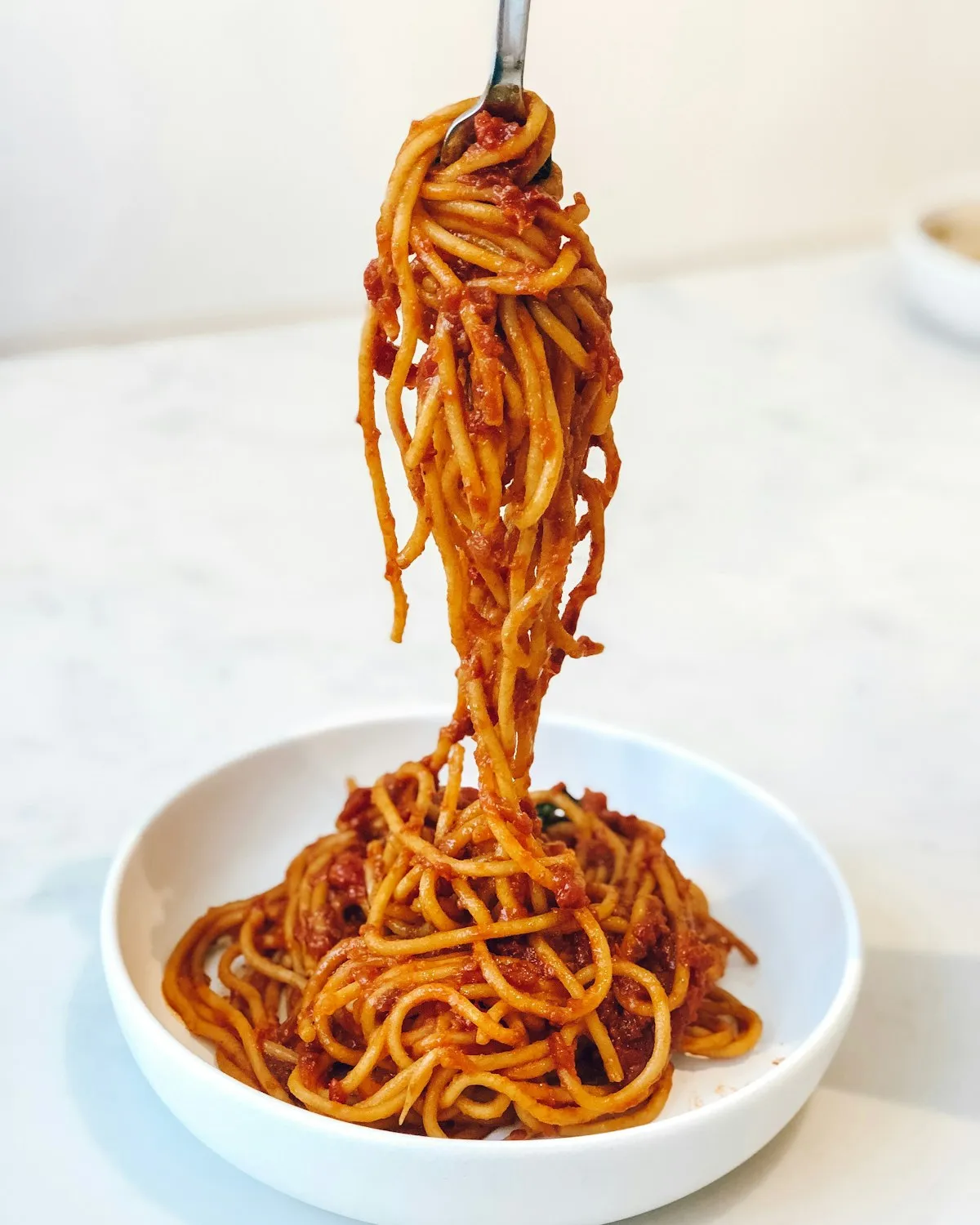
The Physics of the Perfect Glossy Emulsion
To get a restaurant-quality finish at home, you need to understand the science of the "mantecatura." This is the Italian technique of vigorously tossing pasta with its sauce to create a stable, glossy emulsion. When you boil your tortellini, the water becomes cloudy with starch. Do not throw that liquid gold away! That starch is a natural thickener and emulsifier. It acts as a bridge between the oil in the pesto and the water-based juices of the tomatoes.
Start by reserving at least a cup of that starchy water before you drain the pasta. When you combine the pesto and tortellini, add a splash of this water and stir like you mean it. The starch increases the viscosity of the liquid, helping the oil stay in tiny droplets rather than separating into a greasy puddle on your plate. If you’ve ever struggled with achieving the perfect glossy sauce, the secret is always in that controlled emulsion and the right amount of shear (fancy talk for vigorous mixing).
Next, let's talk about the tomatoes. Why "burst" them? Cherry tomatoes are packed with pectin, a natural gelling agent found in plant cell walls. By sautéing them in olive oil until the skins blister and pop, you release that pectin along with sugars and acids. This mixture creates a syrupy base that reinforces the starch from the pasta water. Use a wide pan for this process; more surface area means faster evaporation, which concentrates the flavors and keeps the sauce from becoming watery.
A firm rule here: turn the heat off before you add your pesto. Basil is incredibly delicate, and high heat will cause it to oxidize and turn a dull brown. It also causes the cheese in the pesto to clump together into grainy bits. By tossing the pasta off the heat, you maintain that bright green color and a smooth, velvety texture. These are the small details that turn quick family meals into something everyone actually wants to eat twice.
Elevating the Base: Soulful Variations
While the classic version is a staple, don’t be afraid to experiment with balance. If you want a deeper, more umami-rich flavor, swap the traditional basil pesto for a sun-dried tomato or roasted red pepper version. The acidity of the sun-dried tomatoes cuts through the richness of the cheese-filled tortellini beautifully.
For those looking for healthy dinner ideas that pack more protein, add some seared chicken breast or even some leftover kielbasa from your latest air fryer roast. If you want to keep it vegetarian but need more "bite," toss in some toasted pine nuts or a handful of fresh arugula at the very end. The peppery kick of the arugula provides a much-needed contrast to the creamy pasta.
You can also prepare the tomatoes differently if you have an extra five minutes. If you’re already browsing air fryer recipes dinner ideas, try roasting the cherry tomatoes in the air fryer at 400°F for 6-8 minutes until they are charred and shriveled. This intensifies the sweetness through caramelization far more than a quick pan-sauté can.
Balancing the Plate: Side Dish Pairings
Since the tortellini is rich and savory, your side dishes should focus on acidity and crunch to reset your palate between bites. A simple arugula salad with a lemon-tahini dressing is my go-to. The sharp citrus notes break down the fats in the pesto and cheese, making the whole meal feel lighter.
Alternatively, a side of roasted broccolini or asparagus works wonders. Keep the seasoning simple: just salt, pepper, and a squeeze of lemon. You want the side to support the pasta, not compete with it. If you’re cooking for a crowd and need more quick family meals inspiration, a crusty loaf of sourdough or some garlic bread is never a bad idea for mopping up any leftover pesto-tomato emulsion at the bottom of the bowl.
Troubleshooting Your Pasta: The FAQ
Why is my pesto sauce separating and looks oily?
This usually happens because the emulsion failed or there wasn't enough "bridge" material. If you see oil pooling, add a tablespoon of hot pasta water and toss the pasta vigorously again. The extra starch and the mechanical action of tossing will help re-emulsify the oil into the sauce.
What if my sauce is too dry or pasty?
Pasta continues to absorb liquid even after it’s off the stove. If your tortellini looks a bit gluey, it has likely soaked up all the moisture. Add more starchy pasta water, one tablespoon at a time, until the gloss returns. This is why I always suggest saving more water than you think you’ll need!
Can I use frozen tortellini for this?
Absolutely. Frozen tortellini is one of the best shortcuts for simple pasta recipes. Just ensure you don't overcook them; since they are small, they go from perfect to mushy in about sixty seconds. Pull them out when they still have a slight "bite" (al dente), as they will finish softening in the pan with the tomatoes and pesto.
Why did my pesto turn dark and bitter?
Heat is the enemy of fresh basil. If you add pesto to a screaming hot pan or let it boil, the volatile oils in the basil will break down and oxidize. Always stir in your pesto as the final step with the heat turned off. This preserves the fresh, herbaceous aroma that makes this dish so soulful.
Is this a good option for meal prep?
While you can reheat it, pesto pasta is always best eaten immediately. If you do need to reheat it the next day, add a tiny splash of water or a drop of olive oil before microwaving to help loosen the sauce. It won't be quite as glossy as the first night, but it still makes for one of the better healthy dinner ideas for a busy workday lunch.
{“@type”:”BlogPosting”,”image”:”https://cdn.marblism.com/sHpvrP_1_sH.webp”,”author”:{“name”:”Penny”,”@type”:”Person”},”@context”:”https://schema.org”,”headline”:”Simple 15-Minute Pesto Tortellini with Cherry Tomatoes”,”publisher”:{“logo”:{“url”:”https://cookpedia.com/logo.png”,”@type”:”ImageObject”},”name”:”Cookpedia”,”@type”:”Organization”},”articleBody”:”You know those evenings when the clock is ticking, the kitchen is calling, and your brain is essentially a tab that’s crashed? I’ve been there. That is exactly why I lean on simple pasta recipes that feel like a warm hug without requiring a three-hour commitment. This pesto tortellini is my secret weapon. It’s vibrant, soulful, and hits the table in 15 minutes flat. By focusing on high-impact ingredients like burst tomatoes and silky pesto, you turn a basic pantry meal into something that tastes like a weekend project.\n\nTo get a restaurant-quality finish at home, you need to understand the science of the ‘mantecatura.’ This is the Italian technique of vigorously tossing pasta with its sauce to create a stable, glossy emulsion. When you boil your tortellini, the water becomes cloudy with starch. Do not throw that liquid gold away! That starch is a natural thickener and emulsifier. It acts as a bridge between the oil in the pesto and the water-based juices of the tomatoes.\n\nStart by reserving at least a cup of that starchy water before you drain the pasta. When you combine the pesto and tortellini, add a splash of this water and stir like you mean it. The starch increases the viscosity of the liquid, helping the oil stay in tiny droplets rather than separating into a greasy puddle on your plate. If you’ve ever struggled with achieving the perfect glossy sauce, the secret is always in that controlled emulsion and the right amount of shear (fancy talk for vigorous mixing).\n\nNext, let’s talk about the tomatoes. Why ‘burst’ them? Cherry tomatoes are packed with pectin, a natural gelling agent found in plant cell walls. By sautéing them in olive oil until the skins blister and pop, you release that pectin along with sugars and acids. This mixture creates a syrupy base that reinforces the starch from the pasta water. Use a wide pan for this process; more surface area means faster evaporation, which concentrates the flavors and keeps the sauce from becoming watery.\n\nA firm rule here: turn the heat off before you add your pesto. Basil is incredibly delicate, and high heat will cause it to oxidize and turn a dull brown. It also causes the cheese in the pesto to clump together into grainy bits. By tossing the pasta off the heat, you maintain that bright green color and a smooth, velvety texture. These are the small details that turn quick family meals into something everyone actually wants to eat twice.”,”description”:”A minimalist and soulful 15-minute recipe for Pesto Tortellini with burst cherry tomatoes. Learn the science of the perfect glossy emulsion.”,”datePublished”:”2026-06-08″}