Recipe
Servings
Servings 1×
Ingredients
- Salmon
- Steak
- Cod
- Tofu
- Rice
- Peas
- Fresh ginger
- Soy sauce or tamari
- Chili seasoning
- Salt
Method
- Use high heat to evaporate the water in the glaze.
- Press the tofu first to remove excess water, allowing the miso glaze to take its place.
- Use white (shiro) miso if you want a milder, sweeter profile with more fermentable sugars for a faster Maillard reaction.
- Use steamed jasmine rice as your primary starch.
- Add a splash of rice vinegar or a side of pickled ginger to provide the necessary acid.
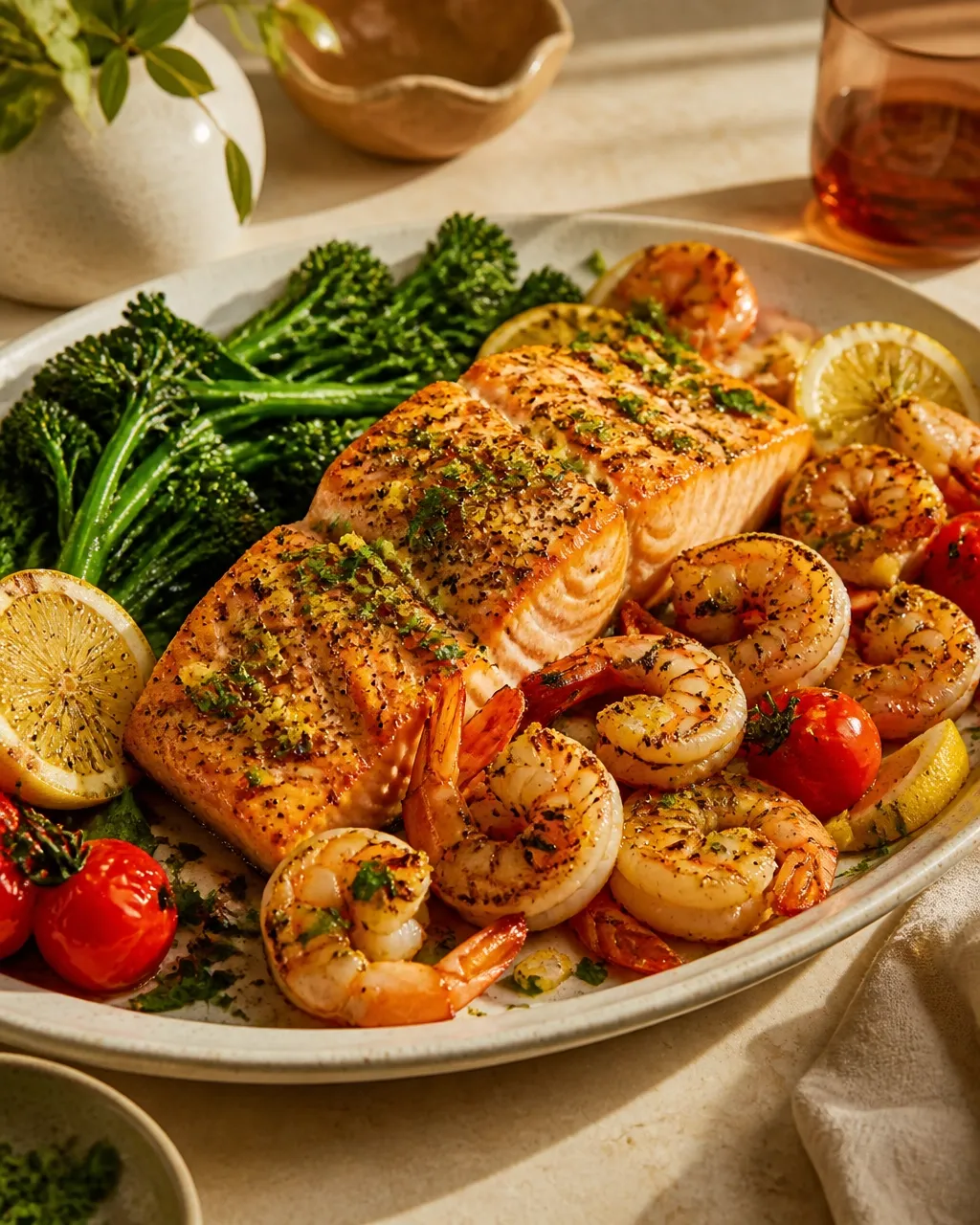
Welcome to my blog, where I strip away the mystery of high-end cooking and replace it with hard science. Today, we are tackling a dish that looks like a million bucks but takes exactly fifteen minutes to execute. If you are looking for quick family meals that don't taste like a compromise, you have found the holy grail. We are talking about Miso Ginger Glazed Cod, a masterclass in umami, protein denaturation, and the glorious Maillard reaction. This isn't just dinner; it’s a high-efficiency flavor extraction process that turns a delicate white fish into a savory, caramelized powerhouse.
The Chemistry of the Perfect Crust
To understand why this dish works, you have to understand the molecular battlefield happening on the surface of your fish. Cod is a lean, flakey protein dominated by water and myofibrillar proteins like myosin and actin. When you apply a miso-ginger glaze, you aren't just adding flavor; you are initiating a series of chemical reactions that alter the fish's physical structure.
First, consider the osmotic pressure. Miso and soy sauce are loaded with salt. When this glaze hits the fish, salt ions begin to diffuse into the muscle fibers. Initially, this draws some moisture out, but don't panic. As those salt ions penetrate deeper, they partially unfold the proteins, allowing them to trap and hold onto more water during the cooking process. This is the secret to fish that stays juicy even under high heat.
Next, focus on the Maillard reaction. This is the holy grail of browning. It requires reducing sugars (found in your mirin and miso) and amino groups (found in the proteins of both the fish and the fermented soy). For this reaction to kick into high gear, you must drive off the surface moisture. Use high heat to evaporate the water in the glaze. Once the surface temperature exceeds 140°C (285°F), the glaze will transform from a wet sauce into a dark, complex, and aromatic crust. If your fish looks pale, you haven't pushed the temperature high enough to trigger this reaction.
Don't ignore the enzymes either. Fresh ginger contains a protease called zingibain. If you let the glaze sit too long, this enzyme will literally start digesting the fish proteins, turning your beautiful fillet into mush. Limit your marination time to under 30 minutes to keep that structure intact. This precision is what separates great healthy dinner ideas from soggy failures.
Tactical Variations for Flavor Optimization
While cod is the classic substrate for this technique due to its clean flavor profile, you can swap the variables to fit your inventory. If you want more healthy dinner ideas that focus on healthy fats, try substituting cod with salmon or sablefish. The higher lipid content in these fatty fish provides a buffer against overcooking and creates an even richer mouthfeel as the fats emulsify with the miso glaze.
For a plant-based pivot, use extra-firm tofu. Tofu is highly porous, making it an excellent medium for the osmotic diffusion we discussed earlier. Press the tofu first to remove excess water, allowing the miso glaze to take its place. This creates a savory "steak" that carries the ginger aromatics just as well as seafood.
You can also manipulate the "redness" of your miso. Use white (shiro) miso if you want a milder, sweeter profile with more fermentable sugars for a faster Maillard reaction. If you prefer a deep, fermented funk, opt for red (aka) miso. Red miso has a higher salt concentration and has been fermented longer, providing a more intense umami punch that can stand up to bolder aromatics like chili or star anise. Much like my guide on achieving the perfect glossy sauce, the balance of solutes in your glaze dictates the final texture and shine of your dish.
Synergistic Side Dish Pairings
When pairing sides with miso cod, think in terms of acidity and texture. The glaze is rich, sweet, and incredibly savory, so you need a component that provides a "palate reset."
Use steamed jasmine rice as your primary starch. The neutral, fluffy grains act as a substrate that absorbs any excess glaze without competing for flavor. For greens, focus on cruciferous vegetables with a high crunch factor. Lightly sautéed baby bok choy or snap peas are ideal. These vegetables provide a structural contrast to the soft, flaky fish.
Add a splash of rice vinegar or a side of pickled ginger to provide the necessary acid. This acidity cleaves through the richness of the miso, making every bite feel as vibrant as the first. This focus on balance is essential when designing quick family meals that satisfy everyone at the table.
FAQ: Troubleshooting Your Fish Tech
What if I only have frozen fish?
You can use it, but be aware of "drip loss." When fish is frozen, ice crystals can rupture the cell walls. When thawed, this moisture escapes, leaving the fish potentially dry. Pat the thawed fillets extremely dry before glazing to ensure you don't steam the fish instead of searing it.
Can I use an air fryer for this?
Absolutely. If you are looking for air fryer recipes dinner enthusiasts will love, this is a prime candidate. The high-velocity convection of an air fryer is incredibly efficient at evaporating surface moisture, which accelerates the Maillard reaction. Just be careful with the cleanup; miso glazes are high in sugar and can stick to the basket. Much like my air fryer sausage medley, the goal is maximum browning with minimum effort.
Why is my glaze burning before the fish is cooked?
This usually happens if your glaze has a very high sugar-to-protein ratio or if your heat source is too close. If the surface is turning black but the center is still raw, lower the temperature slightly and move the rack further from the heat. You want a controlled burn, not a scorched earth policy.
Is it possible to overcook the cod?
Yes, and it happens fast. Once the internal temperature hits 60°C (140°F), the actin proteins fully denature and begin to squeeze out water. This is when the fish goes from succulent to stringy. Pull the fish when it is just starting to flake; the residual heat will carry it to the finish line.
Does the type of ginger matter?
Use fresh ginger for the best enzymatic activity and aromatic profile. Dried ginger lacks the punchy volatile oils and the protease enzymes needed to subtly tenderize the surface of the fish. Grate it finely so it integrates into the glaze without leaving woody chunks.