Recipe
Servings
Servings 1×
Ingredients
- Avocado
- Garlic
- Lemon
- Butter
- Cooking oil
- Black pepper
Method
- Let me tell you a secret: scallops are the easiest way to trick people into thinking you’ve spent years at a culinary institute when, in reality, you just spent twelve minutes in your kitchen.
- Use paper towels and press down firmly on every single scallop.
- Use stainless steel or cast iron.
- Add the butter at the very end to baste and create your sauce.
Let me tell you a secret: scallops are the easiest way to trick people into thinking you’ve spent years at a culinary institute when, in reality, you just spent twelve minutes in your kitchen. If you can sear a piece of protein without setting off your smoke alarm, you can master these. This is one of those quick family meals that hits that sweet spot of high-end flavor and minimal effort. I’m talking about a rich, citrusy, buttery finish that complements the natural sweetness of a perfectly seared scallop.
Scallops are the crown jewels of healthy dinner ideas because they are lean, packed with protein, and cook faster than it takes for you to decide what to watch on Netflix. But don’t let their speed fool you; they demand respect and a little bit of scientific understanding to go from "rubbery hockey puck" to "melt-in-your-mouth perfection." Grab your heavy skillet, and let's get into why science is your best friend in the kitchen.
The Chemistry of the Perfect Crust
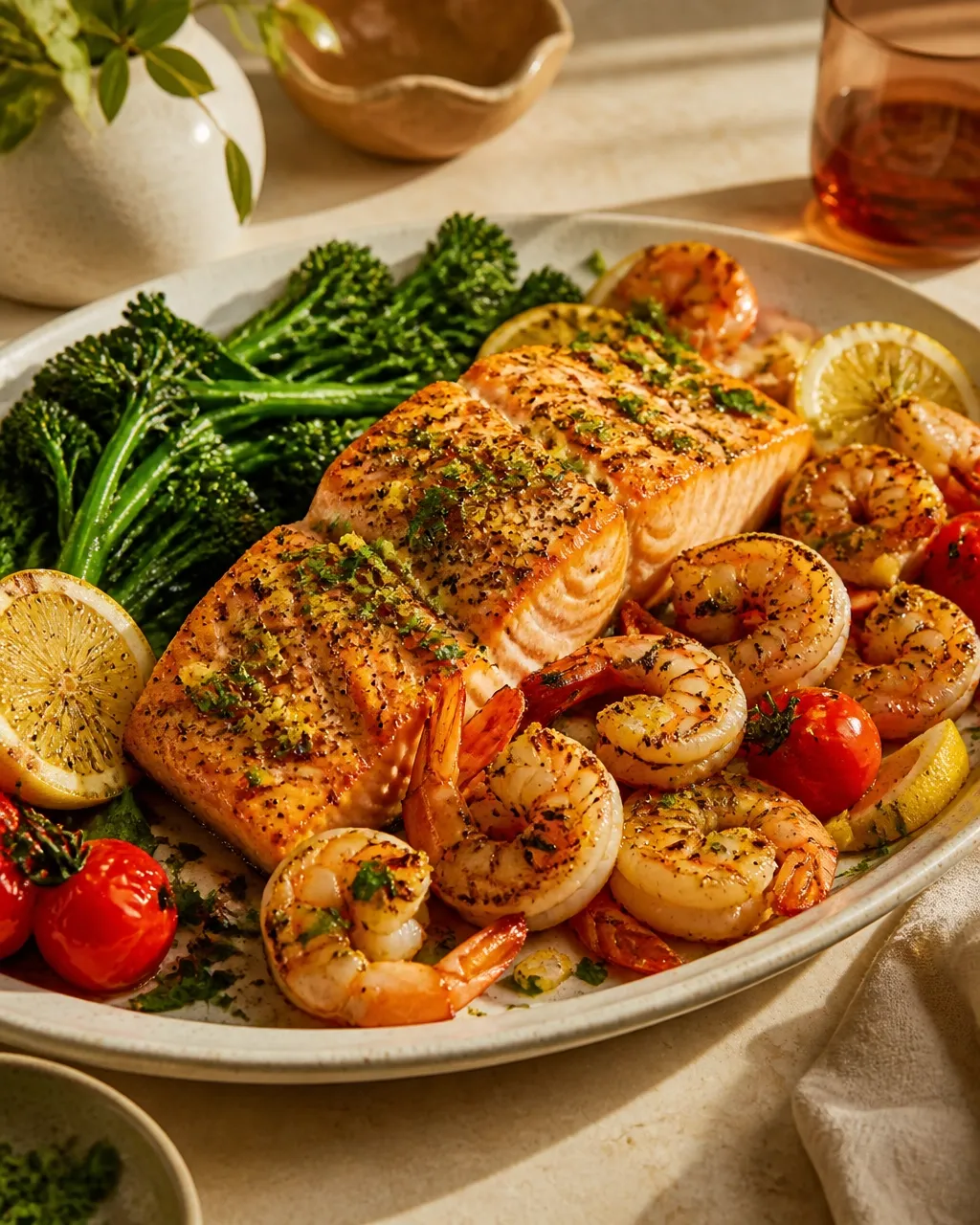
The biggest mistake you can make occurs before the heat even touches the pan: moisture. If your scallops are wet, you aren't searing them; you are steaming them. Scientifically speaking, water has a massive latent heat of vaporization. This means it takes a staggering amount of energy to turn water into steam. If there is a layer of water on your scallop, all the heat from your pan goes into boiling that water away rather than browning the protein.
Use paper towels and press down firmly on every single scallop. They should feel tacky to the touch, not slippery. This dryness is the gatekeeper of the Maillard reaction. This chemical reaction between amino acids and reducing sugars is what creates that gorgeous brown crust and the complex, savory flavors we crave. Without dryness, you lose the crust, and you lose the flavor.
Next, consider your pan choice. Avoid non-stick surfaces if you want a professional-grade sear. Use stainless steel or cast iron. These materials have high volumetric heat capacity, meaning they hold onto heat even when you drop cold scallops into the pan. A non-stick pan loses its temperature too quickly, leading to a gray, sad-looking scallop.
Watch the fat you use. Butter tastes incredible, but its milk solids burn at a relatively low temperature. To get that high-heat sear without the acrid taste of burnt butter, use a neutral oil with a high smoke point, like avocado or grapeseed oil, for the initial sear. Add the butter at the very end to baste and create your sauce. This "mounting with butter" technique ensures you get the flavor of the fat without the scorched proteins.
Finally, stop touching them. Once you place a scallop in that shimmering oil, leave it alone. The protein needs time to denature and bond with the surface of the pan before it naturally releases. If you try to flip it too early and it sticks, the Maillard reaction hasn't finished its work. Wait for that visible golden ring to creep up the side of the scallop, then flip once and only once.
Flavor Variations to Shake Things Up
While lemon and butter are the gold standard, you can easily pivot this dish to suit your mood. This versatility makes it a staple for anyone building a repertoire of quick family meals.
- The Herbed Infusion: Swap the parsley for fresh tarragon or chives. Tarragon brings a subtle anise-like sweetness that pairs beautifully with the natural brine of the seafood.
- The Spicy Kick: Add a pinch of red pepper flakes or a dash of smoked paprika to the butter as it melts. The heat cuts through the richness of the fat and adds a layer of complexity that feels modern and bold.
- The Capers and Garlic Route: Throw in a tablespoon of drained capers during the final basting. The briny, salty punch of the capers acts as a high-contrast balance to the creamy butter sauce.
- The Miso Twist: Whisk a teaspoon of white miso into your lemon butter sauce. This adds a massive hit of umami that elevates the scallop's sweetness to a whole new level.
Regardless of the variation, remember the golden rule of balance: acidity cuts richness. If your sauce feels too heavy, add a tiny bit more lemon juice. If it’s too tart, whisk in another cold cube of butter.
Side Dish Pairings for a Balanced Plate
Since scallops are so rich and sweet, you want side dishes that provide texture and brightness. I usually lean toward a crisp arugula salad with a light vinaigrette. The peppery bite of the arugula is the perfect foil for the lemon butter.
If you want something heartier, a quick cauliflower purée provides a creamy bed that mimics the texture of the scallop without overwhelming it. For those who prefer a bit of crunch, roasted asparagus or broccolini are fantastic healthy dinner ideas. The charred tips of the vegetables echo the sear on the scallops.
If you’re managing a busy kitchen and need more ideas for the week, you can even look at your countertop appliances. While I wouldn't cook the scallops themselves in there, using air fryer recipes dinner guests love, like crispy smashed potatoes or air-fried zucchini fries, can save you precious stovetop space while you focus on the delicate sear of the seafood. Check out our kielbasa pierogi air fryer roast for more inspiration on how to use that appliance effectively alongside your main proteins.
FAQ: Mastering the Scallop Science
What if I only have frozen scallops?
You can absolutely use frozen scallops, but you must thaw them completely in the refrigerator overnight. Once thawed, they tend to hold more internal moisture than fresh scallops. You’ll need to be extra aggressive with the paper towels. Pat them dry, let them sit for five minutes, and then pat them dry again.
Why do my scallops look like they are "leaking" white liquid?
This usually happens with "wet-packed" scallops. Many commercial scallops are treated with sodium tripolyphosphate (STP), which causes them to absorb excess water. When they hit the heat, that water (and protein) leaks out, resulting in a white, milky substance that prevents a sear. Always look for "dry-packed" or "day-boat" scallops. If you’re stuck with wet-packed ones, you’ll need a screaming hot pan and a very short cook time to mitigate the damage.
How do I know when they are truly done?
Scallops are high-protein and low-fat, which means the window between "perfect" and "eraser" is tiny. Use the "touch test" or look for the translucent center. A perfectly cooked scallop should be opaque on the top and bottom with a very thin, slightly translucent band in the middle. It should feel firm but still have a bit of a springy "give" when pressed, similar to the firmness of your cheek.
Can I make the sauce ahead of time?
No. This lemon butter sauce is a temporary emulsion. If it sits too long or gets too hot, it will "break," meaning the fat will separate from the liquid, leaving you with a greasy mess. Build the sauce in the pan immediately after the scallops are done. The residual heat and the fond (those brown bits stuck to the pan) are essential for the flavor and stability of the sauce.
Is it okay to use bottled lemon juice?
Avoid it. Bottled juice often has preservatives and a muted, metallic flavor. Since this dish relies on only a few high-quality ingredients, the bright, volatile oils in fresh lemon zest and juice are non-negotiable.
Should I remove the side muscle?
Yes. Most scallops come with a small, tough rectangular tag of tissue on the side. It’s edible but very chewy and distracting. Simply pinch it and pull it off before you start the drying process.
If you loved this deep dive into buttery goodness, you should definitely check out our garlic butter ramen hack for another way to master the art of the butter emulsion!