Recipe
Servings
Servings 1×
Ingredients
- Pasta
- Noodles
- Bread
- Broccoli
- Asparagus
- Spinach
- Peas
- Garlic
- Lemon
- Balsamic vinegar
- Hard cheese
- Salt
- Black pepper
Method
- Let’s dive into how to make that glossy, emulsion-rich sauce every single time.
- Use the "skillet method" where you cook your pasta in a wide pan with just enough water to cover it.
- Use a thermometer if you have to, but generally, you should let your pasta and its water sit for about 60 seconds after draining before you even think about adding the cheese.
- Use a microplane or the finest side of your box grater.
- Toast whole peppercorns in a dry pan until they become fragrant and start to "pop." Then, crush them coarsely with a mortar and pestle.
- Use your favorite air fryer recipes dinner style to get the edges of the broccoli nearly black.
If you think a three-ingredient pasta dish is easy, you’ve clearly never watched a bowl of Cacio e Pepe turn into a clump of rubbery cheese and greasy water. It’s the ultimate kitchen heartbreak. My blog is dedicated to making these "simple" dishes actually simple by stripping away the mystery and looking at the science. You don’t need a culinary degree to master this; you just need to understand how cheese behaves when it meets heat.
This dish is the king of 10-minute meals. It’s fast, it’s pantry-friendly, and when you nail the technique, it’s more satisfying than most complex quick family meals you’ll find in a cookbook. Let’s dive into how to make that glossy, emulsion-rich sauce every single time.
The Science of the Perfect Emulsion
The secret to Cacio e Pepe isn't just "stirring fast." It’s about creating a stable emulsion between the fats in the Pecorino Romano and the starchy water from your pasta. Think of it as a chemistry experiment you get to eat. To win, you have to manage two main factors: starch concentration and temperature.
Respect the Starch Threshold
Starch is your best friend here. It acts as an emulsifier, wrapping itself around the tiny droplets of cheese fat and preventing them from sticking together into a "mozzarella-like" clump. Science tells us that for a sauce to remain stable, you need the starch mass to be about 2% to 3% of your cheese weight.
Don't rely on luck with your pasta water. Use the "skillet method" where you cook your pasta in a wide pan with just enough water to cover it. This concentrates the starch into a thick, cloudy liquid rather than diluting it in a massive pot. If you really want to guarantee success, mix a teaspoon of cornstarch or potato starch with a little cold water and whisk it into your boiling pasta water a few minutes before it's done. This "starch hack" provides the extra insurance you need to prevent the cheese from seizing.
Master the Temperature Zone
Temperature is where most home cooks fail. Casein, the protein in cheese, is very sensitive. If you expose it to boiling water (100°C), it will shrink, tighten, and expel its fat, leaving you with a grainy, oily mess. The sweet spot for emulsification is between 55°C and 60°C.
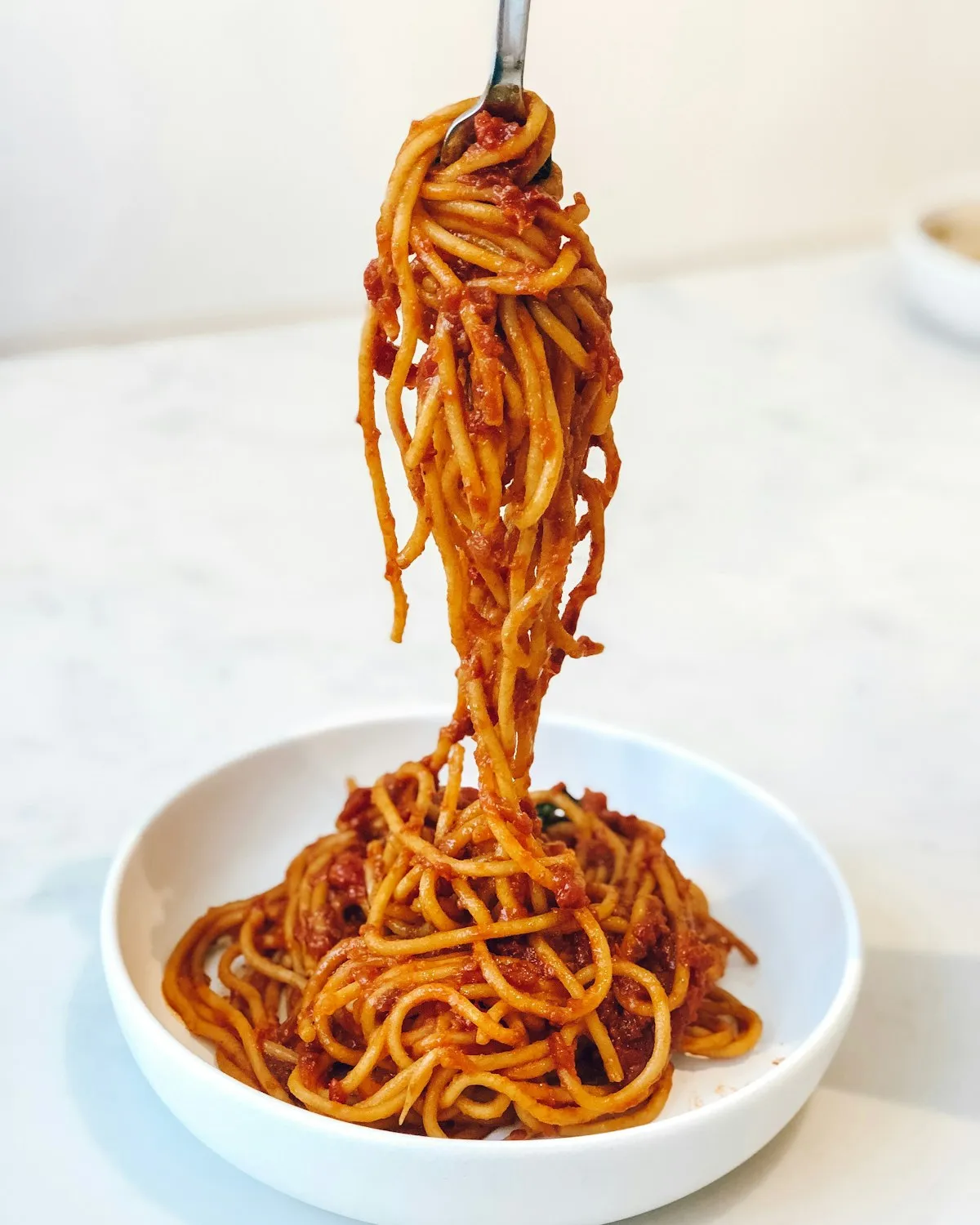
Use a thermometer if you have to, but generally, you should let your pasta and its water sit for about 60 seconds after draining before you even think about adding the cheese. Avoid the temptation to keep the burner on. The residual heat from the pasta itself is usually enough to melt the cheese without breaking the emulsion.
Grate Fine, Eat Well
Grate your Pecorino Romano as finely as possible. Use a microplane or the finest side of your box grater. Large shreds take longer to melt, which means they spend more time in the "danger zone" where they can clump. Fine particles hydrate instantly, merging with the starchy water to form a smooth paste.
Flavor Variations and Modern Twists
Once you’ve mastered the base technique, you can start playing with the profile. While traditionalists might argue that Cacio e Pepe should only ever be cheese, pepper, and pasta, my kitchen is a place for exploration.
Play with Pepper
Don't just use standard ground pepper. Toast whole peppercorns in a dry pan until they become fragrant and start to "pop." Then, crush them coarsely with a mortar and pestle. This releases essential oils that provide a floral, citrusy depth you won't get from a pre-ground shaker. You can even experiment with pink peppercorns for a milder, fruitier bite or smoked black pepper for a campfire vibe.
Acidity and Brightness
Because this dish is so rich and fatty, a hit of acidity can transform it into one of your favorite healthy dinner ideas. Fine-grate some lemon zest over the finished dish. The citrus oils cut through the heavy Pecorino and make the whole bowl feel lighter. If you’re feeling bold, a tiny splash of dry white wine stirred into the pasta water before adding the cheese can add a sophisticated fermented note.
Texture Additions
If you want to turn this into a more substantial vegetarian dinner, consider adding some texture. Toasted breadcrumbs (pangrattato) seasoned with garlic and herbs provide a crunch that contrasts beautifully with the silky noodles. Alternatively, folding in some quickly sautéed spinach or peas adds a pop of color and fiber without complicating the 10-minute timeline.
Balancing the Plate: Side Dish Pairings
Cacio e Pepe is a powerhouse of salt, fat, and starch. To make this a balanced meal, you need sides that offer high acidity or a bit of bitterness.
The Power of Arugula
A simple arugula salad is the non-negotiable partner for this pasta. The natural peppery bite of the leaves mimics the black pepper in the sauce, while a dressing of heavy lemon juice and a touch of balsamic vinegar provides the acid needed to "reset" your palate between bites. Avoid creamy dressings here; you already have enough fat on the main plate.
Charred Veggies
If you want something warm, look toward charred broccoli or roasted asparagus. Use your favorite air fryer recipes dinner style to get the edges of the broccoli nearly black. The slight bitterness of charred brassicas balances the richness of the Pecorino. Check your seasoning: you won't need much salt on the veggies since the pasta is already a salt bomb.
FAQ: Troubleshooting Your Sauce
Why is my cheese clumping into a ball?
This is the "mozzarella phase." It happens because your starch levels were too low or your water was too hot. The proteins in the cheese bonded to each other instead of staying suspended in the water. Next time, use the skillet method for more starch and let the pan cool for a full minute before adding the cheese.
How do I fix a sauce that has already broken?
If you see oil puddles, your emulsion is gone. Take the pan off the heat immediately. Add a tablespoon of lukewarm starchy water and whisk vigorously. Sometimes you can "rescue" it by creating a new emulsion in a separate small bowl with more starch and cheese, then folding that back in, but it's a gamble. Prevention is better than the cure.
Can I use pre-grated cheese from a tub?
Absolutely not. Avoid pre-grated cheese at all costs. Those products are coated in potato starch or cellulose to prevent them from clumping in the package. While starch is good for our sauce, the types and amounts used in commercial packaging will make your sauce feel gritty and "sandy." Buy a block and grate it yourself.
Is it okay to use Parmesan instead of Pecorino?
You can, but the result will be different. Pecorino Romano is a sheep’s milk cheese with a higher fat content and a sharper, saltier profile. Parmesan (Parmigiano Reggiano) is a cow’s milk cheese that is leaner and nuttier. If you use Parmesan, you may need a little more starchy water to compensate for the lower fat levels to keep the sauce smooth.
My sauce is too watery: what did I do wrong?
You likely added too much water too quickly. Always start with a thick paste of cheese and a small amount of water. Once you have a smooth "slurry," add more water a teaspoon at a time until you reach your desired consistency. Remember, it will thicken slightly as it cools on the plate.
Mastering pasta recipes like this is about confidence and temperature control. Once you get the feel for the emulsion, you’ll be able to whip up a restaurant-quality meal in the time it takes to boil water.
{“@type”:”BlogPosting”,”image”:”https://cdn.marblism.com/otwijnz-JuK.webp”,”author”:{“name”:”Penny”,”@type”:”Person”},”@context”:”https://schema.org”,”headline”:”Simple Pasta Recipes: 10-Minute Cacio e Pepe You Can Make at Home”,”publisher”:{“logo”:{“url”:”https://cookpedia.com/logo.png”,”@type”:”ImageObject”},”name”:”Cookpedia”,”@type”:”Organization”},”description”:”Master the art of Cacio e Pepe with our science-backed guide to perfect emulsification. Learn why starch and temperature are the keys to a glossy, 10-minute pasta sauce.”,”datePublished”:”2026-07-17″,”mainEntityOfPage”:{“@id”:”https://cookpedia.com/10-minute-cacio-e-pepe”,”@type”:”WebPage”}}