Recipe
Servings
Servings 1×
Ingredients
- Shrimp
- Pasta
- Garlic
- Lemon
- Cream
- Butter
- Cooking oil
Method
- Let us look at why certain techniques make or break your pasta dishes.
- Cook it for just four to five minutes until al dente.
- Sear your shrimp over medium-high heat for precisely two minutes per side until pink and opaque, then remove them from the pan immediately.
- Cook minced garlic over medium-low heat for roughly sixty seconds until fragrant, allowing the fat-soluble flavor compounds to infuse your cooking oil gently.
- Simmer your cream gently over low heat.
If you have fifteen minutes and a serious craving for comfort food, stop scrolling through complicated 30-minute meals and make this dish. Creamy garlic shrimp angel hair pasta with lemon zest is the ultimate weeknight savior. It feels fancy enough for date night, yet comes together faster than takeout. When you need dependable quick family meals that do not taste rushed, this silky, garlic-infused marvel delivers every single time.
Tips & Technique: The Science of Silky Sauces and Tender Shrimp
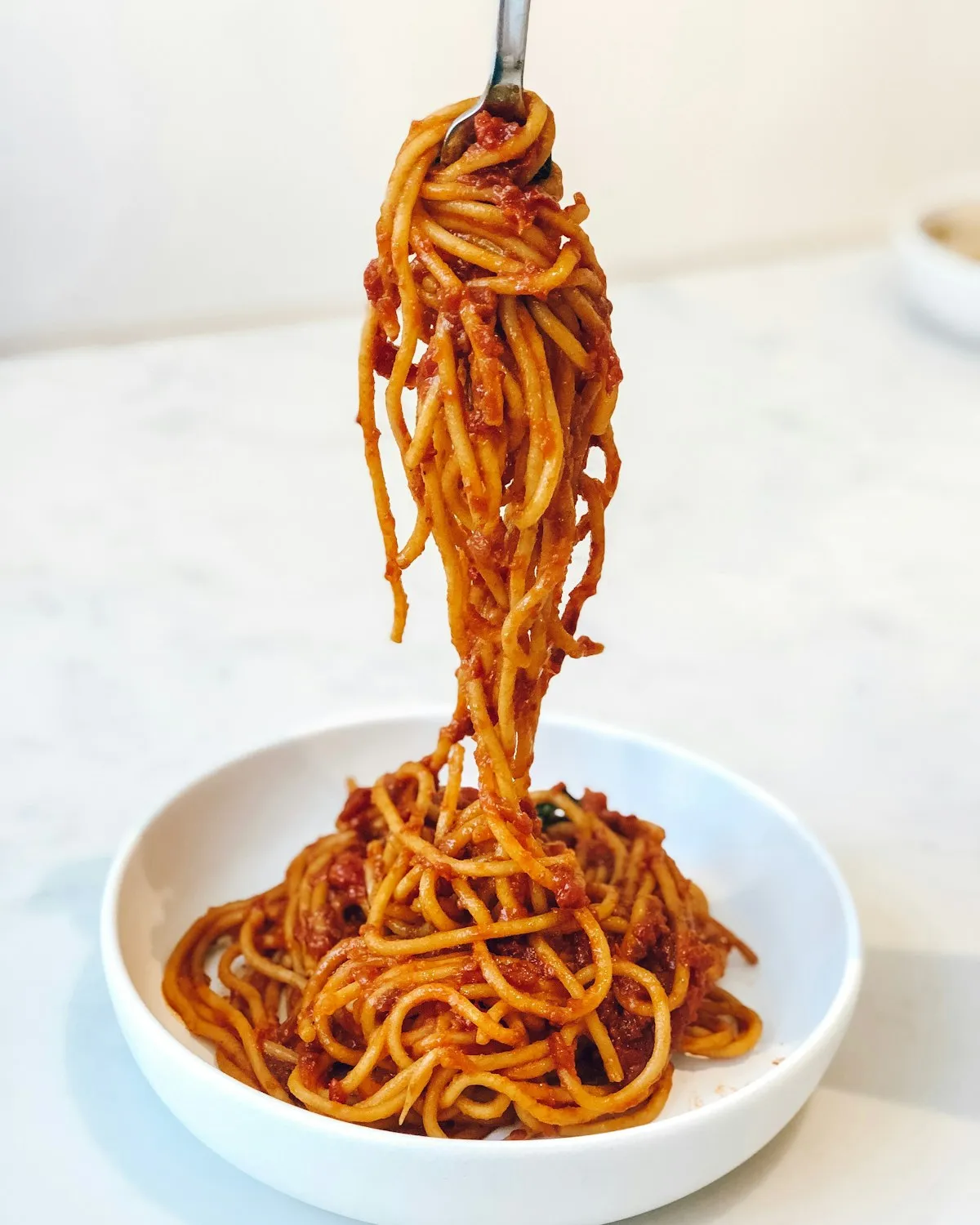
Mastering restaurant-quality pasta at home is less about luck and more about understanding culinary science. Let us look at why certain techniques make or break your pasta dishes.
First, respect your cooking times. Angel hair is notoriously delicate because its high surface-area-to-volume ratio allows water to penetrate the starch matrix almost instantly. Cook it for just four to five minutes until al dente. Never skip reserving a half-cup of your starchy pasta water before draining. Starchy water acts as an emulsifier, binding the fat from your butter and cream to the water molecules, transforming disparate ingredients into a cohesive, velvety sauce that clings to every single strand.
Second, control your heat when searing protein. Shrimp is composed of fragile muscle fibers wrapped in delicate connective tissue. Expose shrimp to excessively high heat for too long, and those proteins tighten rapidly, squeezing out moisture and turning your seafood rubbery. Sear your shrimp over medium-high heat for precisely two minutes per side until pink and opaque, then remove them from the pan immediately. Reintroducing them at the very end lets them warm through gently in the sauce without overcooking.
Third, manage your aromatics. Garlic contains sulfur compounds and natural sugars that caramelize and turn aggressively bitter if scorched in super-hot oil. Cook minced garlic over medium-low heat for roughly sixty seconds until fragrant, allowing the fat-soluble flavor compounds to infuse your cooking oil gently.
Finally, handle dairy and acid with care. Heavy cream contains butterfat suspended in water. If you boil it aggressively, the emulsion breaks, leading to a greasy, separated mess. Simmer your cream gently over low heat. Furthermore, add your lemon juice and zest toward the end of the cooking process. Acidic components can curdle dairy proteins if introduced into boiling cream too early. Zesting your lemon right into the hot pasta releases volatile citrus oils instantly, providing maximum aroma without compromising your sauce's texture.
Variations: Spice It Up or Keep It Plant-Based
Adaptability is the hallmark of great pasta cooking. If you want to switch things up when searching for fresh healthy dinner ideas, try these simple twists.
Swap the shrimp for pan-seared chicken breast strips or white fish fillets if shellfish is off the menu. For a vegetarian spin, omit the seafood entirely and toss in baby spinach, sautéed mushrooms, or blistered cherry tomatoes that burst with savory sweetness when heated.
If you crave heat, double down on the crushed red pepper flakes during the garlic-sautéing phase. For a lighter sauce without heavy cream, substitute half-and-half or create a glossy, emulsion-based scampi style using extra butter, pasta water, and dry white wine. Experiment boldly, but always taste and adjust your seasoning before serving.
Side Dish Pairings: Balancing Richness with Brightness
Because creamy garlic shrimp pasta is rich and decadent, your side dish pairings should focus on acidity, crunch, and brightness to clean your palate between bites.
Toss together a crisp arugula and shaved fennel salad dressed simply with extra virgin olive oil, freshly squeezed lemon juice, and flaky sea salt. The peppery bite of arugula and the subtle anise note of fennel cut effortlessly through the rich garlic cream sauce. Alternatively, serve steamed asparagus or roasted green beans drizzled with balsamic glaze. Avoid heavy, starchy sides like garlic bread or heavy potato gratins; your plate already features plenty of comforting carbohydrates. Keep accompaniments light, vibrant, and refreshing.
FAQ: Mastering Your Creamy Pasta Questions
What if my sauce is too thick?
Thin out your sauce immediately by stirring in an extra tablespoon or two of your reserved starchy pasta water. The starches in the water will maintain the sauce's glossy emulsion while loosening its consistency.
Can I use frozen shrimp for this recipe?
Yes! Use frozen peeled and deveined shrimp for convenience. Thaw them completely in a bowl of cold water for ten minutes, then pat them thoroughly dry with paper towels before searing. Excess moisture prevents a good sear.
What if my cream sauce separates or curdles?
Curdling usually happens if the heat is too high or if lemon juice was added directly to boiling cream. Remove the pan from the heat, whisk vigorously, and splash in a spoonful of warm pasta water to re-emulsify the sauce.
Can I make this ahead of time?
Angel hair pasta absorbs liquid rapidly and tends to get mushy if left sitting in sauce. For the best texture, prepare this dish fresh and serve it immediately. If you need quick weeknight options, check out our favorite air fryer recipes dinner guides for other fast solutions.
How do I store leftovers?
Store any leftovers in an airtight container in the refrigerator for up to two days. Reheat gently on the stovetop over low heat with a splash of milk or broth to revive the creamy consistency, taking care not to overheat the shrimp.